Rose Quartz — Explained by Medical Evidence, Not Myths
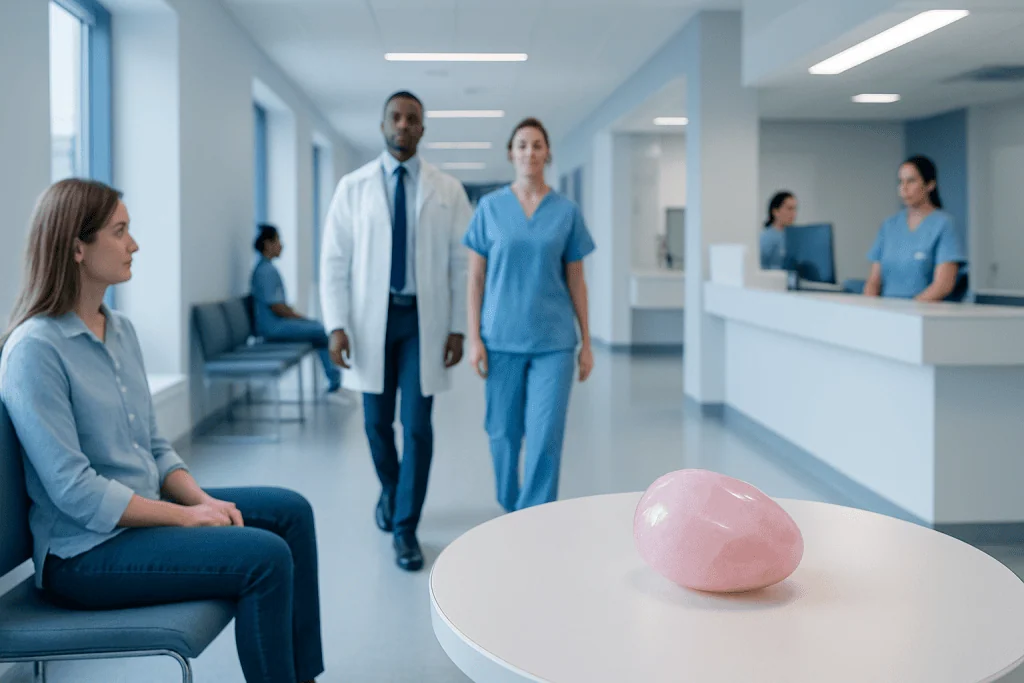
Rose quartz is a mineral, not a medical treatment. There is no reliable clinical evidence that rose quartz heals diseases or changes body functions.
Key Takeaways
- Rose quartz is a mineral, not a medical treatment.
- There is no reliable clinical evidence that rose quartz heals diseases or changes body functions.
- Some people may feel comforted by rose quartz through relaxation, routine, or placebo-related effects.
- Rose quartz should not replace proven medical care for physical or mental health symptoms.
- Basic safety matters, especially for children, skin contact, and products marketed for ingestion or intimate use.
Rose quartz is a naturally occurring pink quartz crystal. Medical evidence does not show that rose quartz can diagnose, treat, or cure disease, but some people use it as a soothing object for reflection, relaxation, or personal rituals.
What rose quartz is — and what medical evidence says
Rose quartz is a pink variety of the mineral quartz, colored by trace elements and microscopic inclusions within the crystal. It is widely sold as jewelry, decorative stone, meditation tool, or “healing crystal.” From a medical point of view, however, rose quartz is best understood as a cultural or personal wellness object rather than a treatment with proven biological effects.
Current medical evidence does not show that rose quartz can heal organs, balance hormones, remove toxins, improve circulation, or cure anxiety, depression, insomnia, or chronic pain. Claims of energy transfer, chakra balancing, or disease-specific healing have not been established by high-quality clinical studies. This does not mean a person is wrong to enjoy rose quartz; it means that any health claims should be judged by scientific standards rather than tradition, marketing, or anecdote alone.
Some people do report feeling calmer when holding or looking at rose quartz. In medicine, this may reflect a relaxation response, positive expectation, or the placebo effect, which can influence how symptoms are experienced even when a crystal has no direct disease-treating action. Used this way, rose quartz may function like other comforting routines: a reminder to pause, breathe, and care for oneself.
Why people are drawn to rose quartz
Rose quartz is often associated with themes such as love, compassion, emotional healing, and inner peace. These meanings come from long-standing spiritual and cultural traditions rather than laboratory-based medicine. For many people, the soft pink color and smooth texture make it feel gentle and reassuring, which may help explain its popularity in self-care spaces.
There can also be psychological value in symbolic objects. A crystal placed on a desk, bedside table, or in a pocket may act as a cue for healthy habits such as mindfulness, journaling, stretching, or taking a break from stress. In this sense, the helpful part may be the behavior it supports, not the stone itself.
It is important to separate emotional symbolism from medical effectiveness. A person can appreciate rose quartz as part of a personal ritual while still recognizing that chest pain, severe anxiety, persistent sadness, sleep problems, or skin changes need proper clinical evaluation. Wellness practices may complement care, but they should not delay diagnosis or treatment.
Can rose quartz provide any health benefits?

There is no reliable evidence that rose quartz has specific physiological benefits such as lowering blood pressure, boosting immunity, healing the skin, improving fertility, or reducing inflammation. Scientific studies on crystals in general have not demonstrated effects beyond expectation and suggestion. When people feel better after using rose quartz, that experience is real to them, but it does not prove that the crystal changed the underlying biology of a disease.
That said, rose quartz may have indirect benefits when used in safe, realistic ways. If it encourages a person to practice slow breathing, spend a few quiet minutes away from screens, or build a bedtime routine, those behaviors can support overall well-being. Stress reduction strategies may help some people cope better with symptoms, especially when paired with medical advice and healthy daily habits.
A useful question is not whether rose quartz is “good” or “bad,” but whether it is being used responsibly. If it is a harmless comfort item alongside evidence-based care, it may fit into a wellness routine. If it is presented as a substitute for diagnosis, medication, psychotherapy, or emergency treatment, that becomes unsafe.
- Reasonable use: as jewelry, décor, meditation support, or a reminder for self-care
- Unreasonable use: replacing prescribed treatment or delaying medical evaluation
- Unsafe use: ingesting crystal-infused products without clear safety information or using rough stones on damaged skin
Common myths about rose quartz
One common myth is that rose quartz can “draw out” disease or toxins from the body. Human organs such as the liver, kidneys, lungs, and digestive system perform these functions through well-understood biological processes. A stone held in the hand or placed in a room does not change these systems in a measurable medical way.
Another myth is that rose quartz can treat mental health conditions by itself. While rituals and calming objects may be emotionally supportive, conditions such as panic disorder, depression, trauma-related symptoms, or persistent insomnia often need structured evaluation and evidence-based care. Depending on the person, treatment may include counseling, lifestyle support, or medication. If stress or mood symptoms are affecting daily life, a professional assessment is more appropriate than relying on a crystal.
People may also encounter claims that rose quartz can help with acne, eczema, or facial circulation when used in beauty tools. Cooling massage tools may temporarily reduce puffiness and feel soothing, but this is not the same as treating skin disease. Persistent rashes, pigment changes, painful acne, or suspicious moles should be assessed by a clinician, especially in the context of conditions such as skin cancer or inflammatory skin disorders.
Safety, side effects, and practical precautions
Rose quartz is generally safe to wear or keep at home, but safety depends on how it is used. Small stones can be choking hazards for infants and young children. Broken or sharp pieces may scratch the skin. Crystal tools used on the face should be cleaned regularly to reduce the transfer of oils, makeup, and bacteria, especially if a person is prone to acne or skin irritation.
Consumers should be cautious with products marketed as crystal water bottles, elixirs, or crystal powders. Not all stones are suitable for direct contact with water or ingestion, and product safety is not always clearly regulated. Although rose quartz itself is relatively stable, adding unverified wellness products to food, drinks, or supplements is not medically recommended without reliable safety information.
People with ongoing skin concerns should avoid rubbing any stone over inflamed, broken, infected, or recently treated skin. It is safer to seek advice from a specialist if there is persistent irritation, unexplained lesions, or cosmetic concerns that need a diagnosis. In some cases, a clinician may recommend dermatology care for assessment and tailored treatment rather than cosmetic self-treatment at home.
How to use rose quartz in a realistic, healthy way
For those who enjoy rose quartz, the healthiest approach is to use it as a supportive object rather than a source of medical claims. It may be kept in a pocket as a reminder to breathe deeply during stressful moments, placed by the bed as part of a calming nighttime routine, or included in meditation as a focus point. In these settings, the potential benefit comes from the behavior and attention it encourages.
Rose quartz can also be paired with evidence-based wellness practices. Examples include regular physical activity, consistent sleep habits, balanced nutrition, time outdoors, and reducing exposure to chronic stress where possible. Someone using rose quartz for emotional comfort should still pay attention to signs that more help is needed, especially if worry, low mood, or sleep disturbance persists.
When symptoms are significant, professional care matters. For ongoing emotional distress, a person may benefit from consultation with specialists in psychiatry or other mental health services. If headaches, dizziness, fainting, numbness, or neurological symptoms are present, a thorough medical evaluation is more appropriate than attributing symptoms to low energy or spiritual imbalance; depending on the situation, neurology assessment may be considered.
When to seek medical care
Rose quartz should not be used to self-manage symptoms that could signal a medical condition. A person should seek medical advice if symptoms are new, severe, worsening, recurrent, or interfering with work, school, sleep, or daily activities. This is especially important for unexplained weight loss, fever, chest pain, shortness of breath, fainting, ongoing pain, severe headaches, significant skin changes, or persistent digestive symptoms.
Mental health symptoms also deserve timely support. Panic attacks, prolonged sadness, hopelessness, intrusive thoughts, trauma symptoms, or changes in sleep and appetite should not be dismissed as simply needing more “healing energy.” Early assessment can help identify the cause and guide appropriate treatment.
Emergency care is needed for warning signs such as difficulty breathing, signs of stroke, sudden weakness, seizures, severe allergic reactions, or thoughts of self-harm. Near the end of the care journey, some people also value coordinated international support; Acibadem International’s multidisciplinary specialists and JCI-accredited hospitals diagnose and treat a wide range of medical conditions for international patients when evaluation is needed.
Frequently asked questions
Is rose quartz medically proven to heal anything?
No. There is no reliable clinical evidence that rose quartz can diagnose, treat, or cure medical or mental health conditions. People may still find it personally comforting, but that is different from a proven therapeutic effect.
Why do some people say rose quartz makes them feel better?
A soothing object can support relaxation, mindfulness, and positive expectations. These effects may improve how a person feels in the moment, even when the crystal itself is not changing the underlying biology of a condition.
Can rose quartz help with anxiety or stress?
Rose quartz may be used as part of a calming routine, such as meditation or slow breathing. However, it should not replace professional care if anxiety is frequent, intense, or affecting daily life.
Is it safe to use rose quartz on the skin?
Usually, yes, if the stone is smooth, clean, and used gently on healthy skin. It should not be used on broken, infected, or irritated skin, and facial tools should be cleaned regularly.
Can children use or wear rose quartz?
Older children may wear or hold it with supervision, but small stones can pose a choking risk for babies and toddlers. Sharp or broken pieces should be kept out of reach.
Should rose quartz replace medicine or therapy?
No. It should only be considered a personal wellness item, not a substitute for diagnosis, medication, counseling, or emergency care. Any persistent or serious symptom should be assessed by a qualified clinician.
This article is for general information only and is not a substitute for professional medical advice. Please consult a qualified doctor about your individual situation.
Explore treatments in Turkey — costs, top hospitals & a free quote
JCI-accredited · board-certified surgeons · reply within 24h
Add us as a Preferred Source to see more of our trusted health content across Google Search, AI Overviews and Discover.
Check your numbers in seconds
BMI, calories, due date, blood pressure and 30+ more clinical calculators — free, instant, doctor-reviewed ranges.

More from the Health Library

Blood Clots in Urine: What Patients Need to Know

Serosanguineous Drainage: What Patients Need to Know
Coping Mechanisms — Explained by Medical Evidence, Not Myths

Pregnancy and beta hcg levels: A Complete Medical Guide for Patients

Erythropoietin: A Complete Medical Overview