Coping Mechanisms — Explained by Medical Evidence, Not Myths

Coping mechanisms are normal responses to stress, but not all are equally helpful. Healthy coping strategies usually reduce distress without causing new problems later.
Key Takeaways
- Coping mechanisms are normal responses to stress, but not all are equally helpful.
- Healthy coping strategies usually reduce distress without causing new problems later.
- Unhealthy coping can include avoidance, substance use, emotional withdrawal, or self-harm behaviors.
- Persistent stress, anxiety, depression, trauma, or daily impairment may need professional assessment.
- Coping skills can be learned and improved with practice, support, and evidence-based care.
Coping mechanisms are the mental and behavioral strategies people use to manage stress, emotional pain, uncertainty, or change. Some coping methods are helpful and adaptive, while others may bring short-term relief but worsen health, relationships, or functioning over time.
What coping mechanisms are
Coping mechanisms are the thoughts, emotions, and actions a person uses to deal with stress, loss, conflict, illness, uncertainty, or overwhelming life events. In medical and psychological terms, coping is not simply “being strong” or “staying positive.” It refers to the practical ways the mind and body try to regain balance when a situation feels difficult or threatening.
Some coping mechanisms are adaptive, meaning they help a person function, recover, and protect long-term health. Others are maladaptive, meaning they may reduce distress briefly but create additional problems later. For example, talking to a trusted friend, taking a walk, or using structured relaxation can be adaptive. Excessive alcohol use, emotional shutdown, or repeated avoidance may feel easier in the moment but often prolong distress.
Medical evidence does not support the myth that there is one “correct” way to cope. People respond differently depending on personality, culture, past experiences, support systems, physical health, and the nature of the stressor. Effective coping is usually flexible rather than rigid. A person may need one approach for grief, another for workplace pressure, and another for a chronic illness diagnosis.
How stress affects the body and mind
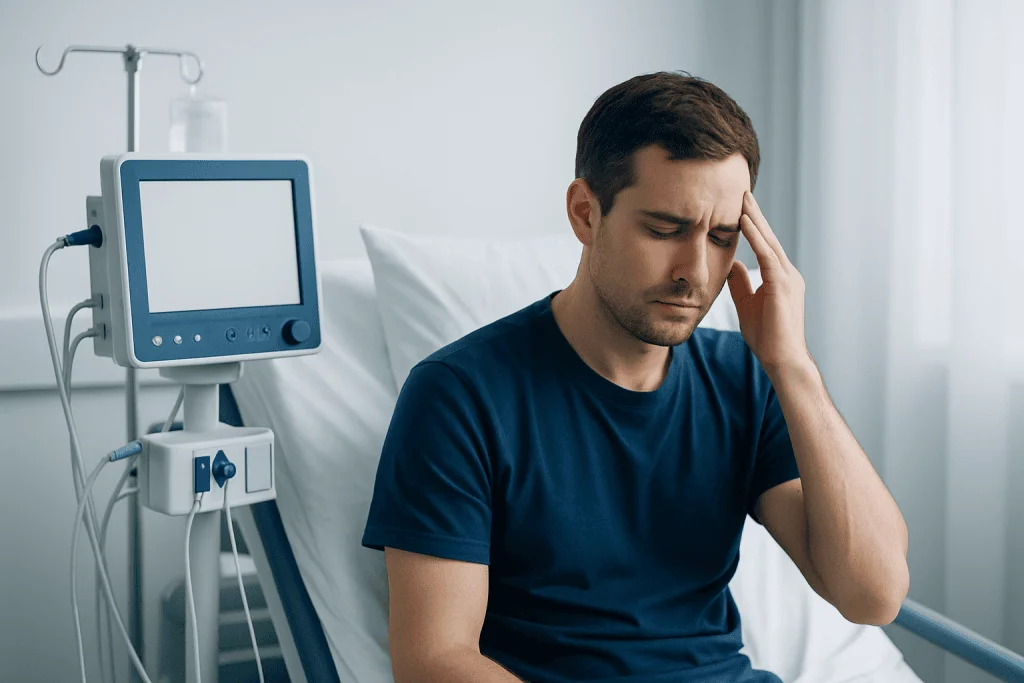
Stress activates biological systems designed to help a person respond to challenge. Heart rate may rise, muscles may tense, sleep may change, and attention may narrow toward a problem. In short-term situations, this stress response can be useful. When stress is intense, frequent, or long-lasting, however, it can begin to affect concentration, mood, digestion, pain perception, immunity, and energy levels.
This is one reason coping mechanisms matter medically, not just emotionally. Repeated stress without effective coping can contribute to headaches, poor sleep, irritability, fatigue, increased substance use, and worsening symptoms of anxiety or depression. Chronic stress may also aggravate other conditions, including high blood pressure, gastrointestinal symptoms, and tension-related pain.
Stress does not always look dramatic. It may appear as procrastination, overeating, social withdrawal, anger, forgetfulness, or feeling emotionally numb. For some people, stress is linked with panic symptoms or ongoing worry; in others, it is tied to low mood, hopelessness, or loss of motivation. When these patterns become persistent, assessment for depression or anxiety may be appropriate.
Types of coping mechanisms

Clinicians often group coping into several broad categories. Problem-focused coping aims to address the source of stress directly. Examples include making a plan, setting boundaries, seeking information, organizing finances, or asking for practical help. This approach can be especially useful when the situation can be changed or managed step by step.
Emotion-focused coping helps regulate the emotional impact of a stressor. It may include deep breathing, mindfulness, journaling, grief processing, prayer or spiritual support, or speaking with a counselor. This can be valuable when a situation cannot be quickly changed, such as bereavement, a difficult diagnosis, or family conflict.
Meaning-focused coping involves making sense of an experience and identifying values, purpose, or growth. Some people cope by focusing on what they can still do, strengthening relationships, or reframing challenges without denying reality. Social coping, such as seeking reassurance or community support, also plays an important role.
Not every coping mechanism is healthy. Common maladaptive examples include:
- Using alcohol, nicotine, or drugs to escape emotions
- Sleeping excessively or staying in bed to avoid problems
- Compulsive screen use, gaming, shopping, or gambling
- Emotional eating or severe restriction
- Explosive anger, self-blame, or self-harm
- Pulling away from work, school, or loved ones for long periods
Healthy coping mechanisms supported by evidence
Evidence-based coping strategies are usually simple, repeatable, and realistic. Regular physical activity can reduce stress and improve sleep and mood, even when it is moderate rather than intense. Relaxation methods such as paced breathing, progressive muscle relaxation, and mindfulness exercises may help calm the nervous system. Good sleep habits, consistent meal patterns, and limiting alcohol can also improve resilience under stress.
Social connection is another protective factor. Speaking honestly with a trusted person can reduce isolation and improve emotional regulation. Structured problem-solving helps many people feel less overwhelmed: define the problem, list possible responses, choose one manageable step, and review the result. When difficult thoughts become repetitive, cognitive strategies such as identifying all-or-nothing thinking or catastrophizing may help a person respond more realistically.
Professional support is often one of the healthiest coping choices, not a last resort. Psychological therapies can help people understand triggers, build practical skills, and treat underlying conditions. In some cases, a doctor may recommend psychotherapy as part of a broader care plan. For people whose symptoms include severe worry, panic, or mood changes, formal psychiatric care may also be appropriate.
Myths and misunderstandings about coping
A common myth is that effective coping means never feeling distressed. In reality, healthy coping does not erase normal human emotion. Sadness after a loss, fear before surgery, or frustration during major life change can be expected. The goal is not emotional suppression; it is finding safe, constructive ways to move through distress without harming health or relationships.
Another misconception is that avoidance always helps because it lowers stress in the moment. Short periods of stepping back can be useful, but long-term avoidance often keeps fear and uncertainty active. For example, avoiding medical appointments, work tasks, or difficult conversations may bring temporary relief while increasing future stress.
It is also inaccurate to assume that unhealthy coping reflects weakness or poor character. Maladaptive coping often develops because it once worked temporarily, especially during high stress, trauma, or lack of support. Recognizing a pattern is not about blame. It is the first step toward replacing it with safer, more effective strategies.
Finally, self-help has limits. Breathing exercises, routine changes, and peer support can be valuable, but they are not substitutes for clinical care when symptoms are severe, persistent, or linked to mental health disorders. Some people benefit from combined treatment, including counseling, lifestyle support, and, when appropriate, medical evaluation.
When coping becomes a health concern
Coping becomes a medical concern when stress responses begin to impair daily life or raise safety risks. Warning signs may include ongoing insomnia, panic symptoms, inability to work or study, intense irritability, persistent low mood, worsening physical symptoms, or dependence on alcohol or drugs to get through the day. Some people also notice memory problems, emotional numbness, or frequent crying without clear relief.
It is especially important to look beyond the coping behavior itself and ask what may be driving it. Chronic stress can coexist with conditions such as generalized anxiety, panic disorder, major depression, trauma-related disorders, or burnout. Substance use can both mask and worsen emotional distress. Recurrent headaches, chest discomfort, stomach problems, or fatigue may also need medical review to rule out physical causes.
If a person feels trapped in repetitive stress cycles, evaluation can clarify whether the main issue is situational stress, a mental health condition, or a combination of both. Depending on symptoms, care may include primary care assessment, sleep evaluation, counseling, behavioral therapy, or a referral for neurology care when neurological symptoms such as persistent headaches or concentration changes need further review.
Building healthier coping skills in daily life
Developing healthier coping mechanisms usually works best when change is gradual and specific. Rather than trying to “fix everything,” many clinicians recommend identifying one stress trigger and one replacement behavior. For example, if a person scrolls on a phone for hours when overwhelmed, a first step might be a 10-minute walk, a glass of water, and one message to a supportive friend before returning to the task.
Routine can protect mental energy. A regular sleep schedule, planned breaks, balanced meals, and basic movement help the body handle stress more effectively. Limiting stimulants late in the day and reducing alcohol may improve both sleep quality and emotional regulation. It can also help to notice early warning signs such as jaw tension, racing thoughts, or irritability before stress escalates.
Some people benefit from writing down a personal coping plan. This can include calming techniques, trusted contacts, crisis numbers, reminders to take medication as prescribed, and signs that indicate the need for professional help. For international patients who need coordinated assessment, Acibadem International’s multidisciplinary specialists in JCI-accredited hospitals diagnose and treat stress-related and mental health concerns with personalized care pathways.
When to seek medical care
Medical or mental health support should be considered if coping difficulties last for several weeks, repeatedly interfere with work, school, sleep, relationships, or self-care, or lead to risky behaviors. A person should also seek care if stress is followed by panic attacks, hopelessness, severe mood changes, or physical symptoms that are persistent, unusual, or worsening.
Urgent help is needed if someone is thinking about self-harm, suicide, harming another person, or is unable to stay safe. New chest pain, fainting, severe shortness of breath, sudden confusion, or neurological symptoms also need immediate medical attention, as these may not be caused by stress alone.
Early evaluation can be helpful even when symptoms do not seem extreme. A doctor or mental health professional can assess for anxiety, depression, sleep problems, trauma-related symptoms, substance use, and physical contributors to distress. Treatment may include education, therapy, medication review, and support for healthier coping habits.
Frequently asked questions
Are coping mechanisms always a bad sign?
No. Coping mechanisms are normal responses to stress and are part of everyday emotional adjustment. The important question is whether the strategy helps in a safe, sustainable way or creates more problems over time.
What is the difference between healthy and unhealthy coping mechanisms?
Healthy coping tends to reduce distress while preserving physical health, relationships, and daily functioning. Unhealthy coping may provide short-term relief but can worsen stress, mood, sleep, safety, or long-term wellbeing.
Can avoidance ever be helpful?
Briefly stepping away from a stressful situation can be helpful if it allows a person to calm down and return with a clearer plan. However, long-term avoidance often maintains fear, delays treatment, or allows problems to grow.
How can someone tell if stress is becoming anxiety or depression?
Stress may need assessment when worry, panic, sadness, hopelessness, irritability, or loss of interest persist and start affecting sleep, work, relationships, or self-care. A qualified clinician can help determine whether symptoms reflect normal stress, anxiety, depression, or another condition.
Do coping mechanisms work the same for everyone?
No. Effective coping depends on the person, the situation, physical health, support system, and whether the stressor can be changed. Most people benefit from a flexible mix of practical problem-solving, emotional regulation, and social support.
When should a person seek professional help for coping problems?
Professional help is appropriate when coping strategies are no longer working, symptoms are persistent, or behaviors such as substance use, self-isolation, or self-harm appear. Immediate help is needed for suicidal thoughts, inability to stay safe, or severe physical symptoms.
This article is for general information only and is not a substitute for professional medical advice. Please consult a qualified doctor about your individual situation.
Explore treatments in Turkey — costs, top hospitals & a free quote
JCI-accredited · board-certified surgeons · reply within 24h
Add us as a Preferred Source to see more of our trusted health content across Google Search, AI Overviews and Discover.
Check your numbers in seconds
BMI, calories, due date, blood pressure and 30+ more clinical calculators — free, instant, doctor-reviewed ranges.

More from the Health Library

Mandibular Tori: An Evidence-Based Guide for Patients

Nabumetone: An Evidence-Based Guide for Patients

Schizoid — Explained by Medical Evidence, Not Myths
Radiotherapy Radiation Oncology — Explained by Medical Evidence, Not Myths

Mixome: A Complete Medical Overview