Thrush in Mouth: An Evidence-Based Guide for Patients

Thrush in mouth is an overgrowth of Candida yeast, most often Candida albicans. Typical signs include creamy white patches, mouth soreness, redness, and discomfort with eating or swallowing.
Key Takeaways
- Thrush in mouth is an overgrowth of Candida yeast, most often Candida albicans.
- Typical signs include creamy white patches, mouth soreness, redness, and discomfort with eating or swallowing.
- Risk rises with antibiotic use, inhaled steroids, dentures, dry mouth, diabetes, and weakened immunity.
- Diagnosis is often based on examination, though swabs or other tests may be used if symptoms are persistent or unclear.
- Treatment usually includes antifungal medicines and correction of contributing factors such as denture hygiene or inhaler technique.
- Persistent, recurrent, or painful symptoms should be assessed by a qualified doctor or dentist.
Thrush in mouth is a common yeast infection, usually caused by an overgrowth of Candida in the lining of the mouth. It often leads to white patches, redness, or soreness, and it is usually manageable once the cause is identified and treated.
What thrush in mouth is
Thrush in mouth, also called oral thrush or oral candidiasis, is a fungal infection caused by an overgrowth of Candida yeast in the mouth. Candida normally lives on the skin and inside the body without causing harm, but certain conditions can allow it to multiply more than usual. When that happens, it can irritate the delicate tissues of the mouth and throat.
For many people, the most noticeable feature is the appearance of creamy white patches on the tongue, inner cheeks, gums, roof of the mouth, or throat. Some people also feel burning, tenderness, a cotton-like sensation, or changes in taste. In babies, older adults, denture wearers, and people with certain medical conditions, oral thrush is especially common.
Although the infection is usually not serious in otherwise healthy people, it should not be ignored if it keeps coming back or causes significant pain. Recurrent thrush can point to an underlying issue such as dry mouth, poorly controlled diabetes, medication effects, or problems with the immune system. A medical assessment helps confirm the diagnosis and guide the most appropriate treatment.
How thrush in mouth can feel and look
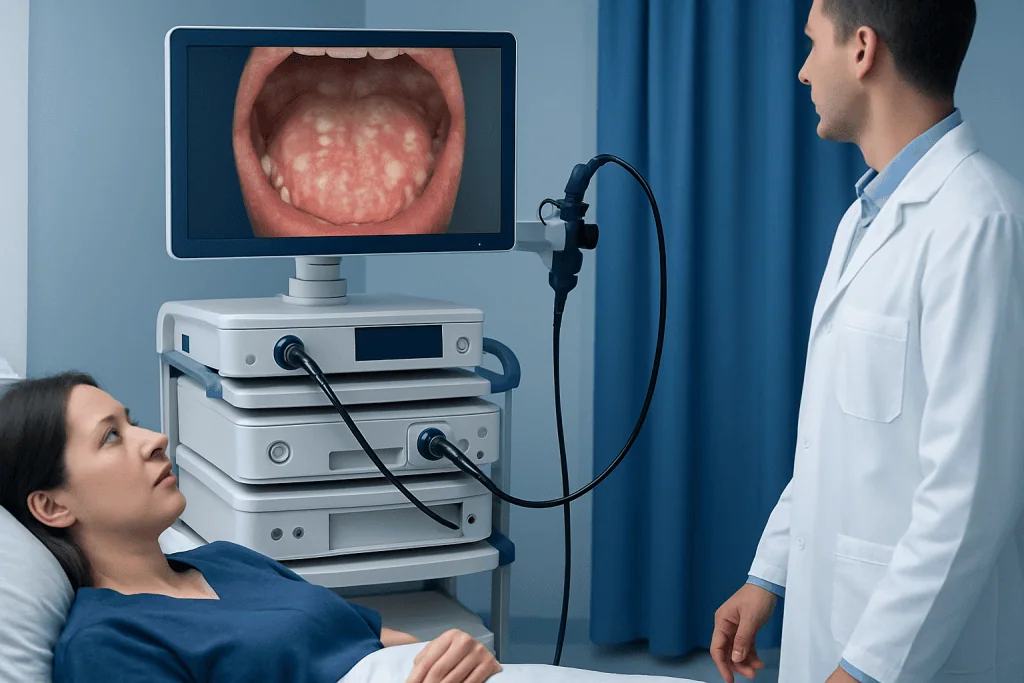
The symptoms of thrush in mouth vary from mild to bothersome. White or cream-colored patches are common, and they may look like cottage cheese. Underneath these patches, the tissue may appear red and may bleed slightly if rubbed. Some people have soreness without obvious white plaques, particularly if they wear dentures.
Other symptoms can include a burning feeling, cracks at the corners of the mouth, reduced sense of taste, or a dry or unpleasant feeling in the mouth. In more uncomfortable cases, eating spicy or acidic foods may sting. If the yeast affects the throat or esophagus, swallowing may become painful or feel as if food is sticking.
- Creamy white patches on the tongue, cheeks, gums, or palate
- Redness, tenderness, or a burning mouth sensation
- Cracking at the corners of the lips
- Altered taste or a cottony feeling in the mouth
- Pain with eating or swallowing
- Redness beneath dentures
These symptoms can overlap with other mouth conditions, including irritation from dental appliances, canker sores, or other infections. That is one reason professional diagnosis matters, especially if symptoms are severe, last longer than expected, or return after treatment.
Why it happens: causes and risk factors
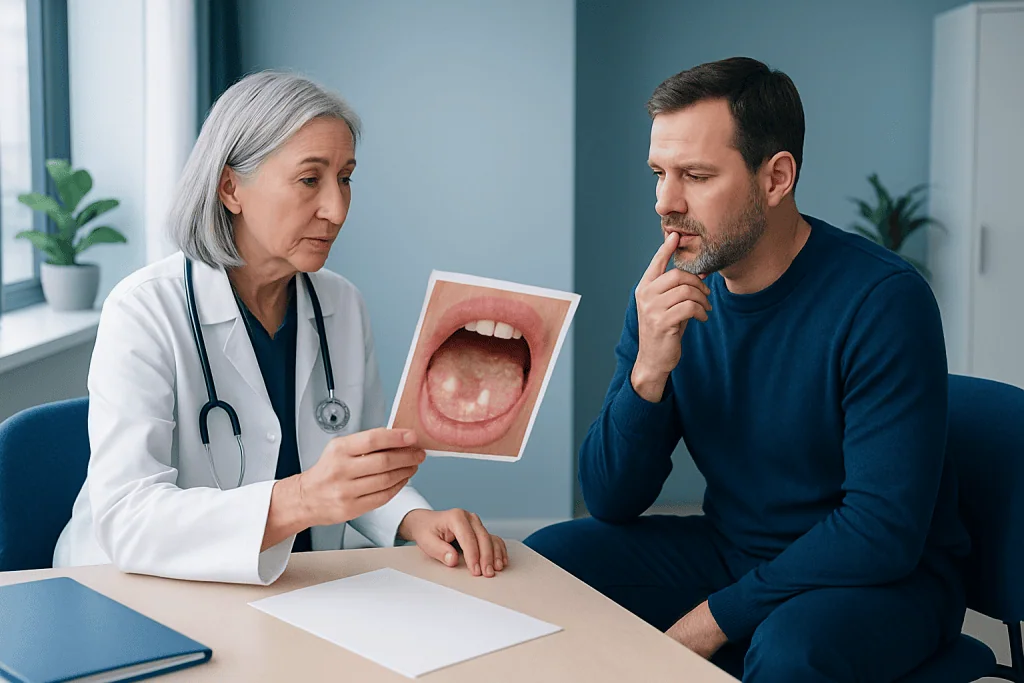
Thrush in mouth develops when the normal balance of microorganisms in the mouth changes. Candida can grow more easily when the mouth is dry, when healthy bacteria are reduced, or when the immune system is less able to keep yeast under control. Antibiotics are a common trigger because they can reduce the bacteria that usually help limit yeast growth.
Several medicines and health conditions increase risk. Inhaled corticosteroids used for asthma or other lung conditions can leave medication in the mouth if a spacer is not used or the mouth is not rinsed after each dose. Diabetes, especially if blood sugar is not well controlled, can create an environment that favors yeast growth. People receiving chemotherapy, those living with immune suppression, and older adults may also be more vulnerable.
Local factors matter too. Dentures that do not fit well, are worn overnight, or are not cleaned properly can trap moisture and yeast against the gums. Smoking, poor oral hygiene, and dry mouth from medications or medical conditions can all contribute. Sometimes thrush appears alongside related mucosal problems that require a broader review by a clinician, including other mouth conditions.
- Recent antibiotic use
- Inhaled steroid use without proper mouth rinsing
- Dentures, especially if poorly fitting or worn during sleep
- Dry mouth from medicines, dehydration, or gland disorders
- Diabetes
- Smoking
- Infancy, older age, or weakened immunity
How doctors diagnose oral thrush
Diagnosis often begins with a careful look inside the mouth and a review of symptoms, medications, and medical history. In many cases, the appearance and distribution of the patches are enough for a clinician to make a working diagnosis. The doctor or dentist may ask about recent antibiotics, steroid inhalers, denture use, dry mouth, diabetes, and any swallowing symptoms.
If the diagnosis is uncertain, a sample may be taken from the affected area and examined for yeast. Additional tests may be considered if thrush is severe, recurring, or not improving as expected. For example, a clinician may recommend checking blood sugar levels, reviewing immune-related conditions, or examining for esophageal involvement if swallowing is painful.
Because white patches in the mouth can have several causes, persistent lesions should not be self-diagnosed. Assessment by specialists in dentistry care or related fields can help distinguish thrush from irritation, inflammatory conditions, or other problems that need different treatment. Clear diagnosis supports safer and more effective management.
Treatment options and what recovery usually involves
Treatment for thrush in mouth usually combines antifungal therapy with attention to the cause. A doctor may prescribe an antifungal liquid, gel, lozenge, or tablet, depending on the patient’s age, symptoms, and overall health. It is important to use the medication exactly as directed and to complete the full course even if symptoms begin to improve sooner.
Just as important is reducing the factors that allow yeast to thrive. Dentures should be cleaned thoroughly and removed at night unless a clinician advises otherwise. People who use inhaled steroids are usually advised to rinse the mouth after each use, and sometimes to review inhaler technique. If dry mouth, diabetes, or another condition is contributing, that issue should be addressed as part of treatment.
Most cases improve within days to a couple of weeks, but persistent or repeated infections may need further evaluation. If swallowing is painful or if there is concern that the infection extends beyond the mouth, specialists may recommend further assessment through endoscopy or care coordinated with internal medicine. Near the end of the care pathway, some international patients may seek evaluation at Acibadem International, where multidisciplinary specialists in JCI-accredited hospitals diagnose and treat conditions affecting the mouth and digestive tract.
Recovery is usually straightforward when the diagnosis is correct and the triggers are addressed. However, if symptoms return soon after treatment, this should prompt review rather than repeated self-treatment. Recurrent episodes may reflect an unresolved local problem, medication effect, or a broader health issue that deserves attention.
Self-care and prevention strategies
Good daily mouth care helps reduce the chance of thrush coming back. Brushing the teeth and tongue regularly, cleaning dentures carefully, and attending dental checkups can help maintain a healthier oral environment. If a person wears dentures, they should fit properly, be removed overnight when advised, and be disinfected according to professional guidance.
People who use inhaled corticosteroids can often lower their risk by using a spacer if appropriate and rinsing or brushing after each dose. Staying well hydrated may help if dry mouth is a problem. In some cases, a doctor or dentist may review medications that reduce saliva or suggest approaches to support moisture in the mouth.
- Brush teeth and clean the mouth regularly
- Clean and store dentures properly; avoid wearing them overnight unless advised
- Rinse the mouth after using steroid inhalers
- Manage blood sugar carefully if living with diabetes
- Avoid smoking if possible
- Seek advice for ongoing dry mouth or repeated infections
Self-care is useful, but home measures alone may not clear an established fungal infection. If symptoms do not improve, if they are severe, or if the diagnosis is uncertain, professional care is the safer option.
When to seek medical care
Medical care is advisable if white patches, soreness, or burning in the mouth last more than a few days, are spreading, or make eating and drinking difficult. A doctor or dentist should also evaluate symptoms that keep returning, especially in adults who have no obvious trigger such as recent antibiotics or inhaled steroid use. Painful swallowing or the sense that food is sticking should be assessed promptly.
People with diabetes, cancer treatment, organ transplants, HIV, or other causes of weakened immunity should seek care early if oral symptoms appear. Babies who are feeding poorly, older adults with denture-related soreness, and anyone with dehydration or unexplained weight loss also benefit from timely review. Persistent mouth changes may sometimes need assessment alongside ENT evaluation if the throat is involved or if the diagnosis is not clear.
Urgent care may be needed if swallowing becomes difficult, fluid intake drops, or there are signs of severe illness. While oral thrush is often treatable and manageable, proper diagnosis is the best way to prevent complications and identify any underlying health issue.
Frequently asked questions
Is thrush in mouth contagious?
Thrush in mouth is not usually considered highly contagious in the way a cold is. Candida often already lives naturally in the body, and infection usually happens when the balance in the mouth changes. Even so, good oral hygiene and avoiding sharing items such as toothbrushes is sensible.
Can oral thrush go away on its own?
Mild cases may improve if the trigger is removed, such as finishing an antibiotic course or improving denture hygiene. However, many people need antifungal treatment to fully clear the infection. If symptoms persist or return, medical advice is important.
What does thrush in mouth look like?
It often appears as creamy white patches on the tongue, inner cheeks, gums, or roof of the mouth. The tissue underneath may look red or feel sore, and the corners of the lips can crack. Some people have more redness and burning than obvious white patches.
Why do steroid inhalers sometimes cause oral thrush?
A small amount of steroid medicine can remain in the mouth after inhalation. This can reduce local immune defenses and allow yeast to grow more easily. Rinsing the mouth after each use and checking inhaler technique can help lower the risk.
Who is more likely to get thrush in mouth?
Infants, older adults, denture wearers, and people taking antibiotics or inhaled steroids are more likely to develop it. Risk is also higher in those with diabetes, dry mouth, smoking exposure, or weakened immunity. Recurrent episodes deserve medical review.
Can thrush in mouth affect swallowing?
Yes, if the infection extends farther back into the throat, swallowing may become painful or uncomfortable. Some people describe a sticking sensation when eating. This symptom should be assessed by a doctor, especially if drinking becomes difficult.
This article is for general information only and is not a substitute for professional medical advice. Please consult a qualified doctor about your individual situation.
Explore treatments in Turkey — costs, top hospitals & a free quote
JCI-accredited · board-certified surgeons · reply within 24h
Add us as a Preferred Source to see more of our trusted health content across Google Search, AI Overviews and Discover.

More from the Health Library

Catheter: A Complete Medical Overview

Breasts and Pus: What Patients Need to Know

Macadamia Nuts — Explained by Medical Evidence, Not Myths

Fire Ant Bites — Explained by Medical Evidence, Not Myths

Prenatal Depression — Explained by Medical Evidence, Not Myths