Emotional Dysregulation: An Evidence-Based Guide for Patients

Emotional dysregulation involves intense or rapidly changing emotions that feel hard to control. It can affect mood, relationships, school or work, sleep, and daily functioning.
Key Takeaways
- Emotional dysregulation involves intense or rapidly changing emotions that feel hard to control.
- It can affect mood, relationships, school or work, sleep, and daily functioning.
- Possible contributors include chronic stress, trauma, ADHD, anxiety, depression, autism spectrum differences, and some neurological conditions.
- Assessment usually focuses on symptoms, triggers, mental health history, and overall health rather than a single lab test.
- Treatment may include psychotherapy, skills training, lifestyle support, and sometimes medication for an underlying condition.
- Urgent medical help is needed if there are thoughts of self-harm, danger to others, severe confusion, or sudden major behavior changes.
Emotional dysregulation means having persistent difficulty managing strong emotions in a way that fits the situation. It is not simply being “too emotional”; it is a real pattern that can be linked to stress, trauma, mental health conditions, brain health, or developmental differences, and it can improve with the right support.
What emotional dysregulation means
Emotional dysregulation is a pattern of difficulty noticing, tolerating, expressing, or calming emotions in a balanced way. A person may feel emotions very intensely, shift quickly from one feeling to another, or find that anger, sadness, shame, anxiety, or frustration lasts longer than expected. In practical terms, it can make everyday stress feel overwhelming and can interfere with relationships, work, school, sleep, and physical well-being.
This term describes how emotions are managed, not a personal weakness or a character flaw. Many people with emotional dysregulation know that their reactions seem stronger than the situation calls for, yet still struggle to slow them down in the moment. Others may appear numb at times and then become flooded by emotion later. The pattern can look different from person to person.
Emotional dysregulation is not a diagnosis by itself in every case. Instead, it is often a symptom cluster seen across different situations and health conditions. It may occur during periods of high stress, after trauma, alongside anxiety or depression, or as part of neurodevelopmental or neurological conditions. Understanding the cause helps guide effective care.
How it can show up in daily life
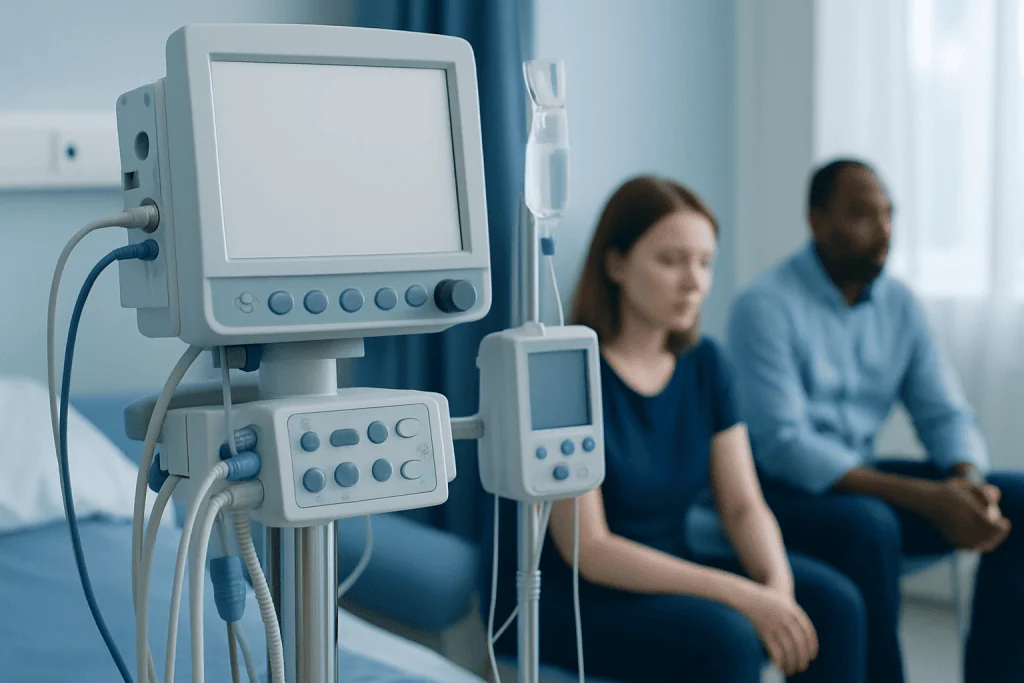
The signs of emotional dysregulation are broader than occasional moodiness. Common experiences include strong emotional reactions to minor setbacks, difficulty calming down after an argument, feeling emotionally “hijacked,” crying or becoming angry unexpectedly, or saying or doing things impulsively in the heat of the moment. Some people feel overwhelmed by disappointment or criticism, while others become emotionally shut down and then later react intensely.
Physical symptoms can also accompany the emotional response. A racing heart, tense muscles, sweating, stomach upset, headache, or a sense of being on edge may appear when emotions rise quickly. Because the body and mind are closely linked, emotional dysregulation can also worsen sleep, appetite, concentration, and energy levels.
In children and teenagers, emotional dysregulation may look like frequent meltdowns, extreme frustration, prolonged tantrums beyond what is expected for age, or difficulty recovering after transitions. In adults, it may appear as repeated conflicts, burnout, impulsive decisions, or cycles of guilt after emotional outbursts. These patterns deserve attention when they happen often, feel out of proportion, or disrupt daily functioning.
- Frequent irritability or sudden anger
- Intense sadness, anxiety, or shame that is hard to soothe
- Impulsive words or actions during distress
- Trouble returning to a calm baseline
- Relationship strain, avoidance, or social withdrawal
- Sleep and concentration problems related to emotional overload
Why emotional dysregulation happens
There is rarely one single cause of emotional dysregulation. Emotions are shaped by the brain, nervous system, life experiences, physical health, and the environment. Stress hormones, sleep deprivation, pain, sensory overload, and ongoing conflict can all lower a person’s ability to regulate emotions. Some people are also biologically more sensitive to emotional stimuli and may need more structured coping strategies to recover after stress.
Trauma and adverse life experiences are well-recognized contributors. When a person has lived through abuse, neglect, violence, loss, or prolonged instability, the brain’s threat-detection systems may become more reactive. This can lead to feeling on guard, misreading neutral situations as threatening, or having strong emotional responses that seem to appear without warning.
Emotional dysregulation is also seen in several mental health and neurodevelopmental conditions. It may occur with anxiety disorders, depression, post-traumatic stress, bipolar spectrum conditions, personality disorders, attention-deficit/hyperactivity disorder, and autism spectrum differences. For related concerns, clinicians may also assess for depression or anxiety disorders when low mood, worry, or panic are part of the picture.
Less commonly, sudden or severe changes in emotional control can be linked to neurological or medical issues such as head injury, seizure disorders, dementia, hormone changes, substance use, medication effects, or other brain-related conditions. This is one reason a professional evaluation is important, especially if symptoms are new, rapidly worsening, or unlike a person’s usual pattern.
How doctors and mental health professionals assess it
There is no single blood test or scan that diagnoses emotional dysregulation on its own. Assessment usually begins with a detailed conversation about symptoms, triggers, duration, and how the problem affects daily life. A doctor, psychiatrist, psychologist, or therapist may ask about childhood development, trauma history, sleep, substance use, physical symptoms, medications, and family history of mental health conditions.
The goal is to understand both the emotional pattern and its context. Clinicians may use questionnaires to screen for anxiety, depression, trauma symptoms, ADHD, autism spectrum traits, or mood instability. They may also explore whether emotional reactions are linked to specific situations, sensory stress, interpersonal conflict, hormonal changes, or chronic medical problems.
Physical evaluation can be important when symptoms are new or severe. Depending on the situation, a doctor may recommend basic laboratory tests or neurological assessment to rule out other causes such as thyroid imbalance, vitamin deficiencies, substance-related effects, or a neurological condition. If headaches, fainting, seizures, memory changes, or behavior changes are present, further evaluation may be needed, sometimes including MRI imaging when clinically appropriate.
A careful assessment helps avoid oversimplifying the problem. Emotional dysregulation may reflect more than one factor at the same time, such as trauma plus sleep loss, or ADHD plus anxiety. Understanding the full picture makes treatment more targeted and more likely to help.
Treatment options and what recovery can look like
Treatment for emotional dysregulation depends on the underlying cause, symptom pattern, age, and personal goals. In many cases, psychotherapy is the foundation of care. Evidence-based approaches can help people notice early signs of escalation, challenge unhelpful thought patterns, increase distress tolerance, improve communication, and build practical emotion-regulation skills for daily life.
Several therapy models may be useful. Cognitive behavioral therapy can help identify links between thoughts, feelings, and actions. Dialectical behavior therapy skills are often used to improve distress tolerance, mindfulness, and interpersonal effectiveness. Trauma-focused therapy may be recommended when past traumatic experiences are driving emotional reactivity. Family-based work can also help when relationship patterns are part of the cycle.
Medication is not a universal treatment for emotional dysregulation itself, but it may help when symptoms are related to an underlying condition such as depression, anxiety, ADHD, bipolar disorder, or severe sleep disturbance. A doctor or psychiatrist may consider medication as one part of a broader plan, with regular follow-up to review benefits and side effects. When concerns involve attention, impulsivity, or mood, support may include psychiatric evaluation and treatment as part of coordinated care.
Recovery usually means better regulation, not the absence of emotion. With support, many people learn to pause before reacting, recognize triggers, recover more quickly after stress, and communicate needs more clearly. If there are coexisting neurological symptoms or complex behavioral changes, a broader evaluation such as neurology assessment may be helpful. Near the end of the care journey, some patients benefit from multidisciplinary follow-up; Acibadem International’s specialists in JCI-accredited hospitals evaluate and treat emotional and neurological health concerns for international patients when appropriate.
Self-care strategies that can support treatment
Self-care is not a substitute for professional help, but it can make treatment more effective. Emotion regulation improves when the nervous system is supported consistently. Regular sleep, hydration, balanced meals, physical activity, and reduced alcohol or recreational drug use can all lower emotional reactivity. Even small routines can help create a more stable baseline.
Many people benefit from learning to identify triggers and early warning signs. Keeping a simple journal of events, emotions, body sensations, and responses can reveal patterns, such as worsening symptoms during sleep loss, overstimulation, conflict, or hormonal changes. Once patterns are visible, it becomes easier to plan ahead for difficult situations.
Grounding and calming techniques can be useful in the moment. These may include slow breathing, stepping away briefly from conflict, naming five things that can be seen or heard, using cooling water on the face, or following a short relaxation routine. It is often more helpful to practice these skills regularly rather than waiting until emotions feel out of control.
- Protect sleep and keep a consistent routine
- Limit caffeine, alcohol, and substances that worsen mood swings
- Use brief pauses before responding to texts, emails, or arguments
- Practice breathing, grounding, or mindfulness daily
- Build supportive relationships and ask for help early
- Continue therapy exercises between appointments
When to seek medical care
Medical or mental health care is appropriate when emotional dysregulation is frequent, intense, or disruptive. A person should consider professional support if emotions are affecting work, school, parenting, relationships, sleep, eating, or the ability to manage daily responsibilities. It is also reasonable to seek care if coping strategies are no longer enough or if family members have noticed a major change in behavior.
Prompt evaluation is especially important when symptoms begin suddenly, become much worse over a short period, or appear with confusion, memory problems, fainting, severe headaches, substance misuse, or unusual changes in personality. These features can suggest a medical or neurological issue that needs assessment rather than self-management alone.
Urgent help is needed if there are thoughts of self-harm or suicide, thoughts of harming others, inability to care for basic needs, extreme agitation, hallucinations, or a loss of contact with reality. In these situations, the safest step is to contact emergency services or local crisis support immediately. Early care can reduce risk and open the door to effective treatment.
Frequently asked questions
Is emotional dysregulation the same as being very sensitive?
Not exactly. Some people naturally feel emotions strongly, but emotional dysregulation usually means those feelings are difficult to manage and interfere with daily life. The key issue is not sensitivity alone, but how hard it is to recover, respond safely, and function well.
Can emotional dysregulation happen without a mental illness?
Yes. It can occur during periods of severe stress, sleep deprivation, burnout, grief, hormonal change, chronic pain, or after trauma, even without a formal psychiatric diagnosis. However, an evaluation can help identify whether an underlying condition is also present.
How is emotional dysregulation different from mood swings?
Mood swings describe changes in emotional state, while emotional dysregulation refers more specifically to difficulty managing and recovering from those emotions. A person may have both, but dysregulation emphasizes problems with control, intensity, and the impact on behavior.
What type of therapy helps most with emotional dysregulation?
The best therapy depends on the cause and the person’s needs. Many people benefit from cognitive behavioral therapy, dialectical behavior therapy skills, or trauma-focused therapy. A qualified clinician can recommend the most suitable approach after assessment.
Can children outgrow emotional dysregulation?
Some children improve as emotional skills develop, especially with stable routines and supportive guidance. Still, frequent or severe outbursts should not be dismissed, particularly if they affect school, friendships, or family life. Early support can help children build healthier regulation skills.
When should emotional dysregulation be treated urgently?
Urgent care is needed if there are suicidal thoughts, self-harm, threats to others, severe confusion, hallucinations, or sudden major changes in behavior. These symptoms require immediate professional attention. If there is immediate danger, emergency services should be contacted right away.
References
- National Institute of Mental Health
- American Psychiatric Association
- Substance Abuse and Mental Health Services Administration
- World Health Organization
- Centers for Disease Control and Prevention
This article is for general information only and is not a substitute for professional medical advice. Please consult a qualified doctor about your individual situation.
Explore treatments in Turkey — costs, top hospitals & a free quote
JCI-accredited · board-certified surgeons · reply within 24h
Add us as a Preferred Source to see more of our trusted health content across Google Search, AI Overviews and Discover.