Triage: What Patients Need to Know

Triage is a medical prioritization system based on urgency, not arrival time alone. A triage nurse or clinician reviews symptoms, vital signs, and warning signs to assign priority.
Key Takeaways
- Triage is a medical prioritization system based on urgency, not arrival time alone.
- A triage nurse or clinician reviews symptoms, vital signs, and warning signs to assign priority.
- Patients with severe breathing problems, chest pain, stroke symptoms, major injuries, or altered consciousness are usually seen first.
- Wait times can change because a patient’s condition may improve or worsen after arrival.
- Triage may happen in emergency departments, urgent care centers, disaster settings, and by phone or telehealth.
- Patients should seek urgent medical care right away for severe or rapidly worsening symptoms.
Triage is the process healthcare teams use to decide how quickly a patient needs medical attention based on symptoms, vital signs, and overall risk. It does not decide who is more important; it helps make sure the most urgent problems are treated first while keeping every patient as safe as possible.
Overview: what triage means in healthcare
Triage is the clinical process used to sort patients by how urgently they need care. In practice, it helps doctors and nurses identify who needs immediate treatment, who can safely wait a short time, and who may be suitable for less urgent care. The goal is simple: to protect patient safety by matching medical attention to the seriousness of the problem.
Many people expect care to be delivered strictly in the order of arrival, but emergency and urgent care services work differently. A person who arrives later with severe breathing difficulty, signs of a stroke, or heavy bleeding will usually be seen before someone with a minor injury or mild symptoms. This can feel confusing or frustrating, but it reflects a standard medical system designed to reduce harm.
Triage is not limited to the emergency room. It can also be used in urgent care clinics, ambulance services, outpatient call centers, disaster situations, and telehealth. In every setting, the principles are similar: assess symptoms quickly, look for warning signs, estimate risk, and direct the patient to the right level of care.
How the triage process works
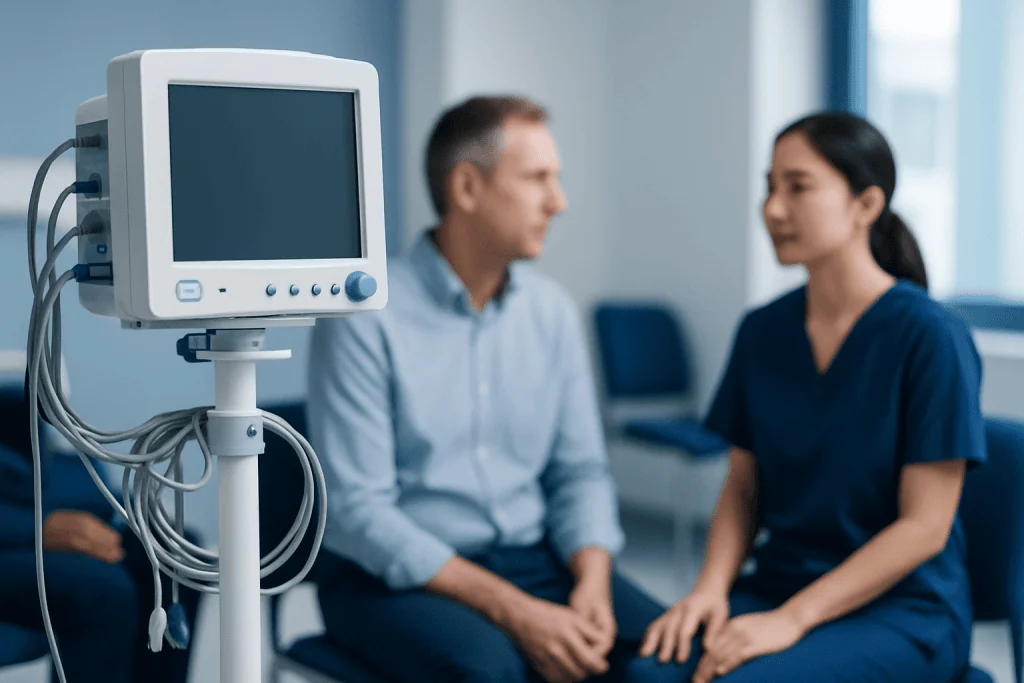
In most hospitals, triage begins soon after arrival. A triage nurse or another trained clinician asks about the main complaint, when symptoms started, relevant medical history, allergies, medications, and recent events such as injury, travel, or infection exposure. They also check vital signs such as temperature, pulse, blood pressure, breathing rate, and oxygen levels.
This first assessment is usually brief but focused. The clinician looks for signs that suggest immediate danger, including severe pain, confusion, blue lips, uncontrolled bleeding, fainting, or neurological changes. Depending on what is found, the patient may be taken directly for urgent care, placed in a monitored area, or asked to wait for further evaluation.
Hospitals often use a structured triage scale with levels ranging from immediately life-threatening to non-urgent. The exact system may vary by country or institution, but the purpose is the same: to make decision-making more consistent and safer. Triage can also be repeated during the visit because a patient’s condition can change over time.
In some cases, triage includes early tests or treatment while the patient waits. For example, a person with chest pain may have an electrocardiogram and blood tests, and someone with a possible fracture may be sent for MRI scan or another imaging study if clinically appropriate. Early steps like these can help speed diagnosis and guide the next stage of care.
What healthcare teams look for during triage

Triage decisions are based on more than the symptom itself. Clinicians consider how severe the symptom is, how quickly it started, whether it is getting worse, and whether there are danger signs. They also look at age, pregnancy, chronic medical conditions, immune system problems, recent surgery, and other factors that can increase risk.
Vital signs are especially important because they may show that a person is sicker than they appear. A very fast heart rate, low blood pressure, low oxygen level, high fever, or rapid breathing can all change the urgency level. Mental status also matters; confusion, unusual sleepiness, agitation, or difficulty responding may signal a serious problem.
Examples of symptoms that often receive high-priority triage include chest pain, severe shortness of breath, sudden weakness on one side, seizure, severe allergic reaction, major trauma, and heavy bleeding. Patients with severe abdominal pain or signs of heart attack may also need immediate attention. Lower-priority triage may include mild sprains, minor cuts, sore throat without breathing problems, or stable long-standing symptoms.
Triage is not a final diagnosis. It is an early safety assessment that helps direct care. A patient who is initially classified as lower urgency should still alert staff if symptoms become worse while waiting, since a new symptom or vital sign change may require the triage level to be updated.
Why wait times can vary
One of the most common questions patients ask is why someone who arrived later was called first. The main reason is that triage prioritizes clinical urgency rather than arrival order. Emergency departments must remain ready to respond to life-threatening conditions at any time, including ambulance arrivals and sudden deterioration in patients already being treated.
Wait times also depend on how many patients need high-level care, how complex each case is, whether imaging or lab testing is required, and how many beds or specialists are available. A patient with a minor injury may wait longer during a busy period if several people arrive with severe illness or trauma.
Tests can add time even after a patient is seen. Blood work, imaging, observation, and consultation with specialists may all be necessary before a diagnosis is clear. For example, symptoms such as headache, weakness, or dizziness may sometimes lead to a brain MRI or other neurological evaluation when the clinical team needs more information.
Although waiting can be stressful, it is important for patients to tell staff if symptoms change. New chest pressure, worsening pain, fainting, bleeding, breathing trouble, or confusion should be reported immediately. Reassessment is a normal part of safe triage and can change the order in which care is delivered.
Different types of triage patients may encounter
People often think only of emergency room triage, but there are several forms. Emergency department triage happens after arrival at the hospital. Prehospital triage occurs in the ambulance or at the scene of an emergency, where paramedics decide how urgently transport and treatment are needed.
Telephone triage is another common type. A nurse or clinician asks structured questions over the phone to decide whether home care, a clinic visit, urgent care, or emergency treatment is most appropriate. This approach can help patients get to the right service quickly, but it cannot replace an in-person examination when serious symptoms are possible.
Disaster or mass-casualty triage is used when many injured people need help at the same time. In that setting, teams must make very rapid decisions to do the greatest good for the largest number of patients. The principles differ somewhat from routine hospital triage because available staff and resources may be limited.
Specialty triage may also be used in stroke, trauma, cardiac, pediatric, and obstetric care pathways. For example, a person with suspected brain tumor symptoms or sudden neurological changes may be fast-tracked for urgent assessment and imaging. These pathways help hospitals respond quickly when timing is especially important.
What patients can do during triage and while waiting
Patients can help the triage process by giving clear, accurate information. It is useful to describe what happened, when symptoms started, what makes them better or worse, and whether similar symptoms have happened before. Bringing a list of medications, allergies, medical conditions, and recent test results can also support safer and more efficient care.
It is best not to minimize or exaggerate symptoms. Clear communication helps the clinical team make the best decision. Patients should mention pregnancy, blood thinner use, immune suppression, recent operations, implanted devices, or conditions such as diabetes, heart disease, or seizures, since these details may affect urgency and treatment choices.
While waiting, patients should follow staff instructions, stay available to be called, and avoid eating or drinking unless permitted. Some people may need imaging, procedures, or anesthesia later in the visit, and food or drink can interfere with safe planning. If pain, breathing, weakness, or bleeding gets worse, staff should be informed immediately.
When ongoing assessment is needed, the medical team may arrange blood tests, CT scan, electrocardiography, or referral to specialists. Near the end of the care pathway, some international patients may choose centers such as Acibadem International, where multidisciplinary specialists in JCI-accredited hospitals diagnose and treat urgent and complex conditions in a coordinated way.
When to seek medical care
Emergency medical care is appropriate when symptoms suggest a serious or rapidly worsening condition. Examples include trouble breathing, chest pain or pressure, signs of stroke such as facial drooping or sudden speech difficulty, severe allergic reaction, seizure, loss of consciousness, heavy bleeding, major burns, severe head injury, or sudden confusion. In these situations, patients should seek emergency help without delay.
Urgent same-day medical evaluation may be needed for high fever with weakness, dehydration, worsening abdominal pain, persistent vomiting, moderate injuries, or symptoms that are severe enough to interfere with normal function but are not immediately life-threatening. Parents should seek prompt medical advice for infants or children who are unusually sleepy, breathing fast, not drinking, or hard to wake.
Routine care may be suitable for mild, stable symptoms such as minor colds, uncomplicated medication questions, small skin issues, or long-standing problems that are not changing. When it is unclear which level of care is appropriate, calling a healthcare provider or nurse advice line can help. If a person has risk factors or feels that something is seriously wrong, it is safer to seek medical attention.
Frequently asked questions
What is triage in simple terms?
Triage is the system healthcare teams use to decide how quickly a patient needs treatment. It is based on medical urgency, not simply who arrived first.
Does triage mean the hospital is refusing care?
No. Triage does not deny care; it helps organize care safely. Every patient is assessed, but people with the most urgent problems are treated first.
Who performs triage?
Triage is usually performed by a trained nurse, doctor, paramedic, or another qualified clinician. They use symptoms, vital signs, and clinical judgment to assign a priority level.
Can a triage level change after the first assessment?
Yes. Triage is not fixed, and the level can change if symptoms improve or worsen. Patients should tell staff right away if they develop new pain, breathing trouble, bleeding, confusion, or weakness while waiting.
Why are some patients taken in before others who arrived earlier?
Emergency care is based on urgency, not arrival order alone. A person with signs of stroke, heart attack, severe injury, or breathing difficulty may need immediate treatment, even if they arrived later.
Is triage the same as a diagnosis?
No. Triage is an early assessment to identify risk and prioritize care. The diagnosis usually comes later after examination, testing, monitoring, and sometimes imaging or specialist review.
References
- World Health Organization
- American College of Emergency Physicians
- Centers for Disease Control and Prevention
- National Health Service
- Agency for Healthcare Research and Quality
This article is for general information only and is not a substitute for professional medical advice. Please consult a qualified doctor about your individual situation.
Explore treatments in Turkey — costs, top hospitals & a free quote
JCI-accredited · board-certified surgeons · reply within 24h
Add us as a Preferred Source to see more of our trusted health content across Google Search, AI Overviews and Discover.
Check your numbers in seconds
BMI, calories, due date, blood pressure and 30+ more clinical calculators — free, instant, doctor-reviewed ranges.