Sarcoma: Symptoms, Causes, and Treatment Options
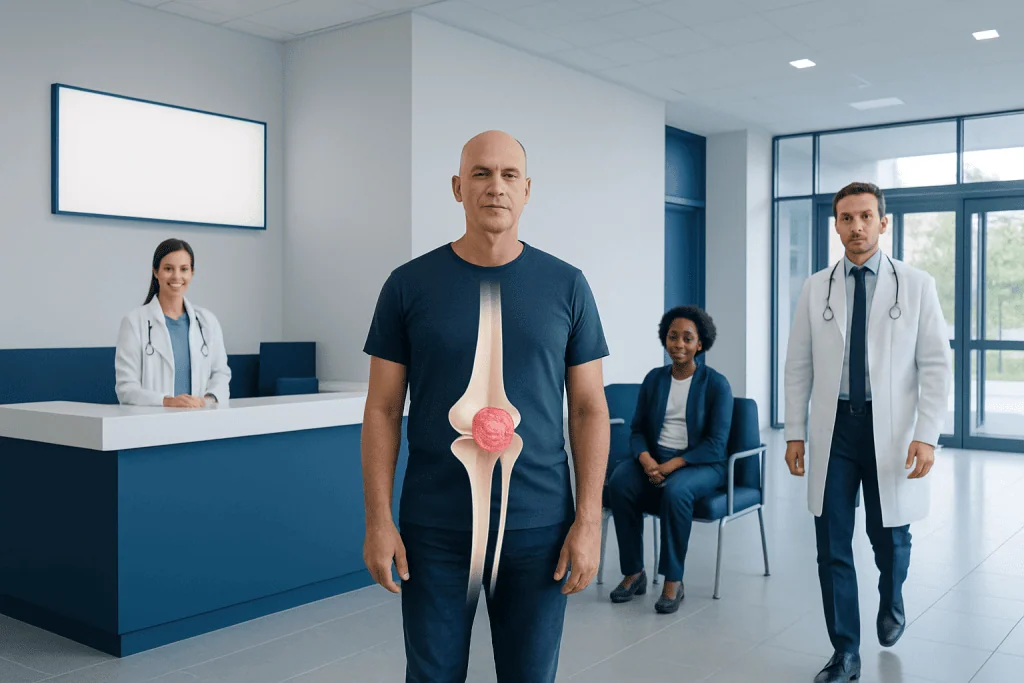
Sarcoma can start in soft tissues or bone and often appears as a painless lump or persistent bone pain. Early evaluation matters, especially for a growing mass, unexplained swelling, or pain that does not improve.
Key Takeaways
- Sarcoma can start in soft tissues or bone and often appears as a painless lump or persistent bone pain.
- Early evaluation matters, especially for a growing mass, unexplained swelling, or pain that does not improve.
- Diagnosis usually combines imaging, biopsy, and pathology review to identify the exact sarcoma subtype.
- Treatment is individualized and may include surgery, radiation therapy, chemotherapy, or other systemic therapies.
- Many symptoms are caused by non-cancerous conditions, but a doctor should assess warning signs promptly.
Sarcoma is a rare group of cancers that begin in connective tissues such as muscle, fat, blood vessels, nerves, cartilage, or bone. Treatment depends on the sarcoma type, location, size, and stage, and often involves surgery, radiation therapy, chemotherapy, or targeted treatments planned by a multidisciplinary cancer team.
What is sarcoma?
Sarcoma is a rare type of cancer that starts in the body’s connective tissues. These tissues include muscle, fat, tendons, fibrous tissue, blood vessels, nerves, cartilage, and bone. Because connective tissues are found throughout the body, sarcoma can develop in many different locations, most often in the arms, legs, chest, abdomen, pelvis, or bones.
Doctors usually group sarcomas into two broad categories: soft tissue sarcomas and bone sarcomas. There are many subtypes within each group, and each can behave differently. This is one reason why careful diagnosis is so important. A tumor’s exact subtype, grade, size, and whether it has spread help guide treatment decisions.
Sarcoma is different from the more common cancers that begin in organs such as the breast, lung, colon, or prostate. While it is uncommon, specialized care matters because diagnosis and treatment often require coordination between imaging experts, pathologists, surgeons, medical oncologists, and radiation oncologists. In some cases, a person may also need rehabilitation, pain management, or reconstructive support after treatment.
How sarcoma may present
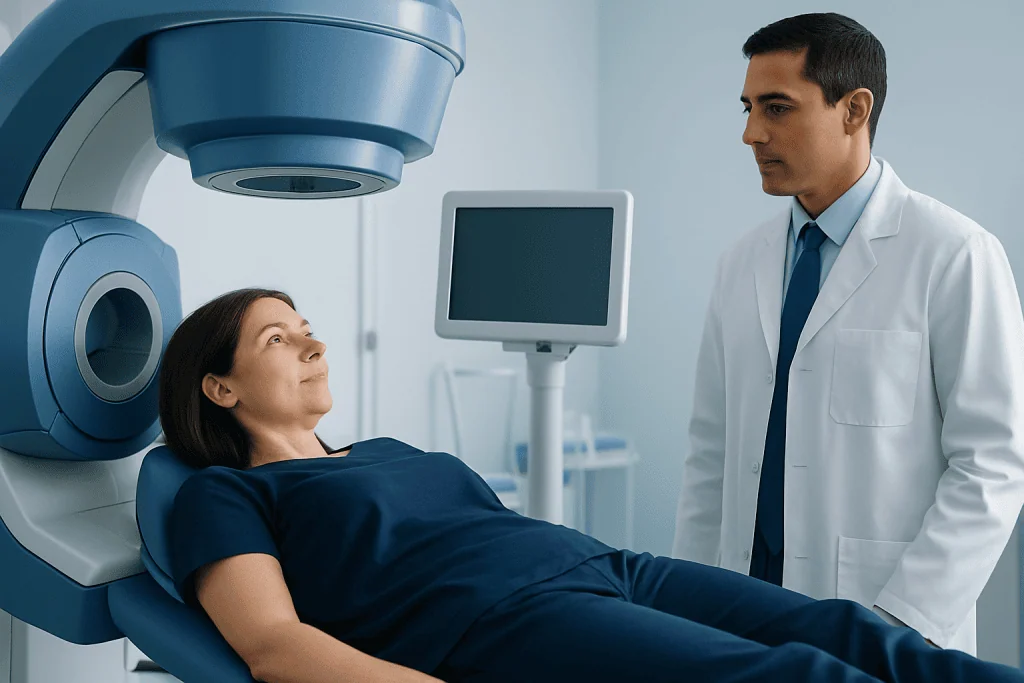
The symptoms of sarcoma vary widely depending on where the tumor begins. Many soft tissue sarcomas cause a lump or swelling that may be painless at first. Because these growths can develop slowly and may not immediately interfere with daily life, some people do not seek care until the mass becomes larger or starts pressing on nearby nerves, muscles, or organs.
Bone sarcomas often cause pain in the affected area. This pain may begin as occasional discomfort and become more persistent over time, especially at night or during activity. In some cases, the bone can weaken, increasing the risk of a fracture after a minor injury or even normal movement.
Depending on the location, other symptoms may include:
- A growing lump, especially one larger than about 5 centimeters
- Pain, tenderness, or a feeling of pressure
- Swelling near a joint or reduced range of motion
- Abdominal pain, bloating, or a sense of fullness if the tumor is deep in the abdomen
- Cough, shortness of breath, or chest discomfort in certain situations
- Unexplained fatigue or weight loss, although these are less specific symptoms
Most lumps and aches are not sarcoma. Common benign conditions such as lipomas, cysts, sports injuries, arthritis, or inflammation are much more frequent causes. Even so, any lump that is growing, deep, painful, or persistent should be assessed by a qualified doctor.
Causes and risk factors

In many people, there is no clear reason why sarcoma develops. Sarcoma is not caused by a single lifestyle factor, and in most cases it does not result from anything a person did or did not do. Cancer begins when genetic changes occur in cells and allow them to grow uncontrollably. In sarcoma, these changes may happen spontaneously or, more rarely, in connection with inherited conditions or past exposures.
Some factors can increase risk. These include certain inherited syndromes, previous radiation therapy for another cancer, long-term lymphedema, and exposure to a small number of industrial chemicals. A family history of certain rare cancer syndromes may also matter. However, having a risk factor does not mean a person will develop sarcoma, and many people with sarcoma have no known risk factors at all.
Examples of associated risk factors may include:
- Prior radiation treatment to the affected area
- Inherited conditions such as Li-Fraumeni syndrome or neurofibromatosis type 1
- Chronic swelling caused by lymphedema
- Rare exposure to chemicals such as vinyl chloride or certain herbicides
- Some pre-existing bone conditions in specific bone sarcoma cases
Because sarcoma includes many subtypes, risk factors can differ from one person to another. A specialist may recommend genetic counseling or additional evaluation if there is a strong personal or family history of unusual cancers.
How sarcoma is diagnosed
Diagnosis starts with a careful medical history and physical examination. A doctor will ask when symptoms began, whether a lump is growing, and whether there is pain, weakness, or limited movement. Imaging is usually the next step. Ultrasound may help evaluate some superficial masses, but magnetic resonance imaging is often preferred for soft tissue tumors because it shows the relationship between the mass and nearby muscles, nerves, and blood vessels. Bone tumors are often assessed with X-rays, MRI, and sometimes CT scans.
If imaging suggests a suspicious tumor, a biopsy is needed to confirm the diagnosis. This step is essential before treatment planning. In a biopsy, a doctor removes a small tissue sample so that a pathologist can examine the cells under a microscope and perform specialized tests. It is usually best for the biopsy to be planned by the team that will manage the tumor, because biopsy placement can affect later surgery.
Pathology helps determine the sarcoma subtype and grade, which describe how aggressive the tumor appears. Doctors may also use CT scans or other tests to check whether the cancer has spread, often to the lungs or other areas depending on the subtype. When needed, patients may be evaluated through advanced diagnostic imaging and specialized pathology review to improve diagnostic accuracy.
Some people are first told they may have a non-cancerous mass. Others may be evaluated for a related diagnosis such as soft tissue tumors before final pathology confirms whether the tumor is benign or malignant. This is one reason expert review can be valuable when symptoms are unclear or imaging findings are complex.
Treatment options for sarcoma
Sarcoma treatment is individualized. The best approach depends on the type of sarcoma, whether it started in soft tissue or bone, the tumor’s size and location, its grade, and whether it has spread. Many patients are treated by a multidisciplinary team that includes surgical, medical, and radiation oncology specialists. This team-based approach helps balance cancer control with function, mobility, and quality of life.
Surgery is often the main treatment for localized sarcoma. The goal is to remove the tumor completely with a margin of healthy tissue when possible. Limb-sparing surgery is commonly considered for sarcomas in the arms or legs, though the exact operation depends on tumor location and nearby structures. For selected patients, cancer surgery is combined with preoperative or postoperative radiation therapy to lower the chance of local recurrence.
Chemotherapy may be used before surgery, after surgery, or for advanced disease, depending on the sarcoma subtype. Some sarcomas respond better to chemotherapy than others. Radiation therapy may help shrink a tumor before surgery or treat microscopic disease afterward. In advanced or metastatic sarcoma, systemic options can include chemotherapy, targeted therapy, or immunotherapy for carefully selected subtypes.
Bone sarcomas may require more specialized treatment pathways, especially when reconstruction is needed after tumor removal. Some patients may also need rehabilitation, physiotherapy, nutritional support, or psychosocial care during recovery. For people with complex cases, discussion in a tumor board can help ensure that all appropriate options are considered.
Living with sarcoma: follow-up and self-care
After treatment, follow-up care is an important part of sarcoma management. Even when a tumor has been fully removed, regular visits help doctors watch for recurrence, monitor healing, and address side effects. Follow-up may include physical examinations, imaging tests, and, for some patients, chest imaging because certain sarcomas can spread to the lungs.
Recovery can affect both physical and emotional well-being. Some people may experience stiffness, fatigue, weakness, pain, swelling, or changes in mobility after surgery, chemotherapy, or radiation therapy. Rehabilitation can support strength, range of motion, and daily function. It is also common to need practical support for work, exercise, travel, or family life during and after treatment.
Helpful self-care steps may include:
- Attending all scheduled follow-up appointments
- Reporting new pain, swelling, cough, or unexplained weight loss promptly
- Following rehabilitation or physiotherapy advice after treatment
- Eating a balanced diet and staying active as tolerated
- Seeking emotional support from counselors, support groups, or loved ones
There is no guaranteed way to prevent sarcoma, and routine screening is not recommended for the general population. People with a strong inherited risk or a history of prior radiation may benefit from individualized follow-up plans. Near the end of the care pathway, some international patients choose centers such as Acibadem International, where multidisciplinary specialists in JCI-accredited hospitals diagnose and treat sarcoma with coordinated planning.
When to seek medical care
It is sensible to seek medical care for any lump that is growing, feels deep, becomes painful, or does not go away. A doctor should also assess ongoing bone pain, especially pain that worsens at night, limits activity, or continues without a clear injury. These symptoms often have non-cancerous explanations, but they deserve proper evaluation.
Prompt assessment is especially important if there is unexplained swelling, a mass larger than about 5 centimeters, new weakness or numbness near a lump, or repeated symptoms after a previous tumor removal. Anyone with a personal history of radiation treatment or a strong family history of rare cancers should mention this during the visit.
If sarcoma is suspected, referral to an experienced oncology center may help with biopsy planning and treatment coordination. In people whose symptoms could also relate to another cancer, specialists may evaluate overlapping conditions such as bone cancer while confirming the exact diagnosis. Early expert assessment can help avoid delays and support the most appropriate treatment pathway.
Frequently asked questions
Is sarcoma the same as other types of cancer?
No. Sarcoma is a group of cancers that begin in connective tissues such as muscle, fat, nerves, blood vessels, cartilage, and bone. This makes it different from more common cancers that start in organs like the breast, lung, or colon.
What are the first signs of sarcoma?
The first sign is often a painless lump that slowly gets larger, especially in the arm, leg, or trunk. In bone sarcoma, persistent bone pain or swelling may appear first. Symptoms depend on where the tumor is located.
Are most lumps sarcoma?
No. Most lumps are not sarcoma and are more likely to be benign conditions such as lipomas, cysts, or injury-related swelling. Still, any lump that is enlarging, painful, deep, or persistent should be checked by a doctor.
How is sarcoma confirmed?
A biopsy is needed to confirm sarcoma. Imaging tests such as MRI, CT, or X-rays help define the size and location of the tumor, but only tissue analysis can identify the exact subtype and grade.
Can sarcoma be treated successfully?
Many sarcomas can be treated effectively, especially when they are found before they spread. Outcomes depend on the subtype, stage, size, location, and how well the tumor responds to treatment. A specialist team can explain the most appropriate options for an individual case.
Does sarcoma always require chemotherapy?
No. Some sarcomas are treated mainly with surgery, sometimes combined with radiation therapy. Chemotherapy is more useful for certain subtypes or stages, so treatment is tailored rather than the same for everyone.
References
- National Cancer Institute
- American Cancer Society
- National Comprehensive Cancer Network
- World Health Organization
- ESMO Clinical Practice Guidelines
This article is for general information only and is not a substitute for professional medical advice. Please consult a qualified doctor about your individual situation.
Joint and spine care in Turkey — expert assessment & treatment
JCI-accredited · board-certified surgeons · reply within 24h
Add us as a Preferred Source to see more of our trusted health content across Google Search, AI Overviews and Discover.