Intussusception: An Evidence-Based Guide for Patients

Intussusception is most common in infants and young children, but it can also occur in adults. Typical symptoms include sudden, recurring abdominal pain, vomiting, and sometimes blood or mucus in the stool.
Key Takeaways
- Intussusception is most common in infants and young children, but it can also occur in adults.
- Typical symptoms include sudden, recurring abdominal pain, vomiting, and sometimes blood or mucus in the stool.
- Doctors usually diagnose intussusception with a physical exam and imaging, especially ultrasound.
- Many children can be treated without surgery, but some cases need urgent surgery to protect the bowel.
- Prompt medical care improves the chance of successful treatment and lowers the risk of complications.
Intussusception is a condition in which one part of the intestine folds into the section next to it, much like a telescope closing. It can block the passage of food and fluid and reduce blood flow to the bowel, so timely medical assessment is important, especially in children.
What intussusception is
Intussusception is a medical condition in which one segment of the intestine slides into the neighboring segment. This creates a narrowing or blockage in the bowel and can also reduce blood flow to the affected tissue. In many patients, it develops suddenly and needs prompt evaluation.
It is most often seen in babies and young children, particularly between a few months and a few years of age. In children, it may happen without a clear cause. In adults, intussusception is less common and more often linked to an underlying problem in the bowel, such as a polyp, tumor, scar tissue, or inflammation.
Although the condition can sound frightening, it is treatable. Early diagnosis matters because untreated intussusception may lead to dehydration, infection, bowel injury, or loss of blood supply to the intestine. Understanding the warning signs can help families seek care quickly and confidently.
Signs and symptoms to watch for
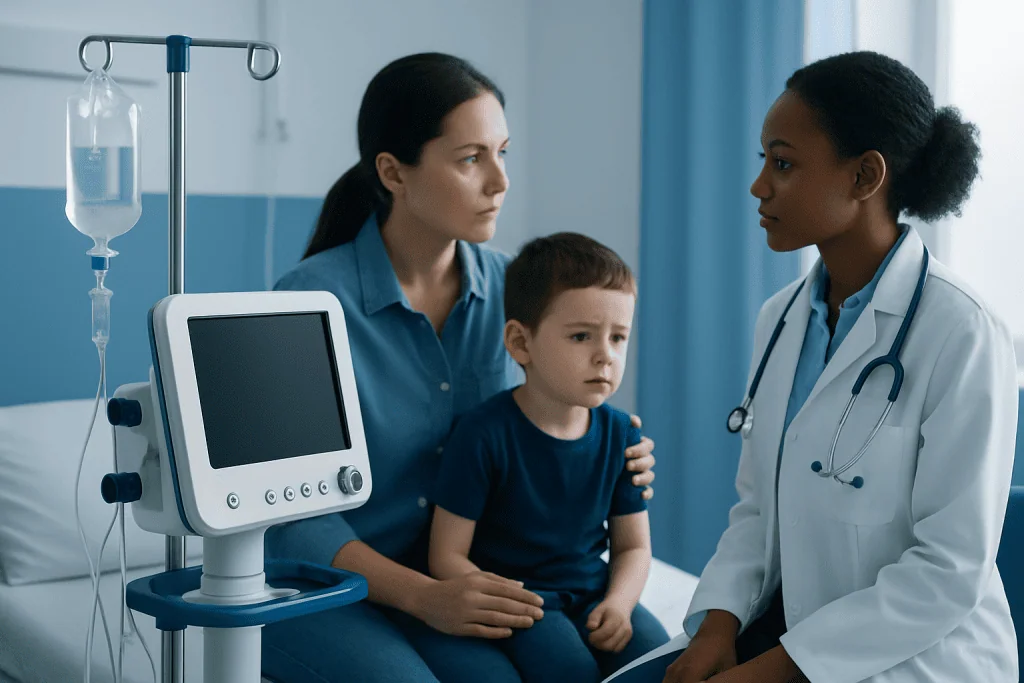
The symptoms of intussusception can vary by age and by how long the problem has been present. In children, the classic pattern is sudden episodes of severe abdominal pain. A child may cry intensely, draw the knees up toward the chest, then seem better for a short time before the pain returns in waves.
Other common symptoms include vomiting, unusual sleepiness, weakness, poor feeding, and a swollen or tender abdomen. Some children pass stool mixed with mucus and blood, sometimes described as “currant jelly” stool, though this symptom does not appear in every case. A lump may sometimes be felt in the abdomen during an exam.
Adults may have less specific symptoms, which can make diagnosis more challenging. They may report intermittent cramping, nausea, vomiting, bloating, constipation, or unexplained abdominal pain that comes and goes. Because symptoms can overlap with other digestive problems, a doctor may consider other causes of bowel obstruction as part of the evaluation.
- Sudden, repeated belly pain
- Vomiting
- Bloated or tender abdomen
- Blood or mucus in the stool
- Unusual tiredness or lethargy
- Episodes of distress followed by calm periods in children
Why it happens and who is at risk

In many children, especially infants and toddlers, no exact cause is found. Doctors call this idiopathic intussusception. One possible explanation is that swollen lymph tissue in the intestine after a viral illness may act as a trigger in some cases. This does not mean that every stomach infection or cold will lead to intussusception, but recent illness can sometimes be part of the history.
Certain factors may increase risk. These include age under 3 years, male sex, a previous episode of intussusception, and structural differences in the intestine. Rarely, conditions such as Meckel’s diverticulum, intestinal polyps, or inflammatory bowel changes can create a “lead point” that pulls one segment of bowel into another.
In adults, an underlying lead point is more common than in children. This may include benign growths, malignant tumors, adhesions, post-surgical changes, or intestinal inflammation. Because adult cases are more likely to have a specific cause, the diagnostic approach often looks carefully for any related intestinal disease, including colon cancer when clinically appropriate.
How doctors diagnose intussusception
Diagnosis begins with a medical history and physical examination. The doctor asks about the timing of pain, vomiting, bowel movements, fever, and appetite, and checks the abdomen for swelling, tenderness, or a mass. In small children, parents’ observations are often very helpful because symptoms may come in episodes.
Ultrasound is commonly the first imaging test for children with suspected intussusception. It does not use radiation and is highly useful for showing the typical appearance of one part of the bowel telescoping into another. In some patients, abdominal X-rays may also be used to look for signs of bowel obstruction or perforation.
In adults, computed tomography may be recommended because it can show both the intussusception and a possible underlying cause. Blood tests are not enough to diagnose the condition, but they may help assess dehydration, infection, or other concerns. If symptoms suggest a severe blockage or loss of blood supply, the medical team may move quickly toward treatment after the initial evaluation.
Treatment options and what recovery may involve
Treatment depends on the patient’s age, the severity of symptoms, and whether the bowel appears healthy. In many children, doctors may use an air enema or contrast enema both to confirm the diagnosis and to treat it. During this procedure, air or fluid is gently introduced through the rectum under imaging guidance to unfold the telescoped intestine. This approach can often avoid surgery when the bowel has not been badly damaged.
If the enema does not correct the problem, if the child is too unwell, or if there are signs of perforation or poor blood supply, surgery may be needed. The surgeon may manually reduce the intussusception or remove a damaged section of bowel if necessary. In adults, surgery is more common because there is often an underlying lead point that needs treatment.
Hospital care may include intravenous fluids, pain relief, and close monitoring before and after treatment. Some patients also need support from specialists in pediatric surgery or gastroenterology depending on age and cause. Recovery varies, but many children improve quickly once the blockage is relieved. Follow-up helps make sure symptoms do not return and that any underlying issue has been addressed.
Possible complications and long-term outlook
When intussusception is diagnosed and treated early, the outlook is usually good. Many children recover fully and return to normal feeding, activity, and bowel function within a short time. Even so, doctors continue to watch for recurrence, especially in the first days or weeks after treatment.
If treatment is delayed, complications can develop. Reduced blood flow to the intestine may lead to tissue injury, perforation, infection in the abdomen, or shock. These complications are the reason that persistent or severe symptoms should not be ignored, even if they seem to come and go.
Adult outcomes depend partly on the cause. If a growth, inflammation, or scarred segment of intestine is responsible, treating that problem is an important part of recovery. In selected situations, patients may be referred for colonoscopy or further imaging once the immediate problem has been managed to look for a lead point.
Prevention and self-care after treatment
There is no guaranteed way to prevent intussusception, especially in children when no clear cause is present. The most practical step is early recognition. Parents and caregivers can watch for sudden, repeated abdominal pain, vomiting, unusual lethargy, and changes in stool, and seek medical care promptly if these symptoms appear.
After treatment, self-care focuses on recovery and observation. Doctors may advise rest, gradual return to feeding, and monitoring for recurring pain, vomiting, bloating, or blood in the stool. It is helpful to follow discharge instructions carefully and attend any recommended follow-up visits.
Adults may need additional tests or treatment to address the condition that triggered the intussusception. This is especially important if there is concern about a structural bowel problem. Near the end of the care pathway, multidisciplinary teams at Acibadem International’s JCI-accredited hospitals can evaluate and treat intussusception for international patients when specialist care is needed.
When to seek medical care
Urgent medical assessment is needed for a child or adult with severe or repeated abdominal pain, vomiting, a swollen belly, marked sleepiness, or blood and mucus in the stool. These symptoms do not always mean intussusception, but they can signal an intestinal blockage or another condition that should be checked quickly.
Emergency care is especially important if the person cannot keep fluids down, has signs of dehydration, develops fever with worsening pain, or seems unusually weak or difficult to wake. In babies and young children, episodes of intense crying with drawing up of the legs should not be dismissed if they keep happening.
It is also sensible to contact a doctor after treatment if symptoms return, because intussusception can recur. Fast reassessment helps doctors confirm whether the bowel has folded again or whether another digestive problem is causing similar symptoms.
Frequently asked questions
Is intussusception an emergency?
It can be. Intussusception may block the intestine and reduce blood flow to the bowel, so timely medical evaluation is important. Early treatment often prevents complications and improves recovery.
What does intussusception pain feel like?
In children, the pain often comes in sudden waves, with periods of crying and pulling the legs up, followed by short calmer periods. In adults, it may feel like cramping or intermittent abdominal pain with nausea or bloating.
Can intussusception go away on its own?
Some cases may reduce spontaneously, but it is not safe to assume this will happen. Because the condition can quickly affect blood supply to the intestine, symptoms that suggest intussusception should be assessed by a doctor.
How is intussusception treated in children?
Many children are treated with an air or contrast enema under imaging guidance. If that does not work or if the bowel is injured, surgery may be needed to correct the problem safely.
Why is intussusception different in adults?
Adult intussusception is less common and is more likely to be caused by an underlying condition in the intestine. Because of this, doctors often investigate for a lead point such as a polyp, inflammation, or tumor.
Can intussusception come back after treatment?
Yes, recurrence is possible, especially after non-surgical reduction. That is why doctors may observe the patient after treatment and advise families on which symptoms should prompt a return for medical care.
This article is for general information only and is not a substitute for professional medical advice. Please consult a qualified doctor about your individual situation.
Persistent digestive symptoms? Get evaluated in Turkey
JCI-accredited · board-certified surgeons · reply within 24h
Add us as a Preferred Source to see more of our trusted health content across Google Search, AI Overviews and Discover.

More from the Health Library

Tingling in Hands and Feet: What Patients Need to Know

Croup When to Worry: An Evidence-Based Guide for Patients

Masago: What Patients Need to Know

Paralyzed: A Complete Medical Overview

Adams Apple: What Patients Need to Know