Adenoma: Early Signs, Risk Factors, and How It Is Treated

Adenoma is a benign tumor that develops in gland-forming tissue. Symptoms vary by location; many adenomas are found during routine screening or imaging.
Key Takeaways
- Adenoma is a benign tumor that develops in gland-forming tissue.
- Symptoms vary by location; many adenomas are found during routine screening or imaging.
- Some adenomas can secrete hormones or slowly change into cancer, so proper evaluation matters.
- Diagnosis often involves imaging, lab tests, endoscopy, or biopsy depending on the organ involved.
- Treatment ranges from monitoring to medication, endoscopic removal, or surgery.
An adenoma is a noncancerous growth that starts in glandular tissue, such as the colon, thyroid, adrenal gland, or pituitary gland. Many adenomas cause no symptoms and are found incidentally, but some can produce hormones, grow large enough to cause pressure symptoms, or carry a risk of turning into cancer over time.
What is an adenoma?
An adenoma is a benign, or noncancerous, tumor that forms in glandular tissue. Glandular tissue is found in many parts of the body and is responsible for making or releasing substances such as mucus, digestive fluids, or hormones. Because of this, adenomas can develop in organs including the colon, thyroid, adrenal glands, pituitary gland, liver, and others.
Although an adenoma is not cancer, it still deserves medical attention. Some adenomas remain small and stable for years, while others can grow, press on nearby structures, or affect how an organ works. In certain locations, especially the colon, some adenomas are considered precancerous because they may slowly develop into cancer over time if they are not removed.
The word adenoma does not describe one single disease. Instead, it is a broad term for a type of growth. That is why doctors evaluate an adenoma based on its location, size, appearance under the microscope, and whether it produces hormones or causes symptoms. This information helps guide the safest and most appropriate next steps.
How adenomas can affect the body
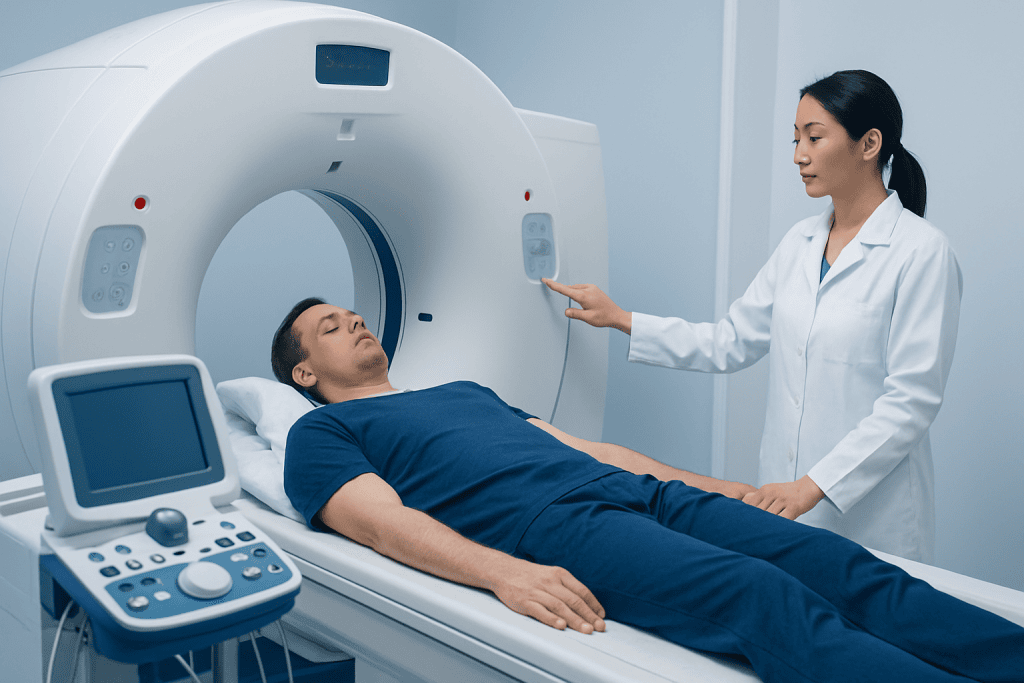
Adenomas behave differently depending on where they arise. A colon adenoma, often called an adenomatous polyp, usually develops from the lining of the large intestine. It may not cause any symptoms at first, but it is important because some types can progress to colon cancer over many years. This is one reason routine colon screening is so valuable.
In endocrine organs, adenomas may change hormone levels. For example, a pituitary adenoma can affect hormones that regulate growth, reproduction, or thyroid function. An adrenal adenoma may produce excess cortisol, aldosterone, or other hormones, or it may be nonfunctioning and discovered incidentally during a scan done for another reason.
Other adenomas may cause problems mainly because of their size. A larger tumor can create pressure on nearby tissue, leading to pain, headaches, changes in vision, swallowing difficulty, bowel changes, or other organ-specific symptoms. Even when an adenoma is benign, its location can make timely diagnosis and treatment important.
Early signs and symptoms of adenoma

There is no single set of adenoma symptoms because signs depend on the organ involved. Many people have no symptoms at all, especially early on. In those cases, the adenoma may be found during screening, such as colonoscopy, or on imaging performed for another reason.
When symptoms do occur, they may include:
- Changes in bowel habits, blood in the stool, or unexplained iron deficiency in colon adenomas
- Headaches, vision changes, irregular menstrual cycles, infertility, or hormone-related symptoms in pituitary adenomas
- Unexplained weight gain, high blood pressure, low potassium, or changes in blood sugar in some adrenal adenomas
- A lump in the neck, hoarseness, or swallowing discomfort in some thyroid adenomas
- Pressure-related discomfort or pain if the growth becomes larger
Because these symptoms are not specific to adenoma, they should not be used to self-diagnose. They can overlap with many other common and uncommon conditions. A qualified doctor can determine whether symptoms are related to a benign adenoma, another noncancerous condition, or a cancer that needs prompt treatment.
Causes and risk factors
Doctors do not always know exactly why an adenoma forms. In general, adenomas arise when cells in glandular tissue begin to grow in an abnormal but controlled way. This may be influenced by age, inherited genetic factors, long-term inflammation, hormone-related changes, or environmental exposures depending on the organ involved.
Risk factors vary by type of adenoma. Colon adenomas become more common with age and may be linked with family history, obesity, smoking, heavy alcohol use, low physical activity, and diets high in processed meat and low in fiber. Some hereditary syndromes also increase the risk of multiple polyps and colorectal cancer. Pituitary and adrenal adenomas may be associated with rare inherited conditions, though many occur without a family history.
It is also important to understand that having an adenoma does not mean a person did something wrong. Many adenomas appear in people without obvious risk factors. Still, identifying personal risk helps doctors decide who may benefit from earlier screening, closer follow-up, or targeted testing of hormone levels and related organs.
How adenoma is diagnosed
Diagnosis starts with a medical history and physical examination, followed by tests tailored to the suspected location of the adenoma. The main goals are to confirm the diagnosis, determine whether the growth is functioning or nonfunctioning, and assess whether there are any features that raise concern for cancer or complications.
Common diagnostic tools include imaging tests such as ultrasound, CT, or MRI. Blood and urine tests may be used to check hormone levels when an endocrine adenoma is suspected. For example, a doctor may investigate high cortisol, prolactin, or aldosterone if symptoms suggest hormone overproduction. In digestive adenomas, direct visualization with colonoscopy can help find and often remove suspicious polyps during the same procedure.
Some adenomas are confirmed through pathology after removal or biopsy. Tissue analysis can show the exact type of cells involved and whether there are dysplastic, or precancerous, changes. Depending on the site, doctors may recommend repeat imaging or surveillance exams over time, especially if a small adenoma appears low risk and does not need immediate removal.
Treatment options for adenoma
Adenoma treatment depends on several factors: the organ involved, the size of the lesion, whether it causes symptoms, whether it produces hormones, and whether it carries a meaningful risk of becoming cancerous. Not every adenoma needs immediate surgery. In some cases, careful observation with scheduled tests is the safest approach.
Removal is often recommended when an adenoma is large, symptomatic, hormone-secreting, growing, or considered precancerous. Colon adenomas are commonly removed during endoscopy to reduce future cancer risk. Some digestive growths may require endoscopic mucosal resection if they are flat or larger. Endocrine adenomas may be treated with medication, surgery, or a combination of both, depending on how they affect hormone balance and nearby structures.
Surgical treatment is tailored to the site. For example, selected hormone-producing adrenal adenomas may be treated with adrenalectomy, while certain pituitary adenomas may need pituitary tumor surgery if they are causing vision problems, significant hormone excess, or continued growth. Near the end of the care pathway, patients may benefit from a multidisciplinary review; Acibadem International’s specialists in JCI-accredited hospitals diagnose and treat adenoma-related conditions for international patients when advanced evaluation or coordinated care is needed.
After treatment, follow-up is often essential. Doctors may repeat imaging, colonoscopy, laboratory testing, or endocrine review to monitor for recurrence, confirm hormone normalization, or look for new adenomas in higher-risk patients. The exact follow-up interval depends on the pathology result and the original organ involved.
Prevention and self-care
Not all adenomas can be prevented, especially those related to inherited factors or incidental endocrine changes. However, healthy lifestyle habits and age-appropriate screening can lower the risk of some types, especially colon adenomas. Preventive care is often about reducing long-term risk and finding changes before they become more serious.
Helpful measures may include:
- Attending recommended screening tests, particularly colon cancer screening
- Maintaining a healthy body weight
- Being physically active on most days of the week
- Eating a balanced diet rich in vegetables, fruits, and fiber
- Limiting smoking and excess alcohol use
- Following up regularly if there is a family history of polyps, endocrine tumors, or hereditary cancer syndromes
People who already have an adenoma should follow their doctor’s advice about repeat scans, lab tests, or procedures. Self-care also includes reporting new symptoms rather than waiting for the next appointment, especially if there are signs of hormone imbalance, bleeding, progressive pain, or noticeable changes in vision or bowel habits.
When to seek medical care
Medical review is important if a person develops persistent symptoms that could point to an adenoma or another significant condition. These include blood in the stool, a change in bowel habits lasting more than a few weeks, unexplained headaches, visual changes, a new neck lump, unexplained weight changes, or symptoms that suggest hormone imbalance such as unusual fatigue, menstrual changes, or difficult-to-control blood pressure.
Prompt medical attention is especially important if symptoms are worsening, if there is severe abdominal pain, black or bloody stools, sudden vision loss, or signs of significant hormonal disturbance. People with a strong family history of colorectal polyps, colorectal cancer, or inherited endocrine syndromes should also ask a doctor whether they need earlier or more frequent screening.
Even when an adenoma is discovered incidentally and causes no symptoms, it should not be ignored. A doctor can explain whether observation is appropriate or whether the growth needs removal, hormone testing, or referral to a specialist.
Frequently asked questions
Is an adenoma cancer?
No, an adenoma is a benign tumor, which means it is not cancer. However, some adenomas can grow, affect organ function, or gradually develop into cancer over time, depending on where they are located and what type they are.
Can an adenoma turn into cancer?
Some adenomas can, especially certain adenomas in the colon. The risk depends on factors such as size, cell type, microscopic appearance, and location, which is why doctors may recommend removal or regular follow-up.
What are the most common symptoms of adenoma?
Many adenomas do not cause symptoms at all. When symptoms are present, they vary by location and may include bowel changes, bleeding, headaches, vision changes, a neck lump, or signs of hormone imbalance such as weight changes or high blood pressure.
How is an adenoma usually found?
An adenoma may be discovered during screening tests, such as colonoscopy, or on imaging done for another reason. In other cases, it is investigated because of symptoms or abnormal blood or urine tests, especially when hormone-producing glands are involved.
Does every adenoma need to be removed?
No. Some small, low-risk adenomas can be monitored safely with repeat tests. Others should be removed because they cause symptoms, produce hormones, keep growing, or have features that increase the risk of cancer.
Can adenoma come back after treatment?
It can, depending on the type and location. Some people may develop a recurrent adenoma at the same site, while others may form new adenomas over time, which is why follow-up appointments and repeat screening are often recommended.
References
- World Health Organization
- National Cancer Institute
- American Cancer Society
- National Institute of Diabetes and Digestive and Kidney Diseases
- Endocrine Society
This article is for general information only and is not a substitute for professional medical advice. Please consult a qualified doctor about your individual situation.
Persistent digestive symptoms? Get evaluated in Turkey
JCI-accredited · board-certified surgeons · reply within 24h
Add us as a Preferred Source to see more of our trusted health content across Google Search, AI Overviews and Discover.
Check your numbers in seconds
BMI, calories, due date, blood pressure and 30+ more clinical calculators — free, instant, doctor-reviewed ranges.