Sperm Cell — Explained by Medical Evidence, Not Myths

A sperm cell is a specialized male reproductive cell that helps fertilize an egg. Sperm quality depends on count, movement, shape, and DNA integrity.
Key Takeaways
- A sperm cell is a specialized male reproductive cell that helps fertilize an egg.
- Sperm quality depends on count, movement, shape, and DNA integrity.
- Lifestyle, age, illness, heat exposure, and hormone or structural problems can affect sperm health.
- A semen analysis is a common first test when fertility is a concern.
- Many causes of poor sperm quality can be evaluated and treated by a doctor.
A sperm cell is the male reproductive cell, designed to carry half of the genetic material needed to form an embryo. Medical evidence shows that sperm health depends on production, structure, movement, and the overall health of the reproductive system—not on common myths.
What a Sperm Cell Is
A sperm cell is the male reproductive cell. Its role is to carry genetic material from the father to the egg during fertilization. Each sperm cell contains 23 chromosomes, which combine with the 23 chromosomes in the egg to create an embryo.
Unlike many other cells in the body, a sperm cell is highly specialized for movement and delivery of genetic material. It has a head, which contains the DNA; a midpiece, which provides energy; and a tail, which helps it swim. This structure allows sperm to travel through the female reproductive tract in order to reach the egg.
Medical evidence shows that one sperm cell alone does not define fertility. Fertility depends on a combination of factors, including how many sperm are produced, how well they move, whether they are normally shaped, and whether the DNA they carry is intact. The health of the testes, hormones, ducts, and sexual function also matters.
There are many myths about sperm cells, including the idea that masculinity, sexual frequency, or the appearance of semen directly reflects sperm quality. In reality, sperm health is assessed through medical evaluation rather than assumptions. A person can have normal sexual function and still have a sperm-related fertility issue, or the opposite.
How Sperm Cells Are Made and What They Do
Sperm cells are made in the testes through a process called spermatogenesis. This process begins with immature germ cells and develops into mature sperm over several weeks. Hormones from the brain and testes, especially follicle-stimulating hormone, luteinizing hormone, and testosterone, help regulate this process.
After sperm are formed, they mature further in a coiled structure behind each testicle called the epididymis. During ejaculation, sperm mix with fluid from the seminal vesicles, prostate, and other glands to form semen. Semen is the fluid released during ejaculation, while sperm cells are only one part of that fluid.
The main function of a sperm cell is to reach and fertilize an egg. To do this, sperm need enough forward movement, called motility, and the ability to survive the journey through cervical mucus, the uterus, and the fallopian tube. Only a small number of sperm usually reach the area where fertilization can occur.
Even when fertilization happens, sperm quality still matters. The genetic material inside the sperm contributes to embryo development. For this reason, doctors may assess sperm cells in fertility workups, especially when a couple has trouble conceiving or when there is a history suggesting male infertility.
What Makes a Sperm Cell Healthy

A healthy sperm cell is usually judged by several measurable features rather than a single trait. These include sperm concentration, total number of sperm, motility, morphology, and semen volume. Some evaluations also look at vitality, white blood cells, and signs of DNA damage.
Sperm count refers to how many sperm are present. Motility describes how well the sperm move, especially whether they swim forward. Morphology refers to the shape and structure of the sperm. A sperm cell may be less likely to fertilize an egg if it has major structural abnormalities or poor movement, although natural conception can still occur even when some results are below average.
Sperm DNA integrity is another important factor. A sperm cell may appear normal under a microscope but still carry damaged DNA. This can be influenced by smoking, illness, oxidative stress, high heat exposure, or aging. In selected cases, doctors may recommend additional testing if standard semen analysis does not explain infertility.
It is also important to understand that sperm quality can vary over time. Fever, stress, medications, poor sleep, nutritional issues, and recent illness may temporarily affect test results. Because sperm production is continuous, a doctor may repeat testing to confirm whether an abnormal result is persistent.
Common Factors That Can Affect Sperm Cells
Many factors can influence sperm cells, and not all of them are obvious. Age may play a role, especially in sperm movement and DNA quality, although men may remain fertile for many years. Lifestyle habits such as smoking, excessive alcohol use, recreational drugs, poor diet, obesity, and lack of exercise can also reduce sperm quality.
Heat exposure may interfere with sperm production because the testes function best at a temperature slightly below core body temperature. Frequent use of hot tubs, saunas, or prolonged heat exposure around the groin may contribute in some cases. Tight clothing alone is not usually a major cause, but the overall heat environment can matter.
Medical conditions can also affect sperm cells. These include hormonal disorders, undescended testicles, infections, varicocele, genetic conditions, diabetes, and past surgery or injury involving the reproductive tract. Ejaculation problems or blockages in the ducts may reduce the amount of sperm reaching the semen. Some men are evaluated for varicocele because it can be associated with abnormal semen parameters.
Certain medications and environmental exposures may contribute as well. Examples include anabolic steroids, some chemotherapy drugs, testosterone products used without medical indication, and exposure to toxins such as heavy metals or industrial chemicals. A doctor can review personal risk factors and decide whether more detailed testing is needed.
How Doctors Evaluate Sperm Health
When sperm health is being assessed, the first step is usually a medical history and physical examination. The doctor may ask about how long pregnancy has been attempted, past illnesses, medications, childhood testicular problems, surgery, sexual function, and lifestyle habits. A physical exam may check the testes, epididymis, and spermatic cords for structural issues.
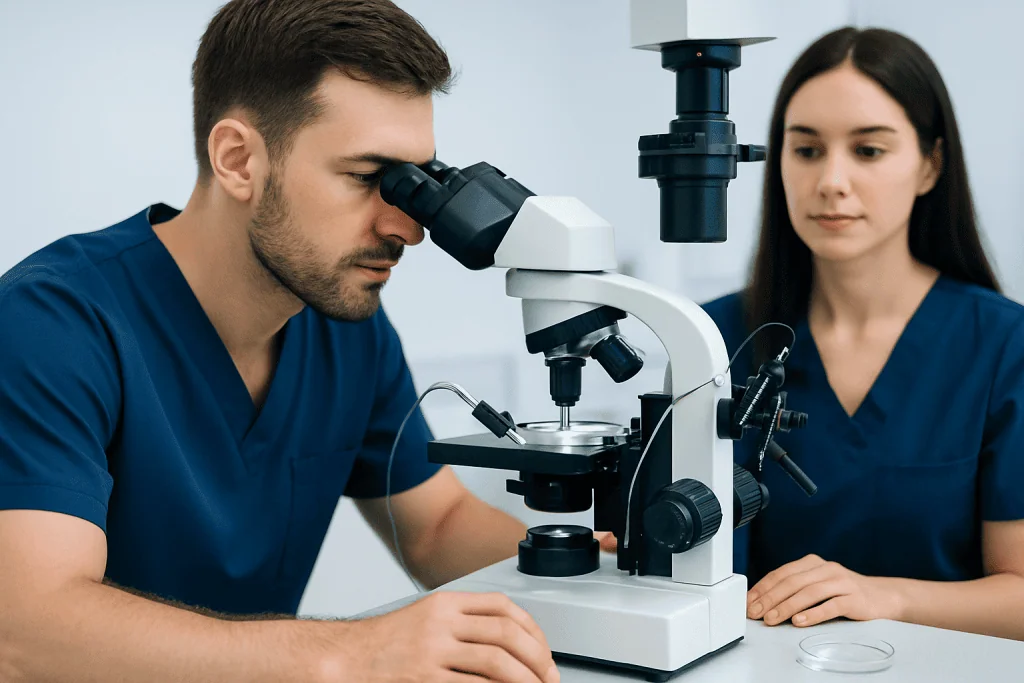
A semen analysis is the most common laboratory test. It measures the volume of semen and examines sperm count, movement, and shape. Because results can change from one sample to another, more than one test may be recommended. Proper sample collection and timing are important for accurate results.
If semen analysis is abnormal or symptoms suggest another problem, the doctor may order hormone tests, genetic tests, ultrasound imaging, or infection screening. In some cases, additional fertility testing may help identify blocked ducts, ejaculation disorders, or sperm production problems. Evaluation may also be considered if there is known azoospermia, which means no sperm are seen in the semen sample.
For some patients, specialist care may include a detailed andrology or urology assessment and discussion of reproductive options. Depending on the findings, treatment may range from lifestyle changes to medical therapy or procedures. In fertility centers, semen analysis may be part of a broader IVF evaluation when pregnancy has not occurred naturally.
Treatment Options When Sperm Cells Are Affected
Treatment depends on the cause. If a lifestyle factor is contributing, doctors may recommend stopping smoking, limiting alcohol, reaching a healthier weight, improving sleep, reducing heat exposure, and reviewing medications. Because sperm production takes time, improvements in semen parameters may not appear immediately.
When hormones are abnormal, treatment may focus on correcting the underlying endocrine problem. If an infection is present, it may need treatment. If a structural issue such as varicocele or a blockage is suspected, surgery or procedural treatment may be discussed. Men with ejaculation problems may need evaluation for neurologic, urologic, or medication-related causes.
If sperm are present but natural conception is difficult, assisted reproductive techniques may help. Depending on the situation, doctors may recommend timed intercourse guidance, intrauterine insemination, or in vitro fertilization. In selected cases with severe male factor infertility, sperm may be obtained directly from the testicle or epididymis and used in specialized fertility treatment.
Some men need a combined approach because fertility often involves both partners. A reproductive specialist may review the health of the male partner, female partner, and timing of ovulation together. Near the end of a diagnostic pathway, multidisciplinary care can be helpful; Acibadem International’s specialists in men’s health, urology, and reproductive medicine at JCI-accredited hospitals also evaluate and treat international patients with fertility concerns.
Self-Care and Prevention for Better Sperm Health
Not every sperm problem can be prevented, but general health habits can support reproductive health. A balanced diet, regular physical activity, good sleep, and managing chronic conditions may help maintain hormone balance and sperm production. Avoiding tobacco and recreational drugs is especially important.
It may also help to reduce unnecessary heat exposure to the groin, use medications only as prescribed, and discuss supplements or hormone products with a doctor before taking them. Testosterone taken without proper medical guidance can reduce the body’s own sperm production. Protecting the testes from injury and seeking care for pain, swelling, or infection can also make a difference.
People trying to conceive should remember that sperm health is only one part of fertility. Timing intercourse around ovulation, managing stress, and arranging early medical evaluation when there are known risk factors can be useful. If a couple has been trying to conceive without success, a doctor may suggest a fertility workup rather than waiting too long.
Self-care should not replace medical advice when symptoms or infertility are present. Over-the-counter products marketed for “male performance” or “sperm boosting” may not be evidence-based, and some can even interfere with reproductive hormones. Decisions about testing and treatment are safest when guided by a qualified clinician, sometimes including urology care or andrology evaluation.
When to Seek Medical Care
Medical care is appropriate if pregnancy has not occurred after 12 months of regular unprotected intercourse, or after 6 months if the female partner is older than 35. Earlier evaluation is also reasonable if there is a history of undescended testicles, testicular injury, cancer treatment, pelvic surgery, erectile or ejaculation problems, or known hormone disorders.
A person should also seek medical advice for testicular pain, swelling, a lump, blood in semen, very low semen volume, or signs of infection such as fever and discomfort. These symptoms do not always mean a serious condition, but they should be assessed by a doctor. Prompt evaluation can help identify treatable causes and support both reproductive and general health.
It is helpful to bring a list of medications, supplements, and past medical problems to the appointment. A doctor may coordinate care with fertility specialists when needed. Early discussion can reduce uncertainty and help people understand which findings are temporary, which need treatment, and which may benefit from reproductive support.
Frequently asked questions
Is a sperm cell the same as semen?
No. A sperm cell is the male reproductive cell, while semen is the fluid released during ejaculation that carries sperm along with secretions from reproductive glands. A semen sample can look normal in volume or appearance even if sperm quality is reduced.
How long does it take for sperm cells to develop?
Sperm production and maturation take several weeks, often around two to three months from early development to full maturity. Because of this, lifestyle changes or treatment may take time to affect semen analysis results.
Can lifestyle changes really improve sperm health?
In some cases, yes. Stopping smoking, limiting alcohol, improving weight, getting enough sleep, and avoiding excessive heat can support sperm production and quality. The degree of improvement depends on the underlying cause and whether there is a medical problem that also needs treatment.
Does a low sperm count always mean infertility?
No. A low sperm count can make conception less likely, but it does not always mean pregnancy is impossible. Fertility depends on many factors, including motility, morphology, timing, female partner factors, and overall reproductive health.
Can stress affect sperm cells?
Stress may affect hormones, sleep, sexual function, and daily habits, which can indirectly influence sperm health. Severe or long-term stress may contribute to poorer reproductive health, although it is usually one factor among several.
When should a semen analysis be done?
A semen analysis is usually considered when a couple has difficulty conceiving or when there are known risk factors for male fertility problems. A doctor may also recommend it after testicular injury, surgery, infection, cancer treatment, or hormone concerns.
References
- World Health Organization
- American Urological Association
- American Society for Reproductive Medicine
- European Association of Urology
- Centers for Disease Control and Prevention
This article is for general information only and is not a substitute for professional medical advice. Please consult a qualified doctor about your individual situation.
Explore treatments in Turkey — costs, top hospitals & a free quote
JCI-accredited · board-certified surgeons · reply within 24h
Add us as a Preferred Source to see more of our trusted health content across Google Search, AI Overviews and Discover.

More from the Health Library

Matcha: An Evidence-Based Guide for Patients

Mucus Crohn’s Poop: What Patients Need to Know

Mysophobia: An Evidence-Based Guide for Patients

Glycine: What Patients Need to Know

Aorta — Explained by Medical Evidence, Not Myths