Carcinogen: A Complete Medical Overview

A carcinogen is something that can raise the risk of cancer over time. Carcinogens include chemicals, radiation, certain infections, and some workplace exposures.
Key Takeaways
- A carcinogen is something that can raise the risk of cancer over time.
- Carcinogens include chemicals, radiation, certain infections, and some workplace exposures.
- Cancer risk depends on factors such as dose, duration, route of exposure, and individual health.
- Avoiding tobacco, limiting UV exposure, and following workplace safety measures can reduce risk.
- A doctor may recommend screening, testing, or specialist evaluation after significant exposure or concerning symptoms.
A carcinogen is any substance, exposure, or agent known to increase the chance of developing cancer. Not every exposure causes cancer, but understanding common carcinogens and limiting avoidable contact can help lower long-term risk.
Overview: What a Carcinogen Means
A carcinogen is a substance, type of radiation, or biological agent that can increase the likelihood of cancer developing. In simple terms, it is something that may damage cells or affect how they grow and divide, making cancer more likely over time. This does not mean that every contact with a carcinogen will lead to cancer, but repeated or heavy exposure can raise risk.
Carcinogens are found in different parts of daily life. Some are linked to personal habits, such as tobacco smoke or excessive ultraviolet exposure from sunlight and tanning beds. Others may be present in the environment, certain foods or food-processing methods, workplaces, or infections. Risk is shaped by how much exposure occurs, how long it lasts, and whether a person has other risk factors.
Experts classify carcinogens based on scientific evidence. Organizations such as the International Agency for Research on Cancer review human, animal, and laboratory data to determine whether an agent can cause cancer. This process helps guide public health recommendations and workplace safety rules.
Understanding carcinogens is useful because many exposures are preventable or can be reduced. For people concerned about cancer in general, it may also help to read about cancer and how risk factors, screening, and early diagnosis fit together.
How Carcinogens Cause Harm
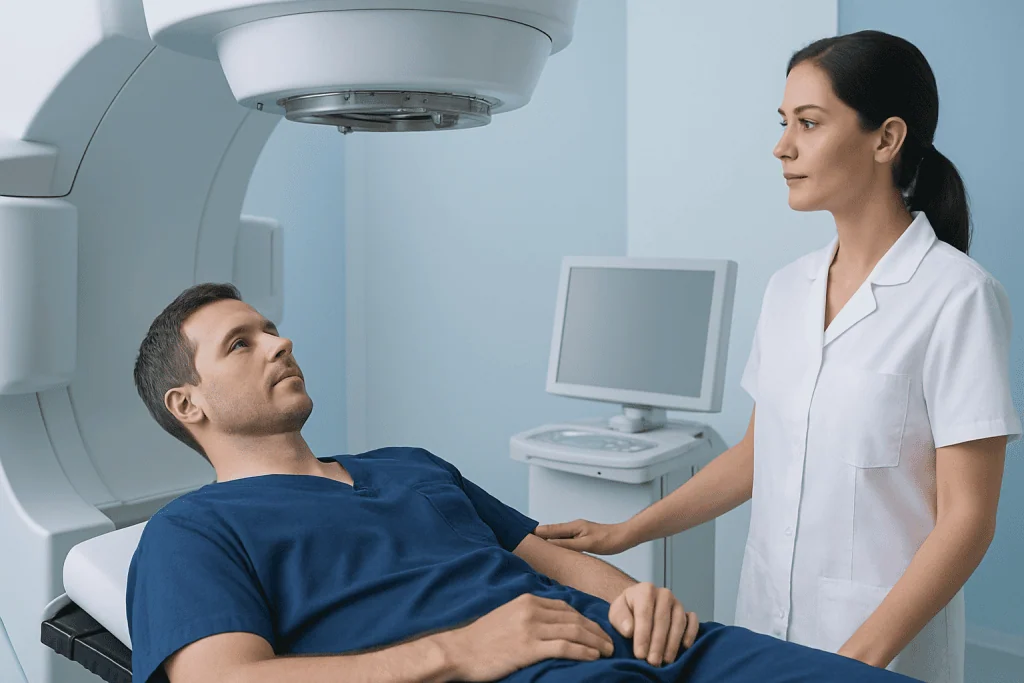
Carcinogens do not all act in the same way. Some directly damage DNA, the genetic material inside cells. Others cause ongoing inflammation, disrupt hormones, weaken normal cell repair systems, or make it easier for abnormal cells to survive and multiply. Cancer usually develops through a gradual process rather than after a single event.
Several factors affect how harmful an exposure may be. These include the amount of exposure, frequency, duration, age at exposure, and whether the substance enters the body by breathing, swallowing, or skin contact. Individual differences also matter. Genetics, immune function, existing medical conditions, smoking status, and combined exposures can all influence risk.
It is also important to understand that “hazard” and “risk” are not exactly the same. A carcinogen is a hazard because it has the potential to cause cancer. Actual risk depends on real-life exposure. For example, a known carcinogen may pose limited risk when exposure is rare and well controlled, while a lower-level but frequent exposure may become more meaningful over time.
Common Types of Carcinogens

Carcinogens are often grouped into chemical, physical, and biological categories. Chemical carcinogens include tobacco smoke, asbestos, benzene, formaldehyde, diesel exhaust, and some industrial compounds. Certain air pollutants and byproducts formed during high-temperature cooking or food processing may also contribute to risk, although the level of concern varies by exposure.
Physical carcinogens mainly include forms of radiation. Ultraviolet radiation from the sun or tanning devices can damage skin cells and increase the chance of skin cancer. Ionizing radiation, such as X-rays and radon, can also raise cancer risk, especially with repeated or prolonged exposure. Medical imaging is used carefully because the benefits often outweigh the small risks when tests are truly needed.
Biological carcinogens include certain viruses, bacteria, and parasites that can contribute to cancer. Well-known examples are human papillomavirus, hepatitis B virus, hepatitis C virus, and Helicobacter pylori. These agents do not always lead to cancer, but they can create long-term changes in tissues that increase risk.
- Tobacco-related: cigarette smoke, secondhand smoke
- Radiation-related: ultraviolet light, radon, ionizing radiation
- Workplace-related: asbestos, benzene, silica, diesel exhaust
- Infection-related: HPV, hepatitis viruses, H. pylori
Where Exposure Happens in Everyday Life and at Work
Many people first think of smoking when they hear the word carcinogen, and for good reason. Tobacco smoke remains one of the most important avoidable causes of cancer. However, exposure can also happen in less obvious ways, including sun exposure without protection, poor indoor air quality, radon in homes, heavy alcohol use, or contact with hazardous substances in certain occupations.
Workplace exposure is especially important because it may involve repeated contact over many years. Jobs in construction, mining, manufacturing, transportation, agriculture, and laboratory work may involve carcinogens such as asbestos, silica dust, solvents, pesticides, and exhaust fumes. Employers and workers can lower risk through ventilation, protective equipment, training, and strict safety procedures.
Some exposures are linked to specific parts of the body. For example, inhaled carcinogens may raise the risk of lung cancer, while ultraviolet radiation mainly affects the skin. Contact with workplace or environmental carcinogens does not mean disease is inevitable, but it does support the need for monitoring, healthy habits, and medical advice when exposure is significant.
Symptoms and Health Effects to Watch For
A carcinogen itself usually does not cause immediate symptoms. The main concern is the long-term effect of exposure and the possibility of cell changes that may eventually become cancer. For this reason, many people with carcinogen exposure feel completely well, especially early on.
Symptoms depend on the organ affected and may appear only if disease develops. General warning signs that deserve medical attention include unexplained weight loss, persistent fatigue, unusual bleeding, a lump or thickened area, a cough that does not improve, changes in bowel or bladder habits, a sore that does not heal, or a changing mole. These symptoms can have many causes, not only cancer, but they should not be ignored.
Some exposures can also cause non-cancer health problems before any cancer-related concerns arise. For example, tobacco smoke may contribute to chronic lung disease, and occupational dusts may cause breathing problems. A doctor may evaluate symptoms and decide whether a person needs screening, blood tests, imaging, or referral for specialist care such as oncology care.
How Doctors Assess Carcinogen Exposure and Cancer Risk
Doctors do not usually diagnose “carcinogen exposure” with a single test. Instead, they build a clear exposure history. This includes asking about smoking, alcohol use, job history, chemicals handled, home environment, travel, family history, infections, and previous radiation exposure. Details such as timing, intensity, and use of protective measures are important.
After reviewing history, the doctor may recommend targeted evaluation based on the likely exposure and any symptoms. This can include a physical exam, routine laboratory tests, imaging studies, skin checks, or screening tests appropriate for age and sex. In some situations, more advanced evaluation may be needed, including preventive health check-up services or specialized imaging.
If there are findings that suggest a possible tumor or precancerous change, further assessment may involve endoscopy, biopsy, or molecular testing. Imaging techniques such as PET-CT may be used in selected cases when cancer is suspected or already diagnosed, though not as a routine test for everyone with exposure. The goal is to match the right test to the person’s risk and symptoms.
Reducing Exposure and Lowering Cancer Risk
Reducing exposure to carcinogens is one of the most practical ways to support long-term health. The most important step for many people is avoiding tobacco in all forms and limiting secondhand smoke. Sun protection is also essential: using protective clothing, seeking shade, and applying broad-spectrum sunscreen can reduce harm from ultraviolet radiation.
At home, useful measures include testing for radon where recommended, improving ventilation, handling cleaning products and solvents safely, and following food safety guidance. In workplaces with known hazards, people should use protective equipment correctly, follow training protocols, and report unsafe conditions. Vaccination against infections linked to cancer, such as HPV and hepatitis B, is another evidence-based preventive step.
Healthy living also matters because cancer risk is influenced by more than direct carcinogen exposure alone. Regular physical activity, a balanced diet, maintaining a healthy weight, limiting alcohol, and keeping up with age-appropriate cancer screening can all help. For people who need expert assessment, Acibadem International’s multidisciplinary specialists in JCI-accredited hospitals diagnose and treat cancer-related conditions for international patients.
When to Seek Medical Care
Medical advice is appropriate if a person knows they have had significant exposure to a known carcinogen, especially at work or over a long period. A doctor can review the type of exposure, estimate risk, and advise whether monitoring or screening is needed. This is particularly important for current or former smokers, people with occupational exposures, or those with a strong family history of cancer.
Prompt evaluation is also important if warning symptoms develop. Examples include a persistent cough, coughing up blood, unexplained weight loss, a new lump, blood in the stool or urine, persistent abdominal pain, difficulty swallowing, or skin changes such as a mole that grows, darkens, or bleeds. These symptoms do not always mean cancer, but timely assessment can help find the cause and guide treatment early.
Emergency care may be needed for severe breathing difficulty, heavy bleeding, sudden neurological symptoms, or severe pain. For non-urgent concerns, a primary care doctor or specialist can advise on next steps and whether referral for tests or medical oncology evaluation is appropriate.
Frequently asked questions
What is a carcinogen in simple terms?
A carcinogen is anything that can increase the chance of cancer developing. It may be a chemical, a type of radiation, or an infection that changes cells over time.
Does exposure to a carcinogen always cause cancer?
No. Exposure does not guarantee that cancer will develop. Risk depends on how much exposure occurred, how long it lasted, the type of carcinogen, and the person’s overall health and other risk factors.
What are some common examples of carcinogens?
Common examples include tobacco smoke, ultraviolet radiation from the sun, asbestos, radon, benzene, and certain cancer-related infections such as HPV or hepatitis B. Some workplace chemicals and air pollutants are also recognized carcinogens.
Can carcinogens be found in the home?
Yes. Possible household exposures include secondhand smoke, radon, ultraviolet light from sun exposure through outdoor activities, and some solvents or fumes used without good ventilation. Most risks can be lowered with simple preventive steps and safe handling.
How can someone reduce exposure to carcinogens?
Helpful steps include avoiding tobacco, protecting the skin from sun exposure, following workplace safety rules, testing for radon where appropriate, and keeping vaccinations up to date. Regular screening and healthy lifestyle habits also support cancer prevention.
Should someone see a doctor after known carcinogen exposure?
Yes, especially if the exposure was heavy, repeated, or work-related. A doctor can review the details, assess personal risk, and decide whether monitoring, screening, or specialist referral is needed.
This article is for general information only and is not a substitute for professional medical advice. Please consult a qualified doctor about your individual situation.
Oncology care in Turkey — second opinion and treatment plan
JCI-accredited · board-certified surgeons · reply within 24h
Add us as a Preferred Source to see more of our trusted health content across Google Search, AI Overviews and Discover.

More from the Health Library

Blood Glucose Increase: A Complete Medical Overview

Best Fruit for Diabetics: An Evidence-Based Guide for Patients
Muscle Testing: A Complete Medical Overview

Carotene: A Complete Medical Overview

Echocardiogram: An Evidence-Based Guide for Patients