Esophagitis: Diagnosis, Outlook, and Modern Treatment Approaches

Esophagitis often causes painful swallowing, difficulty swallowing, heartburn, or chest discomfort. The condition can result from acid reflux, medications, infections, or eosinophilic inflammation linked to allergies.
Key Takeaways
- Esophagitis often causes painful swallowing, difficulty swallowing, heartburn, or chest discomfort.
- The condition can result from acid reflux, medications, infections, or eosinophilic inflammation linked to allergies.
- Diagnosis may include a medical history, endoscopy, biopsies, and sometimes swallowing or acid-related tests.
- Treatment focuses on the cause and may involve lifestyle changes, medicines, diet changes, or procedures for complications.
- Persistent symptoms, weight loss, bleeding, or trouble swallowing need prompt medical evaluation.
Esophagitis is inflammation of the esophagus, the tube that carries food from the mouth to the stomach. It is treatable in many cases, but the best approach depends on the cause, such as acid reflux, infection, medicines, or allergic inflammation.
Overview: what esophagitis is and what the outlook means
Esophagitis means inflammation of the esophagus. This inflammation can irritate the lining of the swallowing tube and lead to pain, burning, or a feeling that food is moving down slowly. In many people, esophagitis improves once the cause is identified and treated, so the outlook is often good with timely care.
Esophagitis is not a single disease with one cause. It may be related to stomach acid flowing upward, certain pills that irritate the esophagus, infections, or an immune-driven condition called eosinophilic esophagitis. Because treatment differs from one cause to another, a clear diagnosis matters.
The outlook depends on how long inflammation has been present, how severe it is, and whether complications have developed. Mild cases may settle with medication changes and symptom control, while more persistent inflammation may require endoscopy, biopsies, and longer-term follow-up. Early assessment can help prevent scarring, narrowing, or repeated symptoms.
Common symptoms and how they may feel
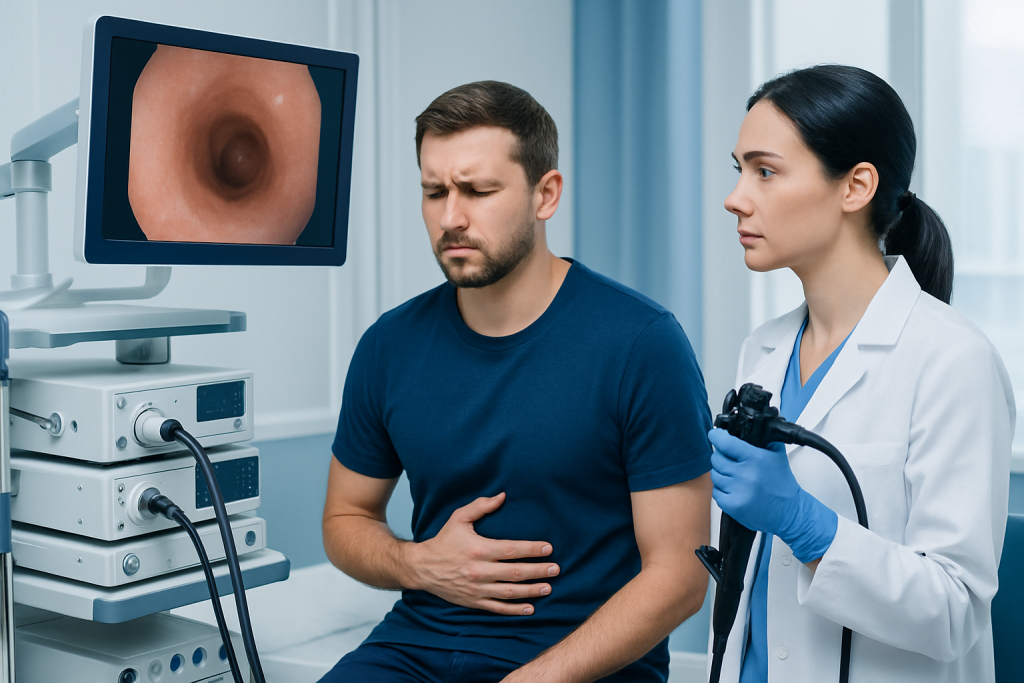
Symptoms of esophagitis can vary from mild irritation to more disruptive swallowing problems. Many people notice heartburn, burning behind the breastbone, or pain when swallowing. Others feel that food is sticking in the chest or throat, especially with solid foods.
Some people mainly experience difficulty swallowing rather than classic reflux symptoms. There may also be regurgitation, a sour taste in the mouth, nausea, or upper chest discomfort after eating. In children, signs can be less specific and may include feeding difficulties, vomiting, irritability, or poor weight gain.
Symptoms that may suggest more significant irritation or a complication include:
- Food getting stuck in the esophagus
- Painful swallowing that limits eating or drinking
- Unexplained weight loss
- Vomiting blood or passing black stools
- Ongoing chest pain that needs urgent assessment
These symptoms do not always mean severe disease, but they are important clues that should be evaluated by a qualified doctor.
Why esophagitis happens: main causes and risk factors

The most common cause of esophagitis is acid reflux, where stomach acid repeatedly irritates the esophageal lining. This may happen more often in people with frequent heartburn, obesity, pregnancy, hiatal hernia, smoking, or certain eating habits. Ongoing reflux may be part of gastroesophageal reflux disease.
Medicine-related esophagitis can happen when tablets or capsules remain in the esophagus long enough to irritate the tissue. This is more likely if medicines are taken with too little water or just before lying down. Several drug types are known to increase this risk, so a clinician may review the full medication list when symptoms begin suddenly.
Infectious esophagitis is less common and is seen more often in people with weakened immune systems, such as those receiving cancer treatment, taking immunosuppressive medicines, or living with certain chronic illnesses. Another important cause is eosinophilic esophagitis, an inflammatory condition linked with immune and allergy pathways. It may occur alongside asthma, eczema, or food allergies.
Risk factors differ by cause, but several patterns raise suspicion:
- Frequent reflux or long-term heartburn
- Difficulty swallowing solids, especially over time
- Recent start of a new medicine
- Immune suppression or recurrent infections
- Personal or family history of allergic conditions
How doctors diagnose esophagitis
Diagnosis starts with a careful description of symptoms, eating patterns, medication use, and any history of reflux, allergies, or immune problems. A doctor will also ask whether symptoms are occasional or persistent, whether solids or liquids are harder to swallow, and whether there are warning signs such as weight loss or bleeding.
One of the most useful tests is upper endoscopy. During this procedure, a flexible camera is used to examine the esophagus directly and look for irritation, ulcers, narrowing, or other changes. Small tissue samples may be taken to check for eosinophilic inflammation, infection, or other causes. This is especially important because different types of esophagitis can look similar without biopsy.
Other tests may be used in selected cases. A barium swallow can help show structural narrowing or movement problems. Esophageal pH monitoring may be recommended if reflux-related esophagitis is suspected but not confirmed. In some people, manometry is used to study how the esophagus moves and whether swallowing muscles are working normally.
Diagnosis is not only about naming the condition. It also helps guide treatment and estimate outlook. For example, identifying strictures early can allow timely treatment such as endoscopic evaluation and therapy before swallowing becomes more limited.
Modern treatment approaches for different types of esophagitis
Treatment for esophagitis is tailored to the cause. When acid reflux is driving inflammation, the goal is to reduce acid exposure and allow the lining to heal. This may include medicines that lower stomach acid, practical changes such as avoiding late meals, and addressing triggers that worsen reflux. In some people with persistent reflux and selected anatomy, doctors may discuss more advanced options linked to GERD treatment.
For medicine-related esophagitis, treatment often begins with stopping or switching the medication if medically appropriate. Patients are usually advised to take pills with enough water and remain upright for a period afterward. If pain is significant, temporary acid suppression may be used to support healing.
Eosinophilic esophagitis often requires a different plan. This may involve acid-lowering therapy, swallowed anti-inflammatory medicines, and structured dietary approaches to identify trigger foods. Because food allergy and inflammation can interact in complex ways, follow-up may include repeat endoscopy with biopsy to confirm healing rather than relying on symptoms alone.
Infectious esophagitis is treated with medicine that targets the specific infection, such as fungal, viral, or other causes. If complications have developed, treatment may also include procedures. Narrowing of the esophagus can sometimes be managed with esophageal dilation to improve swallowing. In a multidisciplinary setting, specialists may combine gastroenterology, pathology, allergy, nutrition, and surgery when needed.
Prevention, daily habits, and self-care
Some forms of esophagitis cannot be fully prevented, but daily habits can lower irritation and support recovery. For reflux-related symptoms, it often helps to avoid large meals, reduce late-night eating, and notice individual food triggers. Weight management, limiting alcohol, and stopping smoking may also reduce acid exposure and support overall digestive health.
Simple pill-taking habits are also important. Medicines should generally be taken with a full glass of water unless a clinician advises otherwise. Lying down immediately after swallowing tablets or capsules may increase the risk of pill-related irritation, so staying upright for a while can help.
For eosinophilic esophagitis, self-care may include careful follow-up with a specialist and a nutrition professional if an elimination diet is recommended. Restrictive diets should not be started casually, especially in children, because they can lead to nutritional gaps if not planned properly.
Helpful self-care steps may include:
- Eating smaller, slower meals
- Avoiding meals close to bedtime
- Taking medicines with enough water
- Following treatment exactly as prescribed
- Keeping follow-up appointments if symptoms return
When to seek medical care
Medical advice is important if swallowing pain, difficulty swallowing, or heartburn continues despite simple measures. A doctor should also assess symptoms that keep coming back, interfere with eating, or lead to reduced food intake. Ongoing inflammation can sometimes cause scarring, so persistent symptoms should not be ignored.
Urgent care is needed if food becomes stuck, there is vomiting of blood, black stools, dehydration, or severe chest pain. Chest pain should always be assessed carefully because heart-related problems can sometimes feel similar to esophageal pain. Anyone who is unsure should seek prompt medical attention.
People with a weakened immune system, known esophageal disease, or a history of strictures should contact a doctor early if symptoms change. Near the end of the care pathway, some patients may benefit from specialist assessment in advanced digestive centers. Acibadem International’s multidisciplinary specialists in JCI-accredited hospitals diagnose and treat esophageal conditions for international patients, including evaluation through gastroenterology care when appropriate.
Frequently asked questions
Can esophagitis go away on its own?
Mild irritation may improve if the trigger is brief, such as a medication that is stopped or a short period of reflux. However, persistent symptoms should be evaluated because ongoing inflammation can continue to injure the esophagus. Treatment is most effective when the underlying cause is identified.
What is the difference between esophagitis and GERD?
GERD is a condition in which stomach contents regularly flow back into the esophagus. Esophagitis means inflammation of the esophageal lining, and reflux is only one possible cause. A person can have GERD without visible esophagitis, and esophagitis can also result from allergies, infections, or medicines.
Is esophagitis serious?
Many cases are treatable and improve well with the right care. It becomes more concerning when symptoms are severe, long-lasting, or associated with bleeding, weight loss, or trouble swallowing. These features can suggest complications such as ulceration or narrowing.
How is eosinophilic esophagitis different from acid reflux esophagitis?
Eosinophilic esophagitis is an immune-related inflammatory condition, often linked with allergies or atopic disease. Acid reflux esophagitis is caused mainly by repeated exposure of the esophagus to stomach acid. Symptoms may overlap, which is why endoscopy and biopsy are often needed to tell them apart.
What foods should someone avoid with esophagitis?
Food advice depends on the cause. People with reflux-related symptoms often do better by avoiding personal trigger foods, large meals, and eating late at night. In eosinophilic esophagitis, food triggers may require a structured elimination plan guided by a specialist and dietitian.
Will I need an endoscopy for esophagitis?
Not everyone needs an endoscopy immediately, but it is commonly used when symptoms are persistent, swallowing is difficult, or the diagnosis is unclear. It allows doctors to inspect the esophagus and take biopsies if needed. This can be especially important when eosinophilic, infectious, or more severe forms are suspected.
References
- National Institute of Diabetes and Digestive and Kidney Diseases
- American College of Gastroenterology
- National Library of Medicine
- Mayo Clinic
- Merck Manual
This article is for general information only and is not a substitute for professional medical advice. Please consult a qualified doctor about your individual situation.
Persistent digestive symptoms? Get evaluated in Turkey
JCI-accredited · board-certified surgeons · reply within 24h
Add us as a Preferred Source to see more of our trusted health content across Google Search, AI Overviews and Discover.

More from the Health Library



Related Specialists

Dt. Avi Karako
Dentistry
Prof. Dr. Selami Çakmak
Orthopedic Surgery & Traumatology
Ody. İrem Mürtekin
Audiology
Prof. Dr. Tolga Ergin
Gynecology & Obstetrics