Behavioral Health: What Patients Need to Know

Behavioral health includes mental health but also covers habits, stress, coping, sleep, and substance use. Changes in mood, sleep, focus, behavior, or daily functioning can be signs that support is needed.
Key Takeaways
- Behavioral health includes mental health but also covers habits, stress, coping, sleep, and substance use.
- Changes in mood, sleep, focus, behavior, or daily functioning can be signs that support is needed.
- Assessment usually involves a conversation, screening tools, medical history, and sometimes lab tests to rule out physical causes.
- Treatment may include psychotherapy, lifestyle changes, medication, social support, or combined care.
- Early help can improve symptoms, functioning, relationships, and long-term physical health.
- Urgent care is needed if there are thoughts of self-harm, confusion, severe agitation, or inability to stay safe.
Behavioral health describes how thoughts, emotions, habits, and daily behaviors affect a person’s overall health and quality of life. It includes mental health conditions, stress-related concerns, substance use, sleep, coping patterns, and health behaviors such as eating, activity, and medication adherence.
Overview: what behavioral health means
Behavioral health is the part of health that relates to how a person thinks, feels, and acts in daily life. It includes emotional well-being, stress responses, sleep patterns, coping skills, relationships, substance use, and habits that affect physical health. In practice, behavioral health helps explain how the mind and behavior influence the body, and how physical illness can also affect mood and functioning.
Although people sometimes use “behavioral health” and “mental health” as if they mean the same thing, behavioral health is broader. Mental health focuses on emotional and psychological conditions such as anxiety, depression, and trauma-related disorders. Behavioral health also includes patterns such as unhealthy alcohol use, difficulty managing chronic stress, poor sleep, or behaviors that make medical conditions harder to control.
This broader view is useful because people rarely experience health concerns in isolation. For example, ongoing stress may worsen sleep, poor sleep may affect concentration and mood, and those changes can then influence work, relationships, eating habits, and physical symptoms. Understanding behavioral health can help patients and families seek support earlier and choose care that addresses the whole person rather than one symptom at a time.
How behavioral health affects everyday life
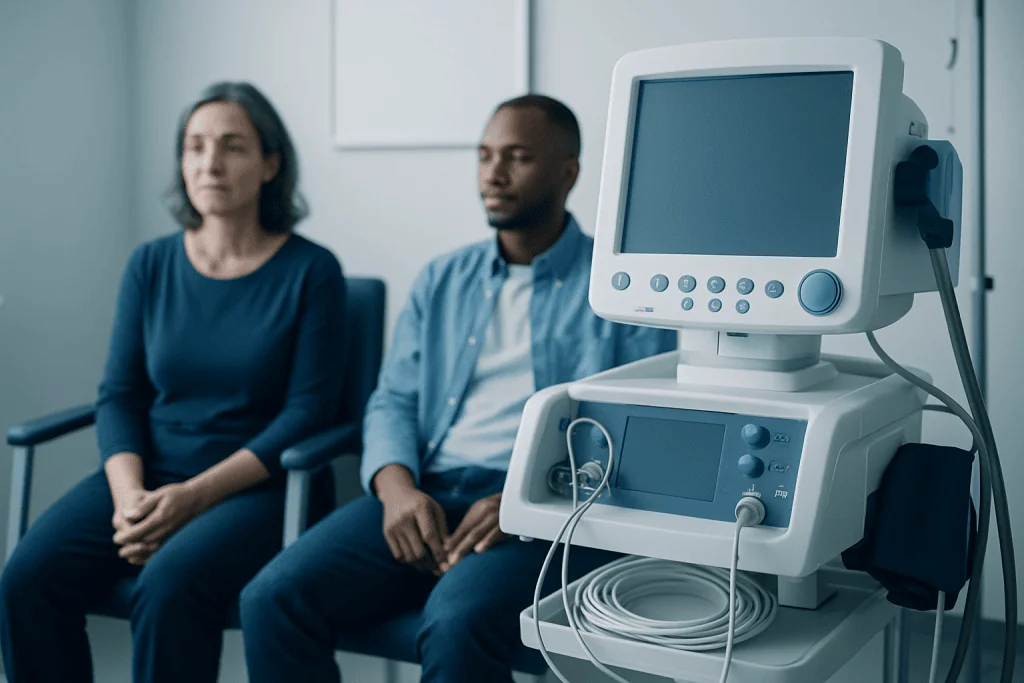
Behavioral health concerns can affect many parts of daily living, including energy, motivation, memory, judgment, and social connection. Some people notice emotional symptoms first, such as feeling persistently worried, low, irritable, numb, or overwhelmed. Others mainly notice physical or practical effects, such as poor sleep, low productivity, missed responsibilities, appetite changes, or difficulty keeping up with treatment for other medical conditions.
These concerns can also shape long-term health. Stress and untreated emotional difficulties may make it harder to exercise regularly, eat well, take medications consistently, or attend medical appointments. In this way, behavioral health is closely linked to conditions such as heart disease, diabetes, chronic pain, and sleep disorders. Good behavioral health support often improves both mental well-being and overall physical health management.
Behavioral health is not a sign of weakness or lack of willpower. Many factors can contribute, including biology, life experiences, trauma, chronic illness, major life changes, social isolation, grief, financial stress, and family history. Because these issues are common and treatable, recognizing them early is an important step toward recovery and better quality of life.
Common signs and symptoms

Behavioral health symptoms can look different from person to person. Some changes are mild and temporary, especially during stressful periods, while others become more persistent and begin to interfere with work, school, caregiving, relationships, or self-care. The key question is often not whether a person ever feels stressed or sad, but whether symptoms are lasting, distressing, or disruptive.
Common signs may include:
- Persistent sadness, anxiety, fear, or irritability
- Loss of interest in usual activities
- Changes in sleep, such as insomnia or sleeping much more than usual
- Changes in appetite or weight
- Difficulty concentrating, remembering, or making decisions
- Low energy, restlessness, or feeling slowed down
- Withdrawing from family, friends, or daily routines
- Using alcohol, nicotine, or drugs to cope
- Unexplained physical complaints such as headaches, stomach upset, or body pain
- Thoughts of hopelessness, self-harm, or suicide
Some people may mainly present with specific conditions, such as depression or anxiety disorders, while others have a combination of emotional, behavioral, and physical symptoms. In children and adolescents, behavioral health changes may appear as academic difficulties, frequent irritability, sleep problems, risk-taking behavior, or sudden changes in social functioning rather than clearly expressed sadness or worry.
Causes and risk factors
Behavioral health concerns usually arise from a mix of biological, psychological, and social factors. Biology may include genetics, brain chemistry, hormonal changes, neurologic conditions, or the effects of certain medications. Psychological factors may include personality style, coping patterns, past trauma, or unresolved grief. Social factors often include family conflict, loneliness, work stress, discrimination, financial pressure, or exposure to violence.
Physical health also matters. Chronic pain, thyroid disease, sleep apnea, vitamin deficiencies, neurologic disease, and some infections can contribute to mood or behavior changes. Substance use can trigger symptoms directly or make existing problems harder to manage. For this reason, careful evaluation is important rather than assuming every change is “just stress.”
Risk can increase during major transitions or periods of vulnerability, such as pregnancy and the postpartum period, adolescence, older age, migration, serious illness, bereavement, or recovery after trauma. However, having risk factors does not mean a person will definitely develop a behavioral health condition. Protective factors such as social support, stable routines, access to care, exercise, healthy sleep, and early intervention can make a meaningful difference.
How behavioral health is evaluated
Assessment usually begins with a detailed conversation about symptoms, daily functioning, stressors, medical history, medications, sleep, alcohol or drug use, and family history. A clinician may ask when symptoms started, how often they occur, what makes them better or worse, and whether they affect safety or responsibilities. This discussion helps identify patterns and guides the next steps in care.
Screening questionnaires are often used to support the clinical interview. These tools do not replace a diagnosis, but they can help measure symptoms such as depression, anxiety, trauma-related distress, or substance use. Depending on the situation, a doctor may also recommend physical examination, blood tests, or other evaluations to rule out medical causes contributing to mood, concentration, or behavior changes.
In more complex cases, care may involve multiple specialists. A patient might benefit from psychiatric evaluation and treatment, psychotherapy, sleep assessment, or neurologic review if symptoms suggest overlapping conditions. The goal is to understand the full picture, including emotional health, physical health, safety, and the patient’s own priorities for treatment.
Treatment options and recovery
Treatment depends on the symptoms, severity, underlying causes, and patient preferences. Many people do well with a combination of approaches rather than one single treatment. A personalized plan may include education, practical coping strategies, lifestyle changes, family support, psychotherapy, medication, or treatment for a related medical condition such as sleep disturbance or chronic pain.
Psychotherapy, often called talk therapy, can help people understand patterns, manage symptoms, improve coping, and strengthen relationships. Different forms may be used depending on the problem, including cognitive behavioral therapy, supportive therapy, trauma-informed therapy, and family-based approaches. When symptoms are moderate to severe, medication may also be recommended as part of mental health treatment under medical supervision.
Care may also address related issues that worsen behavioral health, such as insomnia, panic, or substance use. For selected patients, doctors may coordinate with services such as clinical psychology support or structured care for addiction treatment. Recovery is often gradual, with improvement measured not only by symptom relief but also by better sleep, daily functioning, relationships, and ability to cope with stress.
Near the end of the care pathway, some patients may need coordinated specialist support, especially when symptoms are persistent or affect multiple areas of life. Acibadem International’s multidisciplinary specialists and JCI-accredited hospitals diagnose and treat behavioral health conditions for international patients as part of integrated medical care.
Prevention and self-care
Not all behavioral health conditions can be prevented, but healthy routines can reduce risk and support recovery. Regular sleep, physical activity, balanced meals, stress management, social connection, and limiting alcohol or recreational drugs are practical foundations for emotional well-being. Small, consistent habits often help more than dramatic short-term changes.
Self-care is not a substitute for professional treatment when symptoms are significant, but it can be an important part of a care plan. Helpful strategies may include keeping a daily routine, reducing overstimulation before bedtime, taking breaks from distressing media, practicing relaxation techniques, journaling, and staying connected with trusted people. People with chronic medical conditions may also benefit from structured support around medication routines, diet, and follow-up appointments.
Families can help by noticing changes early, listening without judgment, and encouraging evaluation when symptoms persist. Language matters: a supportive conversation focused on concern and practical help is usually more effective than criticism or pressure. If symptoms are affecting safety, work, school, or relationships, it is reasonable to seek professional advice even if the cause is not yet clear.
When to seek medical care
Medical care should be considered if mood, behavior, sleep, stress, or substance use changes last more than a few weeks, keep returning, or begin to interfere with daily life. It is also a good idea to seek help if symptoms are new, feel out of proportion to the situation, or happen along with physical symptoms such as major fatigue, weight change, confusion, memory problems, or fainting.
Urgent help is needed if a person talks about self-harm or suicide, cannot care for basic needs, becomes severely agitated, hears or sees things others do not, or seems confused or disconnected from reality. In an emergency, local emergency services or the nearest emergency department should be contacted right away. If the concern is not immediately dangerous but still troubling, a primary care doctor, psychiatrist, psychologist, or licensed mental health professional can guide the next steps.
Early assessment often makes treatment simpler and more effective. Even when symptoms do not lead to a formal diagnosis, professional advice can help identify stress-related patterns, sleep issues, medication effects, or underlying medical problems that deserve attention.
Frequently asked questions
Is behavioral health the same as mental health?
Not exactly. Mental health is one part of behavioral health, while behavioral health also includes habits, coping skills, sleep, substance use, and behaviors that affect physical health. The broader term helps explain how emotions and actions influence overall well-being.
What are the first signs of a behavioral health problem?
Early signs may include lasting sadness, anxiety, irritability, poor sleep, low energy, trouble concentrating, social withdrawal, or increased alcohol or drug use. A key clue is that symptoms begin to interfere with daily responsibilities, relationships, or self-care.
Can physical illness cause behavioral health symptoms?
Yes. Thyroid problems, chronic pain, sleep disorders, neurologic conditions, medication side effects, and other medical issues can contribute to mood or behavior changes. That is why proper assessment may include both mental health screening and medical evaluation.
How is behavioral health treated?
Treatment depends on the cause and severity of symptoms. Common options include psychotherapy, lifestyle changes, social support, medication, and treatment of any related medical or substance-use issues. Many patients benefit from a combined approach.
When should someone seek professional help?
Professional help is appropriate when symptoms last more than a few weeks, keep returning, or affect work, school, sleep, safety, or relationships. Help should be sought urgently if there are thoughts of self-harm, severe confusion, hallucinations, or inability to stay safe.
Can behavioral health improve with self-care alone?
Mild stress-related symptoms may improve with rest, routines, exercise, and social support. However, persistent or worsening symptoms usually need professional guidance. Self-care works best as part of a broader plan when symptoms are significant.
References
- World Health Organization
- National Institute of Mental Health
- Centers for Disease Control and Prevention
- American Psychiatric Association
- Substance Abuse and Mental Health Services Administration
This article is for general information only and is not a substitute for professional medical advice. Please consult a qualified doctor about your individual situation.
Explore treatments in Turkey — costs, top hospitals & a free quote
JCI-accredited · board-certified surgeons · reply within 24h
Add us as a Preferred Source to see more of our trusted health content across Google Search, AI Overviews and Discover.