Jelly Roll Weight Loss: What Patients Need to Know

There is no single formula behind highly visible weight loss; safe results are individualized. A medical review can identify contributors such as sleep problems, medications, hormone disorders, and eating patterns.
Key Takeaways
- There is no single formula behind highly visible weight loss; safe results are individualized.
- A medical review can identify contributors such as sleep problems, medications, hormone disorders, and eating patterns.
- Sustainable weight loss usually combines nutrition, physical activity, behavior change, and regular follow-up.
- Some patients may benefit from prescription medication or bariatric procedures after specialist assessment.
- Rapid, unintentional, or symptomatic weight loss should be evaluated by a doctor.
Jelly roll weight loss generally reflects public interest in dramatic body changes, but the safest path to weight loss is a structured medical approach rather than imitation of anyone else’s journey. For most patients, successful weight management starts with understanding the causes of weight gain, checking for related health conditions, and choosing evidence-based treatment that fits personal needs.
Overview: What “Jelly Roll Weight Loss” Usually Means
When people search for “jelly roll weight loss,” they are often looking for an explanation of how a public figure may have lost weight and, more importantly, whether similar results are possible for them. In practice, meaningful weight loss does not come from a single trick, supplement, or short-term plan. It usually results from a longer process that may include medical assessment, changes in eating habits, increased physical activity, sleep improvement, stress management, and sometimes prescription treatment or surgery.
Weight loss is highly individual. Age, genetics, metabolism, medications, mental health, medical conditions, and starting body weight can all affect progress. A plan that is effective for one person may not be safe or realistic for another. That is why patient-centered weight management focuses less on copying someone else’s routine and more on building a strategy that improves health markers, daily functioning, and long-term wellbeing.
For some patients, excess weight is linked to a chronic disease process rather than simply willpower or lifestyle alone. Conditions such as obesity can increase the risk of high blood pressure, type 2 diabetes, fatty liver disease, sleep apnea, and joint problems. Understanding this broader health context helps patients set realistic goals and seek the right level of support.
How Healthy Weight Loss Usually Happens
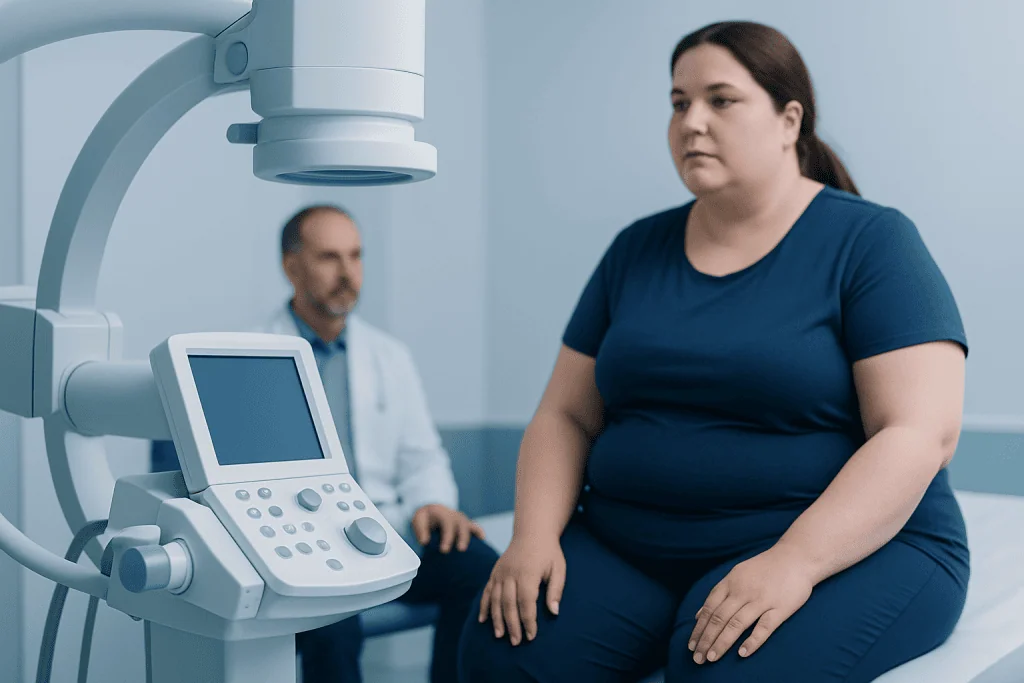
Clinically, healthy weight loss is usually gradual and intentional. It tends to happen when the body is consistently in a modest calorie deficit while still receiving enough protein, fiber, vitamins, minerals, and fluids. This is best achieved through a balanced eating pattern rather than severe restriction. Extreme dieting may lead to muscle loss, nutritional deficiencies, fatigue, and weight regain.
Physical activity supports weight loss, but it also offers benefits beyond the number on the scale. Aerobic exercise can improve heart health and stamina, while resistance training helps preserve or build muscle during weight loss. Maintaining muscle mass is important because muscle supports metabolism, strength, mobility, and healthy aging.
Behavioral factors matter as well. Patients often benefit from tracking meals, recognizing emotional eating triggers, improving sleep, planning regular meals, and reducing highly processed, calorie-dense foods. Structured support from a dietitian, physician, psychologist, or obesity medicine specialist can make these changes more practical and sustainable.
- Balanced meals with vegetables, lean protein, whole grains, and healthy fats
- Regular movement, including walking and strength-based exercise
- Consistent sleep and stress management
- Follow-up visits to review progress and adjust the plan
Why Weight Gain Can Happen: Causes and Risk Factors

Weight gain is often multifactorial. A person may eat similarly for years and still gain weight because of aging, less activity, hormonal changes, poor sleep, new medications, or stress-related habits. Family history also plays a role, affecting appetite regulation, fat distribution, and metabolic efficiency. For this reason, weight concerns should be approached with clinical curiosity rather than blame.
Common contributors include sedentary routines, large portion sizes, sugary drinks, frequent restaurant meals, alcohol intake, and chronic stress. Sleep deprivation can increase hunger and cravings, especially for high-calorie foods. Depression, anxiety, binge eating, and other mental health concerns may also make weight management harder and deserve compassionate assessment.
Doctors also consider medical causes and complications. These may include thyroid disorders, insulin resistance, polycystic ovary syndrome, and medication effects from steroids, some antidepressants, or other long-term therapies. Patients with symptoms suggesting diabetes or other metabolic conditions may need testing before starting a weight loss plan, especially if they have fatigue, excessive thirst, snoring, or frequent urination.
Medical Assessment: When Weight Loss Should Be Evaluated
Seeking medical advice can be helpful before beginning a major weight loss effort, particularly for people with obesity, chronic disease, or a history of unsuccessful dieting. A doctor may review weight history, waist circumference, blood pressure, medication use, sleep quality, eating patterns, and emotional health. This helps identify barriers and select the safest treatment approach.
Laboratory tests are sometimes recommended to look for related conditions or hidden contributors. Depending on symptoms and risk factors, testing may include blood glucose, HbA1c, cholesterol, liver function, kidney function, and thyroid levels. If loud snoring, daytime sleepiness, or witnessed pauses in breathing are present, evaluation for sleep apnea may also be important.
Medical assessment is especially important if weight loss is unintentional. Losing weight without trying can point to an underlying illness and should not be assumed to be healthy. A healthcare professional can determine whether the change reflects diet and activity shifts, medication effects, digestive disorders, endocrine disease, infection, or another medical problem.
Treatment Options for Patients Who Need More Support
Not everyone needs the same level of care. Many patients do well with supervised lifestyle treatment that includes nutrition counseling, exercise planning, sleep support, and behavior-change techniques. For those who have weight-related conditions or significant obesity, doctors may also discuss prescription medications. These treatments are used as part of a broader plan, not as a replacement for healthy routines.
When obesity is severe or when non-surgical measures have not been enough, bariatric procedures may be considered. These treatments can help by changing stomach size, hunger signaling, and metabolic response. They are generally reserved for carefully selected patients after medical evaluation, nutritional counseling, and discussion of benefits, risks, and long-term follow-up. Patients exploring obesity surgery should understand that surgery is a tool within lifelong weight management, not a quick fix.
Depending on the patient’s needs, specialists may also discuss structured weight loss surgery pathways or specific operations such as gastric sleeve surgery. The best option depends on overall health, eating behavior, previous treatments, and personal goals. Near the end of the care pathway, centers such as Acibadem International can provide multidisciplinary assessment and treatment for international patients through JCI-accredited hospitals.
Prevention and Self-Care for Long-Term Success
Many people focus on how to lose weight quickly, but maintaining weight loss is often the more important challenge. Long-term success usually depends on routines that can be continued for months and years. This means choosing enjoyable foods in balanced portions, building regular activity into daily life, and avoiding “all-or-nothing” thinking that leads to cycles of restriction and overeating.
Helpful self-care habits include planning meals ahead, eating slowly, limiting late-night snacking, and keeping convenient healthy options at home. Patients may also benefit from reducing screen time during meals, managing stress without food, and setting goals based on energy, blood pressure, mobility, or sleep quality rather than weight alone. These broader markers often show meaningful health improvement even when the scale changes gradually.
Support systems matter. Family encouragement, follow-up appointments, group programs, and dietitian guidance can help patients stay consistent. Weight regain can happen, and it should not be seen as failure. Instead, it is often a sign that the plan needs adjustment or that new medical or lifestyle factors have developed.
When to Seek Medical Care
Medical care is appropriate if a patient has obesity, obesity-related conditions, or repeated difficulty losing weight despite consistent effort. A doctor should also be consulted before starting a restrictive diet or intense exercise program if there is heart disease, diabetes, severe joint pain, kidney disease, or another chronic condition. Professional guidance can make weight loss safer and more effective.
Prompt medical review is important if weight loss is rapid, unplanned, or accompanied by symptoms such as persistent fatigue, fever, abdominal pain, vomiting, diarrhea, chest pain, shortness of breath, fainting, or marked changes in mood. These symptoms can suggest an underlying disorder that needs diagnosis rather than a standard weight management plan.
Patients should also seek care if they snore heavily, stop breathing during sleep, feel sleepy during the day, or struggle with depression, binge eating, or body image distress. These issues can strongly affect weight and health, and addressing them may improve outcomes more than focusing on calories alone.
Frequently asked questions
What does “jelly roll weight loss” mean medically?
It is not a formal medical term. It usually reflects interest in how a well-known person may have lost weight and what lessons are safe and realistic for other patients. From a medical perspective, the focus should be on individualized, evidence-based weight management.
Is rapid weight loss a good sign?
Not always. Some early weight change can happen with major lifestyle changes, but very fast or unintentional weight loss may signal dehydration, muscle loss, poor nutrition, or an underlying illness. A doctor can help determine whether the change is healthy.
Can someone lose a large amount of weight without surgery?
Yes, some people can achieve substantial weight loss through structured nutrition, exercise, behavior support, and, in some cases, prescription medication. However, results vary widely from person to person. Severe obesity may still require surgical evaluation for the best long-term outcome.
When are weight loss medications considered?
Doctors may consider medication when lifestyle measures alone are not enough and when a patient meets clinical criteria based on body weight and related health risks. These medicines are usually used alongside diet, activity, and follow-up care. They should only be started under medical supervision.
How can a patient tell if weight gain has a medical cause?
Warning clues can include fatigue, changes in menstrual cycles, snoring, swelling, constipation, mood changes, or weight gain after starting a new medicine. Still, there is no single symptom pattern that confirms the cause. A medical evaluation is the safest way to look for hormonal, metabolic, sleep-related, or medication-related factors.
What is the safest first step for someone wanting to lose weight?
A practical first step is to speak with a healthcare professional, especially if there is obesity, diabetes, high blood pressure, or prior difficulty losing weight. From there, patients can build a realistic plan that includes balanced eating, regular movement, and follow-up. Starting with small, sustainable changes is often more effective than an extreme diet.
References
- World Health Organization
- Centers for Disease Control and Prevention
- National Institute of Diabetes and Digestive and Kidney Diseases
- American Heart Association
- American Society for Metabolic and Bariatric Surgery
This article is for general information only and is not a substitute for professional medical advice. Please consult a qualified doctor about your individual situation.
Medical weight-loss options in Turkey — costs & eligibility
JCI-accredited · board-certified surgeons · reply within 24h
Add us as a Preferred Source to see more of our trusted health content across Google Search, AI Overviews and Discover.
Check your numbers in seconds
BMI, calories, due date, blood pressure and 30+ more clinical calculators — free, instant, doctor-reviewed ranges.