Monkeypox: What Patients Need to Know

Monkeypox is caused by an orthopoxvirus and spreads through close physical contact, contaminated materials, and sometimes respiratory secretions during prolonged close contact. Common symptoms include fever, swollen lymph nodes, fatigue, and a rash that can be painful or itchy and may affect the face, body, genitals, or mouth.
Key Takeaways
- Monkeypox is caused by an orthopoxvirus and spreads through close physical contact, contaminated materials, and sometimes respiratory secretions during prolonged close contact.
- Common symptoms include fever, swollen lymph nodes, fatigue, and a rash that can be painful or itchy and may affect the face, body, genitals, or mouth.
- Diagnosis usually requires a clinical assessment and laboratory testing of lesion samples.
- Treatment is mainly supportive, though antiviral therapy may be considered for severe illness or people at higher risk of complications.
- People with new unexplained rash, known exposure, worsening pain, dehydration, or trouble breathing should seek medical care promptly.
Monkeypox is a viral infection that most often causes a distinctive rash along with flu-like symptoms such as fever, body aches, and swollen lymph nodes. Most people recover with supportive care, but medical evaluation is important to confirm the diagnosis, manage symptoms, and reduce the chance of spreading the infection to others.
Overview: what monkeypox is and what it means for patients
Monkeypox is a viral infection caused by an orthopoxvirus, the same family of viruses that includes smallpox. In recent years, the disease has been more widely recognized outside the areas where it was traditionally seen, which has led many patients to ask what it is, how it spreads, and what symptoms to watch for. In most cases, monkeypox is self-limited, meaning symptoms improve over time with rest, hydration, pain relief, and careful skin care.
What often matters most for patients is recognizing that monkeypox does not present exactly the same way in everyone. Some people develop fever and body aches before the rash appears, while others notice skin lesions first. The rash may involve only a few spots or many, and it can affect sensitive areas such as the mouth, genitals, hands, face, or around the anus.
Early medical advice can help confirm whether the rash is due to monkeypox or another condition. Other illnesses may look similar, including some viral infections and sexually transmitted infections, so a proper evaluation is important. This is especially true when a person has pain, severe lesions, eye symptoms, or a weakened immune system.
How monkeypox spreads
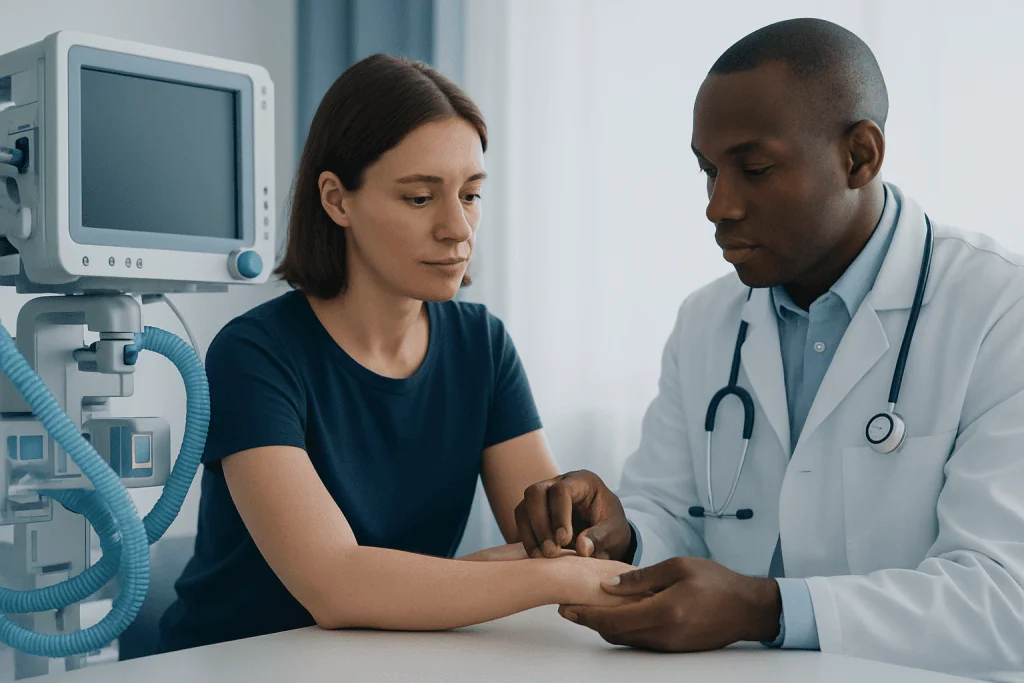
Monkeypox spreads mainly through close contact with an infected person, especially direct contact with the rash, scabs, or body fluids from skin lesions. It can also spread through contact with materials that have touched the lesions, such as bedding, towels, or clothing. In some situations, respiratory secretions may play a role, particularly during prolonged face-to-face contact.
Transmission can happen in household settings, during caregiving, or through intimate contact. Because the virus is often present in the rash, any close skin-to-skin exposure increases risk. The virus does not usually spread as easily as common respiratory viruses, but careful precautions still matter when someone has symptoms or known exposure.
People are generally considered contagious from the time symptoms begin until all lesions have healed, scabs have fallen off, and a new layer of skin has formed. This healing process can take time. Practical steps such as avoiding close contact, not sharing personal items, covering lesions when possible, and following public health guidance can help reduce spread.
Symptoms and what the rash can look like
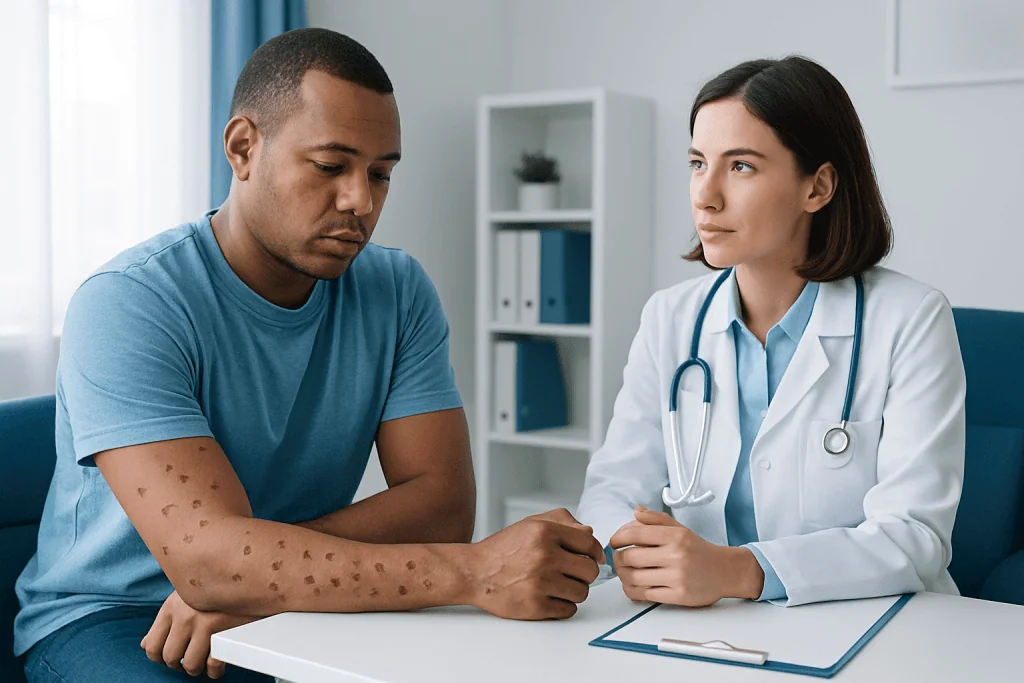
Monkeypox symptoms often begin with general signs of infection such as fever, chills, headache, muscle aches, back pain, tiredness, and swollen lymph nodes. Swollen lymph nodes are a helpful clue because they can be more prominent in monkeypox than in some other rash illnesses. These early symptoms may appear before the rash, but not always.
The rash usually changes over time. It may begin as flat spots, then become raised bumps, fluid-filled blisters, and later pustules before crusting over and healing. Lesions can be painful, especially when located in the genital or anal area, and they may also itch during healing. Some patients have only a small number of lesions, while others develop more widespread skin involvement.
Lesions may appear on the face, hands, feet, trunk, mouth, or genital region. Mouth or throat lesions can make eating and drinking uncomfortable, and eye involvement requires prompt attention because it may threaten vision. A rash caused by monkeypox can sometimes be confused with chickenpox, herpes, hand-foot-and-mouth disease, or other skin disorders, including certain skin diseases.
- Fever or chills
- Swollen lymph nodes
- Fatigue and body aches
- Painful or itchy rash
- Mouth, genital, or anal lesions
Who is at higher risk and possible complications
Anyone with close exposure can develop monkeypox, but the course of illness is not the same for every person. Some groups may be more vulnerable to severe disease or complications, including people with weakened immune systems, young children, pregnant people, and those with certain chronic health conditions. The location and extent of the lesions also affect how difficult the illness may be.
Complications can include severe pain, dehydration if swallowing is difficult, bacterial infection of damaged skin, and inflammation affecting the eyes. In some cases, lesions in the genital or anal area can cause marked discomfort and problems with urination or bowel movements. These situations need timely medical attention even if the overall illness seems mild at first.
There is also an emotional side to monkeypox that patients should not ignore. A visible rash, isolation during recovery, and uncertainty about transmission can cause stress or embarrassment. Clear medical guidance, symptom control, and respectful communication can make recovery safer and less overwhelming.
Diagnosis: how doctors confirm monkeypox
Doctors diagnose monkeypox by combining a patient’s symptoms, the appearance and location of the rash, exposure history, and laboratory testing. Because several infections can resemble monkeypox, diagnosis should not be based on a photograph or symptoms alone. A clinician will usually ask when the rash started, whether there was close contact with a symptomatic person, and whether there are symptoms such as fever or swollen lymph nodes.
The most reliable way to confirm the diagnosis is laboratory testing of a sample taken from skin lesions, usually with a swab. Depending on symptoms, a doctor may also consider tests to rule out other infections. In selected cases, evaluation may include other examinations, particularly if there is eye pain, severe throat symptoms, or concerns about dehydration.
Accurate diagnosis matters for both treatment and infection control. It helps patients understand how long to isolate, what warning signs to monitor, and whether another condition may need separate care. If skin findings are uncertain, assessment by clinicians experienced in dermatology care may be helpful.
Treatment options and supportive care
For most people, monkeypox treatment focuses on relieving symptoms while the body clears the infection. Supportive care may include fluids, rest, pain control, fever management, and careful skin hygiene. Keeping lesions clean and dry, avoiding scratching, and protecting affected areas can lower discomfort and reduce the chance of bacterial infection.
Some patients need more than home care. Severe pain, inability to drink enough fluids, extensive lesions, eye involvement, or illness in someone at high risk of complications may require closer monitoring or hospital-based treatment. In selected cases, antiviral treatment may be considered according to clinical guidance and local availability, especially for severe disease or vulnerable patients.
Doctors may also treat related problems such as secondary bacterial skin infection, severe inflammation, or dehydration. If lesions affect the eyes, urgent specialist input is important. When breathing issues, chest symptoms, or significant weakness occur, further evaluation may include infectious diseases care and supportive hospital services. Near the end of the care pathway, some international patients may choose centers such as Acibadem International, where multidisciplinary specialists in JCI-accredited hospitals evaluate and treat complex infectious and skin-related conditions.
Prevention, self-care, and recovery at home
Preventing monkeypox starts with avoiding close contact with the rash or body fluids of an infected person. People who are ill should follow local public health advice about isolation and should avoid sharing towels, clothing, bedding, or personal care items. Frequent handwashing and regular cleaning of commonly touched surfaces are simple but useful measures.
At home, self-care should focus on comfort, hydration, nutrition, and protecting the skin. Soft clothing, gentle cleansing, and avoiding friction over lesions can help. If mouth sores make eating difficult, cool liquids and softer foods may be easier to tolerate. Patients should not apply harsh products to lesions unless advised by a clinician.
Recovery may take several weeks, depending on the number and location of lesions. During this time, it is reasonable to ask a doctor about work, school, travel, intimate contact, and household precautions. If another infection is suspected or if the rash is not healing as expected, further review may be needed to look for other causes, including infectious diseases.
When to seek medical care
Medical care is important for anyone with a new unexplained rash, especially if it is painful, widespread, or linked with fever, swollen lymph nodes, or known exposure to someone with monkeypox. Evaluation is also important when lesions involve the eyes, mouth, genitals, or anal area, because these sites can be particularly uncomfortable and more prone to complications.
Urgent care is needed if a person has trouble breathing, severe dehydration, confusion, uncontrolled pain, signs of a bacterial skin infection, or inability to eat or drink. Parents should seek advice promptly for children with concerning symptoms, and pregnant people or those with weakened immunity should contact a doctor early even if symptoms seem mild.
Patients should also seek follow-up if symptoms are getting worse instead of better, if healing stalls, or if they are unsure when it is safe to return to regular activities. If specialist assessment is needed for complex skin symptoms or diagnostic uncertainty, doctors may coordinate care with teams experienced in diagnostic services and related specialties.
Frequently asked questions
Is monkeypox the same as smallpox?
No. Monkeypox and smallpox belong to the same virus family, but they are different diseases. Monkeypox is generally less severe than smallpox, though it can still cause painful symptoms and may lead to complications in some people.
How long does monkeypox last?
The illness often lasts several weeks, especially because the rash goes through multiple healing stages. A person is generally considered contagious until all lesions have healed, scabs have fallen off, and new skin has formed.
Can monkeypox spread before the rash appears?
Transmission is believed to be most likely when symptoms are present, especially once lesions appear. Because early symptoms can be nonspecific, anyone with fever, body aches, and a likely exposure should speak with a doctor and avoid close contact until assessed.
What should someone do if they think they were exposed to monkeypox?
They should monitor for symptoms such as fever, swollen lymph nodes, and rash, and contact a healthcare professional for advice. It is wise to avoid close physical contact with others until they understand their risk and know what follow-up is recommended.
Does every monkeypox rash look the same?
No. Some people have only a few lesions, while others have more extensive rash. Lesions can appear on the face, hands, feet, mouth, or genital area, and they may be painful, itchy, or both.
Can monkeypox be treated at home?
Many people recover at home with rest, fluids, pain relief, and careful skin care. However, home care is not enough for everyone, and medical advice is important if symptoms are severe, involve the eyes, limit eating or drinking, or occur in someone at higher risk of complications.
This article is for general information only and is not a substitute for professional medical advice. Please consult a qualified doctor about your individual situation.
Explore treatments in Turkey — costs, top hospitals & a free quote
JCI-accredited · board-certified surgeons · reply within 24h
Add us as a Preferred Source to see more of our trusted health content across Google Search, AI Overviews and Discover.

More from the Health Library

Analgesic: An Evidence-Based Guide for Patients
Fat Burner: An Evidence-Based Guide for Patients
Skin Hurts to Touch: What Patients Need to Know

Cavernous Sinus: What Patients Need to Know

Cipro: A Complete Medical Overview