Physical Therapist — Explained by Medical Evidence, Not Myths

A physical therapist assesses movement, strength, balance, pain, and function to build an individualized care plan. Physical therapy can help with injury recovery, chronic pain, post-surgical rehabilitation, balance problems, and neurological conditions.
Key Takeaways
- A physical therapist assesses movement, strength, balance, pain, and function to build an individualized care plan.
- Physical therapy can help with injury recovery, chronic pain, post-surgical rehabilitation, balance problems, and neurological conditions.
- Treatment may include exercise, education, movement retraining, hands-on techniques, and home programs.
- Physical therapists do not simply give generic exercises; they use clinical assessment and measurable goals.
- Medical evaluation is important if pain is severe, persistent, follows trauma, or is linked with weakness, numbness, fever, or bowel or bladder changes.
A physical therapist is a licensed healthcare professional who evaluates movement, function, pain, and physical limitations, then creates a treatment plan to improve mobility and daily activity. Physical therapy is based on medical evidence, not myths, and is used for recovery after injury, surgery, neurological conditions, and many common musculoskeletal problems.
What Is a Physical Therapist?
A physical therapist is a licensed healthcare professional trained to assess how a person moves, functions, and manages pain during daily life. Their work focuses on restoring or improving mobility, strength, balance, endurance, and physical independence. In clinical practice, they help people recover after injury or surgery, manage long-term conditions, and reduce the impact of pain or movement limitations.
Physical therapy is evidence-based. That means treatment is guided by medical history, physical examination, functional testing, and established rehabilitation principles rather than myths such as “complete rest is always best” or “pain automatically means damage.” A physical therapist considers the whole person, including age, activity level, goals, work demands, and other health conditions, before recommending care.
Many people associate a physical therapist only with sports injuries, but the role is much broader. These professionals may work with older adults who have balance problems, people recovering from fractures or joint replacement, patients with neurological conditions, and those with back, neck, shoulder, or knee pain. They may also support breathing exercises, posture training, and safe return to activity after illness or hospitalization.
What a Physical Therapist Actually Does
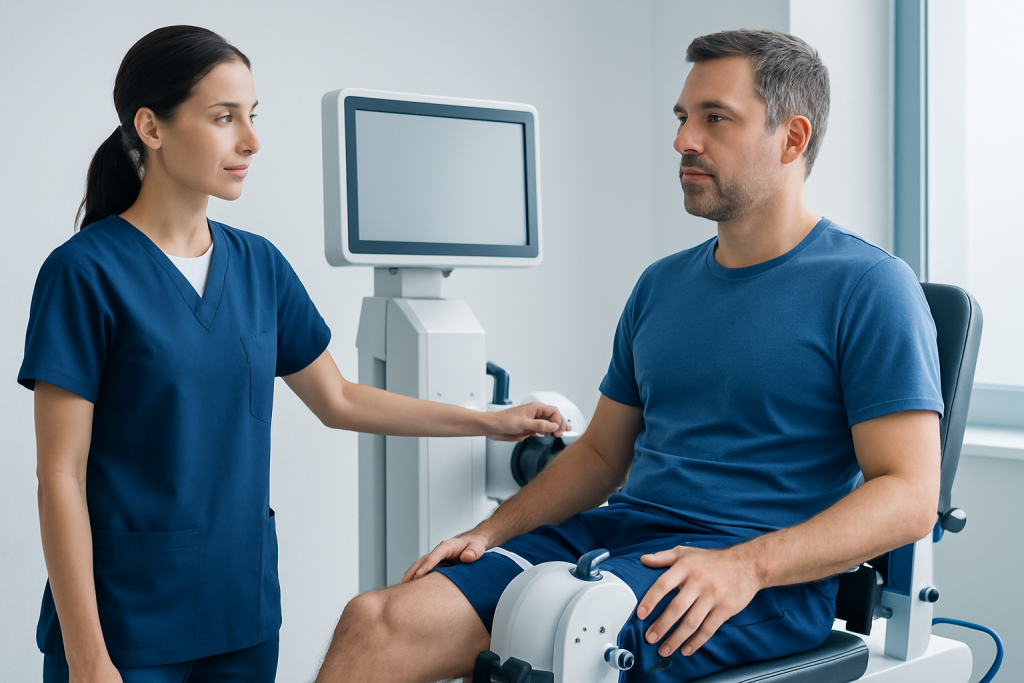
A physical therapist begins with a detailed assessment. This usually includes questions about symptoms, when the problem started, how it affects walking, stairs, sleep, work, exercise, or self-care, and whether there are warning signs that need medical referral. The therapist then performs an examination that may include range of motion, strength, flexibility, balance, gait, coordination, posture, and pain-provocation tests.
After the assessment, the therapist explains the likely source of the problem in clear language and sets realistic goals with the patient. These goals may include walking farther, climbing stairs with less pain, improving shoulder motion, returning to sport, or reducing fall risk. Progress is then tracked over time using repeat measurements, symptom changes, and function-based outcomes.
Treatment can involve several components, depending on the diagnosis and person’s needs:
- Therapeutic exercise to improve strength, mobility, stability, and endurance
- Movement retraining for walking, lifting, reaching, or sport-specific tasks
- Manual therapy, when appropriate, to support joint or soft tissue mobility
- Balance and coordination training
- Education on posture, pacing, ergonomics, and self-management
- Home exercise programs designed to maintain progress between visits
The aim is not only short-term symptom relief but also better function and lower risk of repeated injury. A physical therapist often works together with orthopedic, neurological, rehabilitation, pain, or primary care teams when symptoms are complex or recovery needs a multidisciplinary approach.
Who May Benefit From Physical Therapy

Physical therapy may help people of many ages and health backgrounds. It is commonly used for musculoskeletal problems such as low back pain, neck pain, shoulder pain, arthritis-related stiffness, tendon injuries, sprains, and recovery after fractures. It can also be useful after surgeries involving joints, bones, ligaments, tendons, or the spine.
Beyond orthopedic care, a physical therapist may assist with balance disorders, deconditioning after illness, gait problems, mobility decline in older adults, and some neurological conditions that affect movement and coordination. For example, rehabilitation may be part of care after a stroke or with conditions that reduce strength and control. Related medical issues may also overlap with lumbar disc herniation or scoliosis, where movement patterns, pain, and physical function can all be affected.
People do not need to be athletes to benefit. Office workers with posture-related strain, parents lifting young children, manual laborers returning to work, and older adults trying to stay independent may all benefit from targeted rehabilitation. In many cases, physical therapy also helps people understand what is safe to do, which can reduce fear of movement and support gradual return to normal activities.
Common Myths and What Medical Evidence Shows
One common myth is that a physical therapist only provides a list of stretches. In reality, the profession relies on assessment, clinical reasoning, and structured rehabilitation. Exercise is often central, but it is chosen for a specific reason: to improve a measurable problem such as weakness, stiffness, poor balance, altered movement control, or reduced endurance.
Another myth is that physical therapy should hurt to work. Some discomfort may occur during recovery, especially after surgery or when starting new movement, but severe or worsening pain is not the goal. A physical therapist typically adjusts the program to the person’s tolerance and medical condition. Progress is usually safest when it is gradual, consistent, and monitored.
It is also inaccurate to assume that rest alone is the best solution for every painful condition. For many common musculoskeletal problems, prolonged inactivity can lead to stiffness, deconditioning, and slower recovery. Appropriate activity, symptom-guided exercise, and education often play an important role. That said, some conditions require medical imaging, medication, immobilization, or surgery first, which is why careful evaluation matters.
Finally, manual therapy or machines are not the entire treatment. Hands-on care, heat, ice, or other modalities may sometimes help symptoms, but they are usually most useful when combined with active rehabilitation. The strongest long-term benefits often come from improving movement habits, strength, balance, and confidence in daily activity.
What to Expect During Assessment and Treatment
At the first visit, the physical therapist usually reviews health history, current symptoms, medications, prior injuries, imaging results if available, and personal goals. They may ask what makes symptoms better or worse, whether the pain spreads, and whether there are numbness, weakness, dizziness, falls, or other associated problems. This helps the therapist decide whether treatment is appropriate or whether another medical opinion is needed.
The physical examination is practical and goal-focused. A patient may be asked to stand, walk, squat, reach, raise an arm, turn the head, or perform other movements related to the complaint. Strength, flexibility, reflexes, sensation, joint mobility, and balance may also be checked. The therapist uses this information to identify the main functional limitations rather than focusing only on the site of pain.
Treatment plans are individualized. Some people need a short course of therapy with self-management advice, while others need longer rehabilitation after surgery, major injury, or neurological illness. Programs may evolve over time, moving from pain control and gentle mobility work toward strengthening, endurance, and return to work or sport. In some cases, care may be part of broader physical therapy and rehabilitation services.
Home exercises are usually an important part of progress. These are often simple, targeted movements done regularly between appointments. Adherence matters: the benefits of physical therapy are usually strongest when the patient understands the purpose of each exercise and practices it consistently within the plan recommended by the therapist.
Conditions That May Need Broader Medical Care
While a physical therapist can help with many movement-related problems, not every symptom should be managed with rehabilitation alone. Persistent pain may sometimes reflect a structural issue, inflammatory condition, nerve compression, or another medical problem that needs diagnosis first. For example, severe joint damage, unstable fractures, progressive neurological symptoms, or advanced spine problems may need specialist evaluation.
For some people, physical therapy is part of care before or after procedures. After operations such as joint replacement, ligament repair, or certain spine surgeries, rehabilitation helps restore strength and function safely. Depending on the diagnosis, this may be coordinated with services such as orthopedic rehabilitation or spine surgery when clinically indicated.
In people with chronic pain, a physical therapist may also work alongside physicians, pain specialists, neurologists, or rehabilitation doctors. The goal is not only to treat symptoms but also to improve sleep, movement tolerance, confidence, and participation in normal life. Recovery is often most effective when treatment addresses both the body and the practical habits that affect daily function.
Self-care, Prevention, and How to Get the Most From Therapy
Many movement problems improve more effectively when professional treatment is combined with daily self-care. Helpful measures may include staying as active as symptoms safely allow, following the home program, managing workload and posture, taking breaks during repetitive tasks, and using supportive movement strategies taught by the therapist. Good sleep, balanced nutrition, and gradual return to activity can also support recovery.
Prevention is not only about avoiding exercise or strain. In many cases, preventing recurrence means improving strength, flexibility, balance, and body mechanics for the tasks a person actually does every day. A physical therapist may teach safer lifting, stair climbing, workstation setup, warm-up routines, or sport-specific movement patterns based on individual needs.
People often get the best results when they ask questions and understand the plan. Knowing what level of soreness is expected, how often to do exercises, and when to progress or pause can make rehabilitation more effective. If symptoms change, the program should be reviewed rather than abandoned.
Near the end of treatment, the therapist may shift focus from symptom relief to long-term maintenance. This can include a sustainable exercise routine, balance work for fall prevention, and strategies to manage occasional flare-ups without panic. For international patients who need coordinated rehabilitation and specialist input, Acibadem International’s multidisciplinary teams in JCI-accredited hospitals diagnose and treat a wide range of movement-related conditions.
When to Seek Medical Care
A person should seek medical care promptly if pain starts after a significant fall, collision, or other trauma; if there is sudden inability to bear weight or move a limb; or if symptoms are severe and worsening. Medical assessment is also important when pain is accompanied by fever, unexplained weight loss, night pain, swelling that is increasing, or signs of infection.
Urgent evaluation is needed for red-flag symptoms such as new numbness, marked weakness, loss of coordination, fainting, chest pain, shortness of breath, or changes in bowel or bladder control. These symptoms may point to conditions that require immediate medical attention rather than routine rehabilitation.
Even without emergency signs, a person should consider professional advice if pain lasts longer than expected, returns frequently, or limits work, sleep, exercise, or basic daily activities. A doctor or physical therapist can help determine whether rehabilitation is appropriate, whether imaging or specialist referral is needed, and how to begin treatment safely.
Frequently asked questions
What does a physical therapist do for patients?
A physical therapist evaluates pain, movement, strength, balance, and function, then creates a personalized treatment plan. The plan may include exercises, movement training, education, and hands-on techniques to help the person move better and do daily activities more comfortably.
Is a physical therapist only for sports injuries?
No. Physical therapists help with many conditions beyond sports injuries, including back and neck pain, arthritis, balance problems, recovery after surgery, neurological conditions, and mobility decline related to aging or illness. Their role is broad and focused on restoring function.
Do I need a doctor before seeing a physical therapist?
This depends on local healthcare rules, insurance requirements, and the person’s symptoms. Some people can see a physical therapist directly, while others may need a physician referral. If there are red-flag symptoms such as trauma, severe weakness, numbness, fever, or bowel or bladder changes, medical assessment should come first.
How long does physical therapy usually take?
The length of treatment varies based on the condition, severity, overall health, and goals. Some problems improve over a few visits with a home program, while post-surgical or neurological rehabilitation may take longer. The therapist usually reviews progress regularly and adjusts the plan as recovery develops.
Will physical therapy be painful?
Physical therapy should not aim for severe pain. Some temporary discomfort or muscle soreness can happen, especially when starting exercises or rebuilding movement after injury, but treatment is generally adjusted to a safe and manageable level. If pain significantly worsens, the therapist should reassess the program.
What should someone wear or bring to a physical therapy appointment?
Comfortable clothing that allows easy movement is usually best, such as loose exercise wear and supportive shoes if walking or balance will be assessed. It is also helpful to bring any relevant imaging reports, a medication list, prior medical notes, and questions about symptoms or activity limits.
This article is for general information only and is not a substitute for professional medical advice. Please consult a qualified doctor about your individual situation.
Explore treatments in Turkey — costs, top hospitals & a free quote
JCI-accredited · board-certified surgeons · reply within 24h
Add us as a Preferred Source to see more of our trusted health content across Google Search, AI Overviews and Discover.

More from the Health Library

Tart Cherry Juice for Gout: A Complete Medical Overview

Blackmail: An Evidence-Based Guide for Patients

A h3n2 symptoms: A Complete Medical Guide for Patients

Juice Boxes — Explained by Medical Evidence, Not Myths

Anal Fissure: What Patients Need to Know