Tbi — Explained by Medical Evidence, Not Myths

TBI means traumatic brain injury, and it includes mild, moderate, and severe forms. A person can have a TBI even if brain scans are normal, especially with mild injury or concussion.
Key Takeaways
- TBI means traumatic brain injury, and it includes mild, moderate, and severe forms.
- A person can have a TBI even if brain scans are normal, especially with mild injury or concussion.
- Warning signs such as loss of consciousness, repeated vomiting, worsening headache, confusion, or seizures need urgent medical evaluation.
- Treatment depends on severity and may include observation, medicines, surgery, and rehabilitation.
- Early rest, gradual return to activity, and follow-up care can support recovery and reduce complications.
TBI meaning is traumatic brain injury, a medical term for brain dysfunction caused by a blow, bump, jolt, or penetrating injury to the head. TBI ranges from mild concussion to severe brain injury, and symptoms may appear right away or develop over hours to days.
What does TBI mean?
TBI meaning is traumatic brain injury. It describes a disruption in normal brain function caused by an external force, such as a blow to the head, a violent shaking movement, or an object penetrating the skull. In everyday language, people may use terms like “head injury” or “brain injury,” but TBI is the broader medical term doctors use to describe the condition.
TBI is not a single injury with one pattern. It can be mild, as in many concussions, or much more serious, causing bleeding, swelling, or damage to brain tissue. Some people recover fully with rest and monitoring, while others need emergency care, surgery, or rehabilitation.
One common misunderstanding is that TBI always causes immediate unconsciousness or shows up on a scan. In fact, a person may remain awake and still have a traumatic brain injury. Especially in mild TBI, symptoms such as headache, dizziness, concentration problems, or sensitivity to light may be more important than the initial appearance of the injury.
How traumatic brain injury happens
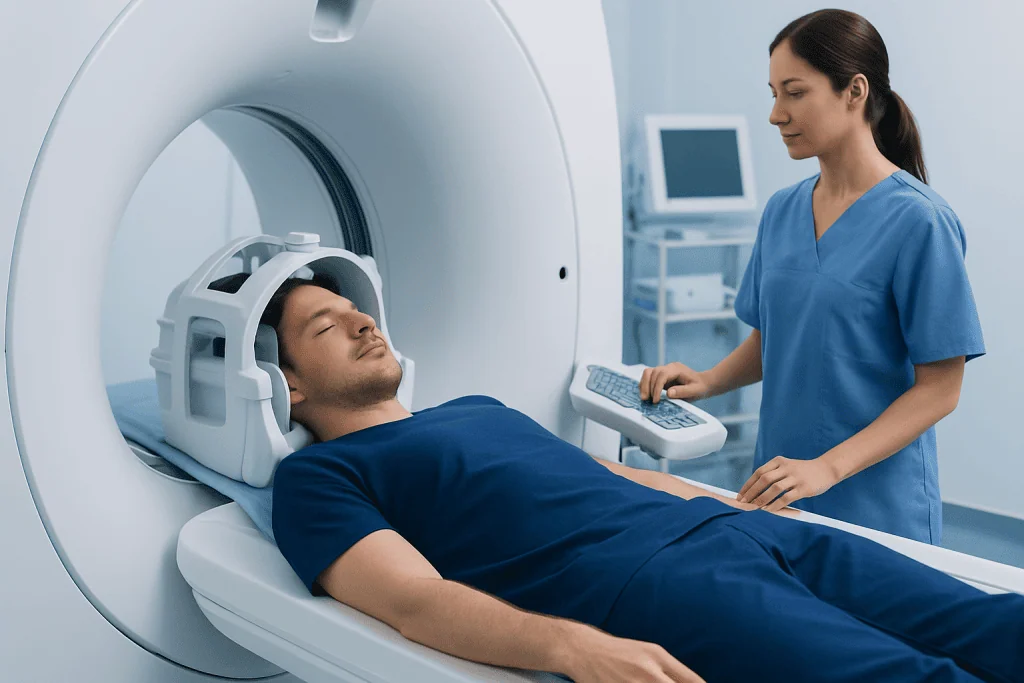
Traumatic brain injury happens when force causes the brain to move inside the skull or directly injures brain tissue. This can occur in falls, motor vehicle collisions, sports injuries, workplace incidents, physical assaults, or blast-related trauma. In older adults and very young children, falls are a particularly important cause.
Doctors often classify TBI by severity: mild, moderate, or severe. Mild TBI usually includes concussion and may involve brief confusion, memory gaps, or short loss of consciousness. Moderate and severe TBI are more likely to involve prolonged unconsciousness, major changes in behavior or awareness, bleeding inside the skull, or lasting neurological problems.
Another helpful way to understand TBI is to separate the immediate injury from secondary effects. The first injury occurs at the moment of impact. Afterward, swelling, bleeding, reduced oxygen, or inflammation may worsen damage, which is why medical assessment and monitoring can be important even if symptoms seem mild at first.
Some traumatic brain injuries overlap with other serious conditions, including stroke-like symptoms such as weakness or speech difficulty, especially when bleeding or swelling affects the brain. This is one reason sudden neurological symptoms after head trauma should never be ignored.
Symptoms of TBI: what patients may notice

TBI symptoms vary by the part of the brain affected and the severity of the injury. Mild TBI may cause headache, dizziness, nausea, blurred vision, ringing in the ears, sensitivity to noise or light, confusion, slowed thinking, or feeling “foggy.” Some people also notice fatigue, irritability, poor sleep, or difficulty remembering recent events.
Moderate to severe TBI can cause more obvious neurological problems. These may include repeated vomiting, worsening headache, unequal pupils, slurred speech, severe drowsiness, seizures, weakness, numbness, agitation, or inability to recognize people or places. Any decline in alertness after a head injury deserves urgent attention.
Children may show TBI differently from adults. Warning signs can include persistent crying, refusal to eat, unusual sleepiness, loss of interest in favorite activities, poor balance, or changes in school performance or behavior. Caregivers often notice that “something is not right” even when the child cannot describe symptoms clearly.
Symptoms do not always begin immediately. Headache, concentration difficulty, mood changes, or balance problems can emerge hours later. A delayed pattern does not make the injury less real, and it is one reason doctors may recommend observation after a significant head impact.
Causes, risk factors, and common myths
Anyone can experience a traumatic brain injury, but some groups face higher risk. These include young children, teenagers and young adults, older adults, athletes in contact sports, people who ride motorcycles or bicycles without helmets, and workers in environments with fall or impact hazards. Alcohol or drug use may also increase the chance of head trauma and can make symptoms harder to recognize.
Several myths can delay proper care. One is that a person must lose consciousness to have a TBI. Another is that a normal CT scan means there is no injury at all. In mild TBI, scans can be normal even when symptoms are clear. A third myth is that all concussions are minor; while many improve with time, some need careful follow-up because symptoms may persist.
It also helps to distinguish concussion from TBI. Concussion is generally considered a form of mild traumatic brain injury, so the terms are related rather than opposing. In other words, concussion is usually within the TBI spectrum, but TBI also includes more severe injuries involving structural brain damage.
People who have had one brain injury may be more vulnerable to problems after another, especially if the brain has not fully recovered. Repeated trauma can increase the chance of prolonged symptoms and may affect memory, attention, mood, and daily functioning.
How doctors diagnose TBI
Diagnosis begins with a medical history and neurological examination. Doctors ask how the injury happened, whether there was loss of consciousness or memory loss, what symptoms are present, and whether the person is taking blood thinners or has other medical conditions. They assess alertness, pupils, speech, strength, sensation, balance, and coordination.
Imaging may be needed depending on symptoms and the mechanism of injury. A CT scan is commonly used in emergency settings because it can quickly detect skull fractures, bleeding, and swelling. MRI may be used later in selected cases, especially when symptoms continue and more detail about brain tissue is needed. Advanced evaluation can also be important when symptoms overlap with other neurological disorders such as epilepsy or persistent vestibular problems.
For some patients, diagnosis also includes cognitive and symptom assessment over time. This may involve standardized concussion tools, memory and attention testing, or specialist review by neurology, neurosurgery, rehabilitation, or neuropsychology teams. Persistent headaches, sleep changes, mood symptoms, or concentration problems may need a broader recovery plan.
In hospitals with comprehensive neurological services, doctors may use a multidisciplinary approach to decide whether observation, admission, surgery, or rehabilitation is most appropriate. If there is concern about significant bleeding, skull injury, or pressure on the brain, urgent evaluation by specialists in neurosurgery may be needed.
Treatment options and recovery
TBI treatment depends on how severe the injury is and which symptoms are present. Mild cases often need physical and cognitive rest for a short period, monitoring for danger signs, and a gradual return to normal activity under medical guidance. Pain relief may be recommended, but patients should follow a doctor’s advice, especially if there is any concern about bleeding risk.
Moderate and severe TBI may require emergency care, hospital observation, intensive care, or surgery. Treatment can include managing oxygen levels and blood pressure, preventing seizures in selected cases, treating pain and nausea, and reducing pressure inside the skull. If there is a blood clot, skull fracture, or pressure effect on the brain, surgical treatment may be necessary. In some cases, advanced brain care may include brain surgery as part of lifesaving management.
Recovery does not end when the acute injury is stable. Many people benefit from rehabilitation focused on movement, speech, memory, balance, and daily activities. This may involve physical therapy, occupational therapy, speech-language therapy, and cognitive rehabilitation. Structured follow-up is especially helpful for dizziness, return-to-work planning, or ongoing attention and fatigue problems.
Some patients develop lasting symptoms known as post-concussive or post-traumatic difficulties. These can include headache, poor concentration, sleep changes, anxiety, or sensitivity to light and noise. A personalized plan, rather than a one-size-fits-all approach, usually gives the best support for recovery. Where ongoing neurological assessment is needed, a specialist may consider neurology care to guide symptom management and follow-up.
Self-care, prevention, and return to daily life
After a mild TBI, early self-care usually includes rest, hydration, regular meals, and avoiding activities that worsen symptoms. It is often wise to limit intense exercise, heavy screen use, loud environments, and risky activities until symptoms begin to improve. However, prolonged complete inactivity is not always helpful, so patients should follow a clinician’s advice about a gradual return to school, work, or sport.
Sleep is an important part of healing. Gentle routines, a quiet environment, and a consistent bedtime may help reduce fatigue and mental strain. Alcohol and recreational drugs should be avoided during recovery because they can worsen symptoms, affect judgment, and hide warning signs.
Prevention focuses on reducing the chance of head trauma. Practical steps include wearing seat belts, using age-appropriate car seats, wearing helmets for cycling and contact sports, improving fall safety at home, and following workplace safety measures. Older adults may benefit from medication review, vision checks, balance training, and home modifications to lower fall risk.
Returning to normal activity should be gradual. If headache, dizziness, confusion, or other symptoms worsen during exercise, work, or study, the person should slow down and seek medical advice. Recovery is often measured in steps, and a careful pace can help prevent setbacks.
When to seek medical care
Urgent medical care is needed after a head injury if a person loses consciousness, has repeated vomiting, develops a severe or worsening headache, becomes increasingly confused or hard to wake, has a seizure, or shows weakness, numbness, slurred speech, or clear fluid coming from the nose or ears. People taking blood thinners should also be assessed promptly after a significant head injury, even if symptoms seem mild at first.
Medical review is also important for symptoms that persist beyond a few days, interfere with school or work, or affect mood, memory, sleep, or balance. Children, older adults, and anyone with repeated head injuries deserve special attention because symptoms may be subtle or recovery may take longer.
If symptoms are severe or changing quickly, emergency services are the safest choice. For planned evaluation and follow-up, multidisciplinary specialists can help assess neurological symptoms, imaging needs, and rehabilitation goals. Acibadem International’s multidisciplinary specialists and JCI-accredited hospitals diagnose and treat traumatic brain injury for international patients when expert neurological care is needed.
Frequently asked questions
Is TBI the same as a concussion?
Not exactly. Concussion is generally considered a type of mild traumatic brain injury, while TBI is the broader medical term that includes mild, moderate, and severe injuries. So all concussions are usually within the TBI spectrum, but not all TBIs are concussions.
Can someone have a TBI without losing consciousness?
Yes. Many people with mild TBI never pass out. Symptoms such as confusion, headache, dizziness, memory gaps, or feeling mentally slowed can still indicate a traumatic brain injury.
Can a CT scan be normal after a TBI?
Yes, especially in mild TBI or concussion. A CT scan is very useful for finding urgent problems like bleeding or skull fracture, but it may look normal even when symptoms are real. Doctors diagnose mild TBI based on the injury history, symptoms, and neurological examination as well as imaging when needed.
How long does recovery from TBI take?
Recovery time varies widely. Some people with mild TBI improve within days to weeks, while others have symptoms for months. Moderate and severe injuries often require longer rehabilitation and closer follow-up.
What should be avoided after a mild TBI?
It is usually best to avoid activities that risk another head injury, heavy exertion too soon, alcohol, and anything that clearly worsens symptoms. Many people also need to reduce screen time, loud environments, or intense concentration for a short period. A clinician can guide a safe, gradual return to normal routines.
When should a child with a head injury see a doctor?
A child should be evaluated urgently if there is loss of consciousness, repeated vomiting, unusual drowsiness, seizure, worsening headache, poor balance, or behavior that seems clearly abnormal. Medical advice is also important if the child cannot be comforted, refuses to eat, or has symptoms that continue or worsen over time.
References
- Centers for Disease Control and Prevention
- National Institute of Neurological Disorders and Stroke
- World Health Organization
- American Association of Neurological Surgeons
- Brain Trauma Foundation
This article is for general information only and is not a substitute for professional medical advice. Please consult a qualified doctor about your individual situation.
Explore treatments in Turkey — costs, top hospitals & a free quote
JCI-accredited · board-certified surgeons · reply within 24h
Add us as a Preferred Source to see more of our trusted health content across Google Search, AI Overviews and Discover.

More from the Health Library

Adding Salt to Water: A Complete Medical Overview

Orgovyx and Alcohol: What Patients Need to Know

Omega 3 Linseed: An Evidence-Based Guide for Patients
Vq Scan: An Evidence-Based Guide for Patients

Inside the Blood: What Patients Need to Know