Glute Muscles: What Patients Need to Know
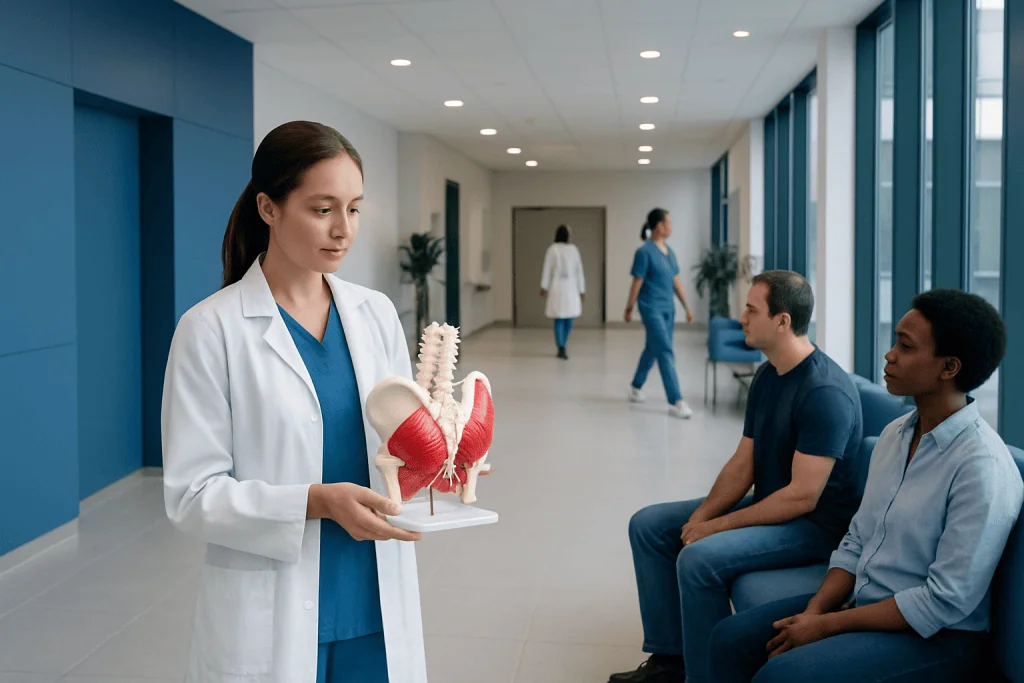
The glute muscles include the gluteus maximus, gluteus medius, and gluteus minimus. These muscles are important for hip movement, posture, balance, and pelvic stability.
Key Takeaways
- The glute muscles include the gluteus maximus, gluteus medius, and gluteus minimus.
- These muscles are important for hip movement, posture, balance, and pelvic stability.
- Glute pain or weakness may result from muscle strain, overuse, inactivity, poor movement patterns, or nearby nerve or joint problems.
- Diagnosis often relies on a history, physical examination, and sometimes imaging if symptoms are persistent or unclear.
- Treatment usually includes activity modification, guided exercise, physical therapy, and addressing the underlying cause.
- Medical review is important if pain is severe, follows injury, causes weakness or numbness, or does not improve.
Glute muscles are the three main muscles of the buttocks that help a person stand, walk, climb stairs, and keep the pelvis stable. When these muscles become weak, tight, strained, or irritated, they can contribute to hip, buttock, or lower back discomfort and changes in movement.
Overview: what the glute muscles do
The glute muscles are the large muscles of the buttocks. They include the gluteus maximus, gluteus medius, and gluteus minimus. Together, they help move the hip, support the pelvis, and keep the body steady during standing, walking, climbing, and many everyday activities.
Patients often think of the glutes mainly as muscles involved in exercise or appearance, but their medical importance is broader. Healthy glute muscles help absorb force, reduce stress on the lower back and knees, and contribute to balance and efficient movement. When they are weak, tight, or injured, a person may notice discomfort not only in the buttock area but also in the hips, groin, thighs, or lower back.
The three muscles have slightly different roles. The gluteus maximus is the largest and helps extend and rotate the hip, especially during rising from a chair, climbing stairs, or moving uphill. The gluteus medius and minimus lie deeper at the side of the hip and are especially important for pelvic stability when a person stands on one leg during walking.
Because the glute muscles work closely with the hip joint, pelvis, lower back, and surrounding nerves, pain in this region is not always caused by the muscle itself. A careful assessment can help distinguish muscle strain from other causes such as tendon irritation, hip joint conditions, or nerve-related pain.
Common symptoms linked to glute muscle problems
Symptoms related to the glute muscles can vary depending on whether the issue is weakness, overuse, strain, tendon irritation, or a nearby joint or nerve problem. The most common complaint is aching or tenderness in the buttock or outer hip. Some people feel discomfort only during movement, while others notice stiffness after sitting for long periods.
Glute-related problems may also affect the way a person moves. Walking may feel less steady, climbing stairs may become difficult, or standing on one leg may feel uncomfortable. Athletes and physically active people sometimes describe pain during running, squatting, or sudden changes in direction. People with weakness may notice poor control of the pelvis or a feeling that one hip “drops” when walking.
Symptoms can include:
- Buttock pain or soreness
- Outer hip tenderness
- Weakness during stair climbing or rising from a chair
- Stiffness after rest or prolonged sitting
- Pain during walking, running, or squatting
- Discomfort that seems to spread toward the thigh or lower back
Not all buttock pain comes from the glute muscles. If there is numbness, tingling, burning pain, or symptoms extending below the knee, a clinician may also consider causes such as irritation of the sciatic nerve or a lower spine problem, including herniated disc.
Why glute muscles become painful or weak
Glute muscle pain or weakness often develops from a combination of load, posture, and movement habits. A sudden increase in exercise, an awkward movement, or direct trauma can cause a strain. In other cases, the problem builds gradually when the muscles are underused, become deconditioned, or are asked to compensate for poor hip or core mechanics.
Long periods of sitting can contribute to reduced glute activation and tightness around the hips. Repetitive activities such as running, hill walking, stair climbing, or heavy lifting may overload the gluteal muscles or tendons, especially if technique is poor or recovery is limited. Weakness in nearby muscle groups, reduced flexibility, or altered gait can also increase stress on this area.
Risk factors and related causes may include:
- Muscle strain from exercise or sudden movement
- Physical inactivity or prolonged sitting
- Overuse from sports or repetitive work
- Poor posture or movement patterns
- Hip tendon irritation or bursitis-like pain around the outer hip
- Lower back disorders or nerve compression
- Hip joint disease such as hip osteoarthritis
Sometimes the pain is not in the muscle belly itself but in the tissue where the gluteal tendons attach to the side of the hip. A person may feel tenderness when lying on one side or pain during walking. In other cases, buttock pain may reflect issues in the sacroiliac joint, spine, or deeper structures around the pelvis, so persistent symptoms deserve proper evaluation.
How doctors evaluate glute muscle symptoms
Diagnosis begins with a detailed medical history. A doctor will usually ask when the pain started, whether there was an injury, what movements make symptoms worse, and whether there are warning signs such as fever, sudden weakness, or numbness. Understanding daily activity, exercise habits, and work demands can also help identify overuse or movement-related causes.
The physical examination typically includes checking posture, walking pattern, hip range of motion, tenderness, muscle strength, and balance. Specific tests may help identify whether pain comes mainly from the glute muscles, gluteal tendons, the hip joint, or the lower back. A clinician may also assess the lumbar spine and nerves if symptoms radiate down the leg.
Imaging is not always needed for simple muscle strain, especially when symptoms are mild and improving. However, tests may be helpful if pain is severe, persistent, unexplained, or associated with trauma. Depending on the situation, a doctor may recommend an MRI scan to assess muscles, tendons, and nearby structures or X-ray imaging to look for bone or joint-related causes.
In selected cases, further evaluation may be needed to rule out fractures, tendon tears, inflammatory conditions, or nerve disorders. This step-by-step approach helps avoid unnecessary testing while making sure more serious causes are not missed.
Treatment options for glute muscle pain and weakness
Treatment depends on the underlying cause. Many glute muscle problems improve with conservative care, especially when addressed early. The first steps often include reducing or modifying activities that trigger pain, allowing the tissue time to recover, and gradually reintroducing movement in a controlled way.
Physical therapy is commonly recommended. A structured program may focus on restoring hip mobility, improving glute strength, correcting movement patterns, and supporting the core and pelvis. Exercises are usually progressed carefully, starting with low-load activation and advancing toward functional tasks such as walking, stair use, and sport-specific movement. For patients who need guided recovery after injury or long-standing weakness, physical therapy and rehabilitation can play an important role.
Other supportive treatments may include short-term pain relief measures, heat or cold as advised by a clinician, and temporary adjustments to training or work activities. If symptoms are related to a hip or spine condition, treatment may also target that underlying issue. In some cases, referral to specialists in orthopedics and traumatology may be appropriate when symptoms persist, function is limited, or tendon or joint damage is suspected.
Surgery is uncommon for routine glute muscle strain but may be considered for selected structural problems, such as significant tendon tears or certain hip conditions. The best treatment plan is individualized, based on symptoms, examination findings, general health, and activity goals.
Prevention and self-care in daily life
Looking after the glute muscles involves a balance of regular activity, strength work, mobility, and recovery. For many patients, prevention starts with reducing long periods of uninterrupted sitting and building healthy movement habits into the day. Standing up regularly, walking breaks, and mindful posture can all help keep the hips and pelvis moving more naturally.
Exercise programs that strengthen the hips, thighs, and core may reduce the chance of overload and improve lower-body mechanics. A gradual increase in exercise intensity is usually safer than sudden changes in distance, speed, weight, or terrain. Warming up before activity and allowing enough recovery after harder sessions can also support muscle health.
Helpful self-care habits may include:
- Regular movement breaks during prolonged sitting
- Progressive strengthening of the glutes and core
- Flexibility and mobility work for the hips
- Good technique during lifting, running, or gym exercise
- Supportive footwear when appropriate for activity
- Listening to early signs of fatigue or overload
If discomfort starts, it is often better to adjust activity rather than push through worsening pain. Gentle movement is usually preferable to complete inactivity, but persistent symptoms should be reviewed by a qualified clinician to confirm the diagnosis and guide recovery safely.
When to seek medical care
Many minor glute muscle problems improve with rest, activity modification, and guided exercise. However, medical assessment is important if pain is severe, follows a fall or other injury, or makes it difficult to walk, stand, or sleep. A doctor should also assess symptoms that keep returning or fail to improve after a reasonable period of self-care.
Prompt medical review is especially important if buttock or hip pain is accompanied by numbness, tingling, marked weakness, fever, unexplained weight loss, or bowel or bladder changes. These symptoms may suggest a problem beyond a simple muscle issue and need timely evaluation.
People with long-standing hip or back conditions, older adults, and those returning to sport after injury may benefit from earlier professional advice. Near the end of the care pathway, some patients may need coordinated input from rehabilitation, orthopedics, sports medicine, or imaging specialists. Acibadem International’s multidisciplinary specialists and JCI-accredited hospitals diagnose and treat musculoskeletal conditions for international patients when further assessment is needed.
Early evaluation can often lead to a clearer diagnosis, more targeted treatment, and a safer return to normal activity. Seeking help does not always mean something serious is wrong; it is often the best way to prevent a minor problem from becoming a prolonged one.
Frequently asked questions
What are the glute muscles?
The glute muscles are the three muscles of the buttocks: gluteus maximus, gluteus medius, and gluteus minimus. They help move the hip, keep the pelvis stable, and support walking, standing, climbing, and balance.
Can weak glute muscles cause back or knee pain?
They can contribute to it in some people. When the glutes do not support the hips and pelvis well, extra stress may be placed on the lower back, knees, and other muscles during movement.
How can someone tell if glute pain is from the muscle or something else?
Muscle-related pain is often linked to movement, exercise, tenderness, or weakness around the buttock or outer hip. If symptoms include numbness, tingling, pain below the knee, or severe persistent pain, a doctor may look for nerve, spine, or hip joint causes as well.
Do glute muscle strains heal on their own?
Many mild strains improve with time, relative rest, and gradual return to activity. Recovery is usually better when the person avoids painful overload and follows a structured strengthening plan if advised by a clinician.
What exercises help the glute muscles?
Common approaches include exercises that improve hip extension, side-hip strength, and pelvic control. The most suitable exercises depend on the person's symptoms, fitness level, and diagnosis, so professional guidance can be helpful when pain is present.
When should a person see a doctor for glute muscle pain?
Medical advice is recommended if pain is severe, starts after injury, limits walking, or does not improve with self-care. A person should seek prompt evaluation if there is weakness, numbness, fever, unexplained weight loss, or bowel or bladder symptoms.
References
- American Academy of Orthopaedic Surgeons
- National Institute of Arthritis and Musculoskeletal and Skin Diseases
- MedlinePlus
- National Health Service
- American Physical Therapy Association
This article is for general information only and is not a substitute for professional medical advice. Please consult a qualified doctor about your individual situation.
Explore treatments in Turkey — costs, top hospitals & a free quote
JCI-accredited · board-certified surgeons · reply within 24h
Add us as a Preferred Source to see more of our trusted health content across Google Search, AI Overviews and Discover.