Pimple on Lip: A Complete Medical Overview
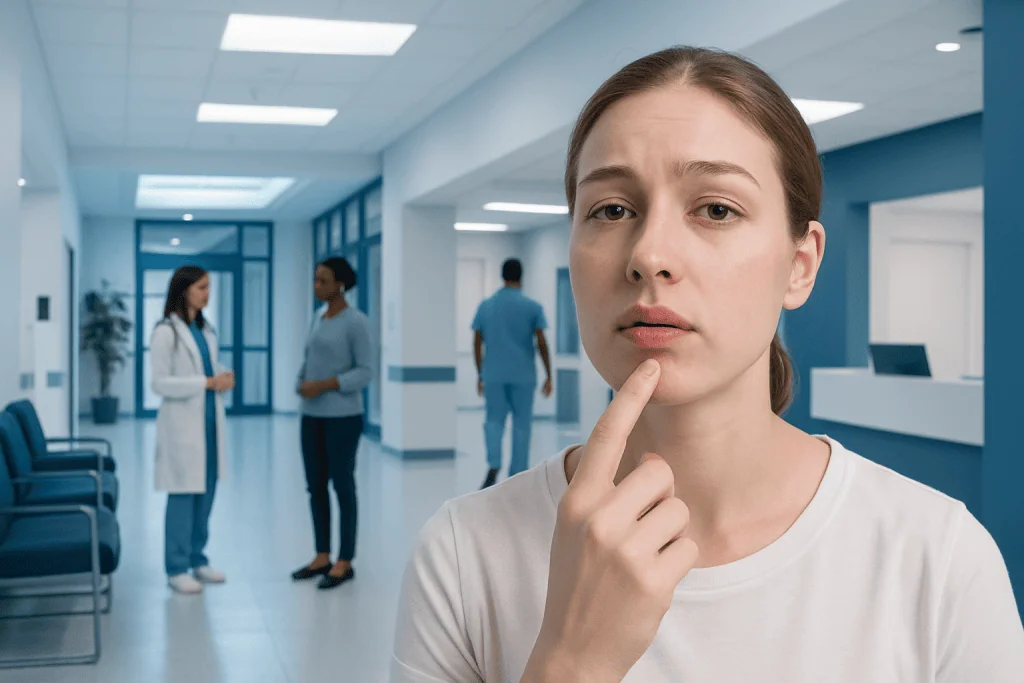
A pimple on lip is usually harmless, but bumps directly on the lip surface are not always acne. Common triggers include clogged pores, lip products, shaving, friction, and touching the area.
Key Takeaways
- A pimple on lip is usually harmless, but bumps directly on the lip surface are not always acne.
- Common triggers include clogged pores, lip products, shaving, friction, and touching the area.
- Cold sores, mucoceles, cysts, and allergic reactions can look similar and may need different care.
- Avoid squeezing or picking a lip bump, as this can worsen inflammation and increase infection risk.
- Medical review is important if the bump is recurrent, very painful, spreading, or does not improve within a couple of weeks.
A pimple on lip is commonly caused by a clogged pore, friction, cosmetics, or local irritation, especially on the skin bordering the lips. However, not every lip bump is acne, so persistent, painful, or recurring lesions should be assessed to rule out conditions such as cold sores, cysts, or inflammation.
Overview: What a Pimple on Lip Usually Means
A pimple on lip usually refers to a small inflamed bump on or near the border of the lips. In many cases, it develops from a clogged pore, trapped oil, dead skin cells, or irritation from products or friction. These bumps can look red, white-tipped, tender, or slightly swollen, and they are often most noticeable on the skin just above or below the lip rather than on the moist pink lip itself.
It is important to know that not every bump in this area is a true pimple. The lip region can also develop cold sores, inflamed hair follicles, contact dermatitis, small cysts, or mucus retention cysts called mucoceles. Because the lips are sensitive and exposed to saliva, food, cosmetics, shaving, and weather, several different conditions can create a similar appearance.
Most isolated pimples near the lip improve with gentle skin care and time. Still, a bump that is recurrent, clustered, blister-like, or slow to heal may point to another cause. Distinguishing a simple pimple from an infection or another skin condition helps guide the right next step and can prevent unnecessary squeezing, irritation, or self-treatment.
Common Symptoms and How Lip Pimples Can Look
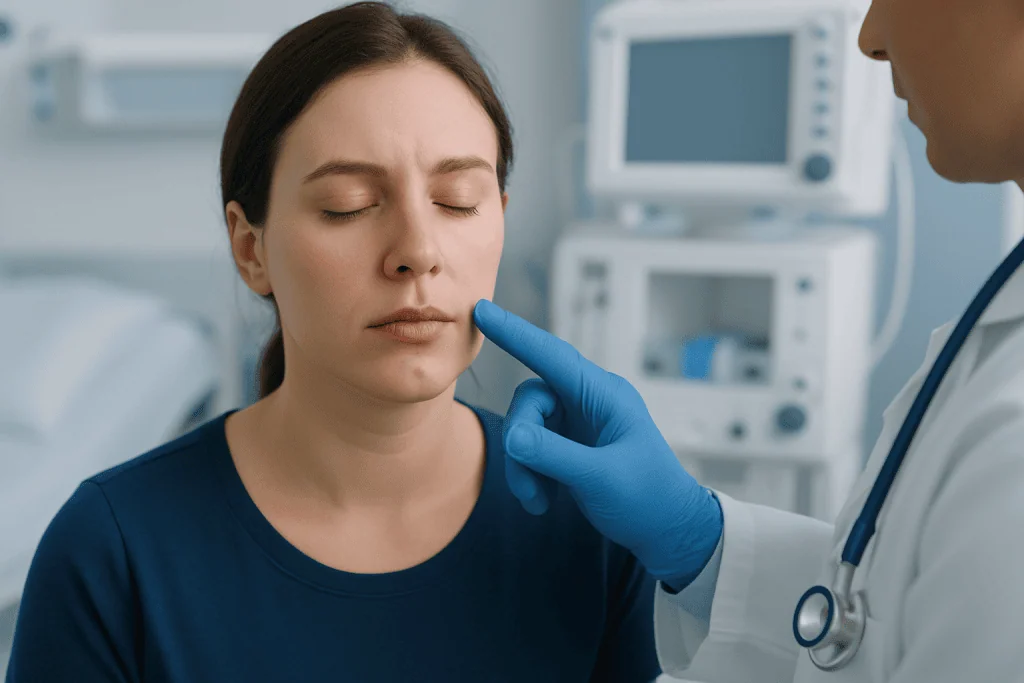
A pimple near the lip often appears as a small raised bump that may be red, white, or skin-colored. Some people notice tenderness, mild throbbing, or a sensation of fullness before the spot becomes visible. If the pore is blocked close to the surface, a whitehead may form; if inflammation is deeper, the bump can feel firmer and more sore.
Symptoms vary depending on the exact cause. Acne-related spots may be single or occur with other facial breakouts. Folliculitis, which is inflammation around a hair follicle, can resemble a pimple and may follow shaving or hair removal. Irritation from lip balm, toothpaste, or cosmetics can lead to clusters of small bumps or a rash-like texture.
Features that suggest the bump may not be a standard pimple include:
- tingling, burning, or blistering before the bump appears
- a group of fluid-filled lesions rather than one solid bump
- a smooth, translucent, or bluish swelling inside the lip
- crusting, repeated recurrence in the same spot, or a lesion that persists
- marked swelling, pus drainage, or increasing pain
Because different lip lesions overlap in appearance, the full pattern matters more than one symptom alone. Duration, location, and recurrence often provide useful clues.
Causes and Risk Factors
The most common cause of a pimple on lip-adjacent skin is a clogged pore. Oil, dead skin cells, sweat, and environmental debris can block the pore opening, leading to a whitehead, blackhead, or inflamed papule. The area around the mouth is also prone to irritation from frequent touching, mask friction, shaving, and residue from lip products or sunscreen.
Several everyday factors can increase the chance of developing these bumps. Heavy or occlusive cosmetics, fragranced balms, and comedogenic skin products may contribute in some people. Shaving, waxing, or plucking can inflame follicles. Stress, hormonal changes, and acne-prone skin may also make breakouts more likely around the mouth.
Other causes can mimic acne. A recurrent blistering lesion may represent a herpes simplex infection rather than a pimple. A soft swelling inside the lip may be a mucocele from a blocked minor salivary gland. Bacterial folliculitis, angular irritation at the lip corners, and allergic or irritant contact dermatitis are additional possibilities. In some cases, lip bumps may be associated with broader skin conditions that affect the face and mouth area.
Risk factors that may play a role include:
- acne-prone or sensitive skin
- frequent lip licking or touching the mouth area
- use of oily or fragranced lip and facial products
- shaving or hair removal around the lips
- recent illness, stress, or skin barrier irritation
Pimple or Something Else? Key Differences
One of the most useful questions is whether the bump is on the surrounding skin or on the actual pink lip tissue. True acne lesions usually form where pores and hair follicles are present, which means they are more likely on the skin at the lip border rather than the inner lip. A lesion on the wet inner lip, especially if smooth or cyst-like, is less likely to be acne.
A cold sore often starts with tingling, burning, or itching, followed by grouped blisters that may break and crust. By contrast, a pimple tends to be a single inflamed bump, sometimes with a white center, and usually lacks the early tingling phase. If a lesion keeps returning in the same place, especially after stress, sun exposure, or illness, a viral cause becomes more likely than a simple blocked pore.
Small white or yellowish dots on the lips can also be Fordyce spots, which are visible sebaceous glands and are generally harmless. A mucocele often appears inside the lower lip as a dome-shaped, painless, fluid-filled swelling. If the appearance is unclear or the lesion does not follow the expected course of a healing pimple, a doctor may suggest a closer skin evaluation or, if needed, dermatology assessment and treatment.
Diagnosis and Medical Evaluation
Diagnosis is usually based on the history and a physical examination. A clinician will ask when the bump appeared, whether it is painful or itchy, whether it has recurred before, and whether there were triggers such as a new product, shaving, illness, or sun exposure. The location of the lesion and whether it looks solid, pustular, blistering, or cystic help narrow the diagnosis.
Most lip-area pimples do not require tests. However, if the lesion is unusual, severe, spreading, or recurrent, additional evaluation may be recommended. A swab may be used when a viral or bacterial infection is suspected, and persistent lesions may occasionally need a more detailed skin or oral examination.
Medical evaluation is especially useful when the bump does not improve after simple care, keeps returning, or is accompanied by fever, extensive swelling, or difficulty eating. Depending on the suspected cause, a person may benefit from a clinical check-up or targeted assessment by skin, oral, or infectious disease specialists.
Treatment Options and Safe Home Care
For a simple pimple near the lip, treatment usually focuses on reducing irritation and allowing the area to heal naturally. Gentle cleansing once or twice daily, avoiding heavy lip products, and keeping hands away from the area can help. Warm compresses may ease discomfort and encourage drainage if the bump is superficial, but squeezing or puncturing it should be avoided.
Topical acne products can help in some cases, but the lip area is delicate. Ingredients such as benzoyl peroxide, salicylic acid, or retinoids may irritate the lips if used too close to the mucosal surface. When over-the-counter products are used, they should be applied carefully to the surrounding skin only and stopped if burning or significant dryness occurs. If the bump may be a cold sore or dermatitis rather than acne, these products may worsen discomfort.
Medical treatment depends on the cause. A bacterial infection may need prescription therapy, while a cold sore may require antiviral treatment. Persistent cystic lesions, recurrent inflammatory spots, or uncertain diagnoses may be managed through targeted acne treatment or specialist care. If a lesion seems to arise from a broader oral or skin issue, doctors may coordinate with oral and dental health services for a full evaluation.
General supportive steps include:
- stop picking, squeezing, or scrubbing the bump
- avoid new cosmetics and fragranced lip products until it heals
- use a mild cleanser and a simple non-irritating moisturizer on nearby skin
- replace old lip products if contamination is a concern
- seek medical advice before using medicated creams on the lip itself
Prevention and Everyday Self-Care
Prevention starts with protecting the skin barrier around the mouth. Gentle cleansing, removing makeup fully, and choosing non-comedogenic skin and lip products may reduce blocked pores. People who notice repeated breakouts after certain balms, lipsticks, or sunscreens may benefit from simplifying their routine and reintroducing products one at a time.
Good shaving habits can also help when bumps occur around the upper lip or chin. Using a clean razor, shaving with lubrication, and avoiding aggressive passes over irritated skin may lower the risk of folliculitis and ingrown hairs. If hair removal frequently causes inflammation, discussing alternative methods with a clinician may be useful.
Daily habits matter as well. Touching the face less often, cleaning reusable masks, and avoiding lip licking can reduce irritation and contamination. Balanced skin care, stress management, and attention to triggers may lower recurrences in people prone to acne or facial sensitivity.
For international patients who need further assessment, Acibadem International’s multidisciplinary specialists in JCI-accredited hospitals diagnose and treat skin and oral conditions, including lip-area lesions, with coordinated care when appropriate.
When to Seek Medical Care
Most isolated lip-area pimples settle within days to two weeks, but some symptoms deserve medical review sooner. A doctor should assess a bump that rapidly enlarges, becomes very painful, feels hot, or is associated with pus, fever, or spreading redness. These signs can suggest infection or deeper inflammation rather than a minor clogged pore.
Medical advice is also appropriate when a lesion keeps returning, appears in clusters, starts with tingling or blistering, or develops on the inner lip. A persistent bump that does not heal, crusts repeatedly, bleeds, or changes in appearance should not be ignored, even if it seems small. Children, people with weakened immune systems, and anyone with severe facial swelling should be evaluated promptly.
In practical terms, it is wise to seek care if home measures are not helping after a reasonable period, or if there is uncertainty about whether the lesion is acne at all. An accurate diagnosis often leads to simpler and more effective treatment than repeated self-treatment.
Frequently asked questions
Can a pimple form directly on the lip?
A true acne pimple usually forms on the skin bordering the lips, where pores and hair follicles are present. A bump on the moist pink part of the lip is more likely to be something else, such as a cold sore, mucocele, or irritation.
How can someone tell the difference between a cold sore and a pimple on lip?
A cold sore often begins with tingling, burning, or itching and may form grouped blisters that crust over. A pimple is more often a single inflamed bump with a white center and usually does not start with tingling.
Is it safe to pop a pimple near the lip?
It is generally best not to pop or squeeze a pimple near the lip. Doing so can worsen inflammation, delay healing, and increase the risk of infection or scarring in this sensitive area.
What helps a pimple on lip heal faster?
Gentle cleansing, avoiding touching the area, and stopping irritating lip or skin products are often the most helpful first steps. A warm compress may provide comfort, but medicated acne products should be used carefully and not on the lip mucosa unless a clinician advises it.
When should a lip bump be checked by a doctor?
A doctor should assess a lip bump if it is very painful, recurrent, clustered, blistering, or not improving within about two weeks. Prompt evaluation is also important if there is fever, spreading redness, major swelling, or drainage.
Can lip balm or toothpaste cause bumps around the mouth?
Yes. Fragrances, flavoring agents, occlusive ingredients, and other irritants in lip balms, toothpaste, or cosmetics can trigger contact irritation or acne-like bumps in some people. If a pattern is suspected, simplifying products and discussing it with a clinician may help.
References
- American Academy of Dermatology
- National Health Service
- Mayo Clinic
- Cleveland Clinic
- Merck Manual Consumer Version
This article is for general information only and is not a substitute for professional medical advice. Please consult a qualified doctor about your individual situation.
Explore treatments in Turkey — costs, top hospitals & a free quote
JCI-accredited · board-certified surgeons · reply within 24h
Add us as a Preferred Source to see more of our trusted health content across Google Search, AI Overviews and Discover.