Hellp Syndrome: Early Signs, Risk Factors, and How It Is Treated

HELLP syndrome stands for hemolysis, elevated liver enzymes, and low platelets. It can develop during pregnancy, usually in the third trimester, or shortly after delivery.
Key Takeaways
- HELLP syndrome stands for hemolysis, elevated liver enzymes, and low platelets.
- It can develop during pregnancy, usually in the third trimester, or shortly after delivery.
- Symptoms may be vague at first, such as headache, nausea, upper abdominal pain, or swelling.
- Diagnosis relies on blood pressure assessment, urine testing, blood tests, and fetal monitoring.
- Treatment depends on how severe the condition is and how far the pregnancy has progressed.
- Pregnant patients with warning signs should seek urgent medical care rather than self-treating at home.
HELLP syndrome is a serious pregnancy complication linked to liver injury, low platelets, and red blood cell breakdown. It needs urgent medical assessment because early treatment can reduce risks for both mother and baby.
Overview: what HELLP syndrome means
HELLP syndrome is a severe pregnancy-related condition that affects the blood, liver, and overall health of the mother. The name comes from its main features: hemolysis (breakdown of red blood cells), elevated liver enzymes (a sign of liver stress or injury), and low platelets (cells that help blood clot). It is often considered a complication related to preeclampsia, though it can sometimes appear without the typical signs of preeclampsia at first.
This condition most often develops in the third trimester, but it can also occur earlier in pregnancy or within days after childbirth. Because symptoms may begin subtly and can resemble common pregnancy complaints such as indigestion, fatigue, or nausea, HELLP syndrome may be difficult to recognize without medical evaluation.
HELLP syndrome is important because it can worsen quickly. Without prompt care, it may lead to complications such as bleeding problems, liver injury, placental problems, kidney dysfunction, or risks for the baby related to reduced blood flow or preterm birth. Early diagnosis and management can improve outcomes and help doctors plan the safest care for both mother and child.
Early signs and symptoms
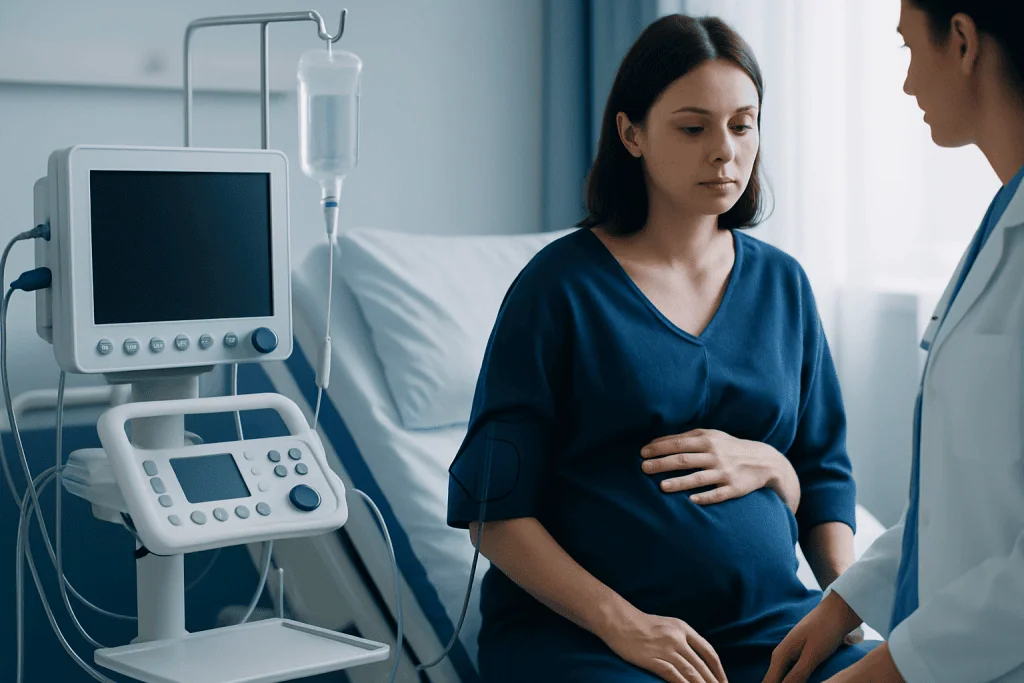
The symptoms of HELLP syndrome can vary from person to person. Some pregnant patients feel unwell for only a short time before diagnosis, while others notice symptoms that gradually increase over several days. Common early complaints include a persistent headache, nausea, vomiting, unusual tiredness, swelling, and pain or tenderness in the upper right side of the abdomen or below the ribs. Some people also describe heartburn-like discomfort, blurred vision, or a general sense that something is not right.
One reason HELLP syndrome can be missed is that several symptoms overlap with normal pregnancy discomforts or with illnesses such as stomach flu or gallbladder problems. However, symptoms that are intense, persistent, or worsening should not be ignored. Upper abdominal pain, severe headache, shortness of breath, sudden swelling, and visual changes are especially important warning signs.
Not everyone with HELLP syndrome has obvious high blood pressure or heavy protein in the urine at first. This is why a doctor may recommend blood tests even if symptoms seem nonspecific. If HELLP syndrome is suspected, it may be assessed alongside preeclampsia because the two conditions are closely related and can overlap clinically.
- Headache that does not improve
- Right upper abdominal or epigastric pain
- Nausea or vomiting late in pregnancy
- Blurred vision or visual disturbances
- Swelling of the hands, face, or legs
- Feeling generally unwell or unusually fatigued
Why it happens and who is at higher risk

The exact cause of HELLP syndrome is not fully understood. It appears to involve abnormal changes in blood vessels, clotting, and the way the placenta and maternal circulation interact during pregnancy. These changes can trigger inflammation, damage to red blood cells, stress on the liver, and a fall in platelet levels. In many patients, HELLP syndrome develops as part of the spectrum of hypertensive disorders of pregnancy.
Certain factors may increase risk, but HELLP syndrome can also occur in people without any clear warning factors. Risk may be higher in those with preeclampsia, a history of HELLP syndrome in a previous pregnancy, chronic high blood pressure, kidney disease, diabetes, obesity, or multiple pregnancy such as twins. Maternal age and previous pregnancy complications may also influence risk.
It is also possible for HELLP syndrome to appear after delivery, usually within the first 48 hours but sometimes later. Postpartum symptoms still require urgent care because the condition can progress after birth. Anyone with severe headache, abdominal pain, visual changes, or sudden swelling after childbirth should contact a doctor promptly.
How HELLP syndrome is diagnosed
Diagnosis starts with careful clinical assessment. A doctor will ask about symptoms, measure blood pressure, examine for swelling or abdominal tenderness, and check for signs that the condition may be affecting the mother or baby. Because symptoms can be nonspecific, laboratory testing is central to diagnosis.
Blood tests are used to look for the three main features of HELLP syndrome: hemolysis, elevated liver enzymes, and low platelets. Doctors may also assess kidney function, clotting, and other markers of organ stress. Urine testing can help evaluate for protein, which may support a diagnosis of preeclampsia even though HELLP syndrome can occur without significant proteinuria.
Fetal monitoring is usually part of the evaluation. Depending on the stage of pregnancy, this may include ultrasound, growth assessment, amniotic fluid review, and heart rate monitoring. Imaging may be used if there is concern about liver complications or another cause of abdominal pain. In centers where maternal-fetal medicine and laboratory services work closely together, coordinated assessment helps treatment begin quickly. Patients may also undergo pregnancy follow-up and delivery care as part of ongoing monitoring and planning.
Treatment options and hospital care
HELLP syndrome is usually treated in the hospital because the condition can change rapidly. The main goals are to stabilize the mother, monitor the baby, prevent complications, and decide the safest timing of delivery. The exact treatment plan depends on how advanced the pregnancy is, how severe the illness is, and whether there are signs of worsening blood pressure, liver injury, bleeding risk, placental problems, or fetal distress.
If the pregnancy is near term or the condition is severe, delivery is often the definitive treatment because HELLP syndrome is driven by pregnancy-related processes. Before delivery, doctors may use medications to control blood pressure, reduce the risk of seizures when indicated, and support fetal lung maturity if preterm birth is expected. Blood products such as platelets may be needed in selected cases, especially if bleeding risk is high or a procedure is planned.
After delivery, close observation remains important because HELLP syndrome can briefly worsen before it improves. Doctors continue to monitor blood pressure, urine output, blood counts, liver function, and symptoms. If complications arise, care may involve intensive monitoring and support from obstetricians, internal medicine physicians, anesthesiologists, neonatologists, and other specialists. In some situations, additional care linked to high-risk pregnancy care and neonatology and NICU services may be needed for mother and baby.
Recovery, future pregnancies, and self-care
Most patients begin to improve after delivery, but recovery is not always immediate. Fatigue, swelling, and blood pressure changes may continue for some time, and follow-up blood tests are often needed to confirm that platelet levels and liver enzymes are returning toward normal. Emotional recovery matters too, especially if the birth was early or urgent.
At home, self-care should focus on rest, attending all follow-up appointments, taking prescribed medicines exactly as directed, and reporting warning signs without delay. It is not appropriate to rely on supplements, home remedies, or over-the-counter treatments as a substitute for medical care when HELLP syndrome has occurred. Patients should ask their care team when it is safe to resume usual activity, how blood pressure should be monitored, and whether further testing is needed.
A previous episode of HELLP syndrome can increase the chance of hypertensive complications in another pregnancy, but it does not mean the condition will definitely recur. Pre-pregnancy counseling and early antenatal monitoring can help. In future pregnancies, doctors may recommend closer surveillance for blood pressure, urine changes, fetal growth, and symptoms that suggest recurrence.
When to seek medical care
Pregnant or recently postpartum patients should seek urgent medical care if they develop severe headache, blurred vision, upper abdominal pain, chest discomfort, shortness of breath, confusion, seizures, or sudden worsening swelling. Persistent nausea or vomiting in late pregnancy, especially when accompanied by malaise or pain under the ribs, also needs prompt assessment.
It is safer to be evaluated early than to wait for symptoms to become severe. HELLP syndrome can resemble less serious conditions at first, but only a healthcare professional can rule out urgent causes. Anyone already diagnosed with preeclampsia, high blood pressure in pregnancy, or another high-risk condition should contact their maternity team promptly if new symptoms appear.
Near the end of the care pathway, some patients may benefit from multidisciplinary assessment in specialized centers. Acibadem International’s multidisciplinary specialists and JCI-accredited hospitals diagnose and treat pregnancy complications for international patients, including coordinated obstetric and neonatal care when needed.
Frequently asked questions
What does HELLP syndrome stand for?
HELLP stands for hemolysis, elevated liver enzymes, and low platelets. These findings show that the condition affects the blood and liver and can become dangerous without prompt medical care.
Is HELLP syndrome the same as preeclampsia?
No, but the two are closely related. HELLP syndrome is often considered part of the spectrum of preeclampsia, yet some patients develop HELLP without classic preeclampsia findings at the beginning.
Can HELLP syndrome happen after the baby is born?
Yes. HELLP syndrome can develop after delivery, most often within the first couple of days postpartum. New symptoms such as headache, abdominal pain, visual changes, or swelling after birth should be assessed urgently.
How is HELLP syndrome treated?
Treatment usually takes place in the hospital and focuses on stabilizing the mother, monitoring the baby, and determining the safest time for delivery. Doctors may use blood pressure medicines, seizure-prevention treatment when indicated, and supportive care such as blood products in selected cases.
Can a baby be affected by HELLP syndrome?
Yes. HELLP syndrome can reduce placental function and increase the chance of preterm birth or growth-related concerns. Care teams monitor the baby closely and plan delivery based on both maternal and fetal well-being.
Will HELLP syndrome happen again in another pregnancy?
A prior history can raise the risk of recurrence, but it does not mean it will definitely happen again. Early prenatal care and closer monitoring in future pregnancies can help detect warning signs sooner.
References
- American College of Obstetricians and Gynecologists
- Society for Maternal-Fetal Medicine
- National Institute for Health and Care Excellence
- Mayo Clinic
- World Health Organization
This article is for general information only and is not a substitute for professional medical advice. Please consult a qualified doctor about your individual situation.
Explore treatments in Turkey — costs, top hospitals & a free quote
JCI-accredited · board-certified surgeons · reply within 24h
Add us as a Preferred Source to see more of our trusted health content across Google Search, AI Overviews and Discover.
Check your numbers in seconds
BMI, calories, due date, blood pressure and 30+ more clinical calculators — free, instant, doctor-reviewed ranges.