Capillaries — Explained by Medical Evidence, Not Myths

Capillaries connect the smallest arteries and veins and are essential for tissue nourishment and waste removal. Healthy capillaries help regulate fluid balance, oxygen delivery, and temperature control.
Key Takeaways
- Capillaries connect the smallest arteries and veins and are essential for tissue nourishment and waste removal.
- Healthy capillaries help regulate fluid balance, oxygen delivery, and temperature control.
- Conditions such as diabetes, high blood pressure, inflammation, and smoking can damage capillaries over time.
- Capillary problems may cause swelling, skin color changes, easy bruising, slow wound healing, or organ-related symptoms.
- Medical evaluation is important if capillary-related symptoms are persistent, widespread, or linked to pain, ulcers, vision changes, or shortness of breath.
Capillaries are the smallest blood vessels in the body, and they are where oxygen, nutrients, fluids, and waste products move between blood and tissues. Most people never notice healthy capillaries, but changes in these tiny vessels can contribute to symptoms in the skin, eyes, kidneys, nerves, and circulation.
Overview: what capillaries are and why they matter
Capillaries are the smallest blood vessels in the body. They form a fine network that connects tiny arteries called arterioles to tiny veins called venules. Their main job is exchange: this is where oxygen and nutrients leave the bloodstream to reach tissues, and where carbon dioxide and other waste products move back into the blood for removal.
Although capillaries are microscopic, they are essential to almost every body function. Muscles need them during movement, the brain depends on them for constant oxygen delivery, the kidneys use specialized capillaries to filter blood, and the skin relies on them for temperature regulation and healing. In simple terms, larger blood vessels act like highways, while capillaries are the side streets that reach individual cells.
Many myths make capillaries sound fragile or unimportant, but medical evidence shows they are highly specialized structures. They are not just passive tubes. Their walls help control what passes in and out of the bloodstream, and different organs have different capillary designs depending on what that tissue needs.
How capillaries work in everyday body function
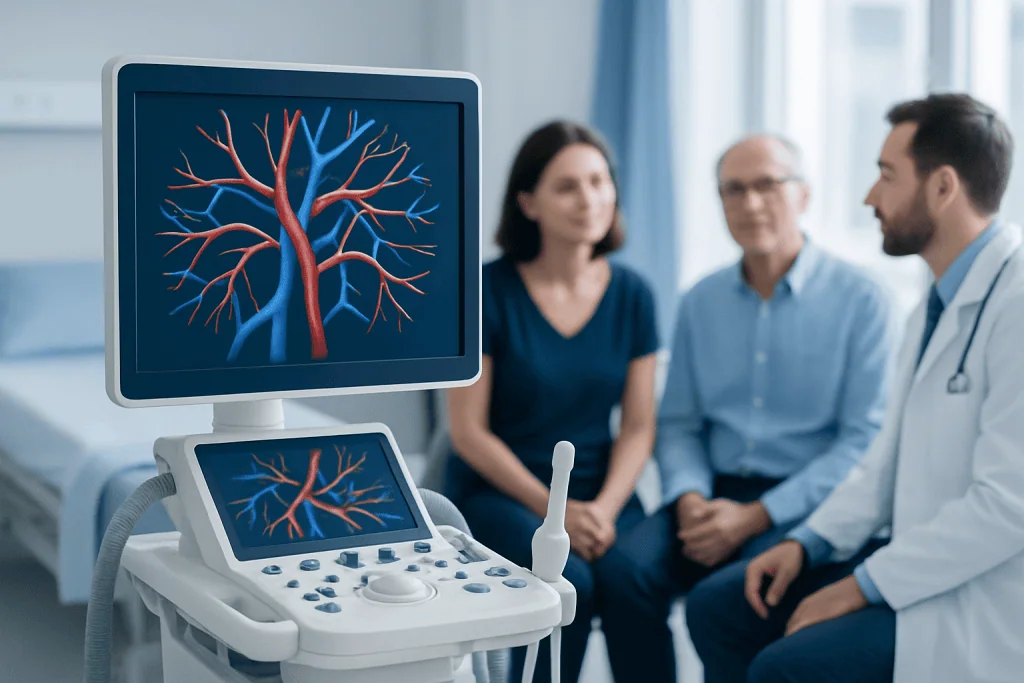
Capillary walls are only one cell thick, which allows efficient exchange between blood and surrounding tissues. Oxygen, glucose, electrolytes, hormones, and water can move across these thin walls. At the same time, tissues release carbon dioxide and metabolic waste back into the circulation. This exchange supports normal cell function every second of the day.
Capillaries also help balance body fluids. Pressure inside the vessel pushes some fluid outward, while blood proteins help draw fluid back in. This balance is one reason the body can nourish tissues without causing constant swelling. When the balance is disrupted by inflammation, low protein levels, heart disease, kidney disease, or vein problems, fluid can accumulate in the tissues.
Another important role is temperature control. Near the skin surface, capillaries can widen or narrow in response to heat and cold. This helps the body conserve warmth or release excess heat. Capillary circulation also contributes to the pink color of healthy skin and to the redness that appears after exercise or in response to irritation.
- Oxygen delivery: carries oxygen from red blood cells into tissues
- Nutrient exchange: supplies glucose, amino acids, and other essentials
- Waste removal: helps collect carbon dioxide and metabolic byproducts
- Fluid regulation: supports normal tissue hydration
- Temperature control: helps adjust heat loss through the skin
What can affect capillary health

Capillary function can be influenced by aging, medical conditions, lifestyle factors, and inflammation. Some changes are mild and temporary, such as flushing from heat or exercise. Others develop gradually and reflect damage to the vessel walls or changes in blood flow. Over time, these changes may affect skin health, wound healing, circulation, and organ function.
Common factors linked to capillary problems include diabetes, high blood pressure, smoking, chronic inflammation, autoimmune disease, and poor circulation. High blood sugar can injure the delicate lining of small blood vessels, while long-standing high blood pressure can place stress on these tiny channels. Smoking narrows blood vessels and reduces oxygen delivery, which may worsen tissue damage.
Capillaries can also be affected by nutritional deficiencies, infections, certain medications, and inherited conditions. In some people, visible red or purple tiny vessels near the skin surface are mainly cosmetic. In others, capillary changes are part of a broader vascular or connective tissue disorder that needs medical assessment.
When capillary injury becomes widespread or persistent, it may be linked to related vascular conditions such as vascular disease or chronic problems with blood flow in the limbs. In selected cases, specialists may also evaluate for peripheral artery disease if symptoms suggest reduced circulation.
Signs and symptoms of capillary-related problems
Capillary changes do not always cause symptoms. In many cases, they are only noticed when a doctor examines the skin, eyes, or another organ. When symptoms do occur, they often depend on where in the body the capillaries are affected. Skin findings are the most visible, but small-vessel changes can also influence the eyes, kidneys, nerves, and lungs.
Possible signs include easy bruising, tiny red or purple spots under the skin, visible thread-like vessels, swelling in the feet or ankles, cold fingers or toes, slow wound healing, or color changes in the skin. Some people notice more fragile skin or prolonged redness after minor pressure. These symptoms do not always mean a serious disease, but they should be interpreted in the context of overall health.
In organs, symptoms may be less obvious. For example, diabetic small-vessel damage may affect the eyes before vision changes are noticed, or the kidneys before symptoms appear at all. This is one reason routine checkups are important for people with chronic conditions.
- Visible tiny red, blue, or purple vessels on the skin
- Swelling, especially in the legs or ankles
- Slow-healing cuts or ulcers
- Coldness, numbness, or color change in fingers and toes
- Unexplained skin spots, frequent bruising, or bleeding tendencies
How doctors evaluate capillary problems
Assessment starts with a medical history and physical examination. A doctor will ask when symptoms began, whether they are worsening, and whether there are other issues such as leg pain, diabetes, autoimmune disease, smoking history, or medication use. The pattern of symptoms often helps distinguish between a benign skin finding and a sign of broader vascular disease.
Depending on the concern, testing may include blood pressure measurement, blood tests, urine tests, skin examination, and imaging or circulation studies. For people with leg symptoms, doctors may use ultrasound to assess blood flow. If visible changes are part of a vein problem, evaluation may overlap with the assessment used for varicose veins.
Specialized testing can be important when capillary changes affect internal organs. Eye examinations may detect diabetic or hypertensive damage, while kidney function tests can show whether small blood vessels in the kidneys are affected. In selected cases, doctors may recommend a comprehensive health check-up to look for underlying conditions that can silently affect the small vessels.
Treatment options and medical management
There is no single treatment for capillary problems because care depends on the cause. In many situations, the goal is to treat the underlying condition that is affecting the small blood vessels. Good control of diabetes, high blood pressure, cholesterol, inflammation, or circulation problems can help protect capillary function and reduce the risk of further damage.
When skin-level capillary changes are mainly cosmetic, treatment may not be medically necessary. If symptoms are related to vein disease, swelling, or poor circulation, doctors may recommend compression, movement, skin care, and targeted vascular treatment. For some patients with larger vein problems contributing to symptoms, options may include varicose veins treatment after proper evaluation.
If blood flow to the limbs is reduced, specialists may focus on restoring circulation, protecting the skin, and preventing ulcers or infection. In selected vascular cases, advanced assessment and procedures such as peripheral artery disease treatment may be considered. Treatment decisions should always be individualized, especially when symptoms involve pain, tissue injury, or chronic disease.
Near the end of the care pathway, some people benefit from multidisciplinary assessment. Acibadem International’s specialists in internal medicine, cardiology, vascular care, endocrinology, and imaging work together in JCI-accredited hospitals to diagnose and treat capillary-related conditions for international patients when needed.
Prevention and self-care for healthier capillaries
Supporting capillary health usually means supporting overall vascular health. Stopping smoking, staying physically active, eating a balanced diet, maintaining healthy blood pressure, and managing blood sugar can all help reduce stress on small blood vessels. These steps are especially important for people with diabetes, heart disease, kidney disease, or a family history of vascular problems.
Daily habits also matter. Gentle movement improves circulation, especially in people who sit or stand for long periods. Good skin care can help protect fragile tissues, and proper foot care is particularly important for anyone with diabetes or reduced sensation. Hydration, sleep, and routine follow-up with a healthcare professional also support long-term vascular health.
Self-care should not replace medical evaluation when symptoms are persistent or unusual. Sudden swelling, severe pain, ulcers, shortness of breath, chest pain, or sudden vision changes need prompt professional assessment. Home remedies may soothe mild symptoms, but they cannot diagnose the cause of capillary changes.
When to seek medical care
Medical advice is appropriate if capillary-related symptoms are new, recurring, or getting worse. A person should arrange an evaluation if they notice frequent unexplained bruising, swelling, slow-healing wounds, skin ulcers, persistent coldness in the hands or feet, or visible vessel changes that are accompanied by pain or discoloration.
Prompt medical attention is especially important if symptoms are linked to diabetes, high blood pressure, kidney disease, autoimmune disease, or smoking history. Urgent care may be needed for sudden shortness of breath, chest pain, severe leg pain, a limb that becomes pale or blue, sudden vision loss, or signs of infection around a wound. These symptoms can involve more than capillaries alone and should not be ignored.
Early evaluation can help identify whether the issue is harmless, cosmetic, or part of a broader circulation problem. In many cases, addressing the underlying cause early offers the best chance of protecting tissues and preventing complications.
Frequently asked questions
What are capillaries in simple terms?
Capillaries are the body’s tiniest blood vessels. They connect small arteries to small veins and allow oxygen, nutrients, and waste products to move between the blood and the body’s tissues.
Can capillaries be seen on the skin?
Some capillaries or very small blood vessels near the skin surface may become visible, especially on the face or legs. This can happen with aging, sun exposure, rosacea, vein disease, or individual skin characteristics, and it is not always a sign of serious illness.
What causes capillary damage?
Capillary damage can happen from chronic conditions such as diabetes and high blood pressure, as well as smoking, inflammation, injury, and some autoimmune disorders. Over time, these factors can weaken the vessel walls or interfere with normal blood flow and exchange.
Do capillary problems always cause symptoms?
No. Many capillary changes cause no obvious symptoms at first and may only be found during an eye exam, blood pressure check, kidney testing, or skin examination. Symptoms depend on which part of the body is affected.
Can capillaries heal?
Capillaries can sometimes recover from mild or temporary stress, especially when the underlying cause is addressed. However, long-term damage from chronic disease may not fully reverse, which is why early management and prevention are important.
How can a person support healthy capillaries?
Helpful steps include not smoking, staying active, managing blood sugar and blood pressure, eating a balanced diet, and keeping up with regular medical care. Good skin and foot care are also important, especially for people with diabetes or circulation concerns.
References
- World Health Organization
- American Heart Association
- National Heart, Lung, and Blood Institute
- National Institute of Diabetes and Digestive and Kidney Diseases
- MedlinePlus
This article is for general information only and is not a substitute for professional medical advice. Please consult a qualified doctor about your individual situation.
Explore treatments in Turkey — costs, top hospitals & a free quote
JCI-accredited · board-certified surgeons · reply within 24h
Add us as a Preferred Source to see more of our trusted health content across Google Search, AI Overviews and Discover.
Check your numbers in seconds
BMI, calories, due date, blood pressure and 30+ more clinical calculators — free, instant, doctor-reviewed ranges.