Tubular Adenoma: Symptoms, Causes, and Treatment Options

A tubular adenoma is a precancerous colon polyp, not cancer itself. Most people have no symptoms, so screening is often how it is found.
Key Takeaways
- A tubular adenoma is a precancerous colon polyp, not cancer itself.
- Most people have no symptoms, so screening is often how it is found.
- Colonoscopy can both detect and remove tubular adenomas.
- Risk rises with age, family history, smoking, obesity, and diets low in fiber.
- Follow-up depends on the number, size, and microscopic features of the polyps.
Tubular adenoma is a type of adenomatous colon polyp that is usually noncancerous at the time it is found, but it has the potential to develop into colorectal cancer over many years. Most tubular adenomas cause no symptoms, which is why screening colonoscopy and timely removal are central to prevention.
Overview: what a tubular adenoma means
A tubular adenoma is a type of adenomatous polyp that grows from the lining of the colon or rectum. It is considered a precancerous lesion, which means it is not the same as colorectal cancer, but some tubular adenomas can slowly change over time and become cancerous if they are not removed. This is why doctors take these polyps seriously even when they are small and causing no symptoms.
The term “tubular” describes the way the polyp looks under a microscope. Pathologists classify adenomas by their structure, and tubular adenomas are the most common type. Other adenomas may have villous features or mixed tubulovillous features, which can carry a higher cancer risk than a small tubular adenoma.
Most tubular adenomas are discovered during screening tests, especially colonoscopy. In many cases, the polyp is removed at the same time it is found, which helps prevent future cancer. For this reason, a finding of tubular adenoma is best understood as an opportunity for prevention and careful follow-up rather than a diagnosis of cancer.
How tubular adenoma develops and why it matters
The inner lining of the colon constantly renews itself. Over time, changes in the DNA of these lining cells can lead to abnormal growth and the formation of a polyp. A tubular adenoma develops when gland-forming cells grow in an organized but abnormal way. Many adenomas remain small, but some enlarge, develop more advanced cell changes, or progress along the adenoma-carcinoma sequence.
Not every tubular adenoma will become cancer. The likelihood of progression depends on several features, including size, number of polyps, and whether the polyp shows dysplasia, which means abnormal cells with a greater tendency toward malignancy. Larger adenomas and those with high-grade dysplasia are more concerning than very small, low-risk polyps.
This is why the pathology report matters after a polyp is removed. It helps guide when the next colonoscopy should be done and whether a person needs closer surveillance for colorectal cancer. The goal is to remove precancerous tissue before it has the chance to turn into a more serious disease.
Symptoms and possible warning signs

Most tubular adenomas do not cause symptoms. They are often found during routine colorectal screening in people who feel completely well. This silent nature is one of the main reasons screening is so important, especially as people get older or if they have a family history of colorectal polyps or cancer.
When symptoms do occur, they tend to be nonspecific. A person may notice blood in the stool, a change in bowel habits such as constipation or diarrhea, unexplained iron-deficiency anemia, abdominal discomfort, or a feeling that the bowel does not empty fully. These symptoms do not automatically mean a tubular adenoma is present, and they can also be caused by conditions such as hemorrhoids, inflammation, or other digestive disorders.
Polyps that are larger are more likely to bleed or cause changes in stool pattern. However, even advanced adenomas may cause no obvious signs. Any persistent rectal bleeding, ongoing change in bowel habits, or unexplained fatigue should be assessed by a qualified doctor rather than being assumed to be harmless.
- Often no symptoms at all
- Possible rectal bleeding or blood in stool
- Change in bowel habits lasting more than a few weeks
- Unexplained anemia or fatigue
- Abdominal discomfort in some cases
Causes and risk factors
There is no single cause of tubular adenoma. It usually develops through a combination of aging, genetic susceptibility, and lifestyle factors that affect the colon lining over time. The risk generally increases after age 45, although younger adults can also develop adenomas, especially if they have inherited conditions or a strong family history.
Important risk factors include a personal or family history of adenomatous polyps or colorectal cancer, smoking, heavy alcohol use, obesity, physical inactivity, and a diet high in processed or red meat and low in fiber. Chronic inflammatory bowel diseases can also increase colorectal cancer risk, although they are distinct from adenomatous polyps. Some hereditary syndromes, such as familial adenomatous polyposis and Lynch syndrome, greatly increase the chance of developing colon polyps or cancer.
Having a risk factor does not mean a person will definitely develop a tubular adenoma. Likewise, people with no known risk factors can still have one. The practical message is that screening decisions should consider both age and personal risk profile. In some cases, doctors may recommend evaluation through colonoscopy earlier than average because of family history or concerning symptoms.
How doctors diagnose tubular adenoma
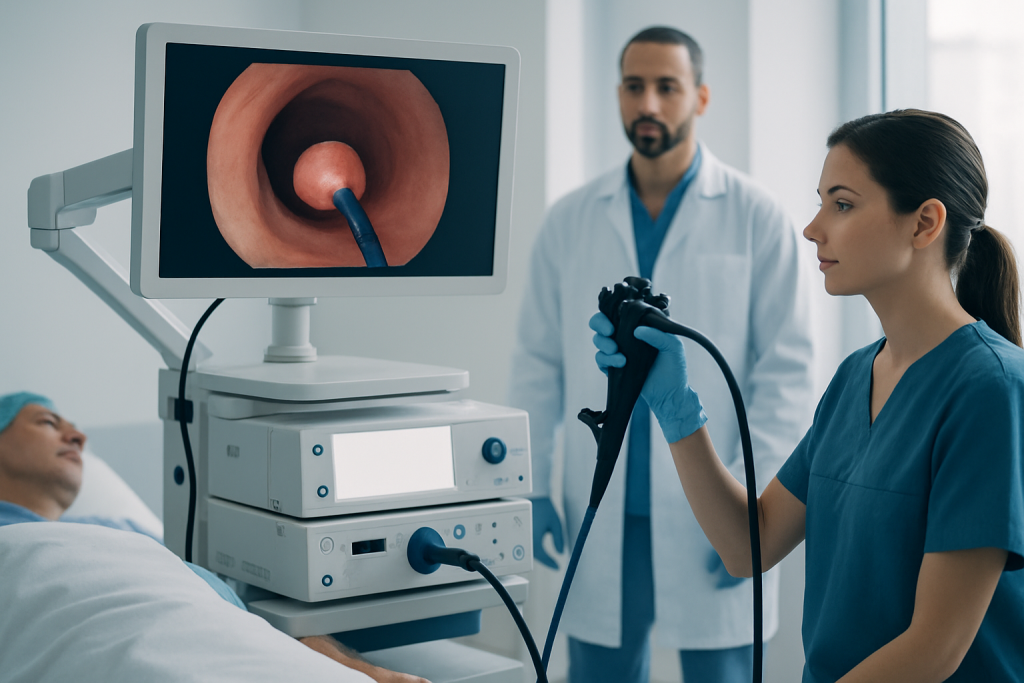
Tubular adenoma is usually diagnosed after a polyp is seen during colon evaluation and then examined by a pathologist. Colonoscopy is the most important test because it allows the doctor to look directly at the entire colon, identify polyps, and remove many of them during the same procedure. Other screening tools, such as stool-based tests, can suggest that further evaluation is needed, but they do not diagnose a tubular adenoma by themselves.
If a polyp is found, it may be removed with special instruments passed through the colonoscope. The tissue is then sent to the laboratory. The pathology report typically describes the type of polyp, whether it is a tubular adenoma, its size, whether there is dysplasia, and whether removal appears complete. These details are essential for planning follow-up.
Sometimes the report may mention low-grade or high-grade dysplasia. Low-grade dysplasia is more common and means early abnormal changes. High-grade dysplasia suggests more advanced changes but is still not the same as invasive cancer. If there is concern for a larger lesion, difficult location, or incomplete removal, doctors may use advanced endoscopic methods or additional imaging to guide care.
Treatment options and follow-up care
The main treatment for a tubular adenoma is complete removal of the polyp. In many cases, this is done during colonoscopy, which is both diagnostic and therapeutic. Small polyps can often be removed with a snare or forceps. Larger or flatter lesions may require more advanced endoscopic techniques such as endoscopic mucosal resection to remove them safely and completely.
If a polyp is very large, has features suspicious for cancer, or cannot be removed endoscopically, surgery may occasionally be needed. This decision depends on the size, location, pathology findings, and the person’s overall health. If invasive cancer is found within a polyp, treatment planning becomes more specialized and may overlap with care pathways used for colon cancer.
Follow-up is a key part of treatment because a person who has had one adenoma may develop additional polyps later. The timing of the next colonoscopy depends on factors such as how many adenomas were found, how large they were, and whether there were higher-risk features like villous components or high-grade dysplasia. The doctor uses these findings to recommend a personalized surveillance interval.
For international patients seeking coordinated evaluation, Acibadem International’s multidisciplinary specialists in JCI-accredited hospitals diagnose and treat colorectal polyps using modern endoscopic and surgical approaches when needed.
Prevention and self-care after polyp removal
There is no guaranteed way to prevent every tubular adenoma, but healthy habits may help lower risk and support overall colon health. A balanced diet rich in vegetables, fruits, legumes, and whole grains can improve fiber intake. Limiting processed meat, moderating alcohol, maintaining a healthy weight, and staying physically active are also sensible preventive steps.
People who have already had a tubular adenoma should be especially careful about follow-up. Missing a recommended surveillance colonoscopy can allow new polyps to grow unnoticed. It is also helpful to keep a record of the pathology report, because the exact type and size of the polyp influence future screening recommendations.
Self-care also includes paying attention to new symptoms. If bleeding, persistent bowel changes, or unexplained tiredness develop after a previous polyp has been removed, medical review is appropriate. Some people may also be advised to discuss aspirin or other preventive strategies with their doctor, but medications should never be started for this purpose without professional guidance.
When to seek medical care
Medical care should be sought if there is blood in the stool, persistent rectal bleeding, a noticeable change in bowel habits lasting more than a few weeks, unexplained weight loss, ongoing abdominal pain, or symptoms of anemia such as unusual fatigue or shortness of breath. These symptoms do not necessarily mean cancer, but they deserve proper assessment.
It is also important to speak with a doctor about colorectal screening even without symptoms. Adults approaching screening age, people with a family history of polyps or colorectal cancer, and those with personal risk factors may need testing earlier or more often than average. A consultation can help determine whether stool testing, colonoscopy, or another evaluation is most suitable.
Urgent medical attention is needed if there is heavy rectal bleeding, fainting, severe abdominal pain, or signs of bowel obstruction such as vomiting with inability to pass stool or gas. Prompt evaluation helps identify the cause and ensures that the right treatment is given quickly and safely.
Frequently asked questions
Is a tubular adenoma cancer?
No. A tubular adenoma is usually a benign polyp, but it is considered precancerous because it can develop into colorectal cancer over time. That is why doctors recommend removing it and arranging appropriate follow-up.
How serious is a tubular adenoma?
Its seriousness depends on features such as size, number, and whether there is dysplasia or villous change. Many tubular adenomas are low risk when small, but they still matter because removing them helps prevent future cancer.
Can a tubular adenoma cause symptoms?
Yes, but many do not. When symptoms happen, they may include rectal bleeding, blood in the stool, a change in bowel habits, anemia, or abdominal discomfort. Because symptoms are often absent, screening is important.
What happens after a tubular adenoma is removed?
The removed tissue is examined under a microscope to confirm the type of polyp and assess its risk features. Based on the results, the doctor recommends when the next colonoscopy should be done. Follow-up timing varies from person to person.
Can tubular adenomas come back?
The same polyp usually does not return if it was completely removed, but new adenomas can form later in other parts of the colon. This is why surveillance colonoscopy is recommended after a tubular adenoma has been found.
Who is more likely to develop a tubular adenoma?
Risk is higher with increasing age, a family history of polyps or colorectal cancer, smoking, obesity, low physical activity, and certain dietary patterns. Some inherited syndromes also increase the chance of developing adenomas at younger ages.
References
- World Health Organization
- American Cancer Society
- National Cancer Institute
- U.S. Preventive Services Task Force
- American College of Gastroenterology
This article is for general information only and is not a substitute for professional medical advice. Please consult a qualified doctor about your individual situation.
Persistent digestive symptoms? Get evaluated in Turkey
JCI-accredited · board-certified surgeons · reply within 24h
Add us as a Preferred Source to see more of our trusted health content across Google Search, AI Overviews and Discover.