Claustrophobic — Explained by Medical Evidence, Not Myths

Claustrophobic feelings are common and do not always mean a person has a mental health disorder. Claustrophobia is a specific phobia involving marked fear of enclosed spaces or situations where escape feels difficult.
Key Takeaways
- Claustrophobic feelings are common and do not always mean a person has a mental health disorder.
- Claustrophobia is a specific phobia involving marked fear of enclosed spaces or situations where escape feels difficult.
- Symptoms can include panic, sweating, chest tightness, dizziness, and an urgent need to leave the situation.
- Diagnosis is based on symptoms, triggers, and the effect on daily functioning, while doctors may also rule out other medical causes.
- Treatment often includes psychotherapy, especially exposure-based cognitive behavioral therapy, and sometimes medication.
- Medical care is important when symptoms are severe, frequent, or hard to distinguish from heart, lung, or other health problems.
Feeling claustrophobic usually means a person experiences intense discomfort or fear in enclosed or hard-to-exit spaces. In some people, this is occasional and mild; in others, it is claustrophobia, a treatable anxiety disorder that can interfere with daily life.
Overview: what it means to feel claustrophobic
When someone says they feel claustrophobic, they usually mean enclosed spaces trigger fear, distress, or a strong need to get out. This can happen in elevators, MRI scanners, airplanes, crowded rooms, tunnels, or even while wearing tight equipment around the face or neck. For some people the feeling is brief and manageable, while for others it becomes intense enough to cause avoidance and disruption in everyday life.
Clinically, persistent and excessive fear of enclosed spaces may be diagnosed as claustrophobia, which is a type of specific phobia. A phobia is more than dislike or discomfort. It tends to cause immediate anxiety, feels difficult to control, and leads a person to avoid certain situations even when they understand the actual danger is low.
This distinction matters because not every claustrophobic feeling needs treatment, but recurring fear that limits travel, work, imaging tests, or medical care deserves attention. The good news is that claustrophobia is well recognized, and effective treatment can help most people reduce symptoms and regain confidence.
How claustrophobic feelings can present
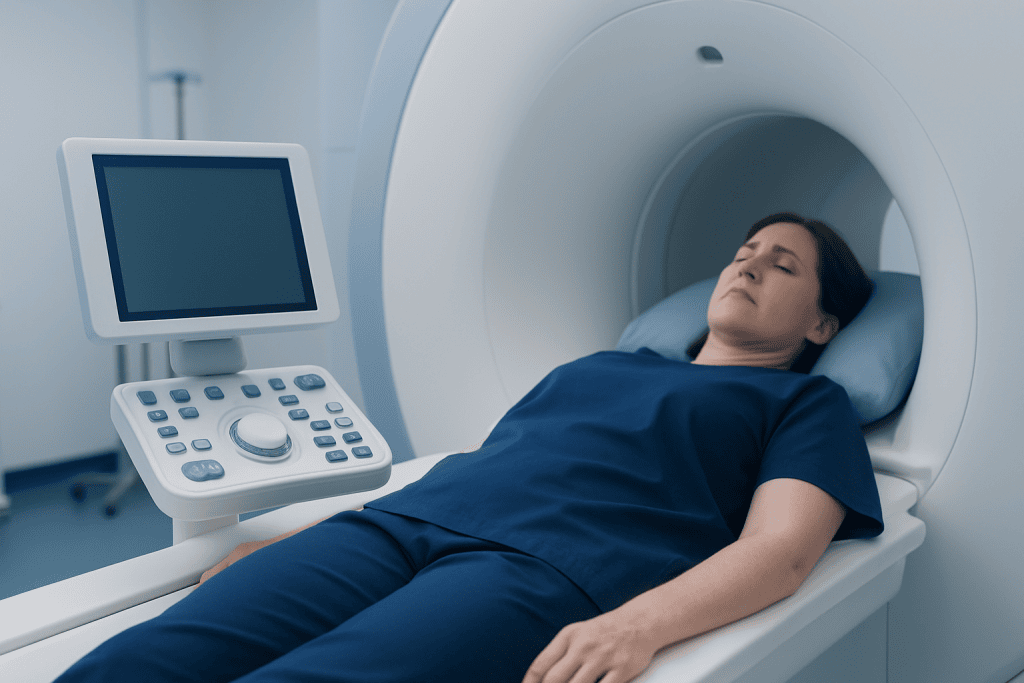
Claustrophobic episodes often begin with a sense of being trapped, unable to breathe comfortably, or unable to escape quickly. The body may react as if there is immediate danger, even when the space is objectively safe. This is part of the body’s normal threat-response system, but in claustrophobia the response is out of proportion to the situation.
Symptoms may appear suddenly and build within minutes. They can resemble a panic attack, which is one reason people sometimes fear they are having a serious medical problem. The physical symptoms are real, even when they are caused by anxiety rather than by a heart or lung disease.
- Rapid heartbeat or palpitations
- Shortness of breath or a feeling of smothering
- Chest tightness
- Sweating, shaking, or chills
- Dizziness or lightheadedness
- Nausea or abdominal discomfort
- A strong urge to escape
- Feeling detached, overwhelmed, or afraid of losing control
In children, claustrophobic fear may look different. A child may cry, freeze, cling to a parent, refuse an elevator, or become distressed before scans or dental procedures. Adults and children may also anticipate symptoms before entering the trigger situation, which can create a cycle of fear and avoidance.
Why it happens: causes and risk factors

There is no single cause of claustrophobia. In many cases, it develops through a combination of learned experience, individual temperament, and biology. A previous frightening event in a confined place, such as getting stuck in an elevator or feeling trapped during a procedure, can condition the brain to link enclosed spaces with danger. Hearing about another person’s traumatic experience can also contribute.
Some people are more prone to anxiety in general, which may increase the likelihood of developing a phobia. Family patterns can reflect both genetics and learned behavior. For example, children may absorb a parent’s fearful reactions to certain spaces or situations. Stress, sleep deprivation, and high overall anxiety can make symptoms easier to trigger.
Claustrophobic fear may also overlap with other mental health conditions. It can coexist with panic disorder, generalized anxiety, or other anxiety disorders. In some people, the main concern is not the enclosed space itself but the fear of having symptoms there and not being able to get help.
It is also important to remember that not all distress in a closed space is psychological. Trouble breathing due to asthma, chronic lung disease, heart conditions, vestibular disorders, or overheating can make enclosed settings feel intolerable. When symptoms are new, severe, or unclear, a medical evaluation helps identify the right cause.
How doctors diagnose claustrophobia
Diagnosis usually begins with a detailed history. A doctor or mental health professional asks what situations trigger the fear, what symptoms occur, how long the problem has been present, and whether it affects daily life. They may ask whether the person avoids travel, scans, crowds, or work spaces because of the fear.
There is no single laboratory test for claustrophobia. The diagnosis is based on recognizable patterns: fear linked to enclosed spaces, anxiety that is disproportionate to actual risk, immediate distress on exposure, and avoidance or endurance with intense discomfort. Symptoms typically persist over time rather than appearing only once during a stressful day.
Part of evaluation is making sure another condition is not being missed. Depending on symptoms, clinicians may consider panic attacks, heart rhythm problems, asthma, thyroid problems, medication effects, or other causes of breathlessness and palpitations. If symptoms occur mainly during medical scans or procedures, the care team may also look at practical factors such as noise, mask discomfort, pain, or positioning.
In some cases, a broader mental health assessment is helpful. This is especially true if a person also has depression, trauma-related symptoms, or panic outside enclosed spaces. A careful diagnosis supports a treatment plan that is both safe and effective.
Treatment options and what helps
The most effective treatment for claustrophobia is usually psychotherapy, especially cognitive behavioral therapy with gradual exposure. Exposure therapy works by helping a person face feared situations in a structured, step-by-step way. Over time, the brain learns that the situation is uncomfortable but not dangerous, and the body’s alarm response becomes less intense.
Cognitive strategies can also help. A therapist may teach the person how to notice catastrophic thoughts, such as “I will suffocate” or “I will be trapped and helpless,” and replace them with more balanced, evidence-based thinking. Breathing techniques, grounding skills, and relaxation exercises may reduce physical distress, although they are usually most helpful when combined with exposure rather than used only as escape tools.
Medication is not always necessary, but it may be considered in some situations. A doctor may discuss short-term options for predictable triggers, or longer-term treatment if claustrophobia occurs alongside significant panic attacks or broader anxiety symptoms. Any medication choice should be individualized, especially if there are other medical conditions or current prescriptions.
For people who struggle with enclosed medical environments, planning ahead can make a big difference. Before an MRI, CT scan, or procedure, patients can ask about preparation, communication during the test, and comfort measures. In selected cases, specialists may coordinate supportive care or sleep-related assessment and support when anxiety is linked with breathing discomfort, nighttime panic, or poor sleep. If symptoms are severe or complex, a center with psychiatric evaluation and treatment can help tailor therapy to the person’s needs.
Self-care, coping strategies, and prevention
Claustrophobia cannot always be prevented, but healthy coping habits may lower the intensity of symptoms and reduce avoidance. One helpful principle is gradual practice rather than forcing overwhelming exposure. Avoiding every trigger often strengthens the fear over time, while repeated manageable exposure can build confidence.
People may benefit from preparing for known triggers in advance. This can include visiting a location early, choosing a seat near an exit when possible, agreeing on a signal with staff during a scan, or using calming audio guidance. Good sleep, regular exercise, and limiting excessive caffeine may also reduce the body’s baseline anxiety response.
- Learn slow, steady breathing rather than rapid breaths
- Use grounding techniques such as naming objects in the room
- Plan short, repeated exposures with professional guidance if needed
- Tell healthcare staff in advance about claustrophobic symptoms
- Avoid relying only on escape behaviors, which can reinforce fear
Support from family or trusted companions can help, but reassurance alone usually does not resolve a phobia. A structured treatment plan is often more effective than trying to “push through” severe symptoms without guidance. If the fear interferes with tests, treatment, or travel, asking for professional help is a practical and appropriate next step.
When to seek medical care
Medical advice is important when claustrophobic symptoms are frequent, severe, or beginning to limit normal activities. A person should also seek care if they are avoiding important medical imaging, air travel, work responsibilities, or necessary procedures because of fear of enclosed spaces. Early support may prevent the problem from becoming more disruptive over time.
Urgent medical evaluation is appropriate if symptoms include chest pain, fainting, severe shortness of breath, new palpitations, or any episode that could be caused by a heart or lung problem rather than anxiety. It is especially important to be checked if symptoms are new, occur without a clear trigger, or happen during exercise. These situations should not be assumed to be “just anxiety” without assessment.
If a person has recurrent episodes of intense fear, a referral for mental health treatment may be helpful. In a multidisciplinary setting, doctors can distinguish claustrophobia from other medical or psychological causes and plan treatment accordingly. Acibadem International’s multidisciplinary specialists and JCI-accredited hospitals diagnose and treat anxiety-related conditions for international patients when further evaluation is needed.
Frequently asked questions
Is being claustrophobic the same as having claustrophobia?
Not always. Feeling claustrophobic can simply describe discomfort in enclosed spaces, while claustrophobia is a specific phobia that causes marked fear, distress, and avoidance. The diagnosis depends on severity, persistence, and impact on daily life.
Can claustrophobia cause physical symptoms?
Yes. It can trigger very real physical symptoms such as sweating, trembling, chest tightness, dizziness, and rapid heartbeat. These symptoms come from the body's stress response, but they can feel similar to other medical problems, so new or severe symptoms should be evaluated.
What usually triggers claustrophobic feelings?
Common triggers include elevators, MRI scanners, airplanes, tunnels, crowded rooms, and spaces where escape feels difficult. The exact trigger varies from person to person. Sometimes the fear is stronger when the person is already stressed, tired, or worried about having a panic episode.
How is claustrophobia treated?
The main treatment is psychotherapy, especially cognitive behavioral therapy with gradual exposure. This helps reduce fear by changing unhelpful thought patterns and allowing the brain to relearn safety in enclosed situations. Some people may also benefit from medication, depending on their symptoms and overall health.
Can claustrophobia go away on its own?
Mild symptoms may improve, especially if they are linked to a temporary stressful period. However, persistent avoidance often makes the problem stronger over time. If enclosed spaces regularly cause fear or interfere with daily life, professional treatment can be very helpful.
What can someone do if they feel claustrophobic during an MRI or procedure?
It helps to tell the care team in advance so they can explain the process and discuss comfort measures. Slow breathing, communication with staff, and planning breaks when appropriate may reduce distress. In some cases, doctors may recommend additional support if the fear is severe.
References
- National Institute of Mental Health
- American Psychiatric Association
- National Health Service
- Mayo Clinic
- World Health Organization
This article is for general information only and is not a substitute for professional medical advice. Please consult a qualified doctor about your individual situation.
Explore treatments in Turkey — costs, top hospitals & a free quote
JCI-accredited · board-certified surgeons · reply within 24h
Add us as a Preferred Source to see more of our trusted health content across Google Search, AI Overviews and Discover.

More from the Health Library



Related Specialists

Assoc. Prof. Dr. Abdullah Okan
Gastroenterology
Dr. Ayşe Cennet Sarimehmetoğlu
Cardiology
Dr. Faruk Batur
Inpatient Clinic Physicians
Asst. Prof. Dr. Zeynep Tuğçe Sarıkaya
Intensive Care