Digestive Enzymes: An Evidence-Based Guide for Patients

Digestive enzymes are naturally produced in the mouth, stomach, pancreas, and small intestine. Most healthy people do not need digestive enzyme supplements.
Key Takeaways
- Digestive enzymes are naturally produced in the mouth, stomach, pancreas, and small intestine.
- Most healthy people do not need digestive enzyme supplements.
- Enzyme treatment may be helpful in conditions such as pancreatic insufficiency, lactose intolerance, or certain rare enzyme deficiencies.
- Persistent bloating, greasy stools, diarrhea, weight loss, or malnutrition should be assessed by a doctor rather than self-treated long term.
- The best treatment depends on the cause of symptoms, not just the symptom of poor digestion.
Digestive enzymes are proteins that help the body break down carbohydrates, fats, and proteins so nutrients can be absorbed. While the body usually makes enough on its own, some people benefit from enzyme treatment when a medical condition reduces normal digestion.
What digestive enzymes do
Digestive enzymes are proteins that help the body break food into smaller parts that can be absorbed and used for energy, growth, and repair. Different enzymes work on different nutrients: amylase helps digest carbohydrates, proteases help digest proteins, and lipase helps digest fats. Without enough enzyme activity, food may be only partly digested, which can lead to symptoms such as gas, bloating, diarrhea, or nutrient deficiencies.
The body normally makes digestive enzymes in several places. Saliva begins digestion in the mouth, stomach acid and enzymes continue the process, and the pancreas releases a large amount of enzymes into the small intestine. The lining of the small intestine also produces enzymes that help finish digestion, including lactase, which breaks down lactose in dairy products.
For most people, this system works well without any supplements. Digestive enzyme products are not a general cure for indigestion, and they do not replace a healthy diet or evaluation for ongoing symptoms. Their role is most evidence-based when there is a confirmed or strongly suspected enzyme deficiency.
How the body normally digests food
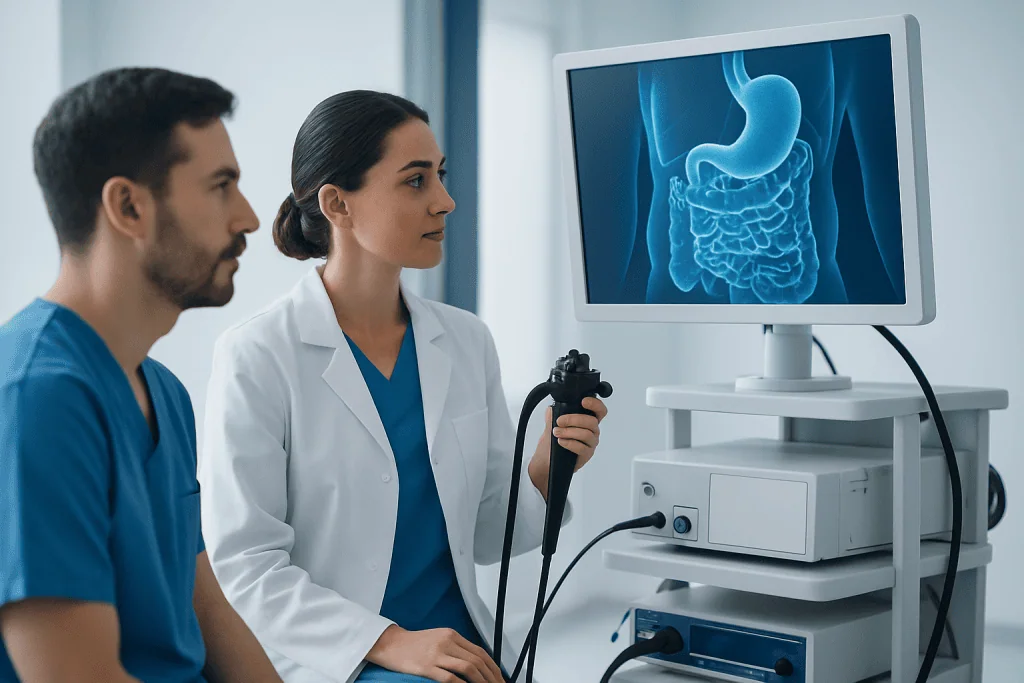
Digestion is a coordinated process involving chewing, stomach mixing, enzyme release, bile flow, and absorption through the intestines. Enzymes are only one part of this system. This is why symptoms like fullness, pain, or bloating can have many causes besides low enzyme levels, including food intolerance, infection, inflammation, irritable bowel syndrome, or structural digestive problems.
The pancreas has a particularly important role because it releases enzymes into the small intestine where much of digestion takes place. If the pancreas cannot deliver enough enzymes, fats are often affected first. This may cause greasy, pale, floating, or difficult-to-flush stools and poor absorption of fat-soluble vitamins.
Some people confuse digestive enzymes with probiotics. Probiotics are live microorganisms intended to support the gut microbiome, while enzymes directly break down nutrients in food. They may sometimes be used in the same person, but they are not the same treatment and are not interchangeable.
When digestive enzymes may help

Digestive enzymes may be helpful when the body does not make or deliver enough enzymes, or when a specific sugar is hard to digest. One well-known example is lactose intolerance, in which the small intestine makes too little lactase. In that situation, lactase tablets or drops may reduce symptoms when dairy is eaten, although not everyone needs them if they can manage symptoms by limiting lactose.
Another important condition is exocrine pancreatic insufficiency, in which the pancreas does not produce enough enzymes for normal digestion. This can occur in people with chronic pancreatitis, cystic fibrosis, after some pancreatic or stomach surgeries, or with certain other digestive diseases. In these cases, prescription pancreatic enzyme replacement is often an important part of treatment and may be used alongside nutritional assessment and treatment of the underlying cause.
Digestive symptoms can also appear in conditions such as celiac disease or small bowel disorders because the intestinal lining is damaged and cannot complete digestion normally. In these situations, enzyme products alone are usually not the main treatment. Managing the underlying condition is essential, and a doctor may recommend further evaluation if symptoms persist.
Symptoms that may suggest an enzyme-related problem
Mild bloating after a large meal is common and does not necessarily mean a person needs digestive enzymes. However, some symptoms can raise concern for a more specific digestive problem. These include frequent bloating after certain foods, excessive gas, cramping, diarrhea, greasy or oily stools, unexplained weight loss, poor growth in children, or signs of vitamin deficiency.
Patterns matter. Symptoms after dairy may suggest lactose intolerance, while persistent fatty stools and weight loss may point toward pancreatic enzyme deficiency. Abdominal pain that spreads to the back, recurrent pancreatitis, or a history of pancreatic surgery are especially important clues that deserve medical attention.
Because symptoms overlap with many other digestive conditions, self-diagnosis can be misleading. Problems such as gallbladder disease, inflammatory bowel disease, infections, peptic disorders, or irritable bowel syndrome can cause similar complaints. A proper diagnosis helps avoid unnecessary supplements and ensures that a more serious cause is not missed.
How doctors evaluate digestive enzyme problems
Evaluation usually begins with a medical history, symptom pattern, diet review, and physical examination. A doctor may ask which foods trigger symptoms, whether stools are greasy or loose, whether weight has changed, and whether there is a history of pancreatic disease, intestinal surgery, diabetes, alcohol-related illness, or autoimmune conditions.
Testing depends on the suspected cause. For lactose intolerance, a doctor may use a careful dietary trial or a breath test. For pancreatic insufficiency, stool tests, blood tests, imaging, or other pancreatic assessment may be used. If symptoms suggest malabsorption, a clinician may also check vitamin levels, iron status, and markers of inflammation or celiac disease.
Some patients need endoscopy or imaging if doctors are concerned about ulcers, inflammation, structural disease, or pancreatic disorders. When specialist care is needed, evaluation may involve gastroenterology care and sometimes endoscopy to look more closely at the digestive tract. The goal is not just to label symptoms, but to identify the reason digestion is not working normally.
Treatment options and what to know about supplements
Treatment depends on the cause. For pancreatic enzyme deficiency, doctors may prescribe pancreatic enzyme replacement therapy, which is taken with meals to help digest food more effectively. Prescription products are preferred for true pancreatic insufficiency because they are standardized and used under medical supervision. Nutritional support and monitoring are often important as well.
For lactose intolerance, dietary adjustments may be enough, or a person may use lactase products when eating dairy. Other specific enzyme products are sometimes marketed for gas, bloating, or broad digestive support, but evidence varies widely. Over-the-counter supplements may not help if symptoms are caused by reflux, ulcers, gallbladder disease, infection, stress-related bowel symptoms, or an inflammatory condition.
It is also important to remember that “natural” does not always mean suitable for everyone. Supplements can interact with medications, cause side effects, or delay the diagnosis of a more important problem. If symptoms are ongoing, a doctor may recommend targeted care rather than trial-and-error use of multiple products. In selected cases, management may also involve ERCP or other pancreatic and biliary procedures if there is an underlying structural problem affecting digestion.
Self-care, diet, and practical daily tips
People with mild digestive symptoms may benefit from simple measures while waiting for medical advice. These include eating smaller meals, chewing thoroughly, limiting foods that clearly trigger symptoms, staying hydrated, and keeping a food-and-symptom diary. This record can help identify patterns and make clinical assessment more accurate.
Diet changes should be focused and realistic rather than overly restrictive. For example, someone who suspects lactose intolerance may try reducing high-lactose foods for a short period while maintaining calcium and protein intake from other sources. Long-term elimination diets should ideally be guided by a doctor or dietitian so nutrition does not suffer.
If a diagnosed enzyme deficiency is present, treatment works best when taken as instructed and paired with follow-up. Monitoring weight, bowel habits, and nutritional status can be useful. Near the end of the care pathway, some patients choose assessment at centers such as Acibadem International, where multidisciplinary specialists in JCI-accredited hospitals diagnose and treat digestive and pancreatic conditions for international patients.
When to seek medical care
Medical care is advisable if digestive symptoms last more than a few weeks, keep returning, or interfere with eating and daily life. Persistent diarrhea, repeated bloating after many foods, greasy stools, unexplained weight loss, vomiting, anemia, or signs of dehydration deserve professional assessment. These features suggest that symptoms may be more than simple indigestion.
Urgent medical attention is needed for severe abdominal pain, blood in the stool, black stools, jaundice, fever with abdominal symptoms, or sudden inability to keep fluids down. These symptoms can have causes far beyond enzyme deficiency and should not be managed with supplements alone.
Children, older adults, and people with chronic illnesses should be assessed sooner if digestion problems are affecting growth, strength, or nutrition. A qualified doctor can determine whether digestive enzymes are appropriate, whether another diagnosis such as pancreatitis should be considered, and what treatment plan is safest.
Frequently asked questions
Do most people need digestive enzyme supplements?
No. Most healthy people make enough digestive enzymes on their own and do not need supplements. These products are most useful when a specific deficiency or medical condition has been identified.
Can digestive enzymes help with bloating?
They can help in some situations, but only if bloating is related to difficulty digesting a certain nutrient, such as lactose, or to pancreatic enzyme deficiency. Bloating has many other causes, so persistent symptoms should be evaluated rather than treated blindly.
What is the difference between prescription pancreatic enzymes and over-the-counter products?
Prescription pancreatic enzymes are used for medically diagnosed pancreatic insufficiency and are standardized for clinical use. Over-the-counter supplements vary in content and evidence, and they may not be appropriate for serious digestive symptoms.
Are digestive enzymes the same as probiotics?
No. Digestive enzymes break down food components such as fats, proteins, and carbohydrates. Probiotics are live microorganisms intended to support the gut microbiome, so they serve a different purpose.
Can digestive enzymes cause side effects?
Yes, some people may experience stomach discomfort, changes in bowel habits, or reactions depending on the product used. They can also complicate care if they delay a proper diagnosis, so ongoing symptoms should be discussed with a doctor.
How does a doctor know if someone has an enzyme deficiency?
Doctors use the symptom pattern, medical history, physical examination, and sometimes stool tests, breath tests, blood tests, or imaging. The exact tests depend on whether they suspect lactose intolerance, pancreatic insufficiency, or another digestive disorder.
References
- National Institute of Diabetes and Digestive and Kidney Diseases
- American Gastroenterological Association
- National Institute for Health and Care Excellence
- MedlinePlus
- World Gastroenterology Organisation
This article is for general information only and is not a substitute for professional medical advice. Please consult a qualified doctor about your individual situation.
Persistent digestive symptoms? Get evaluated in Turkey
JCI-accredited · board-certified surgeons · reply within 24h
Add us as a Preferred Source to see more of our trusted health content across Google Search, AI Overviews and Discover.