Fecal Impaction: An Evidence-Based Guide for Patients

Fecal impaction happens when stool becomes hard and lodged in the rectum or colon. Common warning signs include inability to pass stool, abdominal pain or bloating, rectal discomfort, and leakage of loose stool.
Key Takeaways
- Fecal impaction happens when stool becomes hard and lodged in the rectum or colon.
- Common warning signs include inability to pass stool, abdominal pain or bloating, rectal discomfort, and leakage of loose stool.
- Older adults, people with limited mobility, neurologic disease, dehydration, and certain medicines are at higher risk.
- Treatment may include enemas, suppositories, manual removal, and care for the underlying cause.
- Prompt medical care is important if there is severe pain, vomiting, rectal bleeding, fever, or signs of bowel blockage.
Fecal impaction is a severe form of constipation in which a hard, dry mass of stool becomes stuck in the rectum or colon and cannot be passed normally. It often causes abdominal discomfort, bloating, straining, and leakage of liquid stool, and it usually requires medical evaluation rather than home treatment alone.
Overview
Fecal impaction is a condition in which stool becomes so hard, dry, or large that it gets stuck in the rectum or farther up in the colon. Unlike ordinary constipation, the body may not be able to pass the stool without medical help. This can lead to pain, pressure, bloating, loss of appetite, and sometimes leakage of liquid stool around the blockage.
The condition is most often linked to longstanding constipation, but it can also happen after illness, surgery, medication changes, or reduced mobility. It is seen more often in older adults and in people with nerve or muscle conditions that affect bowel function. Although it can be uncomfortable and distressing, effective treatment is available, and most people improve when the impaction is recognized and treated promptly.
Because symptoms can overlap with other digestive problems, fecal impaction should not be self-diagnosed when symptoms are significant or persistent. Medical assessment helps confirm the cause, rule out complications such as bowel obstruction, and guide safe treatment.
Symptoms and Warning Signs
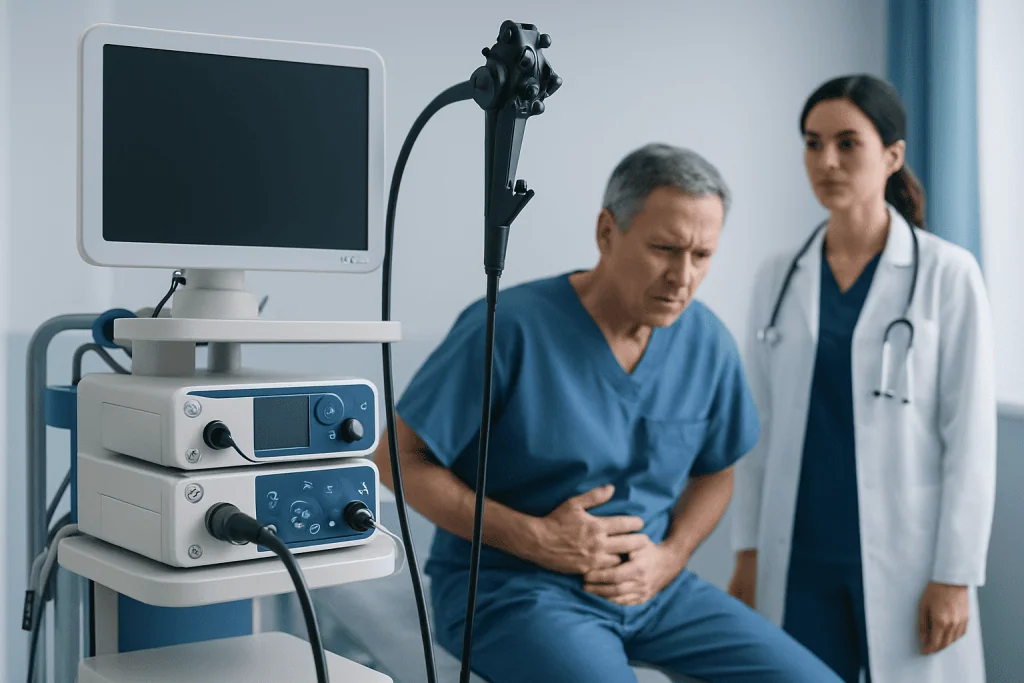
Symptoms of fecal impaction can develop gradually or become noticeable over a few days. Some people report constipation that has worsened over time, while others feel a sudden sense of rectal fullness or an inability to empty the bowels. The exact symptoms can vary depending on where the stool is lodged and how severe the blockage is.
Common symptoms include:
- Inability to pass stool despite straining
- Abdominal pain, cramping, or bloating
- Rectal pain, pressure, or a feeling of fullness
- Nausea or reduced appetite
- Passing only small, hard pellets of stool
- Leakage of watery or mucus-like stool around the blockage
- A need to strain with little result
Some people are surprised by diarrhea-like leakage and may not realize it can happen with severe constipation. This is called overflow soiling or overflow diarrhea. Liquid stool from higher in the bowel may move around the impacted stool and come out, even though the hard stool remains stuck.
More serious warning signs can include vomiting, marked abdominal swelling, blood in the stool, dizziness, or confusion in older adults. These symptoms need prompt medical attention because they may suggest dehydration, infection, or a more serious blockage.
Causes and Risk Factors

Fecal impaction usually develops when constipation is not relieved and stool remains in the colon for too long. As water is absorbed from the stool, it becomes drier, harder, and more difficult to pass. Repeated straining may not be enough to move it, especially if the rectum has become stretched or less sensitive over time.
Several factors can raise the risk:
- Low fluid intake or dehydration
- Low-fiber eating patterns
- Limited physical activity or prolonged bed rest
- Older age
- Ignoring the urge to have a bowel movement
- Recovery after surgery or illness
- Neurologic conditions such as stroke, Parkinson’s disease, multiple sclerosis, or spinal cord disorders
- Medical conditions that slow bowel movement, including thyroid disease or diabetes-related nerve problems
- Certain medicines, especially opioid pain relievers, some antidepressants, iron supplements, anticholinergic medicines, and calcium channel blockers
People who live with chronic constipation are at particular risk. In some cases, impaction may also be related to structural problems in the colon or rectum, pelvic floor dysfunction, or inflammatory bowel conditions. When symptoms are recurrent, doctors may look for related digestive conditions such as constipation or other causes of difficult bowel movements.
In children, stool withholding behavior can sometimes contribute, but the causes and treatment approach may differ from adults. For that reason, persistent constipation or suspected impaction in a child should be assessed by a qualified clinician rather than treated the same way as in adults.
How Fecal Impaction Is Diagnosed
Diagnosis begins with a medical history and physical examination. A doctor will ask about bowel habits, medicines, fluid intake, diet, recent surgery or illness, and symptoms such as pain, nausea, or rectal leakage. This information helps determine whether the problem is likely to be simple constipation, fecal impaction, or another digestive condition.
A physical exam may include an abdominal examination to check for swelling, tenderness, or signs of retained stool. In many cases, a digital rectal exam is important because it can show whether hard stool is present in the rectum. Although this may feel uncomfortable, it can provide quick and useful information for planning treatment.
If the impaction may be higher in the colon, or if complications are possible, imaging tests may be recommended. These can include abdominal X-rays or other forms of diagnostic imaging to assess stool burden and rule out perforation, severe obstruction, or another cause of symptoms. Blood tests may also be used when dehydration, infection, or electrolyte imbalance is a concern.
Evaluation is especially important if the problem keeps returning. Recurrent impaction can signal an underlying bowel motility problem, medication effect, or another digestive disorder that needs specific management.
Treatment Options
Treatment depends on the location and severity of the impaction and on the person’s overall health. Home remedies that may help mild constipation are often not enough once stool is truly impacted. Medical treatment aims first to remove the retained stool safely and then to prevent the problem from happening again.
Common treatment approaches include:
- Rectal suppositories to help soften stool and stimulate evacuation
- Enemas to moisten and loosen impacted stool
- Manual disimpaction, in which a clinician gently removes stool from the rectum
- Oral bowel-cleansing medicines in selected cases, especially when stool is higher in the colon
- Hydration and correction of contributing medical issues
Doctors choose treatment carefully because some methods are not suitable for everyone. People with severe pain, bleeding, frailty, kidney disease, or possible obstruction may need closer monitoring. In rare cases, complications may require hospital care, especially if there is concern about bowel damage or if the impaction does not respond to standard measures.
After the stool is cleared, the next step is preventing recurrence. This may involve treating chronic constipation, adjusting medicines when possible, and improving bowel habits. If an underlying structural or motility problem is suspected, referral for specialist evaluation or procedures such as colonoscopy may be appropriate. In centers such as Acibadem International, multidisciplinary specialists in JCI-accredited hospitals diagnose and treat digestive conditions for international patients when more complex assessment is needed.
Prevention and Self-Care After Recovery
Prevention usually focuses on keeping stools soft and bowel movements regular. For many people, that means consistent hydration, balanced fiber intake, and daily movement. These steps work best when they become part of an ongoing routine rather than a short-term response to symptoms.
Helpful self-care measures may include:
- Drinking enough fluids unless a doctor has advised fluid restriction
- Eating fiber-rich foods such as vegetables, fruits, legumes, and whole grains
- Staying physically active within personal ability
- Going to the toilet when the urge appears rather than delaying
- Using a footstool or bowel-friendly position if recommended
- Reviewing medicines with a doctor if constipation started after a new prescription
Some people need ongoing constipation treatment, such as stool softeners or other medicines, especially if they use opioids or have neurologic disease. It is best not to start repeated laxative use without medical guidance, because the most appropriate option depends on age, kidney function, other illnesses, and the pattern of constipation. People with persistent or recurring symptoms may benefit from evaluation by a specialist in gastroenterology.
Keeping track of stool frequency, consistency, diet, and symptoms can also help. A simple symptom diary may make it easier to identify triggers and discuss a long-term plan with a healthcare professional.
When to Seek Medical Care
Medical care should be sought if constipation is severe, lasts several days despite reasonable self-care, or is accompanied by symptoms that suggest impaction. Examples include an inability to pass stool or gas, significant abdominal bloating, rectal pain, or leakage of watery stool after prolonged constipation. These symptoms often need more than home treatment.
Urgent evaluation is especially important if there is severe or worsening abdominal pain, vomiting, rectal bleeding, fever, faintness, confusion, or a swollen, tender abdomen. These features may point to dehydration, infection, bowel injury, or a blockage that requires prompt treatment.
People at higher risk, such as older adults, those recovering from surgery, and those with neurologic disease or opioid use, should not wait too long to ask for help. Early treatment is usually simpler and may reduce the chance of complications.
Frequently asked questions
Is fecal impaction the same as constipation?
No. Fecal impaction is a severe form of constipation in which hard stool becomes stuck and cannot be passed normally. Ordinary constipation may improve with fluids, fiber, movement, or mild treatment, while fecal impaction often needs medical care.
Can fecal impaction cause diarrhea?
Yes. Liquid stool can leak around the hard stool and come out as watery soiling, sometimes called overflow diarrhea. This can be misleading because a person may seem to have diarrhea while still being severely constipated.
Can fecal impaction go away on its own?
Sometimes mild stool retention improves, but true fecal impaction often does not clear without treatment. Waiting too long can worsen discomfort and increase the risk of complications. If symptoms suggest impaction, medical assessment is the safer approach.
Who is most likely to get fecal impaction?
Older adults, people with chronic constipation, those with limited mobility, and people taking opioid pain medicines or other constipating drugs are at increased risk. Neurologic disorders and dehydration also make impaction more likely.
How do doctors remove impacted stool?
Treatment may involve suppositories, enemas, oral bowel-cleansing medicines, or manual removal by a trained clinician. The choice depends on where the stool is located, how severe the blockage is, and whether there are signs of complications.
How can fecal impaction be prevented from happening again?
Prevention usually includes regular fluid intake, enough dietary fiber, physical activity, and responding promptly to the urge to have a bowel movement. Some people also need a personalized constipation plan or a medication review with their doctor.
References
- National Institute of Diabetes and Digestive and Kidney Diseases
- American College of Gastroenterology
- National Health Service
- Merck Manual Professional Edition
This article is for general information only and is not a substitute for professional medical advice. Please consult a qualified doctor about your individual situation.
Persistent digestive symptoms? Get evaluated in Turkey
JCI-accredited · board-certified surgeons · reply within 24h
Add us as a Preferred Source to see more of our trusted health content across Google Search, AI Overviews and Discover.