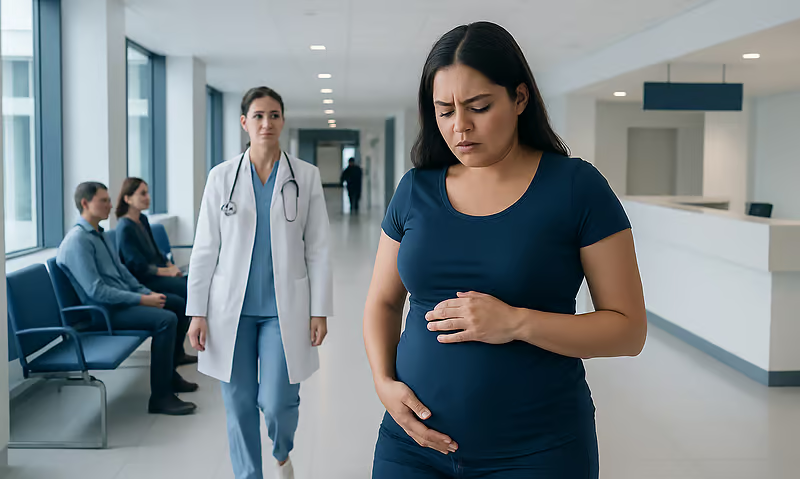
Low Estrogen Symptoms Explained: Common Triggers and Red Flags
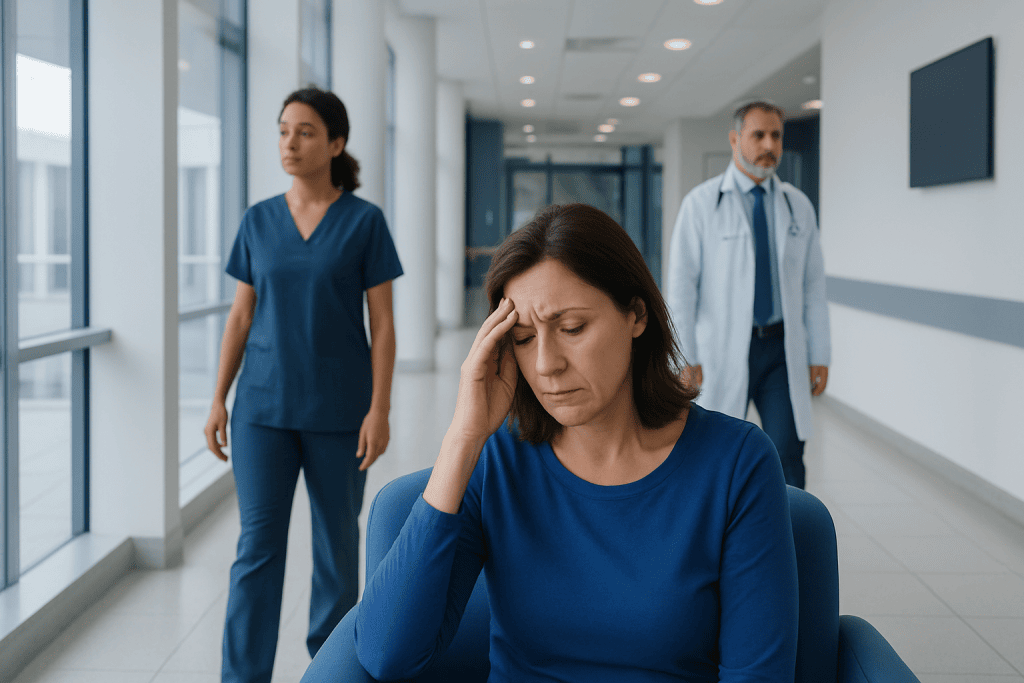
Low estrogen symptoms commonly affect periods, temperature regulation, sleep, sexual health, mood, and bone health over time. Menopause is a common cause, but low estrogen can also occur in younger people for several medical and lifestyle-related reasons.
Key Takeaways
- Low estrogen symptoms commonly affect periods, temperature regulation, sleep, sexual health, mood, and bone health over time.
- Menopause is a common cause, but low estrogen can also occur in younger people for several medical and lifestyle-related reasons.
- Symptoms alone do not confirm low estrogen; diagnosis usually combines medical history, examination, and selected lab tests.
- Treatment depends on the cause and may include lifestyle changes, nonhormonal symptom relief, or hormone therapy when appropriate.
- Persistent symptoms, missed periods, severe hot flashes, pelvic symptoms, or signs of bone loss should be assessed by a qualified doctor.
Low estrogen symptoms often include changes in menstrual cycles, hot flashes, vaginal dryness, sleep problems, and shifts in mood or libido. These symptoms can happen during menopause, after certain medical treatments, or when hormone production is affected by stress, weight changes, intense exercise, or medical conditions.
Overview: What low estrogen symptoms usually feel like
Low estrogen symptoms are the effects that happen when the body has less estrogen than it needs for a person’s age, life stage, and overall health. Estrogen helps regulate the menstrual cycle, supports vaginal and urinary tissues, affects bone strength, contributes to skin and hair health, and influences the brain systems involved in sleep, mood, and temperature control.
Because estrogen acts in many parts of the body, symptoms can look quite different from one person to another. Some people mainly notice irregular periods or trouble getting pregnant, while others are more affected by hot flashes, night sweats, low libido, vaginal dryness, or sleep disruption. The pattern often gives clues about the underlying cause and whether the change is temporary or part of a longer transition such as menopause.
Low estrogen is not a diagnosis by itself. It is a clinical finding or explanation for symptoms that may be linked to natural aging, ovarian conditions, medications, very intense exercise, undernutrition, chronic illness, or treatments that affect the ovaries. A careful medical assessment helps identify whether symptoms are truly related to low estrogen or to another issue such as thyroid disease, depression, anemia, or pregnancy.
Common symptoms and body changes
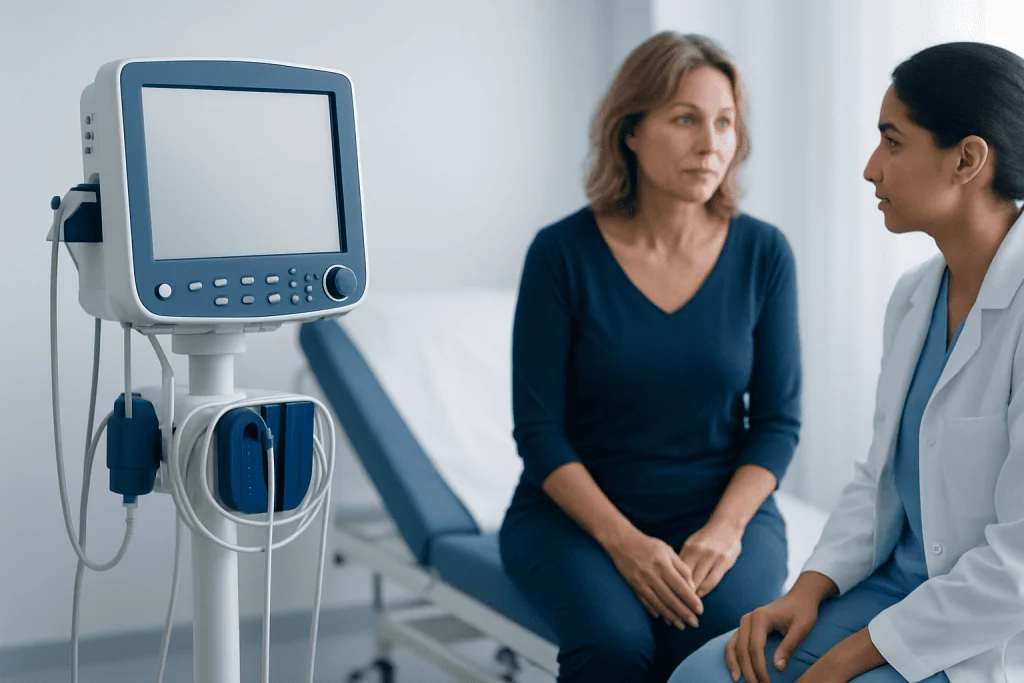
The most recognized low estrogen symptoms involve the menstrual cycle and the body’s temperature regulation. Periods may become irregular, lighter, less frequent, or stop altogether. Some people experience hot flashes, flushing, and night sweats, especially when estrogen levels fluctuate as well as decline.
Low estrogen can also affect intimate comfort and urinary health. Vaginal dryness, burning, irritation, pain during sex, reduced lubrication, and recurrent urinary discomfort may develop because estrogen helps keep these tissues healthy and resilient. Sexual desire may decrease, although libido is influenced by many emotional and physical factors as well.
Sleep and mood changes are also common. Some people report trouble falling asleep, waking during the night, brain fog, irritability, anxiety, or low mood. Over time, low estrogen may contribute to reduced bone density, which does not usually cause symptoms early on but becomes important for long-term health.
- Irregular, missed, or lighter periods
- Hot flashes and night sweats
- Vaginal dryness or pain with intercourse
- Lower libido
- Sleep problems and fatigue
- Mood changes, irritability, or difficulty concentrating
- Dry skin or changes in hair texture
- Long-term risk of bone loss
What can cause low estrogen?

Menopause and perimenopause are among the most common reasons estrogen declines. In the years leading up to menopause, hormone levels can fluctuate widely before becoming persistently lower. This often leads to a mix of irregular periods, hot flashes, sleep changes, and vaginal symptoms. A related condition, menopause, is a natural life stage, but symptoms vary greatly in intensity.
Low estrogen can also occur in younger people. Possible causes include primary ovarian insufficiency, certain genetic conditions, damage to the ovaries after surgery, chemotherapy, or radiation therapy, and some autoimmune disorders. In these situations, medical assessment is especially important because the cause may affect fertility, bone health, and longer-term hormone needs.
Temporary or functional low estrogen may happen when the brain reduces reproductive hormone signaling. This can occur with very intense exercise, significant calorie restriction, rapid weight loss, eating disorders, major psychological stress, or chronic illness. Pituitary or hypothalamic disorders may also interfere with hormone production. Some hormone-suppressing medications can contribute as well.
Risk factors and when symptoms may be overlooked
Low estrogen symptoms can be easy to miss because they overlap with many common concerns. Sleep problems may be blamed on stress, mood changes may be attributed to work or family pressures, and vaginal discomfort may not be discussed openly. Younger people may not realize that skipped periods and fatigue can be signs of hormone disruption rather than simply the result of a busy lifestyle.
Risk factors depend on the cause but often include age over the mid-40s, a family history of early menopause, smoking, autoimmune disease, low body weight, disordered eating, high-intensity endurance training, ovarian surgery, and cancer treatments that affect the ovaries. People who have recently given birth or are breastfeeding may also notice low-estrogen effects for a time, particularly vaginal dryness, because estrogen can remain lower during this period.
It is also important not to assume every symptom is hormonal. Thyroid disorders, pregnancy, depression, medication side effects, chronic stress, and some gynecologic conditions can cause similar changes. For example, missed periods and pelvic symptoms may need evaluation for conditions such as polycystic ovary syndrome, which can also disrupt menstrual cycles but has a different hormone pattern and treatment approach.
How doctors diagnose the cause
Diagnosis begins with a detailed medical history. A doctor will usually ask about menstrual timing, the onset and pattern of symptoms, pregnancy possibility, exercise habits, weight changes, eating patterns, stress, medications, surgeries, and family history. A physical examination may include blood pressure, weight trends, skin and hair changes, and a pelvic exam when symptoms suggest vaginal or gynecologic causes.
Testing is guided by age and symptoms rather than ordered the same way for everyone. In some cases, blood tests may check pregnancy, follicle-stimulating hormone, estradiol, thyroid function, prolactin, or other hormones. If bone health is a concern, especially in early estrogen deficiency or prolonged absent periods, bone density testing may be recommended. Imaging may be needed if the doctor suspects a pituitary, ovarian, or structural problem.
For people in the typical age range for perimenopause, diagnosis is often mainly clinical, based on symptoms and cycle changes. In younger patients, missed periods or signs of low estrogen usually need a broader evaluation to understand why ovarian hormone production has changed and whether fertility or long-term health could be affected.
Treatment options and symptom relief
Treatment depends on the cause, the person’s age, their symptom burden, and their medical history. If low estrogen is related to undernutrition, overtraining, or major stress, care often focuses on restoring energy balance, adjusting exercise intensity, improving sleep, and addressing any disordered eating or mental health concerns. When medications or medical treatments are contributing, the treatment plan may need to be reviewed with the prescribing specialist.
For moderate to severe symptoms, doctors may discuss hormone therapy when it is medically appropriate. This can help with hot flashes, night sweats, and vaginal symptoms, and may also support bone health in selected patients. Local vaginal estrogen may be considered when symptoms are mainly dryness or discomfort. Broader hormone-based care may be part of hormone therapy planning, but the risks and benefits should always be reviewed individually.
Nonhormonal options can also help. Vaginal moisturizers and lubricants may improve comfort during daily life and sex. Cooling measures, layered clothing, regular physical activity, sleep hygiene, and limiting triggers such as alcohol or very spicy meals may reduce hot flashes for some people. If fertility is a concern or periods have stopped unexpectedly, referral for fertility evaluation and treatment may be appropriate depending on the cause.
When the symptom picture is complex, care may involve gynecology, endocrinology, nutrition, mental health, or reproductive medicine specialists. In suitable cases, symptoms related to menopausal transition may also be addressed through menopause management after a full medical review.
Prevention, self-care, and long-term health
Not every cause of low estrogen can be prevented, especially natural menopause or treatment-related ovarian changes. However, good overall health habits can reduce risk in some cases and help support recovery when low estrogen is related to lifestyle strain. Regular meals, enough calories for activity level, adequate calcium and vitamin D intake, resistance exercise, and consistent sleep are all important for hormone and bone health.
People who exercise intensely may benefit from monitoring menstrual regularity as a sign of whether the body is under too much stress. Missed periods should not be seen as a normal result of hard training. Early attention can help prevent prolonged hormone disruption and its effects on bones and fertility. Smoking cessation is also helpful, as smoking is associated with earlier menopause and poorer vascular and bone health.
Simple symptom tracking can be useful before a medical visit. Recording cycle dates, hot flashes, sleep quality, vaginal symptoms, mood changes, and any major stressors helps clinicians identify patterns. For international patients who need coordinated assessment, Acibadem International’s multidisciplinary specialists in JCI-accredited hospitals diagnose and treat hormone-related conditions using individualized plans.
When to seek medical care
Medical review is important if low estrogen symptoms are persistent, bothersome, or beginning at an unexpectedly young age. A doctor should assess missed periods, very irregular cycles, recurrent hot flashes, significant vaginal dryness, pain during sex, fertility concerns, or symptoms that interfere with daily life or sleep.
Prompt care is especially important if there are warning signs that suggest another condition or a more urgent problem. These include heavy bleeding, pelvic pain, unexplained weight loss, milky nipple discharge, headaches with vision changes, or signs of possible pregnancy. Bone pain, fractures after minor injuries, or a long history of absent periods also deserve attention because of the risk to bone density.
Even when symptoms seem mild, professional guidance can help clarify whether estrogen is truly low and whether treatment is needed. Early evaluation can also rule out related conditions such as thyroid disease, pituitary disorders, or ovarian problems and can help protect long-term reproductive, sexual, and bone health.
Frequently asked questions
What are the first signs of low estrogen?
Early low estrogen symptoms often include changes in the menstrual cycle, such as missed, irregular, or lighter periods. Some people also notice hot flashes, sleep disturbance, vaginal dryness, lower libido, or mood changes. The first signs vary depending on age and the cause of the hormone change.
Can low estrogen happen before menopause?
Yes. Low estrogen can occur before menopause because of primary ovarian insufficiency, intense exercise, undernutrition, eating disorders, stress, pituitary problems, or medical treatments that affect the ovaries. In younger people, persistent symptoms or missed periods should be evaluated rather than assumed to be normal.
Do low estrogen symptoms always mean menopause?
No. Menopause is a common cause, but it is not the only one. Similar symptoms can also be related to thyroid disease, pregnancy, medication effects, chronic stress, or conditions that affect the ovaries or hormone signaling from the brain.
How is low estrogen confirmed?
Doctors usually diagnose the cause by combining symptoms, age, menstrual history, physical examination, and selected tests. Blood tests may be used in some cases, especially in younger patients or when the diagnosis is unclear. One hormone result alone may not tell the full story because levels can fluctuate.
Can low estrogen affect fertility?
Yes. Estrogen plays a role in ovulation and the menstrual cycle, so low levels may make it harder to conceive depending on the cause. Fertility impact varies widely, which is why a prompt assessment is helpful if periods stop or pregnancy is not happening as expected.
What helps low estrogen symptoms naturally?
Helpful steps may include eating enough for the body’s needs, reducing excessive exercise, improving sleep, managing stress, and using vaginal moisturizers or lubricants for dryness. These measures can reduce symptoms or support recovery in some cases, but they do not replace medical evaluation when symptoms are persistent or severe.
References
- American College of Obstetricians and Gynecologists
- National Institute on Aging
- National Institutes of Health
- North American Menopause Society
- Endocrine Society
This article is for general information only and is not a substitute for professional medical advice. Please consult a qualified doctor about your individual situation.
Hair transplant in Turkey — costs, graft counts & a free assessment
JCI-accredited · board-certified surgeons · reply within 24h
Add us as a Preferred Source to see more of our trusted health content across Google Search, AI Overviews and Discover.
Check your numbers in seconds
BMI, calories, due date, blood pressure and 30+ more clinical calculators — free, instant, doctor-reviewed ranges.