Reactive Attachment Disorder: Diagnosis, Outlook, and Modern Treatment Approaches

Reactive attachment disorder is a rare childhood condition linked to severe neglect or disrupted early caregiving. Affected children rarely seek or respond to comfort and may struggle with trust and emotional regulation. If you notice these patterns, a specialist assessment is needed, as similar signs can occur in autism, depression, and other conditions.
Key Takeaways
- Reactive attachment disorder usually develops in early childhood after serious neglect or repeated changes in caregivers.
- Common signs include social withdrawal, limited comfort-seeking, reduced responsiveness, and emotional regulation difficulties.
- Diagnosis is clinical and requires a detailed developmental, family, and mental health assessment.
- Treatment focuses on creating safety, strengthening the caregiver-child relationship, and addressing trauma and coexisting conditions.
- Early support often improves long-term emotional, social, and behavioral outcomes.
You hold out your arms and your child turns away. They are hurt, tired, or frightened — and yet comfort seems to be the last thing they want from you. For some families, especially foster, adoptive, and kinship caregivers, that pattern repeats day after day.
Reactive attachment disorder is a childhood mental health condition linked to severe neglect, abuse, or major disruptions in early caregiving. With careful diagnosis and trauma-informed treatment, many children can build safer relationships, improve emotional regulation, and function better over time.
Overview: What reactive attachment disorder means
Reactive attachment disorder is a mental health condition seen in young children who have experienced severe neglect, abuse, or repeated disruptions in caregiving. In simple terms, the child has had too little consistent, safe, and responsive care during a critical stage of development, making it hard to form a healthy attachment to caregivers. This can affect trust, emotional regulation, and social behavior.
The condition is uncommon, but it is clinically important because it can influence many areas of development. A child with reactive attachment disorder may seem emotionally withdrawn, rarely seek comfort when upset, or respond very little when comfort is offered. These behaviors are not a sign of stubbornness or a “difficult personality.” They usually reflect early relational trauma and unmet developmental needs.
Getting this right takes time, and a careful look at the whole child rather than a quick label. Not every child who has experienced adversity will develop the disorder, and not every child with social or behavioral difficulties has an attachment disorder. Doctors and mental health specialists look at the child’s history, current relationships, and pattern of symptoms over time before making a diagnosis.
How it affects children and families
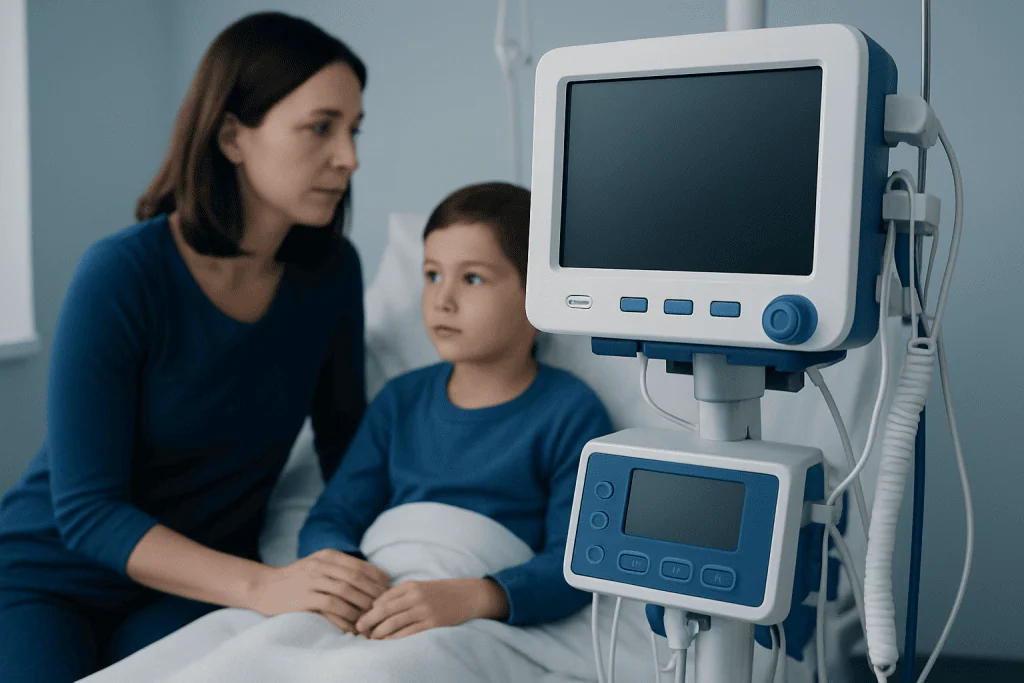
Attachment helps a child learn that adults can be a source of safety, soothing, and support. When this process is disrupted very early in life, the child may struggle to rely on caregivers even when distressed. This can be confusing and painful for families, especially foster, adoptive, or kinship caregivers who are trying to build trust and closeness.
Children with reactive attachment disorder may have trouble with daily transitions, changes in routine, and managing stress. They may appear distant, guarded, or unusually unresponsive in situations where most children would seek comfort. Some children also show irritability, sadness, fearfulness, or developmental delays, particularly if they have experienced long-standing neglect.
Family support is an essential part of care. Caregivers often need guidance to understand trauma-related behaviors and to respond in a predictable, emotionally attuned way. In many cases, treatment is most effective when it supports both the child and the caregiving environment, rather than focusing on the child alone.
Symptoms and signs of reactive attachment disorder
The core features of reactive attachment disorder involve a pattern of emotionally withdrawn behavior toward adult caregivers. A child may rarely seek comfort when upset and may not respond much when comfort is offered. There may also be limited positive emotion, reduced social engagement, or episodes of unexplained irritability, fear, or sadness during ordinary interactions.
Symptoms can vary with age and developmental stage, but common signs include:
- Minimal comfort-seeking from familiar caregivers
- Limited response to soothing or reassurance
- Emotional withdrawal or reduced eye contact
- Low social responsiveness
- Unexplained sadness, vigilance, or irritability
- Difficulty trusting adults or forming close bonds
- Problems with emotional regulation and behavior
Read these signs with care. Children with autism spectrum disorder, depression, anxiety, developmental delay, or the effects of trauma may show some overlapping features. Because of this, a specialist evaluation is important. A broad mental health assessment can help distinguish reactive attachment disorder from other conditions, including autism.
Causes and risk factors
Reactive attachment disorder is associated with extreme patterns of insufficient care during early childhood. This can include persistent neglect, repeated changes in primary caregivers, long periods in institutions with limited one-to-one caregiving, or living situations where basic emotional needs were not reliably met. The condition is not caused by ordinary parenting stress or by a single difficult event.
Important risk factors include severe social neglect, physical or emotional abuse, prolonged separation from a primary caregiver, and unstable caregiving environments. Some children are also affected by prenatal and early life stressors that complicate development, though these do not by themselves define the disorder.
It also helps to be clear about what reactive attachment disorder is not. It is not simply shyness, oppositional behavior, or a temporary adjustment problem after adoption or foster placement. While early trauma can raise the risk of several emotional and behavioral conditions, the diagnosis requires a specific pattern of impaired attachment linked to a history of inadequate care.
How diagnosis is made
Reactive attachment disorder is diagnosed through a detailed clinical evaluation. There is no single blood test, brain scan, or questionnaire that confirms it. Instead, clinicians gather information from caregivers, medical records, developmental history, school or nursery observations, and direct assessment of the child’s behavior and relationships.
The evaluation usually considers when symptoms began, the child’s early caregiving history, developmental milestones, social functioning, trauma exposure, and current emotional and behavioral concerns. Doctors also assess whether the symptoms are better explained by another condition, such as developmental disorders, mood disorders, anxiety, or the effects of chronic stress.
Since these symptoms can look like other mental health concerns, it often helps to have pediatrics, child psychiatry, psychology, and developmental specialists assess the child together. In some cases, formal evaluation in child and adolescent psychiatry is appropriate, especially when trauma, behavior changes, or complex family circumstances are present. If there are concerns about speech, learning, or broader development, a more comprehensive pediatric review may also be needed.
Accurate diagnosis matters because treatment plans differ. A child with trauma-related social withdrawal may need different support than a child with primary developmental differences or one who is mainly struggling with anxiety. The goal is not to label the child, but to understand what support will best promote safety, connection, and healthy development.
Modern treatment approaches and outlook
Modern treatment for reactive attachment disorder focuses on safety, stability, and relationship repair. The most important first step is making sure the child has a consistent, nurturing caregiving environment. Children generally improve best when they experience predictable routines, sensitive responses, and adults who can remain calm and emotionally available during distress.
Therapy often includes caregiver-focused work as well as direct support for the child. Approaches may involve trauma-informed psychotherapy, parent-child therapy, behavioral support, and guidance to help caregivers recognize the child’s cues and respond in a steady, supportive way. If the child has coexisting problems such as anxiety, depression, sleep difficulties, or developmental concerns, these may need separate evaluation and treatment. Broader support through psychiatry or pediatric mental health services can be helpful when symptoms are complex.
There is no medicine that specifically cures reactive attachment disorder, but medications may sometimes be used for associated symptoms or coexisting conditions when clinically appropriate. Any medicine should be prescribed by a qualified clinician after a full assessment and should be part of a broader treatment plan rather than the main treatment.
The outlook varies depending on the child’s age, the severity and duration of early adversity, and how quickly stable care and treatment begin. Early intervention often improves the chances of better emotional and social development. Many children can make meaningful progress in trust, behavior, and daily functioning when they receive long-term, trauma-informed support in a reliable caregiving environment.
What caregivers can do at home
Much of the healing happens at home, with you. What helps most is consistency, not force. Children with attachment-related difficulties often need repeated experiences of calm, reliable care before they feel safe enough to seek comfort and build trust.
At home, families may benefit from the following approaches:
- Keep routines predictable for sleep, meals, school, and transitions
- Use calm, clear, and consistent responses to difficult behavior
- Notice and respond to signs of stress early
- Offer comfort without pressure if the child pulls away
- Support healthy sleep, nutrition, physical activity, and school attendance
- Work closely with therapists, teachers, and pediatric clinicians
Try to steer clear of punishment, shaming, or forcing the issue. Those approaches usually deepen fear and mistrust. Caregivers also need support for themselves, because caring for a child with a trauma history can be emotionally demanding. Parent training, family therapy, and trauma-informed counseling may reduce stress and improve the caregiving relationship.
When a child’s symptoms are part of broader developmental or emotional concerns, multidisciplinary care may be useful. In selected cases, doctors may also evaluate related mental health conditions such as depression or anxiety to make sure all contributing factors are addressed.
When to seek medical care
Medical or mental health evaluation is appropriate if a child consistently avoids comfort from caregivers, shows marked emotional withdrawal, or has a history of severe neglect or multiple caregiver disruptions. Assessment is also important when social difficulties, poor emotional regulation, aggression, sleep problems, developmental delays, or school concerns are affecting daily life.
Urgent help should be sought if the child may be at risk of harm, if there are concerns about abuse or ongoing neglect, or if there are severe behavioral changes such as self-injury, intense aggression, or loss of basic functioning. In these situations, families should contact local emergency services or child protection resources according to local laws and medical guidance.
This is a complex condition, and no family should have to sort it out alone. At Acibadem International, our multidisciplinary specialists and JCI-accredited hospitals evaluate and treat international patients who need pediatric, developmental, and mental health assessment, including support through pediatrics when appropriate.
Frequently asked questions
What is reactive attachment disorder?
Reactive attachment disorder is a childhood mental health condition linked to severe neglect or major disruptions in early caregiving. It affects how a child seeks comfort, trusts caregivers, and responds emotionally in relationships.
At what age does reactive attachment disorder develop?
The condition is associated with problems in early childhood, especially during the years when attachment to a primary caregiver is developing. Clinicians consider both the child’s age and the timing of early caregiving difficulties when making the diagnosis.
Can reactive attachment disorder be treated?
Yes. Treatment usually focuses on building a safe, stable caregiving relationship and addressing trauma-related symptoms. Many children improve over time with consistent care, therapy, and support for both the child and caregivers.
Is reactive attachment disorder the same as autism?
No. Although some social behaviors can overlap, the conditions are different. Reactive attachment disorder is linked to severe early caregiving disruption, while autism is a neurodevelopmental condition with a different clinical pattern and underlying causes.
Do children with reactive attachment disorder always become adults with relationship problems?
Not always. Long-term outcomes vary widely and depend on the severity of early adversity, the presence of other conditions, and how quickly stable, supportive treatment is provided. Early intervention can improve emotional and social development.
Can medication help reactive attachment disorder?
There is no medication that directly cures reactive attachment disorder. However, a doctor may sometimes prescribe medicine for coexisting symptoms or conditions, such as anxiety, sleep problems, or depression, if needed.
This article is for general information only and is not a substitute for professional medical advice. Please consult a qualified doctor about your individual situation.
Explore treatments in Turkey — costs, top hospitals & a free quote
7 JCI-accredited hospitals · board-certified surgeons · reply within 24h
Add us as a Preferred Source to see more of our trusted health content across Google Search, AI Overviews and Discover.

Medically reviewed by the Acıbadem International Medical Board — August 24, 2026
See our medical review board →
References (1)
- Child Mental Health — MedlinePlus — medlineplus.gov
More from the Health Library

Treating Inflammation Means Treating Its Cause

Joubert Syndrome: Diagnosis, Outlook, and Modern Treatment Approaches

Screening Mammograms by Age: Timing and What Happens

Oppositional Defiant Disorder: Early Signs, Risk Factors, and How It Is Treated

Endoscopic Strip Craniectomy for Infant Craniosynostosis