Calculation of Calories Burned: Evidence-Based Benefits, Risks, and Practical Guidance

The calculation of calories burned combines resting metabolism, digestion, and physical activity. Wearables, gym machines, and online calculators can be helpful, but their estimates vary.
Key Takeaways
- The calculation of calories burned combines resting metabolism, digestion, and physical activity.
- Wearables, gym machines, and online calculators can be helpful, but their estimates vary.
- Calories burned numbers are best used for trends over time, not as exact targets.
- Age, body size, sex, fitness level, medications, and health conditions all affect energy expenditure.
- People with unexplained weight change, exercise intolerance, or metabolic concerns should speak with a qualified doctor.
The calculation of calories burned estimates how much energy the body uses through basic functions, daily movement, and exercise. It can support weight management and training decisions, but most methods provide an approximation rather than an exact measurement.
Overview: what the calculation of calories burned means
The calculation of calories burned is a way to estimate how much energy the body uses over a period of time. In practical terms, it includes the calories needed to keep the body alive at rest, the energy used to digest food, and the extra energy spent during movement and exercise. For most people, the result is best understood as an estimate that helps guide decisions, not as a precise measurement.
Clinically, this topic matters because energy expenditure plays a central role in weight change, physical performance, recovery, and general health. A person who understands how calorie burn is estimated may be better able to interpret information from smartwatches, treadmill displays, and nutrition apps. This can reduce confusion and help set realistic expectations.
Evidence supports the general usefulness of calorie-burn estimation for monitoring patterns over time, especially when paired with body weight, dietary intake, and activity logs. However, evidence also shows that common tools can overestimate or underestimate actual energy use, sometimes by a meaningful margin. For that reason, calorie-burn numbers should not be treated as exact proof of how much a person can eat or how much fat was lost after a single workout.
How the body burns calories
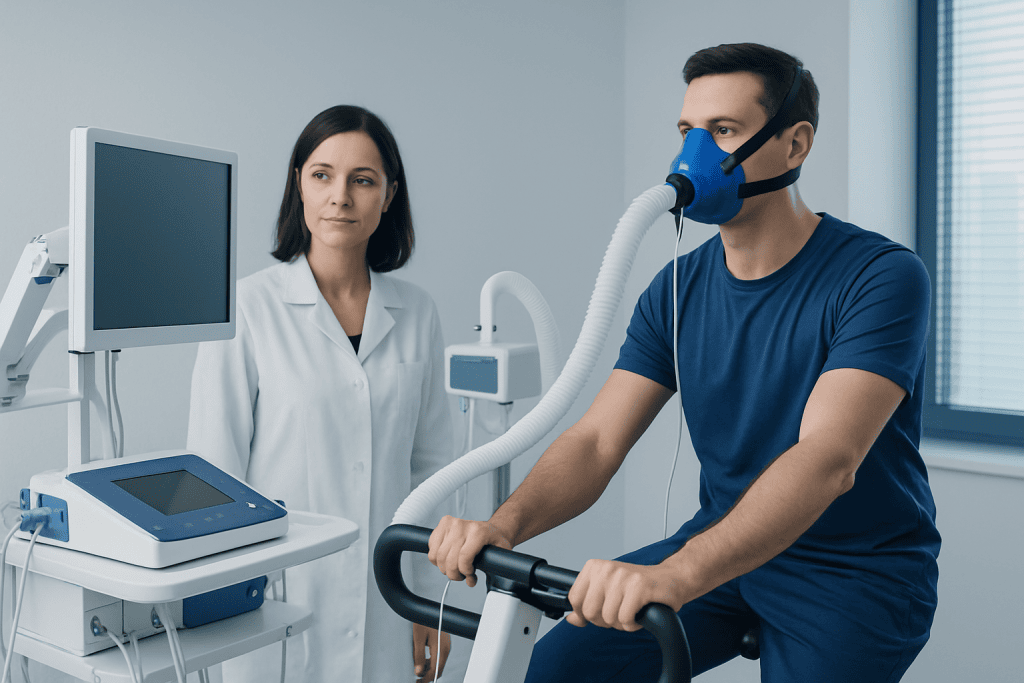
Most calories are burned through basal or resting metabolic processes. This includes breathing, circulation, temperature regulation, brain function, and other essential tasks. Resting energy expenditure usually makes up the largest share of total daily calorie burn, even in people who exercise regularly.
The second part is the thermic effect of food, which is the energy needed to digest, absorb, and process nutrients. Protein generally requires more energy to process than fat or carbohydrate, but this effect is still only one part of total energy expenditure. The third part is physical activity, which includes both planned exercise and non-exercise activity such as walking, standing, household tasks, and fidgeting.
Because these components vary from person to person, two individuals doing the same activity may burn different amounts of energy. Important influences include body weight, body composition, age, sex, fitness level, movement efficiency, temperature, altitude, and health status. Conditions such as obesity can also affect energy balance and make interpretation more complex.
- Resting metabolism: energy used at rest
- Thermic effect of food: energy used for digestion and absorption
- Physical activity: exercise plus everyday movement
Common methods used to estimate calories burned

Several approaches are used for the calculation of calories burned. Simple online calculators usually combine personal details such as age, sex, weight, height, and activity type. Many are based on MET values, which estimate how much energy different activities require compared with resting. This approach is practical, but it assumes average effort and average physiology, so the estimate may not match a specific individual closely.
Wearable devices often use motion sensors, heart rate data, and profile information to estimate calorie burn. These tools can be convenient for day-to-day tracking and can be useful for spotting patterns. Still, their accuracy depends on device quality, sensor fit, skin contact, the type of exercise, and the underlying algorithm. Wrist-based devices may be less accurate for cycling, strength training, interval workouts, or activities involving limited arm movement.
In clinical and sports settings, more specialized methods may be used. Indirect calorimetry estimates energy expenditure by measuring oxygen use and carbon dioxide production. Laboratory testing can provide more individualized data, particularly for resting metabolic rate or exercise physiology. Body composition assessment, sometimes alongside body composition analysis, may also improve interpretation by showing how lean mass and fat mass influence metabolism.
Exercise equipment such as treadmills and ellipticals often displays calories burned, but these values are usually broad estimates unless body weight and heart rate are entered accurately. They can still be useful for comparing one workout with another on the same machine, especially when conditions are similar.
What evidence supports—and does not support
Research supports the use of calorie-burn estimation as a practical tool for planning activity, tracking exercise volume, and supporting weight-management programs. When used consistently, these estimates can help people see whether they are becoming more active and whether a routine is likely to contribute to an energy deficit or maintenance. In this sense, the method is clinically useful as part of a broader picture.
At the same time, evidence does not support relying on a single calorie-burn number as an exact measure of fat loss, fitness improvement, or dietary needs. A workout that appears to burn a certain number of calories does not guarantee a matching change on the scale. Appetite, water balance, muscle gain, menstrual cycle changes, sleep quality, medications, and illness can all affect short-term results.
There is also limited support for using calorie-burn calculations alone to diagnose metabolic health problems. An unusually low or high estimate on an app does not confirm a thyroid disorder, hormonal issue, or nutritional problem. If there are concerns such as fatigue, heat intolerance, tremor, or unexpected weight changes, proper medical evaluation is more appropriate than self-diagnosis based on consumer tracking tools.
Benefits, limitations, and possible risks of overreliance
The main benefit of the calculation of calories burned is that it offers a structured way to understand energy use. It may help with exercise planning, weight management, rehabilitation goals, and performance monitoring. For some people, seeing estimates can increase motivation and make physical activity feel more concrete and measurable.
Its limitations are equally important. Estimates vary across devices and formulas, and they are influenced by assumptions that may not fit the individual. A person may burn fewer calories than expected if movement becomes more efficient with training, or more calories than expected if carrying extra body weight or exercising in heat. Over time, small errors can add up, especially if a person uses these numbers to decide how much extra food to eat.
There can also be emotional or behavioral risks when calorie-burn data is used in an overly rigid way. Some people may feel pressure to “earn” food through exercise or may become anxious when the numbers seem lower than expected. In others, overestimating calories burned can unintentionally slow progress in weight management. People with a history of disordered eating should use tracking tools carefully and may benefit from professional guidance.
Medication use and medical conditions can further complicate interpretation. For example, beta blockers can affect heart-rate-based estimates, and endocrine conditions may alter metabolic rate. Individuals being assessed for issues such as unexplained weight gain or high blood sugar may need a broader evaluation that can include endocrinology and metabolic diseases care.
Practical guidance for using calorie-burn estimates wisely
A practical approach is to use the same method consistently and look for trends rather than chasing perfect accuracy. If a person uses a wearable device, it is usually more helpful to compare one week with another than to focus on whether yesterday’s workout burned exactly the displayed amount. Recording body weight, waist measurements, performance markers, and energy levels can provide context.
It also helps to choose the right tool for the goal. Someone interested in everyday movement may benefit from a step counter and simple activity estimates. A person training for endurance events may need more detailed assessment, while someone managing excess body weight may benefit from combining activity tracking with nutrition review and medical advice. In some cases, weight loss surgery may be part of treatment for severe obesity, but calorie-burn estimates alone are not enough to determine whether such treatment is appropriate.
To improve accuracy, people can enter correct age, height, weight, and sex details, keep devices fitted properly, and review trends over several weeks. Pairing calorie-burn estimates with a balanced eating pattern, adequate sleep, and progressive exercise is more reliable than making frequent diet changes based on single workouts. Strength training, walking, and sustainable routine building are often more useful than trying to maximize one-day calorie burn.
- Use one calculator or device consistently
- Focus on weekly or monthly patterns
- Avoid eating back all estimated exercise calories automatically
- Combine activity data with weight, waist, and symptom tracking
- Ask a clinician for help if results seem inconsistent with symptoms or health goals
Who may need extra caution
Most healthy adults can use calorie-burn estimates safely as general information. Still, some groups should be more cautious. People with heart disease, chronic lung disease, endocrine disorders, pregnancy-related concerns, recent surgery, or significant mobility limitations may have activity tolerances that are not well reflected in standard formulas.
Children and older adults also require a more individualized approach. Growth, medication use, muscle loss, and changing mobility can make standard estimates less reliable. Competitive athletes, people recovering from illness, and anyone with unexplained fatigue may need a more tailored evaluation, especially if exercise performance suddenly changes.
People with diabetes should also be aware that physical activity affects blood sugar differently depending on intensity, timing, meals, and medications. In that context, calorie-burn estimates can be useful, but they do not replace medical guidance for glucose management. Broader care, including diabetes assessment and follow-up, may be needed when symptoms or blood sugar patterns are changing.
When to seek medical care
Medical advice is appropriate if a person has unexplained weight loss or weight gain, marked fatigue, shortness of breath with mild activity, chest discomfort during exercise, dizziness, fainting, or a sudden drop in exercise tolerance. These symptoms should not be explained away by a low or high calorie-burn estimate from an app or wearable.
It is also sensible to consult a doctor if calorie tracking and exercise changes do not match what is happening in the body over time, especially when there are signs of hormonal or metabolic disease. A clinician can review medications, nutrition, activity, sleep, and possible underlying conditions. If specialist evaluation is needed, Acibadem International’s multidisciplinary specialists and JCI-accredited hospitals diagnose and treat related metabolic, endocrine, and weight-management conditions for international patients.
Urgent care is important for severe chest pain, fainting, serious breathing difficulty, or signs of very low or very high blood sugar. In those situations, the priority is prompt medical assessment rather than trying to recalculate energy expenditure.
Frequently asked questions
How accurate is the calculation of calories burned?
It is usually an estimate, not an exact measurement. Accuracy depends on the method used, the quality of the device or formula, and individual factors such as body composition, fitness, and exercise type.
Do smartwatches calculate calories burned correctly?
Smartwatches can be helpful for tracking trends, but their numbers may differ from true energy expenditure. They tend to perform better when profile details are correct and the device is worn properly, yet they can still be less accurate for some activities.
Why do two people burn different calories doing the same workout?
Energy use is influenced by body size, age, sex, muscle mass, fitness, and movement efficiency. Even at the same speed or duration, one person may need more or less energy than another.
Can calorie-burn calculations help with weight loss?
They can be useful as part of a broader plan. Most people get the best results when calorie-burn estimates are combined with nutrition habits, sleep, consistency, and regular follow-up rather than used alone.
Should a person eat back all calories burned during exercise?
Not necessarily. Because many tools overestimate exercise calories, automatically replacing all of them can make weight management harder. A balanced approach is usually more reliable, especially when guided by a clinician or dietitian.
Can a low calorie-burn estimate mean there is a medical problem?
Not by itself. Consumer tools cannot diagnose thyroid disease, hormonal disorders, or other health conditions. If there are symptoms such as fatigue, sudden weight change, or poor exercise tolerance, a medical evaluation is the safer next step.
This article is for general information only and is not a substitute for professional medical advice. Please consult a qualified doctor about your individual situation.
Medical weight-loss options in Turkey — costs & eligibility
JCI-accredited · board-certified surgeons · reply within 24h
Add us as a Preferred Source to see more of our trusted health content across Google Search, AI Overviews and Discover.
Check your numbers in seconds
BMI, calories, due date, blood pressure and 30+ more clinical calculators — free, instant, doctor-reviewed ranges.

More from the Health Library

Anti Aging Supplements: What the Clinical Research Actually Says

Hiya Kids Vitamins: What the Clinical Research Actually Says

Do bananas help with period cramps: An Evidence-Based Guide From Clinical Nutrition

Plant Based Protein Sources: Benefits, Risks, and Safe Use

Food Molasses: Benefits, Risks, and Safe Use