

What Causes Cold Feet? A Doctor-Reviewed Answer

Cold feet are often harmless and happen because the body reduces blood flow to the extremities in cold temperatures. Persistent or one-sided cold feet, pain, color changes, numbness, or sores may need medical review.
Key Takeaways
- Cold feet are often harmless and happen because the body reduces blood flow to the extremities in cold temperatures.
- Persistent or one-sided cold feet, pain, color changes, numbness, or sores may need medical review.
- Common medical causes include circulation problems, Raynaud phenomenon, diabetes, anemia, thyroid disorders, and nerve conditions.
- Doctors usually evaluate cold feet with a history, physical exam, pulse check, and sometimes blood tests or vascular studies.
- Self-care may help when cold feet are mild, but treatment depends on the underlying cause.
What causes cold feet? In many people, cold feet are a normal response to cold weather, stress, or naturally lower circulation in the hands and feet. Sometimes, though, persistently cold feet can point to problems such as poor blood flow, nerve changes, thyroid disease, anemia, or diabetes, especially if other symptoms are present.
Overview: why cold feet happen
Cold feet are very common, and in many cases they are not a sign of disease. Feet often feel colder than other parts of the body because they are farther from the heart, have less insulating fat than the trunk, and are exposed to cooler surfaces such as floors or outdoor ground. The body also naturally narrows small blood vessels in the skin to conserve heat, which can make the toes and feet feel cool.
That is the short answer to the question, what causes cold feet: most often, it is a normal response to cold temperatures, stress, inactivity, or individual differences in circulation. Some people simply notice cold feet more than others, especially if they are naturally slender, spend long periods sitting still, or live in colder climates.
At the same time, cold feet can sometimes reflect an underlying health issue. Doctors pay closer attention when the feeling is persistent, affects one foot more than the other, or comes with pain, numbness, tingling, skin color changes, wounds, swelling, or trouble walking. In those situations, the symptom may be related to blood flow, nerves, hormones, or blood health.
A helpful way to think about cold feet is to separate harmless temperature sensitivity from cold feet that are new, worsening, or paired with other symptoms. That distinction guides whether simple lifestyle changes are enough or whether medical evaluation is needed.
Common harmless causes of cold feet
Many everyday factors can make feet feel cold without indicating illness. Exposure to low temperatures is the most obvious cause. When the body is trying to preserve core temperature, it directs more blood toward vital organs and less toward the skin of the hands and feet. This protective response can be noticeable even in mildly cool indoor environments.
Stress and anxiety can also play a role. During stress, the body releases hormones that tighten blood vessels temporarily. This may make the feet feel cool, clammy, or slightly numb for a short time. Sitting for long periods, especially with crossed legs, may further reduce circulation enough to create a cold sensation.
Footwear matters as well. Tight shoes or socks can limit blood flow and trap moisture, making feet feel colder. Damp socks, sweaty feet, or shoes that do not insulate well can increase heat loss. In some people, low body weight or simply having naturally cooler extremities explains the symptom.
These common causes usually improve with movement, warmer clothing, dry socks, and time. If the feet warm up normally and there are no other concerning symptoms, the cause is often minor.
Medical conditions that can cause cold feet

When cold feet happen often or do not match the environment, doctors consider several medical explanations. One broad category is reduced circulation. If blood flow through the arteries is limited, the feet may feel cold, tired, painful, or weak, especially during walking. A condition such as peripheral artery disease is more likely in older adults and in people who smoke or have diabetes, high blood pressure, or high cholesterol.
Another common cause is Raynaud phenomenon, in which small blood vessels overreact to cold or emotional stress. The toes may turn white, blue, or red and may feel numb or painful as circulation changes. Some people have Raynaud on its own, while others have it as part of an autoimmune or connective tissue disorder.
Nerve-related conditions can also affect temperature sensation. In diabetes, for example, nerve damage may make the feet feel cold, numb, tingling, or burning, even when the skin temperature is normal. Other nerve disorders, vitamin deficiencies, and some spine problems may cause similar symptoms because the issue is in sensation rather than blood flow.
Doctors may also look for whole-body causes such as hypothyroidism, anemia, and low blood pressure. An underactive thyroid can slow metabolism and reduce heat production. Anemia reduces the blood’s oxygen-carrying capacity and may contribute to feeling cold in the hands and feet. Less commonly, medication effects, chronic kidney disease, or autoimmune disease may be involved.
Red flags and symptoms that need attention
Cold feet are more likely to need medical assessment when they come with warning signs. These include persistent numbness, tingling, burning, cramping in the legs when walking, open sores, slow-healing wounds, or skin that looks pale, blue, purple, or unusually shiny. One foot being consistently colder than the other is also important, because asymmetry can suggest a circulation problem.
Severe pain, sudden color change, or a foot that becomes cold and difficult to move should be assessed urgently. These symptoms can sometimes reflect a sudden loss of blood flow. Even when the cause is less serious, any symptom that appears suddenly deserves prompt medical advice.
Other clues come from the rest of the body. Fatigue, shortness of breath, hair loss, unexplained weight change, dizziness, chest discomfort, or frequent urination may point toward anemia, thyroid disease, heart or vascular disease, or diabetes. Doctors consider the full pattern rather than the foot symptom alone.
People who already have diabetes, smoking history, known vascular disease, autoimmune disease, or kidney disease should mention persistent cold feet to their doctor, even if the symptom seems mild. In these groups, early evaluation may help prevent complications.
How doctors diagnose the cause
Evaluation usually begins with a careful history. A doctor may ask when the cold feeling started, whether it affects both feet or only one, what triggers it, and whether there is pain, color change, numbness, leg cramps, or wounds. Questions about smoking, diabetes, thyroid disease, medications, and family history help narrow the possibilities.
The physical exam often includes checking skin temperature, pulses at the ankles and feet, capillary refill, blood pressure, skin color, and signs of nerve changes. The doctor may also examine the legs, hands, and sometimes the spine, depending on the symptom pattern. This step helps distinguish reduced blood flow from altered nerve sensation.
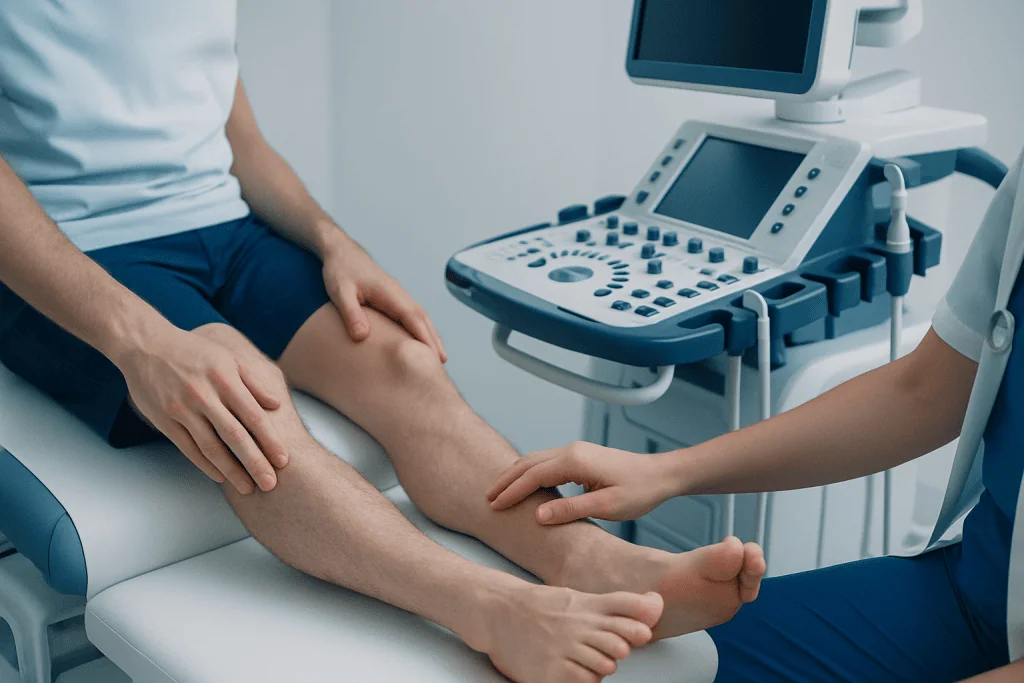
Blood tests may be recommended to look for anemia, thyroid problems, blood sugar abnormalities, vitamin deficiencies, inflammation, or kidney disease. If circulation is a concern, doctors may order noninvasive vascular testing such as an ankle-brachial index or Doppler ultrasound. If nerve involvement is suspected, they may consider neurological testing or referrals.
The goal is not simply to confirm that the feet feel cold, but to find out why. That is important because treatment for stress-related cold feet is very different from treatment for artery disease, thyroid disease, or nerve injury.
Treatment options and self-care
Treatment depends on the underlying cause. If cold feet are related to environment, stress, or lifestyle habits, simple measures are often enough. Warm, dry socks, properly fitting insulated shoes, regular movement, and avoiding long periods of sitting can improve comfort. Gentle activity such as walking may help blood flow return to the feet.
When an underlying medical condition is found, treatment focuses on that problem. Better control of blood sugar can help if diabetes is contributing, and thyroid hormone replacement may improve symptoms caused by hypothyroidism. If circulation problems are present, a doctor may advise supervised exercise, medication, or further vascular care, and in selected cases people may need more advanced evaluation such as angiography or bypass surgery.
For some people, keeping the skin healthy is especially important. Daily foot checks, moisturizing dry skin, protecting the feet from injury, and wearing comfortable shoes can reduce complications, particularly in people with diabetes or poor circulation. Specialized care may be needed when wounds, deformity, or pressure points are present, including evaluation through diabetic foot treatment.
It is best not to use very hot water, heating pads, or direct heat on feet that are numb, because burns can happen without being felt. A doctor can suggest the safest plan when cold feet are persistent or part of a larger health issue.
Prevention and when to seek medical care
Some episodes of cold feet can be prevented with practical habits. Dressing in layers, changing out of damp socks, staying physically active, and avoiding tobacco all support healthy circulation. Managing long-term conditions such as diabetes, high blood pressure, and cholesterol problems is also important for protecting blood vessels and nerves over time.
Medical care is worth seeking if cold feet are frequent, worsening, or paired with pain, numbness, discoloration, sores, swelling, or walking difficulty. Prompt evaluation is especially important if one foot is much colder than the other or if symptoms start suddenly. These patterns are less likely to be explained by normal temperature sensitivity alone.
If the symptom is mild but persistent, a routine appointment can still be helpful. Identifying a treatable issue early may prevent complications and improve comfort. In some cases, a doctor may refer the patient for vascular or endocrine assessment, depending on the suspected cause.
For international patients who need further assessment, Acibadem International’s multidisciplinary specialists in JCI-accredited hospitals diagnose and treat circulation, endocrine, and nerve-related causes of cold feet. The most important step is a qualified medical review when symptoms do not fit a simple cold-weather explanation.
Frequently asked questions
Are cold feet usually a sign of poor circulation?
Not always. Cold feet are often caused by normal body responses to cold temperature or stress rather than a serious circulation problem. Poor circulation becomes more likely when cold feet are persistent and occur with pain, color changes, weak pulses, or leg cramps when walking.
Can diabetes cause cold feet?
Yes. Diabetes can contribute to cold feet in two main ways: by damaging nerves and by affecting blood vessels over time. Some people with diabetic nerve damage feel coldness even when the skin is not actually cold, so a medical exam can help clarify the cause.
Why are my feet cold even when the rest of my body is warm?
Feet can feel colder than the rest of the body because they are farther from the heart and lose heat easily. Tight footwear, sitting still for long periods, stress, or naturally lower blood flow to the extremities can all make this sensation more noticeable.
When should cold feet be checked by a doctor?
A doctor should evaluate cold feet if the symptom is new, persistent, getting worse, or associated with numbness, pain, skin color change, sores, or one foot being colder than the other. Urgent care is important if a foot becomes suddenly cold, painful, pale, or difficult to move.
Can thyroid problems make feet feel cold?
Yes. An underactive thyroid can slow the body's metabolism and reduce heat production, which may make a person feel unusually cold, including in the feet. Other symptoms may include fatigue, dry skin, constipation, and weight changes.
What tests might a doctor order for cold feet?
Testing depends on the symptoms and suspected cause. A doctor may check pulses and blood pressure, order blood tests for anemia, thyroid disease, or diabetes, and sometimes use vascular studies such as an ankle-brachial index or Doppler ultrasound.
References
- American Heart Association
- National Institute of Diabetes and Digestive and Kidney Diseases
- National Heart, Lung, and Blood Institute
- Mayo Clinic
- Cleveland Clinic
This article is for general information only and is not a substitute for professional medical advice. Please consult a qualified doctor about your individual situation.
Explore treatments in Turkey — costs, top hospitals & a free quote
JCI-accredited · board-certified surgeons · reply within 24h
Add us as a Preferred Source to see more of our trusted health content across Google Search, AI Overviews and Discover.
Check your numbers in seconds
BMI, calories, due date, blood pressure and 30+ more clinical calculators — free, instant, doctor-reviewed ranges.

More from the Health Library



Related Specialists

Assoc. Prof. Dr. Emre Bozkurt
General Surgery
Prof. Dr. Engin Oral
Gynecology & Obstetrics
Dr. Ümit Ege Canyurt
Acibadem Life Clinical Service
Dyt. Sevihan Akbulut
Nutrition & Diet