

Understanding Pelvic Congestion Syndrome: A Complete Patient Guide

Pelvic congestion syndrome is chronic pelvic pain related to dilated pelvic veins and impaired blood flow. Pain often feels worse after long periods of standing, later in the day, during or after sex, and around menstruation.
Key Takeaways
- Pelvic congestion syndrome is chronic pelvic pain related to dilated pelvic veins and impaired blood flow.
- Pain often feels worse after long periods of standing, later in the day, during or after sex, and around menstruation.
- Diagnosis usually combines symptom history, physical examination, and imaging such as ultrasound, CT, MRI, or venography.
- Treatment may include pain relief, hormonal approaches, and minimally invasive vein procedures such as embolization.
- Other causes of pelvic pain should be considered and ruled out before confirming the diagnosis.
- Medical review is important if pelvic pain is persistent, worsening, or affecting daily life, relationships, or fertility planning.
Pelvic congestion syndrome is a cause of ongoing pelvic pain linked to enlarged, poorly draining veins in the pelvis. It is treatable, but diagnosis may take time because its symptoms can overlap with other gynecologic, urinary, bowel, and musculoskeletal conditions.
Overview: what pelvic congestion syndrome means
Pelvic congestion syndrome is a condition in which veins in the pelvis become enlarged and blood pools instead of flowing efficiently back toward the heart. This can lead to chronic pelvic pain, often described as a dull, aching, or heavy sensation. The condition is most often discussed in women of reproductive age, especially those who have had previous pregnancies.
The reason symptoms happen is similar to varicose veins in the legs. When vein walls weaken or valves do not close well, blood can flow backward and increase pressure in the pelvic veins. Over time, the veins stretch and become congested, which may irritate nearby tissues and nerves and contribute to pain.
Pelvic congestion syndrome can be challenging to recognize because chronic pelvic pain has many possible causes. Symptoms may overlap with gynecologic disorders, bladder conditions, bowel problems, endometriosis, or muscle and joint pain. For that reason, diagnosis usually depends on careful assessment rather than one symptom alone.
Although the pain can be disruptive, the condition is treatable. Many people improve with a structured evaluation and a plan that may include symptom management, hormonal treatment, or a minimally invasive vein procedure.
Symptoms and how the pain typically feels
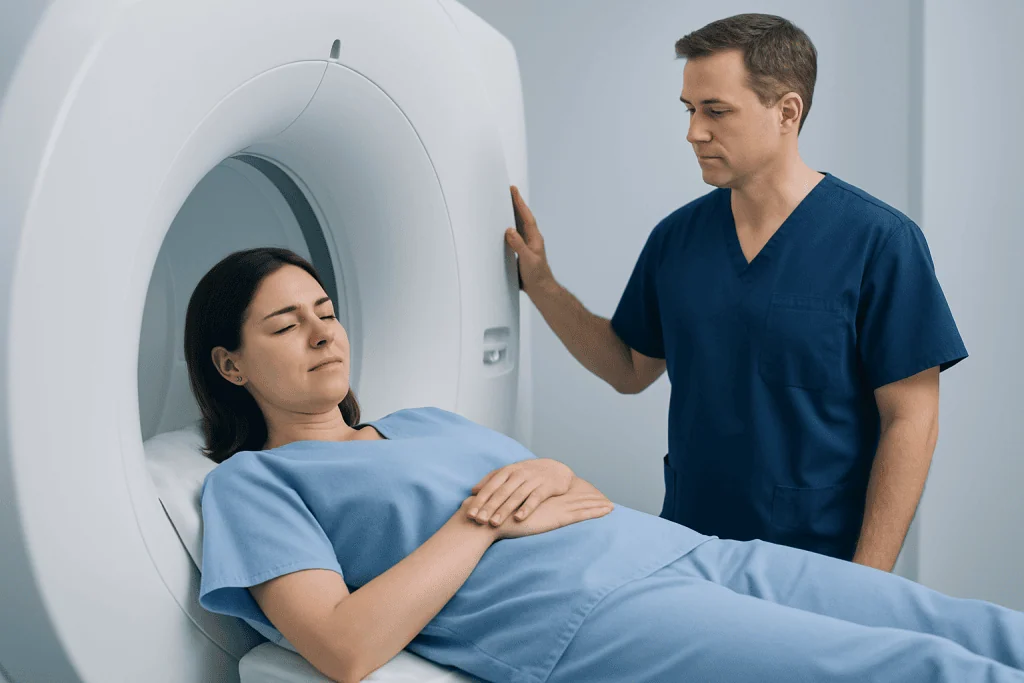
The main symptom of pelvic congestion syndrome is pelvic pain lasting for months. It is often a dull ache or sense of heaviness deep in the lower abdomen or pelvis rather than a sharp pain. Some people notice that one side feels worse, but the discomfort can also be central or widespread.
A common clue is that the pain tends to worsen in certain situations. It may become more noticeable later in the day, after standing for a long time, after exercise, during or after sexual intercourse, or around menstruation. Some people feel better when lying down because this can reduce pressure in the veins.
Other symptoms can occur alongside pelvic pain. These may include lower back discomfort, a feeling of pelvic fullness, visible varicose veins around the vulva, buttocks, or upper thighs, and increased urinary urgency. Symptoms vary from person to person, and not everyone with enlarged pelvic veins has pain.
Because these symptoms are not unique to pelvic congestion syndrome, many patients are evaluated for other causes first. Conditions such as endometriosis or uterine disorders may produce similar symptoms, which is why specialist review is often helpful.
Causes and risk factors
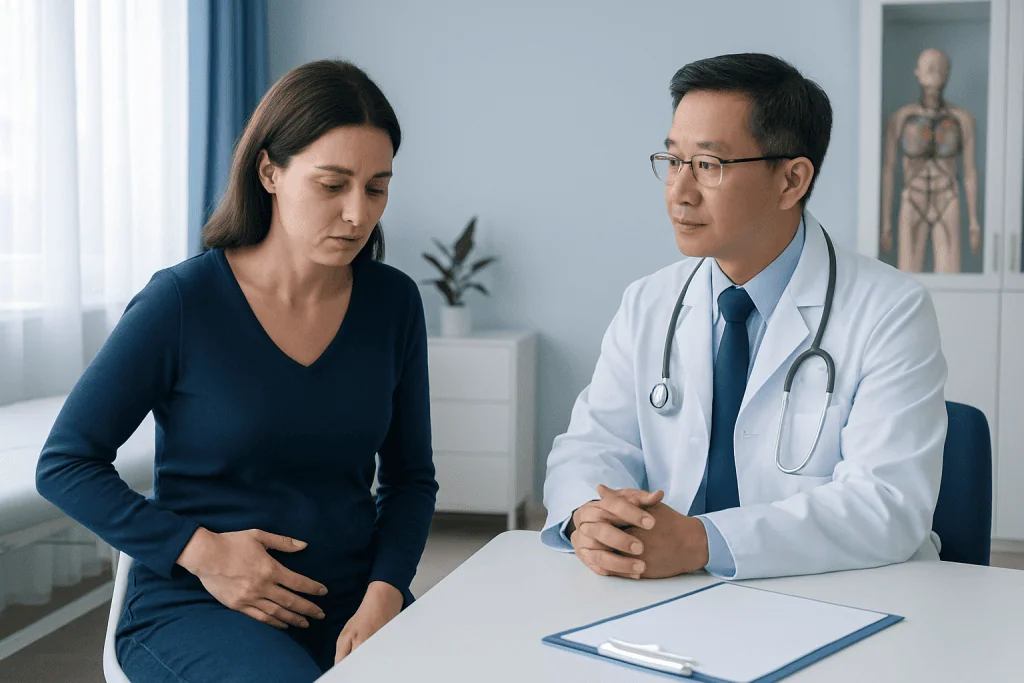
Pelvic congestion syndrome develops when veins in the pelvis become dilated and blood flow becomes sluggish or reversed. This often involves the ovarian veins or other pelvic veins. Weak vein valves, changes in vein walls, and increased pressure in the venous system can all contribute.
Pregnancy is considered an important risk factor because it increases blood volume and places extra strain on pelvic veins. Hormonal influences may also play a role, as estrogen can affect vein tone. People who have had multiple pregnancies appear more likely to develop symptoms, although the condition can also occur in others.
Some patients have vein compression or anatomical patterns that make pelvic venous drainage less efficient. In these cases, the congestion may be part of a broader venous problem rather than an isolated finding. A specialist may look for associated vascular causes if symptoms or imaging suggest them.
It is also important to know that enlarged pelvic veins on imaging do not automatically mean pelvic congestion syndrome. Many people can have dilated veins without pain. A diagnosis is strongest when the imaging findings match the symptom pattern and other likely causes have been considered.
How doctors diagnose pelvic congestion syndrome
Diagnosis starts with a detailed conversation about symptoms. A doctor will usually ask how long the pain has been present, what makes it better or worse, whether it changes with standing or menstrual cycles, and whether there is pain with sex, urination, or bowel movements. Past pregnancies, prior surgeries, and any visible varicose veins may also be relevant.
A pelvic examination and general physical examination may help identify tenderness or signs of other conditions. Because chronic pelvic pain can have several causes, doctors often evaluate for gynecologic, urinary, gastrointestinal, and musculoskeletal explanations at the same time. This step is important for choosing the right treatment.
Imaging plays a central role. Pelvic ultrasound, especially Doppler ultrasound, may show enlarged veins or abnormal blood flow. CT or MRI can provide a broader view of pelvic anatomy and may help rule out other causes. In some cases, catheter venography is used to directly visualize the veins and is often considered the most specific test when planning treatment.
If other pelvic conditions are suspected, a doctor may recommend additional tests. Depending on symptoms, the evaluation may include review for fibroids, ovarian cysts, adenomyosis, or non-gynecologic causes of pain. The goal is not only to identify pelvic venous congestion but also to avoid missing another treatable diagnosis.
Treatment options: symptom relief and vein-directed care
Treatment depends on symptom severity, imaging findings, and whether other causes of pelvic pain are also present. Some patients start with conservative care, such as pain management, activity adjustments, and monitoring. If symptoms are mild or uncertain, this may be a reasonable first step while the evaluation continues.
Hormonal treatments may sometimes be used to reduce venous congestion and symptom flares, especially when pain is linked to menstrual cycles. These options are individualized and should be discussed with a gynecologist or another qualified clinician, taking into account reproductive plans, side effects, and other medical conditions.
For persistent symptoms clearly linked to abnormal pelvic veins, minimally invasive procedures are often considered. One of the most common is vein embolization, in which a specialist blocks the problematic vein so blood is redirected through healthier pathways. This is usually performed by an interventional radiologist using imaging guidance and does not require major surgery.
In selected cases, other vascular or surgical treatments may be discussed if there is a specific vein problem or another condition that needs treatment. Depending on the findings, a broader pelvic evaluation such as interventional radiology assessment or gynecology care may be part of a coordinated plan. The best results usually come from matching the treatment to the exact cause of symptoms rather than treating imaging findings alone.
Living with the condition: self-care and practical support
Self-care cannot remove enlarged veins, but it can help some people manage daily discomfort. Many patients find that symptoms are less intense when they avoid standing still for long periods, change position regularly, and rest lying down when possible. Gentle activity may support circulation, while heavy straining can sometimes aggravate pelvic pressure.
Tracking symptoms in a diary can also be useful. Recording when pain occurs, whether it relates to menstruation, standing, exercise, or sex, and what improves it can help doctors identify patterns. This is especially helpful when several conditions may be contributing to chronic pelvic pain.
Emotional wellbeing matters too. Long-term pelvic pain can affect sleep, work, relationships, and intimacy. Supportive counseling, pelvic pain education, and clear communication with a healthcare team can make treatment decisions easier and help patients feel more in control of the process.
If a specialist procedure is recommended, patients often benefit from asking practical questions in advance: what the goal is, how success will be assessed, what recovery may involve, and what follow-up imaging or visits may be needed. Near the end of the care pathway, some international patients choose centers such as Acibadem International, where multidisciplinary specialists in JCI-accredited hospitals evaluate and treat pelvic venous conditions.
When to seek medical care
Medical review is appropriate when pelvic pain lasts for several months, keeps returning, or begins to interfere with daily activities. Care is also important if the pain is getting worse, is affecting sexual health or quality of life, or is causing uncertainty about whether a gynecologic, urinary, bowel, or vascular problem may be present.
Prompt assessment is especially important if pelvic pain occurs with fever, fainting, heavy vaginal bleeding, sudden severe pain, a new abdominal mass, or symptoms of pregnancy-related complications. These features are not typical of pelvic congestion syndrome and may point to another condition that needs urgent attention.
A clinician may also advise specialist referral if standard treatments for chronic pelvic pain have not helped, if imaging shows enlarged pelvic veins, or if symptoms suggest more than one underlying cause. Getting a clear diagnosis can reduce uncertainty and guide the most effective next step.
Frequently asked questions
Is pelvic congestion syndrome a real medical condition?
Yes. Pelvic congestion syndrome is a recognized cause of chronic pelvic pain related to enlarged pelvic veins and abnormal venous blood flow. It can be difficult to diagnose because many other conditions cause similar symptoms.
Can pelvic congestion syndrome go away on its own?
Symptoms may fluctuate, and some people have periods when the pain is less noticeable. However, persistent or recurring symptoms should be assessed by a doctor because ongoing pain may need treatment and other causes should be ruled out.
Who is more likely to develop pelvic congestion syndrome?
It is most often described in women of reproductive age, particularly those who have had one or more pregnancies. Hormonal influences and vein valve problems may also increase the likelihood of developing pelvic venous congestion.
What test is best for diagnosing pelvic congestion syndrome?
There is no single test that fits every patient. Doctors often start with pelvic ultrasound and may use CT or MRI, while venography can be particularly useful when a vein procedure is being considered.
Is pelvic congestion syndrome the same as endometriosis?
No. They are different conditions, although both can cause chronic pelvic pain. Endometriosis involves tissue similar to the uterine lining growing outside the uterus, while pelvic congestion syndrome involves enlarged veins and impaired venous drainage.
What is the usual treatment for pelvic congestion syndrome?
Treatment may include pain management, hormonal therapy in selected cases, and minimally invasive procedures such as vein embolization. The best choice depends on symptoms, imaging findings, and whether another condition is also contributing to the pain.
References
- American College of Obstetricians and Gynecologists
- Society of Interventional Radiology
- National Institute for Health and Care Excellence
- Radiological Society of North America
- National Institutes of Health
This article is for general information only and is not a substitute for professional medical advice. Please consult a qualified doctor about your individual situation.
Persistent digestive symptoms? Get evaluated in Turkey
JCI-accredited · board-certified surgeons · reply within 24h
Add us as a Preferred Source to see more of our trusted health content across Google Search, AI Overviews and Discover.

More from the Health Library



Related Specialists

Dr. Mehmet İbrahim Cansunar
General Surgery
Prof. Dr. Necmi Aksaray
Pediatrics
Ody. Ayça Nilay Doğan
Audiology
Assoc. Prof. Dr. Işil Yıldız
Gastrointestinal Oncology Unit Clinical Service