Ureaplasma: An Evidence-Based Guide for Patients

Ureaplasma can be part of the normal genital tract microbiome and does not always require treatment. A positive ureaplasma test does not automatically mean it is the cause of symptoms.
Key Takeaways
- Ureaplasma can be part of the normal genital tract microbiome and does not always require treatment.
- A positive ureaplasma test does not automatically mean it is the cause of symptoms.
- Symptoms, when present, may include burning with urination, pelvic discomfort, vaginal discharge, or urethral irritation.
- Doctors diagnose possible ureaplasma-related illness by combining symptoms, examination, and targeted laboratory tests.
- Treatment usually involves antibiotics when a clinician believes ureaplasma is contributing to disease.
- Medical evaluation is important for persistent symptoms, pregnancy-related concerns, or recurrent infections.
Ureaplasma is a type of bacteria that commonly lives in the urinary and genital tract, often without causing any problems. When symptoms do occur, diagnosis and treatment depend on the person’s symptoms, exam findings, and test results rather than a positive test alone.
What ureaplasma is and what it means
Ureaplasma is a group of very small bacteria that can live in the urinary and genital tract. In many healthy adults, it is present without causing infection or symptoms. For that reason, finding ureaplasma on a test does not always mean something is wrong.
Patients often search for ureaplasma because they have urinary burning, discharge, pelvic discomfort, or a test result they do not understand. The key point is that ureaplasma is best interpreted in clinical context. Doctors look at symptoms, examination findings, pregnancy status, and whether other more common causes have been ruled out.
Unlike many bacteria, ureaplasma lacks a typical cell wall. This affects how it behaves in the body and also which antibiotics may work if treatment is needed. Most patient questions are not simply “Is it present?” but rather “Is it causing symptoms?” and “Does it need treatment?”
In practice, ureaplasma sits in a gray area between colonization and infection. A clinician may decide that no treatment is needed, or may recommend treatment if the overall picture suggests ureaplasma is contributing to urethritis, cervicitis, pregnancy complications, or another condition requiring medical attention.
Symptoms and possible health effects
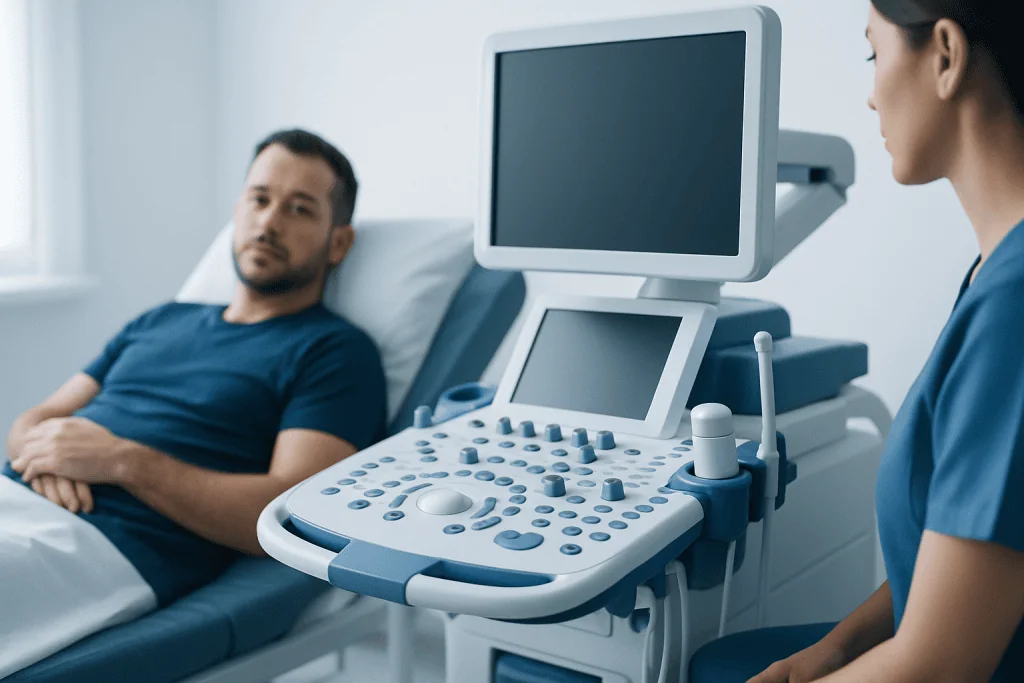
Many people with ureaplasma have no symptoms at all. When symptoms do occur, they are usually not specific, which means they can overlap with many other conditions. This is one reason careful testing matters.
Possible symptoms may include burning or pain with urination, urethral irritation, unusual vaginal discharge, pelvic discomfort, pain during sex, or lower abdominal discomfort. In men, it may be linked to nongonococcal urethritis, causing irritation at the tip of the penis or discomfort when passing urine. In women, symptoms may resemble vaginitis, cervicitis, or a urinary tract problem.
Because these symptoms can also be caused by common conditions such as urinary tract infection, bacterial vaginosis, yeast infection, chlamydia, gonorrhea, or irritation unrelated to infection, ureaplasma should not be assumed to be the cause without proper evaluation. A positive result may be incidental.
In some settings, especially during pregnancy or in people with ongoing reproductive or urinary symptoms, doctors may pay closer attention to ureaplasma. Research has explored links between ureaplasma and certain pregnancy complications, infertility-related concerns, and recurrent genitourinary inflammation, but the significance varies from one person to another.
How ureaplasma spreads and who may be at risk

Ureaplasma can be passed through sexual contact, which is why it is often discussed alongside sexually transmitted infections. However, it is not as straightforward as classic STIs because it may also be found in people without disease. In some cases, a mother can pass it to a baby during pregnancy or delivery.
Risk may be higher in sexually active adults, people with multiple sexual partners, those with a history of other genital infections, and people whose genital symptoms do not improve after standard treatment for more common conditions. Pregnancy, immune system problems, or recent changes in the genital microbiome may also affect how important a ureaplasma finding is.
Having ureaplasma does not mean a person has done anything wrong, and it does not automatically indicate recent exposure or infidelity. Because the organism can be present for a long time without causing symptoms, a test result often cannot show when it was acquired.
It can help to think of ureaplasma as one possible piece of a larger clinical picture. Doctors often focus first on excluding common and clearly treatable infections, then consider whether ureaplasma may be acting as a contributor when symptoms persist.
How doctors diagnose ureaplasma-related illness
Diagnosis starts with the symptoms and medical history, not with a test result alone. A doctor may ask about urinary symptoms, vaginal or penile discharge, pelvic pain, pain during sex, prior infections, pregnancy, and recent antibiotic use. A physical examination may also be needed.
Testing may involve urine samples, vaginal, cervical, or urethral swabs, and laboratory methods such as nucleic acid amplification tests. These tests can detect ureaplasma, but they do not always prove that it is responsible for symptoms. Clinicians usually also test for more established causes such as chlamydia, gonorrhea, trichomonas, bacterial vaginosis, yeast infection, or a standard urinary tract infection.
In people with recurring urinary or genital complaints, doctors may also look for related conditions such as prostatitis or pelvic inflammatory disease, depending on the symptoms. If urinary symptoms are prominent, a broader urologic assessment may be appropriate, including urology evaluation when needed.
Routine screening for ureaplasma in people without symptoms is not always recommended. That is because detecting colonization can lead to confusion, unnecessary worry, or treatment that may not be helpful. The most useful testing is usually targeted testing in a patient with symptoms or a specific clinical concern.
Treatment options and partner considerations
Treatment is considered when a clinician believes ureaplasma is likely contributing to disease. The usual treatment is with antibiotics that are active against this type of bacteria. The exact choice depends on local practice patterns, previous antibiotic exposure, pregnancy status, possible resistance, and whether another infection is present at the same time.
It is important for patients not to self-treat based only on an internet search or an isolated lab report. Unnecessary antibiotics can cause side effects and may not relieve symptoms if ureaplasma is not the true cause. A doctor may instead recommend treating another diagnosis, repeating tests, or monitoring symptoms over time.
Some patients may be advised to avoid sexual contact until evaluation or treatment is complete, especially if they have active symptoms or another sexually transmitted infection is suspected. In selected cases, partner assessment or treatment may be discussed to reduce reinfection or ongoing symptoms, but this is individualized rather than automatic.
If symptoms continue despite treatment, follow-up is important. Persistent discomfort may mean another diagnosis is present, such as chronic pelvic pain, recurrent cystitis, vaginitis, or inflammation of the reproductive organs. Depending on the problem, a person may benefit from gynecology care or fertility evaluation if reproductive concerns are part of the picture.
Self-care, prevention, and living with uncertainty
For patients, one of the most frustrating parts of ureaplasma is uncertainty. Because it may be a harmless colonizer in one person and a meaningful contributor to symptoms in another, management often requires patience and a step-by-step approach. Good communication with a clinician can make this process less stressful.
General prevention steps include safer sex practices, timely testing for common sexually transmitted infections when indicated, and avoiding douching or other products that may disrupt the normal vaginal environment. People should also complete prescribed treatment exactly as directed and return for follow-up if symptoms do not improve.
Helpful self-care measures may include staying hydrated, avoiding irritants such as harsh soaps or fragranced genital products, and keeping track of symptoms, triggers, and prior treatments. This record can help a doctor identify patterns and avoid repeated ineffective treatments.
Patients trying to conceive, those with recurrent genital or urinary symptoms, or those who are pregnant should discuss their situation with a qualified doctor rather than relying on online advice alone. Individual context matters greatly when deciding whether a ureaplasma finding is clinically important.
When to seek medical care
Medical care is appropriate if urinary or genital symptoms last more than a few days, return repeatedly, or interfere with daily life. Evaluation is especially important for fever, severe pelvic or abdominal pain, blood in the urine, unusual discharge with significant discomfort, or pain during sex.
Pregnant patients should seek medical advice promptly if they have genital symptoms, urinary symptoms, or concerns about a recent positive ureaplasma test. People with weakened immune systems, recent pelvic procedures, or a history of recurrent infections should also be assessed sooner rather than later.
It is also reasonable to see a doctor if a test result has caused confusion or anxiety. A clinician can explain whether the result is likely to represent harmless colonization, a possible contributor to symptoms, or a finding that needs treatment and follow-up.
For international patients who need assessment, Acibadem International’s multidisciplinary specialists and JCI-accredited hospitals diagnose and treat urinary, gynecologic, and reproductive health conditions with individualized care.
Frequently asked questions
Is ureaplasma a sexually transmitted infection?
Ureaplasma can be transmitted through sexual contact, but it is not identical to classic sexually transmitted infections. It may also live in the genital tract without causing disease, so a positive result does not automatically mean an active STI is present.
Can ureaplasma go away on its own?
In some people, ureaplasma may remain harmlessly present without causing symptoms, and treatment may not be necessary. If symptoms are present, however, a doctor should decide whether treatment is needed based on the full clinical picture.
What symptoms can ureaplasma cause?
Possible symptoms include burning with urination, urethral irritation, pelvic discomfort, vaginal discharge, or pain during sex. These symptoms are not specific, so they can also be caused by many other urinary or genital conditions.
Should everyone who tests positive for ureaplasma be treated?
No. Treatment is not always needed just because ureaplasma is detected on a test. Doctors usually consider symptoms, examination findings, pregnancy status, and whether other causes have been ruled out before recommending antibiotics.
Can ureaplasma affect fertility or pregnancy?
Ureaplasma has been studied in relation to fertility and some pregnancy complications, but its role is not the same in every patient. Anyone who is pregnant, trying to conceive, or undergoing fertility care should discuss a positive result with a qualified clinician.
How is ureaplasma diagnosed?
Doctors usually diagnose possible ureaplasma-related illness with a combination of history, examination, and laboratory testing such as urine or swab-based molecular tests. They often test for other common causes of symptoms at the same time.
References
- Centers for Disease Control and Prevention
- World Health Organization
- American College of Obstetricians and Gynecologists
- European Association of Urology
- Mayo Clinic
This article is for general information only and is not a substitute for professional medical advice. Please consult a qualified doctor about your individual situation.
Explore treatments in Turkey — costs, top hospitals & a free quote
JCI-accredited · board-certified surgeons · reply within 24h
Add us as a Preferred Source to see more of our trusted health content across Google Search, AI Overviews and Discover.

More from the Health Library



Related Specialists

Dr. Asiye Merve Erdoğan
Otorhinolaryngology
Prof. Dr. Alper Özkan
Cardiology
Prof. Dr. Özgen Işık
General Surgery
Prof. Dr. Meltem Vural
Physical Medicine & Rehabilitation