Fatty Liver: An Evidence-Based Guide for Patients
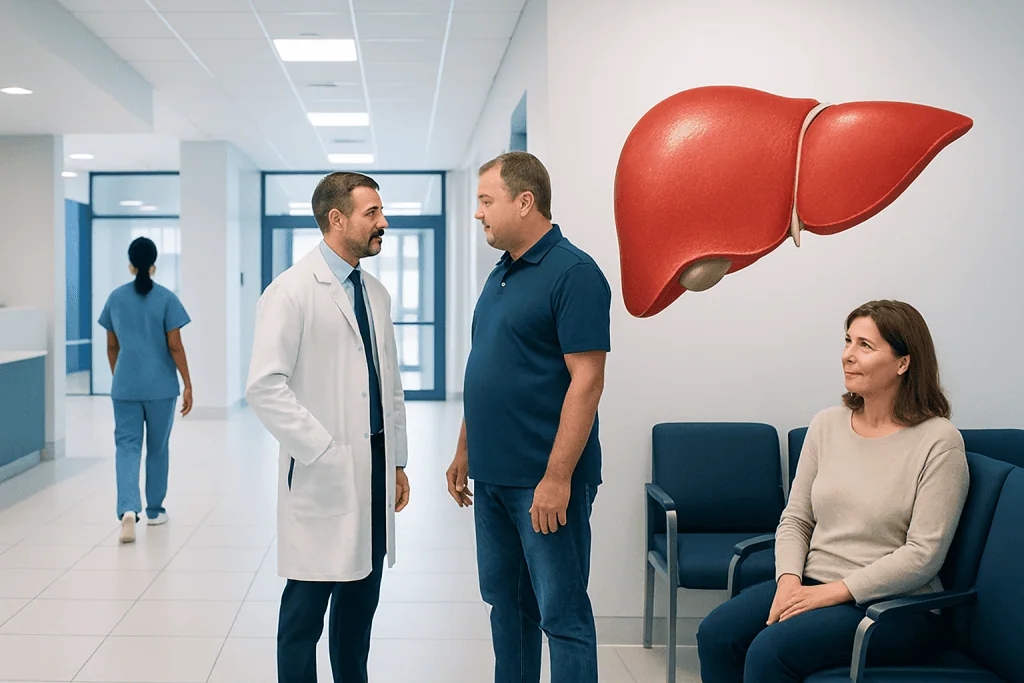
Fatty liver means excess fat has built up in liver cells. Many people have no symptoms and learn about it through blood tests or imaging.
Key Takeaways
- Fatty liver means excess fat has built up in liver cells.
- Many people have no symptoms and learn about it through blood tests or imaging.
- Obesity, type 2 diabetes, high cholesterol, and alcohol use are common causes or contributors.
- Treatment usually focuses on weight management, healthy eating, exercise, and controlling related conditions.
- Some cases can progress to liver inflammation, fibrosis, cirrhosis, or liver cancer, so follow-up matters.
- A doctor should assess persistent abnormal liver tests, risk factors, or symptoms such as jaundice or swelling.
Fatty liver is a common condition in which extra fat collects in the liver. It often causes no symptoms at first, but careful evaluation is important because some people can develop liver inflammation, scarring, and related metabolic health problems.
What fatty liver means
Fatty liver is a condition in which too much fat builds up inside the liver. Small amounts of fat in the liver can be normal, but when fat accumulates beyond a certain level, it may affect how the liver works and may signal broader metabolic health problems.
There are two main patterns. One is alcohol-related fatty liver disease, which is linked to drinking alcohol. The other is nonalcoholic fatty liver disease, now often referred to in updated medical language as metabolic dysfunction-associated steatotic liver disease, which is more closely tied to insulin resistance, excess body weight, type 2 diabetes, high triglycerides, and other metabolic factors.
Not everyone with fatty liver develops serious liver damage. For many people, the condition remains stable or improves with lifestyle changes. However, some develop liver inflammation, called steatohepatitis, and over time this can lead to fibrosis, cirrhosis, or complications such as liver failure and liver cancer.
Because fatty liver is often silent at first, it is commonly found during routine blood tests or an ultrasound done for another reason. This makes early recognition valuable, especially in people with obesity, diabetes, or cardiovascular risk factors.
Signs and symptoms
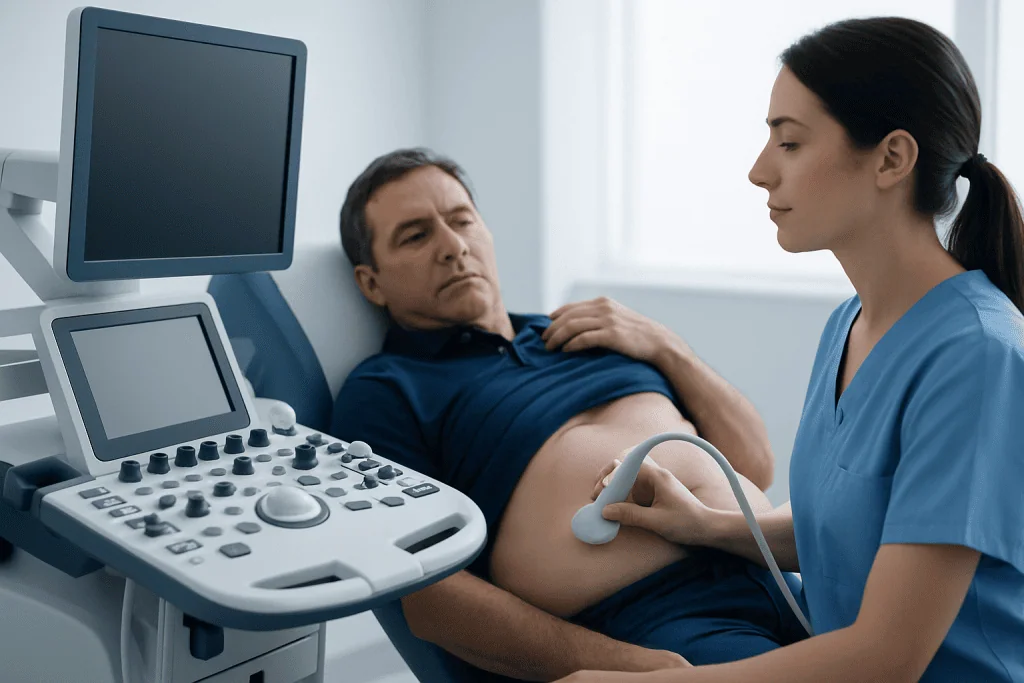
Fatty liver often causes no symptoms, especially in the early stages. Many people feel well and do not know they have it until a healthcare professional notices mildly abnormal liver enzyme levels or sees liver fat on imaging.
When symptoms do occur, they are usually nonspecific. A person may notice tiredness, a feeling of low energy, or discomfort or fullness in the upper right side of the abdomen. These symptoms do not confirm fatty liver on their own, because many other conditions can cause similar complaints.
If liver disease becomes more advanced, symptoms may become more concerning. These can include swelling in the abdomen or legs, yellowing of the skin or eyes, easy bruising, severe itching, confusion, or unexplained weight loss. These signs need prompt medical evaluation because they may suggest significant liver injury or cirrhosis.
- Often no symptoms at all
- Fatigue or low energy
- Upper right abdominal discomfort
- Abnormal liver blood tests
- Advanced signs such as jaundice, swelling, or confusion
Why fatty liver happens and who is at risk

Fatty liver develops when the liver takes in or makes more fat than it can process and export. In many people, this is linked to insulin resistance, which changes how the body handles sugar and fat. The result is more fat being stored in liver cells.
Common risk factors include overweight and obesity, especially excess abdominal fat, type 2 diabetes, prediabetes, high triglycerides, low HDL cholesterol, high blood pressure, and sleep apnea. People with several of these conditions often have features of metabolic syndrome, which raises the chance of fatty liver and its progression.
Alcohol can also cause fatty liver, and in some people both alcohol use and metabolic factors contribute. Certain medicines, rapid weight loss, severe malnutrition, and some inherited or rare metabolic disorders can also lead to fat accumulation in the liver. A doctor may consider these possibilities when the pattern is unclear.
Risk does not depend only on body size. Some people with a body weight in the usual range can still develop fatty liver, particularly if they have diabetes, abnormal cholesterol levels, or a family history of liver disease. In some cases, further assessment may include evaluation by specialists in gastroenterology or endocrinology and metabolism when metabolic and digestive issues overlap.
How doctors diagnose and stage fatty liver
Diagnosis begins with a medical history, a physical examination, and blood tests. A clinician will usually ask about alcohol use, medications, weight change, diabetes, cholesterol, and family history. Blood tests may show elevated liver enzymes, but normal liver enzymes do not rule out fatty liver or even more advanced disease.
Imaging plays an important role. Ultrasound can suggest fat in the liver and is often the first test used. Depending on the situation, a doctor may recommend more detailed imaging or specialized tests that estimate liver stiffness, which can help assess fibrosis. These tests are useful because the amount of scarring often matters more than the amount of fat alone.
Doctors also try to exclude other causes of liver disease, such as viral hepatitis, autoimmune liver disease, or iron overload. In selected cases, a liver biopsy may be recommended if the diagnosis is uncertain or if there is concern for significant inflammation or fibrosis. A biopsy can provide detailed information, but it is not needed for everyone.
Follow-up is part of diagnosis as well. Fatty liver is not just a one-time finding on a scan; it is a condition that should be assessed in context. Monitoring liver tests, metabolic health, and fibrosis risk over time helps guide whether simple lifestyle measures are enough or whether more specialized care is needed.
Treatment options and long-term management
The main treatment for fatty liver is addressing the cause and reducing the factors that drive fat accumulation in the liver. For many people, gradual weight loss, regular physical activity, and improvement in blood sugar and cholesterol are the most effective steps. Even modest weight reduction can improve liver fat, and greater sustained weight loss may improve inflammation and fibrosis in some patients.
There is no single treatment that fits everyone. Doctors may treat related conditions such as type 2 diabetes, obesity, high cholesterol, or high blood pressure. Medication choices depend on the whole clinical picture, and some people may be considered for structured medical weight management or bariatric procedures when appropriate. In carefully selected patients, support from obesity surgery programs or diabetes treatment specialists may be part of a broader plan.
Alcohol intake should be reviewed honestly. If alcohol is contributing, reducing or stopping alcohol is important. People should also avoid unnecessary supplements or over-the-counter products marketed as “liver cleanses,” because these are not proven treatments and some may even harm the liver.
When fibrosis is advanced or cirrhosis is present, treatment includes monitoring for complications and regular specialist follow-up. In rare severe cases of end-stage liver disease, liver transplantation may be considered. Care is individualized, and treatment works best when it addresses both liver health and the wider metabolic condition.
Daily habits that support liver health
Healthy daily habits are central to managing fatty liver. A balanced eating pattern that emphasizes vegetables, fruit, whole grains, legumes, lean proteins, and unsaturated fats can help reduce liver fat and improve metabolic health. Many clinicians encourage limiting sugary drinks, highly processed foods, and excess saturated fat because these can worsen insulin resistance and triglyceride levels.
Regular exercise helps even when weight loss is slow. Both aerobic activity and resistance training can reduce liver fat and improve insulin sensitivity. The best exercise plan is one that is realistic, safe, and sustainable over time. A doctor can advise on activity adjustments if a person has heart disease, joint pain, or other medical conditions.
Sleep, stress management, and medication review also matter. Poor sleep and untreated sleep apnea may worsen metabolic health. Reviewing prescription and nonprescription drugs with a healthcare professional can help identify agents that may affect the liver. Vaccination against hepatitis A or B may be appropriate for some people who are not already protected.
For international patients who need coordinated assessment, Acibadem International’s multidisciplinary specialists and JCI-accredited hospitals evaluate and treat fatty liver with input from liver, metabolic, imaging, and nutrition teams when needed.
When to seek medical care
A person should seek medical care if routine blood tests show abnormal liver enzymes, if imaging reports fatty liver, or if there are strong risk factors such as type 2 diabetes, obesity, high triglycerides, or heavy alcohol use. Even when there are no symptoms, proper evaluation can help determine whether there is simple fat buildup or signs of more significant liver disease.
More urgent medical attention is needed for jaundice, increasing abdominal swelling, vomiting blood, black stools, severe weakness, confusion, fainting, or sudden worsening of general health. These symptoms are not typical of simple early fatty liver and may indicate advanced liver disease or another serious problem.
People should also speak with a doctor before starting supplements or restrictive diets in an attempt to “detox” the liver. Safe care is based on finding the cause, checking for fibrosis, and building a realistic treatment plan. Early guidance can help prevent avoidable complications and support long-term liver health.
Frequently asked questions
Can fatty liver be reversed?
In many people, yes. Fatty liver often improves with gradual weight loss, regular exercise, better blood sugar control, and reduced alcohol intake when alcohol is a factor. The chance of reversal is better when the condition is found before significant scarring develops.
Is fatty liver serious?
Fatty liver is often mild at first, but it should not be ignored. Some people develop inflammation and fibrosis, which can progress to cirrhosis or other complications over time. A doctor can help assess whether the condition is low risk or needs closer follow-up.
What foods should someone with fatty liver avoid?
In general, it helps to limit sugary drinks, excess refined carbohydrates, heavily processed foods, and foods high in saturated fat. Alcohol should also be reviewed carefully, and some people may need to avoid it completely. A balanced eating pattern is usually more effective than strict short-term diets.
Can a person have fatty liver with normal liver tests?
Yes. Normal liver enzyme levels do not always mean the liver is healthy. Some people with fatty liver, and even some with fibrosis, can have blood tests that look normal, which is why imaging and risk assessment are also important.
Does fatty liver always happen because of alcohol?
No. Many cases are linked to metabolic factors such as obesity, insulin resistance, type 2 diabetes, and abnormal cholesterol levels rather than alcohol. Alcohol can still contribute, so a healthcare professional usually asks about both alcohol use and metabolic risk.
How is fatty liver different from hepatitis?
Fatty liver refers to fat buildup in the liver, while hepatitis means inflammation of the liver. Fatty liver can sometimes lead to inflammation, but hepatitis can also happen for other reasons, such as viruses, autoimmune disease, or medication effects. The distinction matters because treatment depends on the cause.
References
- World Health Organization
- American Association for the Study of Liver Diseases
- National Institute of Diabetes and Digestive and Kidney Diseases
- European Association for the Study of the Liver
- Centers for Disease Control and Prevention
This article is for general information only and is not a substitute for professional medical advice. Please consult a qualified doctor about your individual situation.
Explore treatments in Turkey — costs, top hospitals & a free quote
JCI-accredited · board-certified surgeons · reply within 24h
Add us as a Preferred Source to see more of our trusted health content across Google Search, AI Overviews and Discover.
Check your numbers in seconds
BMI, calories, due date, blood pressure and 30+ more clinical calculators — free, instant, doctor-reviewed ranges.