

Piles — Explained by Medical Evidence, Not Myths
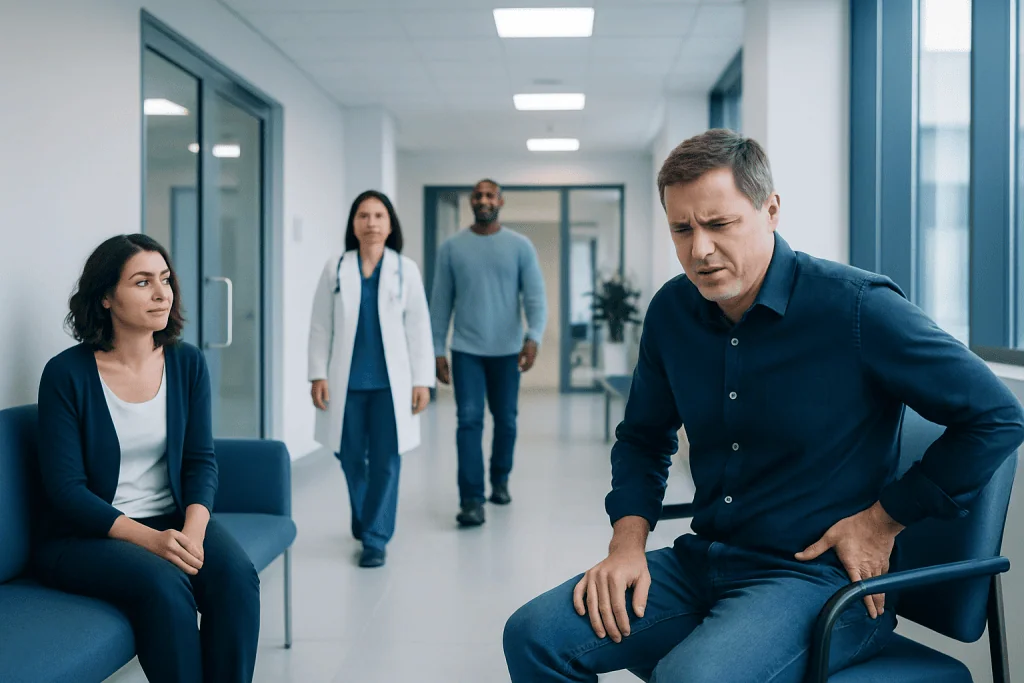
Piles are swollen veins inside the rectum or around the anus. Common symptoms include bleeding, itching, discomfort, and a lump near the anus.
Key Takeaways
- Piles are swollen veins inside the rectum or around the anus.
- Common symptoms include bleeding, itching, discomfort, and a lump near the anus.
- Constipation, straining, pregnancy, and prolonged sitting can increase risk.
- Many cases improve with fiber, fluids, and better toilet habits.
- Medical evaluation is important for ongoing bleeding, severe pain, or uncertain diagnosis.
Piles, also called hemorrhoids, are swollen veins in the rectum or around the anus. They are common, often manageable with simple measures, and should be assessed if symptoms are persistent, painful, or associated with bleeding.
What are piles?
Piles are swollen and inflamed veins in the lower rectum or around the anus. The medical term is hemorrhoids. They can form inside the rectum, where they are called internal piles, or under the skin around the anus, where they are called external piles.
Piles are not the same as cancer, and in many people they are mild and short-lived. However, they can cause troublesome symptoms such as bright red bleeding during bowel movements, itching, soreness, or a feeling of fullness. Because rectal bleeding can also happen with other digestive conditions, it should not automatically be blamed on piles without proper assessment.
A helpful way to understand piles is to think of them as enlarged vascular cushions. These tissues normally help with continence, but when they become swollen or irritated, symptoms can develop. Some piles remain painless, while others can become inflamed, prolapsed, or clotted and more uncomfortable.
Types and symptoms of piles
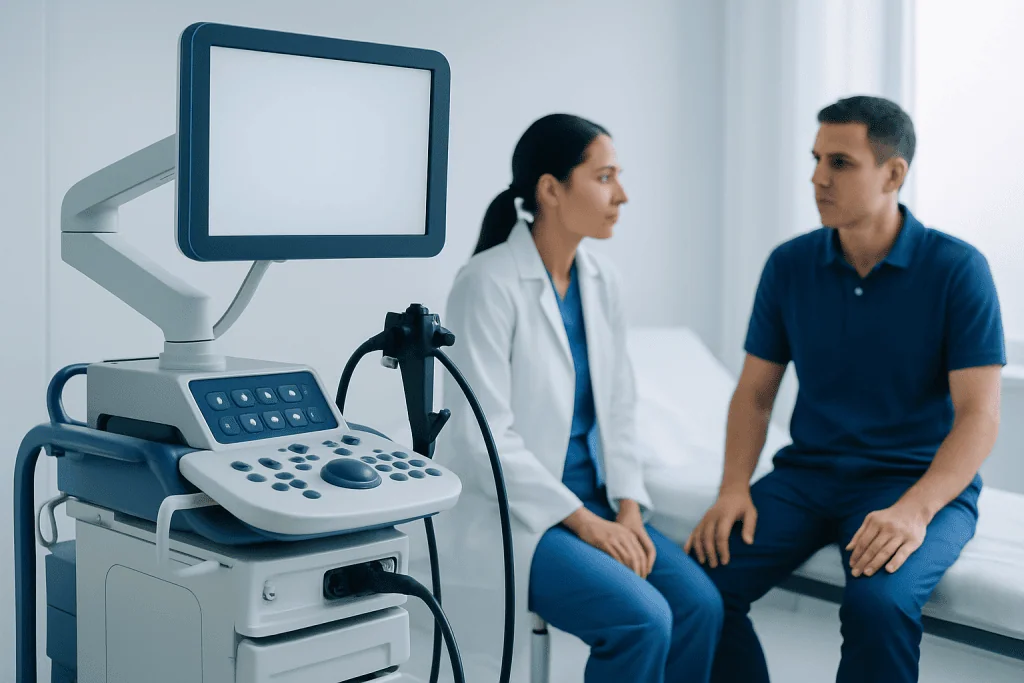
The symptoms depend on where the piles are located. Internal piles often cause painless bright red bleeding noticed on toilet paper, in the toilet bowl, or on the stool surface. They may also prolapse, meaning they bulge out through the anus during or after a bowel movement, sometimes causing mucus leakage or a feeling that the bowel has not emptied completely.
External piles are more likely to cause itching, irritation, swelling, and pain around the anus. If a blood clot forms inside an external pile, this is called a thrombosed hemorrhoid. It can cause a sudden, tender lump and significant discomfort, especially when sitting or during bowel movements.
Not every anal symptom is caused by piles. Conditions such as anal fissure can also cause pain and bleeding, and infections, skin conditions, or inflammatory bowel disease may mimic piles. This is why a diagnosis based only on symptoms can be misleading.
- Bright red bleeding with bowel movements
- Itching or irritation around the anus
- Pain or soreness, especially with external piles
- A lump or swelling near the anus
- Mucus leakage or prolapse with internal piles
Why piles happen: causes and risk factors
Piles develop when pressure increases in the veins of the lower rectum and anus. This can happen with repeated straining during bowel movements, chronic constipation, or sitting on the toilet for a long time. Diarrhea can also irritate the anal area and contribute to symptoms in some people.
Pregnancy is a common risk factor because the growing uterus increases pressure in the pelvis and hormonal changes can affect the veins. Age also plays a role, since the tissues that support the veins in the rectum and anus may weaken over time. Family tendency, low-fiber eating patterns, dehydration, obesity, and jobs or habits that involve prolonged sitting may add to the risk.
Heavy lifting is often blamed for piles, but it is usually one part of a broader pattern of pressure and straining rather than the sole cause. Popular myths can distract from the real contributors. In many people, bowel habits and stool consistency are more important than any single activity.
How piles are diagnosed
Doctors usually diagnose piles by taking a careful history and examining the anal area. They may ask about bleeding, pain, bowel habits, constipation, pregnancy, medications, and how long symptoms have been present. This helps distinguish piles from other causes of rectal symptoms.
An external pile can often be seen during a physical examination. Internal piles may require a digital rectal exam or a simple office procedure called anoscopy, which allows the doctor to look into the anal canal. In some cases, additional tests such as sigmoidoscopy or colonoscopy are advised, especially if there is persistent bleeding, anemia, a change in bowel habits, weight loss, or if the person is due for colorectal screening.
Diagnosis matters because not all rectal bleeding is from piles. Depending on the pattern of symptoms, doctors may also consider colon cancer or other digestive conditions that need different treatment. The aim is not to cause worry, but to make sure symptoms are explained accurately and safely.
Treatment options for piles
Many people improve with conservative treatment. The goal is to make stools softer, reduce straining, and calm irritation. Increasing dietary fiber through vegetables, fruit, legumes, and whole grains can help, and some people benefit from fiber supplements if a doctor recommends them. Drinking enough fluid and responding promptly to the urge to pass stool are also useful measures.
Warm baths, gentle cleansing, and short-term use of doctor- or pharmacist-recommended topical treatments may ease discomfort. Pain relief options may also be suggested depending on symptoms and medical history. It is usually best to avoid prolonged sitting on the toilet and to limit excessive wiping, which can worsen irritation.
If symptoms continue despite home measures, office-based procedures may be considered for internal piles. One common option is rubber band ligation, which cuts off the blood supply to the hemorrhoid so it shrinks. Other approaches may include injection therapy or coagulation techniques, depending on the type and severity of the piles.
Surgery is generally reserved for larger, recurrent, prolapsed, or very symptomatic piles, or for thrombosed external piles in selected cases. Procedures can include hemorrhoid surgery or other tailored techniques. At the appropriate stage of care, tests such as colonoscopy may also be used to investigate bleeding and rule out other causes rather than to treat the piles themselves.
Self-care and prevention
Prevention focuses on reducing pressure in the anorectal veins and keeping bowel movements comfortable. A consistent high-fiber eating pattern is one of the most effective steps. Fiber adds bulk and softness to stool, making it easier to pass without straining.
Good toilet habits matter. It can help to avoid delaying bowel movements, not to sit on the toilet longer than necessary, and to avoid pushing hard. Regular physical activity supports bowel function, and staying hydrated may reduce the likelihood of hard stools.
People who have recurrent symptoms may benefit from tracking triggers such as constipation, dehydration, long travel, or changes in routine. Gentle hygiene is important: warm water and soft, unscented tissue are usually better tolerated than harsh wiping or fragranced products. These measures do not guarantee prevention, but they can lower the chance of flare-ups and reduce discomfort when symptoms occur.
When to seek medical care
Medical advice is important if there is rectal bleeding, especially if it is new, repeated, or heavy. A person should also seek assessment for severe pain, a painful lump, symptoms that do not improve, or any uncertainty about whether piles are the true cause. Self-diagnosis can miss other conditions that need different care.
Urgent assessment is appropriate if bleeding is accompanied by dizziness, faintness, black stools, fever, or significant weakness. Medical review is also important for people with anemia, a personal or family history of bowel disease, or a change in bowel habits such as new constipation or diarrhea.
For international patients who need specialist evaluation, Acibadem International’s multidisciplinary teams in JCI-accredited hospitals diagnose and treat anorectal and digestive conditions using evidence-based approaches. The right treatment depends on the exact diagnosis, symptom severity, and the person’s overall health.
Frequently asked questions
Are piles and hemorrhoids the same thing?
Yes. Piles is the common term, and hemorrhoids is the medical term. Both describe swollen veins in the rectum or around the anus.
Do piles go away on their own?
Many mild cases improve with simple measures such as more fiber, better hydration, and less straining during bowel movements. However, some piles persist, recur, or need office treatment or surgery depending on their size and symptoms.
Can piles cause bleeding?
Yes, bright red bleeding during or after a bowel movement is a common symptom, especially with internal piles. Even so, rectal bleeding should be assessed by a doctor because other conditions can cause similar bleeding.
What is the fastest way to relieve piles symptoms?
Relief often comes from reducing irritation and making stools easier to pass. Warm baths, fluids, fiber, avoiding straining, and short-term treatments recommended by a clinician or pharmacist can help. Severe pain or persistent symptoms should be medically reviewed.
Are piles dangerous?
Piles are usually not dangerous, but they can be painful, bothersome, and easy to confuse with other problems. Ongoing bleeding, significant pain, or symptoms that do not improve deserve proper evaluation.
Can pregnancy cause piles?
Yes. Pregnancy increases pressure in the pelvic veins and commonly contributes to constipation, both of which can lead to piles. Symptoms often improve after delivery, but supportive care and medical advice may still be needed.
References
- National Institute of Diabetes and Digestive and Kidney Diseases
- American Society of Colon and Rectal Surgeons
- National Health Service
- Mayo Clinic
- Cleveland Clinic
This article is for general information only and is not a substitute for professional medical advice. Please consult a qualified doctor about your individual situation.
Persistent digestive symptoms? Get evaluated in Turkey
JCI-accredited · board-certified surgeons · reply within 24h
Add us as a Preferred Source to see more of our trusted health content across Google Search, AI Overviews and Discover.

More from the Health Library


Related Specialists

Assoc. Prof. Dr. Mustafa Zungur
Cardiology
Prof. Dr. Feyzullah Çetinkaya
Pediatrics
Prof. Dr. Arzu Tatlıpınar
Otorhinolaryngology
Dt. Nisa Ildız Çelebioğlu
Oral & Dental Health