

Thrombosed Hemorrhoid: What Patients Need to Know

A thrombosed hemorrhoid usually causes sudden anal pain and a tender bluish or purple lump. It most often affects an external hemorrhoid and is not usually dangerous, but it can be very painful.
Key Takeaways
- A thrombosed hemorrhoid usually causes sudden anal pain and a tender bluish or purple lump.
- It most often affects an external hemorrhoid and is not usually dangerous, but it can be very painful.
- Early medical assessment can help confirm the diagnosis and determine whether home care or a procedure is best.
- Treatment may include pain relief, warm baths, stool-softening measures, and sometimes clot removal.
- Preventing constipation and straining can lower the chance of future hemorrhoid flare-ups.
A thrombosed hemorrhoid is a hemorrhoid that has developed a blood clot, usually causing sudden pain and a firm lump near the anus. It is often uncomfortable but commonly manageable with medical guidance, symptom relief, and, in some cases, a minor procedure.
Overview
A thrombosed hemorrhoid is a hemorrhoid in which a blood clot has formed. In most cases, this happens in an external hemorrhoid, creating a firm, swollen lump at the edge of the anus that can become suddenly and intensely painful. Although the pain can be significant, the condition is usually not dangerous and often improves over time with proper care.
Hemorrhoids are enlarged veins in or around the lower rectum and anus. They are common, especially during periods of constipation, straining, pregnancy, or prolonged sitting. When blood pools inside an external hemorrhoid and clots, the surrounding tissues stretch and become inflamed, leading to the typical symptoms of a thrombosed hemorrhoid.
One important point for patients is that a thrombosed hemorrhoid is different from many other causes of anal pain or bleeding. It tends to come on quickly and is often linked to a distinct tender lump. A doctor may also consider related conditions such as hemorrhoids more broadly when evaluating symptoms and planning care.
How a Thrombosed Hemorrhoid Feels and Looks
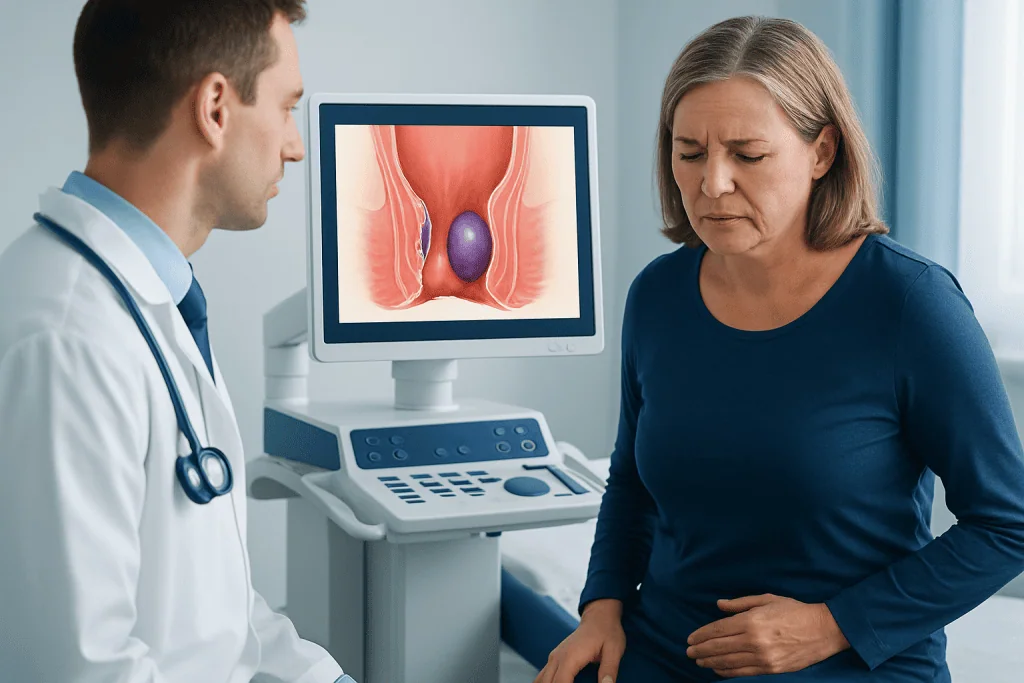
The most common symptom is sudden pain around the anus. People often describe the pain as sharp, throbbing, or worse when sitting, walking, or having a bowel movement. The discomfort usually starts quickly over hours rather than gradually over many days.
A visible or palpable lump is also common. This lump is often firm and may appear bluish, purple, or dark red because of the trapped blood clot under the skin. The area can be swollen and tender to the touch, and the surrounding skin may feel stretched.
Some people notice mild bleeding, especially if the surface skin becomes irritated or breaks down. Itching, a feeling of fullness, or difficulty cleaning the area can also occur. While symptoms can be striking, severe bleeding is less typical and should prompt medical review to rule out another cause.
- Sudden anal pain
- Firm, tender lump near the anus
- Swelling and local irritation
- Mild bleeding or spotting
- Discomfort with sitting or bowel movements
Causes and Risk Factors

A thrombosed hemorrhoid develops when pressure in the veins around the anus increases and blood collects in an external hemorrhoid. The trapped blood can then clot. This process is more likely when a person strains repeatedly or has hard stools that require extra effort to pass.
Common triggers include constipation, prolonged sitting on the toilet, heavy lifting, and episodes of diarrhea that irritate the anal area. Pregnancy is another frequent factor because of increased pressure in the pelvic veins and changes in bowel habits. A thrombosed hemorrhoid may also appear after childbirth.
Additional risk factors include low-fiber eating patterns, not drinking enough fluids, obesity, and sedentary habits. Age can also play a role, as the supportive tissues around the rectum and anus become less elastic over time. Not every painful anal lump is a thrombosed hemorrhoid, so a proper diagnosis remains important.
Diagnosis and What to Expect at the Appointment
Diagnosis is usually based on the history of sudden pain and a physical examination. A doctor often identifies a thrombosed external hemorrhoid by inspecting the anal area and gently examining the lump. In many cases, no complex testing is needed.
If bleeding is present, symptoms are recurrent, or the diagnosis is not straightforward, further evaluation may be recommended. This can help distinguish a thrombosed hemorrhoid from conditions such as anal fissure, abscess, skin tag, rectal prolapse, or other causes of rectal bleeding. Depending on age and symptoms, the doctor may advise additional anorectal assessment.
Patients should seek urgent medical attention for heavy rectal bleeding, fever, spreading redness, drainage of pus, severe worsening pain, or inability to pass stool or urine. These findings are not typical of a simple thrombosed hemorrhoid and may point to another problem that needs prompt care.
Treatment Options
Treatment depends on how severe the symptoms are and how long they have been present. Many thrombosed hemorrhoids can be managed conservatively, especially if the pain has already started to improve. Home-based care often focuses on easing discomfort while the body gradually reabsorbs the clot over days to weeks.
Conservative treatment may include warm sitz baths, gentle cleansing, avoiding straining, increasing fiber and fluids, and using medications recommended by a doctor for pain relief or bowel regulation. Measures that keep stools soft are especially helpful because they reduce pressure on the area. For broader management strategies, a clinician may discuss hemorrhoid treatment options tailored to the person’s symptoms.
If pain is intense and the thrombosed hemorrhoid is seen early, a doctor may recommend a minor office-based procedure to remove the clot or excise the thrombosed hemorrhoid. This can offer faster relief for selected patients. In people with frequent or complicated hemorrhoid problems, additional approaches may be considered, including laser hemorrhoidoplasty or, less commonly, hemorrhoidectomy when appropriate.
Any procedure decision should be individualized. Factors such as timing, size of the clot, symptom severity, medical history, use of blood thinners, and the possibility of another diagnosis all influence the best approach.
Self-care and Prevention of Recurrence
Many patients want to know not only how to treat a thrombosed hemorrhoid, but also how to avoid another one. The most effective prevention steps are those that reduce constipation and repeated straining. A diet rich in fiber from fruits, vegetables, legumes, and whole grains can support softer, easier bowel movements.
Drinking enough fluids and staying physically active also help normal bowel function. It is useful to respond to the urge to have a bowel movement rather than delaying it, and to avoid spending long periods sitting on the toilet. Gentle cleaning after bowel movements and avoiding harsh wiping may reduce local irritation.
People with recurring symptoms should speak with a qualified doctor rather than relying on repeated self-treatment. Persistent or repeated hemorrhoid issues may benefit from structured evaluation, especially if symptoms overlap with those of other anorectal conditions.
Near the end of the care pathway, some patients seek specialist assessment for persistent pain, recurrent clots, or uncertainty about the diagnosis. Acibadem International’s multidisciplinary specialists at JCI-accredited hospitals diagnose and treat this condition for international patients when advanced evaluation or procedural care is needed.
When to Seek Medical Care
A short period of anal pain and swelling may improve with supportive care, but medical evaluation is recommended when the pain is severe, a new lump appears suddenly, or symptoms interfere with normal sitting, walking, or bowel movements. Seeing a doctor early can help confirm that the problem is truly a thrombosed hemorrhoid and not another condition.
Prompt medical care is especially important if there is significant rectal bleeding, fever, chills, increasing redness, pus, fainting, or black stools. People who are pregnant, have inflammatory bowel disease, take blood thinners, or have a personal or family history that raises concern about colorectal disease should also seek professional advice rather than self-diagnosing.
Even when symptoms seem typical, ongoing or repeated episodes deserve attention. A clinician can review bowel habits, examine for other anorectal problems, and explain whether conservative care is enough or whether a procedure would likely provide better relief.
Frequently asked questions
Is a thrombosed hemorrhoid dangerous?
A thrombosed hemorrhoid is usually not dangerous, but it can be very painful. It should still be assessed if symptoms are severe, if there is notable bleeding, or if the diagnosis is uncertain. A doctor can rule out other causes of anal pain or a lump.
Will a thrombosed hemorrhoid go away on its own?
Many thrombosed hemorrhoids improve gradually as the body reabsorbs the clot. Pain often gets better before the lump fully disappears, and the swelling may take days to weeks to settle. Supportive care can make recovery more comfortable.
How is a thrombosed hemorrhoid different from a regular hemorrhoid?
A regular hemorrhoid may cause itching, mild discomfort, or bleeding, but a thrombosed hemorrhoid usually causes sudden, more intense pain and a firm lump. The difference is the presence of a blood clot inside the hemorrhoid. This clot stretches the surrounding tissues and increases tenderness.
Can a thrombosed hemorrhoid bleed?
Yes, mild bleeding can happen, especially if the skin over the lump becomes irritated or breaks down. However, heavy bleeding is not typical and should be medically evaluated. Rectal bleeding can also have causes unrelated to hemorrhoids.
When is surgery or a procedure needed?
A procedure may be considered when pain is severe, symptoms started recently, or the clot is causing significant distress. Some patients benefit from office-based removal of the clot or the thrombosed hemorrhoid. More extensive treatment is usually reserved for recurrent or complicated hemorrhoid disease.
Can a thrombosed hemorrhoid come back?
Yes, recurrence is possible, especially if constipation, straining, or prolonged toilet sitting continue. Prevention focuses on softer stools, healthy bowel habits, hydration, and avoiding repeated pressure on the anal veins. A doctor can suggest long-term strategies if episodes recur.
References
- National Institute of Diabetes and Digestive and Kidney Diseases
- American Society of Colon and Rectal Surgeons
- Mayo Clinic
- Merck Manual Consumer Version
This article is for general information only and is not a substitute for professional medical advice. Please consult a qualified doctor about your individual situation.
Explore treatments in Turkey — costs, top hospitals & a free quote
JCI-accredited · board-certified surgeons · reply within 24h
Add us as a Preferred Source to see more of our trusted health content across Google Search, AI Overviews and Discover.

More from the Health Library



Related Specialists

Dr. Tarık Çubukcuoğlu
Internal Medicine
Dyt. Ayşegül Akkaya Erden
Nutrition & Diet
Dr. Tekin Münür Ormancıoğlu
Ophthalmology
Assoc. Prof. Dr. Ferhat Demir
Pediatrics