

Fitness: A Complete Medical Overview

Fitness includes endurance, strength, flexibility, balance, and recovery, not just body weight or appearance. Regular physical activity supports heart health, metabolic health, mood, sleep, bone strength, and daily function.
Key Takeaways
- Fitness includes endurance, strength, flexibility, balance, and recovery, not just body weight or appearance.
- Regular physical activity supports heart health, metabolic health, mood, sleep, bone strength, and daily function.
- A safe fitness plan starts gradually and should be tailored to age, health conditions, and current activity level.
- Warning symptoms such as chest pain, fainting, or severe shortness of breath during exercise need medical evaluation.
- Consistency matters more than intensity for most people building or maintaining fitness.
Fitness is a measure of how well the body performs physical activity, recovers from effort, and supports overall health. It is not only about athletic performance or appearance; medically, fitness includes heart and lung function, muscle strength, flexibility, balance, and the ability to stay active safely over time.
Overview: What Fitness Means in Medical Terms
Fitness is the body’s ability to perform physical tasks efficiently, tolerate exercise, and recover afterward without excessive strain. In medical terms, fitness is broader than sports performance. It reflects how well the heart, lungs, muscles, joints, nerves, and metabolism work together during movement and everyday activity.
Physical fitness is usually described in several parts: cardiorespiratory endurance, muscular strength, muscular endurance, flexibility, balance, coordination, and body composition. A person can be fit in one area and still need improvement in another. For example, someone may have good walking endurance but poor flexibility or limited muscle strength.
Fitness is also linked to prevention. Better fitness is associated with lower risk of many long-term health problems, including high blood pressure, type 2 diabetes, some heart conditions, falls in older adults, and reduced physical function over time. It can also support emotional well-being, sleep quality, and energy levels.
Importantly, fitness is personal. It does not require extreme exercise, a specific body shape, or advanced athletic ability. For most people, fitness means building a level of strength, stamina, and mobility that supports health, independence, and quality of life.
The Main Components of Fitness
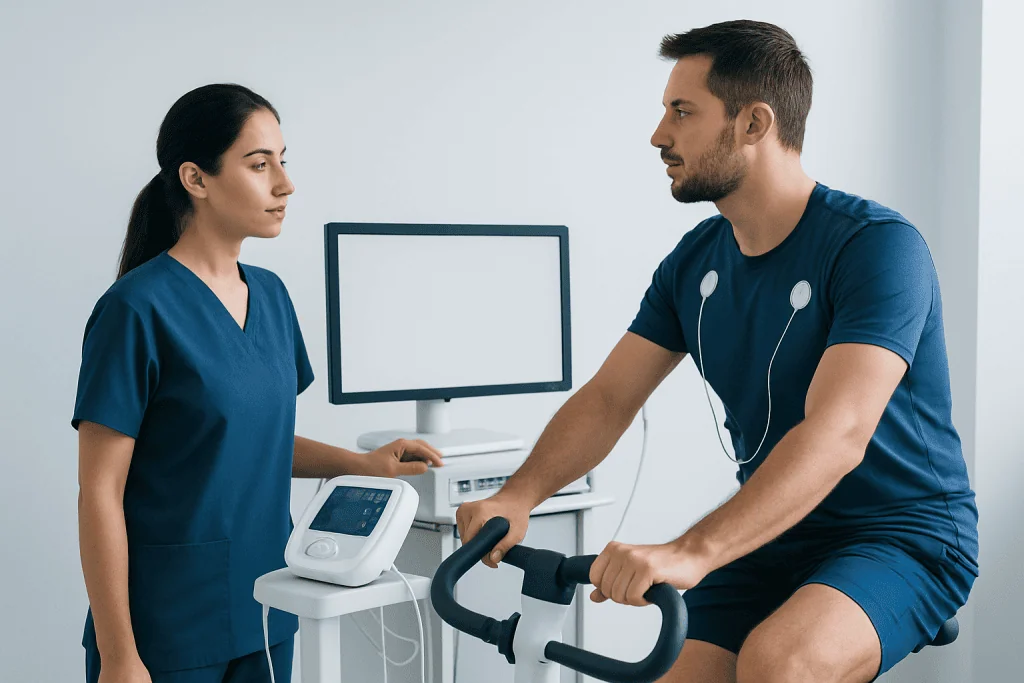
Cardiorespiratory fitness describes how well the heart and lungs deliver oxygen to working muscles during activity. This affects a person’s ability to walk briskly, climb stairs, cycle, swim, or perform other sustained movement. It is one of the most important fitness measures for long-term health.
Muscular strength and muscular endurance are different but related. Strength refers to how much force a muscle can produce, while endurance refers to how long muscles can keep working. These abilities support posture, joint stability, lifting, carrying, and daily tasks such as getting out of a chair or climbing steps.
Flexibility and mobility help joints move through a healthy range of motion. Balance and coordination help the body stay steady and move safely, which becomes especially important with aging or certain medical conditions. These areas are often overlooked, yet they are essential parts of a complete fitness plan.
Body composition is sometimes included as a fitness component, but it should be interpreted carefully. Weight alone does not define fitness. A healthier focus is on function, endurance, strength, and sustainable habits rather than appearance alone.
Why Fitness Matters for Overall Health

Regular physical activity improves many body systems at once. It can strengthen the heart muscle, improve circulation, support healthy blood pressure, and help the body use insulin more effectively. For this reason, fitness plays an important role in reducing the risk of chronic disease and improving daily well-being.
Fitness can also benefit mental health. Many people notice improved mood, lower stress, better concentration, and better sleep when they stay active. Exercise is not a replacement for professional mental health care when needed, but it can be a valuable part of an overall health plan.
Muscle and bone health also depend on movement. Strength-building and weight-bearing activities can help maintain bone density and reduce age-related muscle loss. This may lower the risk of frailty, loss of independence, and injuries caused by poor balance or weakness.
In addition, fitness supports recovery and resilience. People with better baseline fitness often tolerate illness, surgery, or periods of inactivity more effectively. In some cases, doctors recommend supervised exercise or physical therapy and rehabilitation to rebuild function after injury, illness, or long-term deconditioning.
What Affects Fitness Levels
Fitness is influenced by more than exercise habits alone. Age, genetics, sleep, nutrition, stress, medications, health conditions, and previous injuries can all affect how a person responds to physical activity. This is one reason fitness plans should be individualized rather than copied from someone else.
Chronic conditions may change what fitness looks like, but they do not always prevent improvement. People living with obesity, arthritis, asthma, heart disease, or diabetes may still benefit greatly from appropriate activity. In fact, movement is often an important part of medical care for conditions such as obesity and metabolic disorders.
A sedentary lifestyle is one of the most common reasons fitness declines. Long periods of sitting can reduce endurance, weaken muscles, stiffen joints, and lower energy. Starting again after inactivity may feel difficult, but the body usually responds well to gradual, consistent progress.
Overtraining can also be a problem. Too much exercise without enough recovery may lead to fatigue, poor sleep, irritability, reduced performance, frequent soreness, or injury. Fitness improves not only through activity, but also through rest, hydration, and balanced nutrition.
How Fitness Is Assessed
Doctors and rehabilitation specialists assess fitness by looking at symptoms, medical history, physical function, and exercise tolerance. There is no single test that defines fitness for everyone. Assessment may include heart rate response, blood pressure, walking ability, strength, balance, flexibility, and how a person feels during exertion.
In some cases, structured testing is helpful. A clinician may use walking tests, mobility assessments, strength evaluations, or exercise testing to understand current capacity and set safe goals. People with known heart or lung conditions, significant symptoms, or multiple health risks may need a more formal medical assessment before starting a vigorous program.
Fitness assessment is especially important when exercise causes symptoms such as dizziness, chest discomfort, unusual shortness of breath, or palpitations. These signs do not always indicate a serious problem, but they should be evaluated. Depending on the situation, a doctor may investigate possible heart disease or another underlying condition.
Tracking progress can be simple and practical. Improvements may include walking farther, climbing stairs more easily, lifting more safely, recovering faster after activity, or feeling less fatigued in daily life. These changes often matter more than any single number.
How to Improve Fitness Safely
The safest way to improve fitness is to start from the current level of ability and increase activity gradually. For many adults, a balanced plan includes aerobic activity, strength training, mobility work, and rest days. Walking, cycling, swimming, dancing, resistance exercises, and stretching can all be part of a healthy routine.
Aerobic activity helps the heart and lungs. Strength training supports muscles, bones, and joint stability. Flexibility and balance exercises improve movement quality and may reduce injury risk. A combination usually works better than focusing on only one type of exercise.
People who are new to exercise or returning after illness should begin with manageable sessions and build slowly. Warming up before activity and cooling down afterward can help the body adjust. Good footwear, proper technique, and realistic expectations are also important for preventing injury.
Some people benefit from a structured or supervised program, especially after surgery, injury, prolonged inactivity, or when chronic pain limits movement. When joint damage or severe arthritis affects function, evaluation by specialists in orthopedics may help guide treatment and a safe return to activity.
- Choose activities that are enjoyable and realistic.
- Increase duration or intensity step by step, not all at once.
- Include muscle-strengthening work at least regularly.
- Make time for sleep, recovery, and hydration.
- Stop and seek advice if exercise repeatedly causes concerning symptoms.
Prevention, Self-care, and Long-Term Fitness Habits
Maintaining fitness is usually easier when activity becomes part of daily life rather than a short-term goal. Walking more, taking stairs when appropriate, limiting long sitting periods, and scheduling regular movement breaks can all support health. Small actions performed consistently often lead to meaningful long-term gains.
Nutrition, hydration, and sleep strongly affect fitness. The body needs enough energy and nutrients to perform, repair tissues, and recover. Poor sleep can reduce exercise performance and motivation, while chronic stress may make both recovery and consistency more difficult.
Injury prevention is an important part of self-care. Sudden increases in training volume, poor form, repetitive strain, or ignoring pain can lead to setbacks. If a person has persistent joint pain, limited mobility, or repeated injuries, medical assessment may be useful. Some may also need targeted support through sports medicine or rehabilitation-focused care.
Near the end of a care journey, some people prefer evaluation in a comprehensive setting. Acibadem International’s multidisciplinary specialists and JCI-accredited hospitals diagnose and treat exercise-related health concerns and underlying medical conditions for international patients.
When to Seek Medical Care
Most people can begin light to moderate activity safely, but medical advice is important in certain situations. A doctor should be consulted before starting a strenuous fitness program if a person has known heart disease, lung disease, uncontrolled blood pressure, diabetes with complications, major joint problems, or a long period of inactivity with significant symptoms.
Medical care is also recommended if exercise causes chest pain, fainting, severe shortness of breath, marked dizziness, new irregular heartbeat, or pain that is sudden and intense. These symptoms should not be ignored, especially if they happen repeatedly or worsen with activity.
People should also seek evaluation for ongoing fatigue, unexpected decline in exercise tolerance, swelling, persistent musculoskeletal pain, or recovery that seems unusually slow. Sometimes the issue is overtraining or poor conditioning, but sometimes it reflects an underlying health problem that needs attention.
Fitness is generally safe and beneficial, but it should work with the body, not against it. When symptoms raise concern, timely medical assessment can help identify the cause and guide a safer, more effective plan.
Frequently asked questions
What is fitness in simple terms?
Fitness is the body's ability to handle physical activity and daily tasks efficiently. It includes stamina, strength, flexibility, balance, and how well the body recovers after effort.
Is fitness the same as being thin or losing weight?
No. Fitness and body weight are not the same thing. A person can improve heart health, strength, mobility, and endurance even if weight changes slowly or very little.
How often should a person exercise to improve fitness?
Most people benefit from regular weekly activity that includes both aerobic exercise and strength training. The best schedule depends on age, health status, current conditioning, and personal goals, so consistency is usually more important than perfection.
Can someone with a chronic medical condition still work on fitness?
Often yes, but the plan may need to be adjusted. Many people with chronic conditions benefit from tailored physical activity, and a doctor or rehabilitation professional can help decide what is safe and appropriate.
What are signs that exercise may not be safe?
Warning signs include chest pain, fainting, severe shortness of breath, significant dizziness, or a very irregular heartbeat during activity. Persistent joint pain or sudden intense pain also deserves medical attention.
How long does it take to improve fitness?
This varies from person to person. Some people notice better energy, walking tolerance, or strength within a few weeks, while broader changes in endurance and physical function may take longer with steady practice.
References
- World Health Organization
- American College of Sports Medicine
- Centers for Disease Control and Prevention
- National Institutes of Health
- American Heart Association
This article is for general information only and is not a substitute for professional medical advice. Please consult a qualified doctor about your individual situation.
Medical weight-loss options in Turkey — costs & eligibility
JCI-accredited · board-certified surgeons · reply within 24h
Add us as a Preferred Source to see more of our trusted health content across Google Search, AI Overviews and Discover.
Check your numbers in seconds
BMI, calories, due date, blood pressure and 30+ more clinical calculators — free, instant, doctor-reviewed ranges.

More from the Health Library



Related Specialists

Prof. Dr. Ahmet Tulga Ulus
Cardiovascular Surgery
Assoc. Prof. Dr. Gürbüz Görümlü
Medical Oncology
Assoc. Prof. Dr. Gül Dabak
Pulmonary Medicine
Assoc. Prof. Dr. Alper Eken
Urology