Colon Cancer: Diagnosis, Outlook, and Modern Treatment Approaches
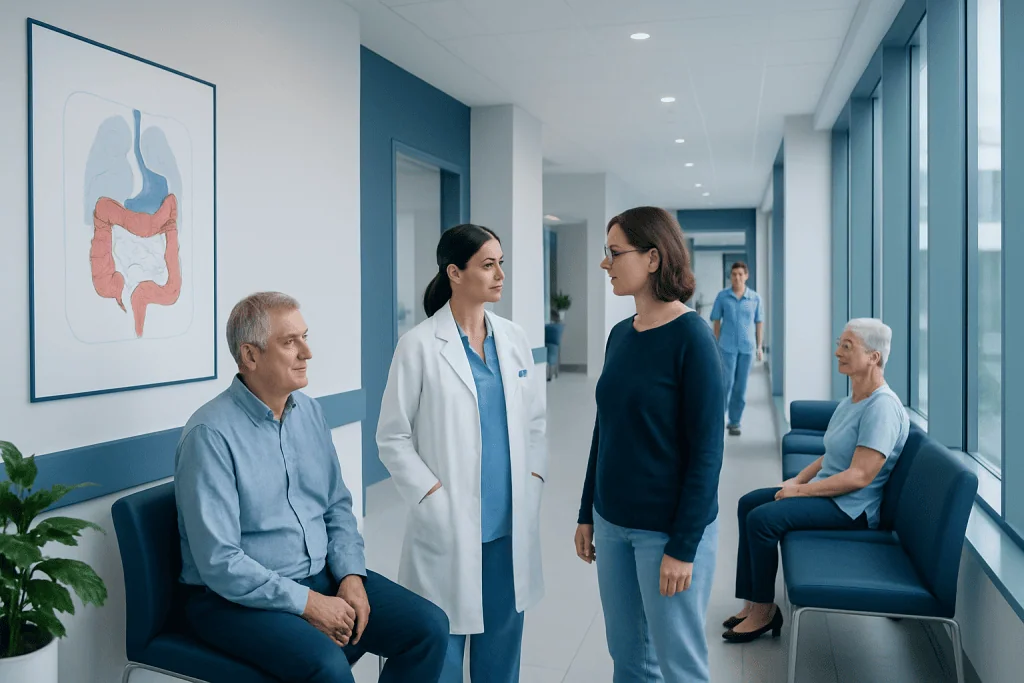
Colon cancer often begins as a polyp that changes over time into cancer. Early colon cancer may cause no symptoms, which is why screening is important.
Key Takeaways
- Colon cancer often begins as a polyp that changes over time into cancer.
- Early colon cancer may cause no symptoms, which is why screening is important.
- Diagnosis typically relies on colonoscopy with biopsy, followed by imaging to determine stage.
- Treatment depends on the cancer stage, overall health, and tumor features.
- Modern care may include surgery, chemotherapy, targeted therapy, and immunotherapy for selected patients.
- Prompt medical evaluation is important for rectal bleeding, ongoing bowel changes, unexplained weight loss, or iron-deficiency anemia.
Colon cancer is a cancer that starts in the large intestine and is often highly treatable when detected early. Diagnosis usually involves colonoscopy, biopsy, and imaging, while treatment is tailored to the stage and may include surgery, chemotherapy, radiation in selected cases, or newer systemic therapies.
Overview: what colon cancer is and how it is treated today
Colon cancer is a malignant tumor that begins in the lining of the colon, which is part of the large intestine. In many people, it develops slowly from a noncancerous growth called a polyp. Because this change often happens over years, screening can find and remove precancerous polyps before cancer forms, or detect cancer at an earlier and more treatable stage.
Modern treatment for colon cancer is individualized. Doctors consider the cancer stage, where the tumor is located, whether lymph nodes or other organs are involved, and certain molecular features of the tumor. Depending on these findings, treatment may include colon cancer treatment with surgery, chemotherapy, targeted therapy, or immunotherapy, often coordinated by a multidisciplinary team.
Outlook varies widely, but earlier-stage colon cancer generally has a better prognosis than advanced disease. This is why timely evaluation of symptoms and routine screening are so important. Many people do well with treatment, and follow-up care plays a major role in monitoring recovery and checking for recurrence.
Symptoms and early warning signs
Colon cancer may not cause symptoms at first. When symptoms do appear, they can overlap with common digestive problems, which is one reason persistent changes should not be ignored. Symptoms do not always mean cancer, but they do deserve medical assessment, especially if they last more than a few weeks.
Common possible symptoms include:
- A lasting change in bowel habits, such as diarrhea, constipation, or narrower stools
- Blood in the stool or rectal bleeding
- Abdominal discomfort, cramping, bloating, or a feeling that the bowel does not empty fully
- Unexplained tiredness, weakness, or iron-deficiency anemia
- Unintentional weight loss
Symptoms can vary by where the tumor is located. Cancers on the right side of the colon may be more likely to cause anemia and fatigue, while left-sided tumors may more often lead to changes in stool shape or bowel habits. A person with these concerns may also be evaluated for other digestive conditions, including colon polyps, which can sometimes be found during the same diagnostic process.
How colon cancer develops: causes and risk factors
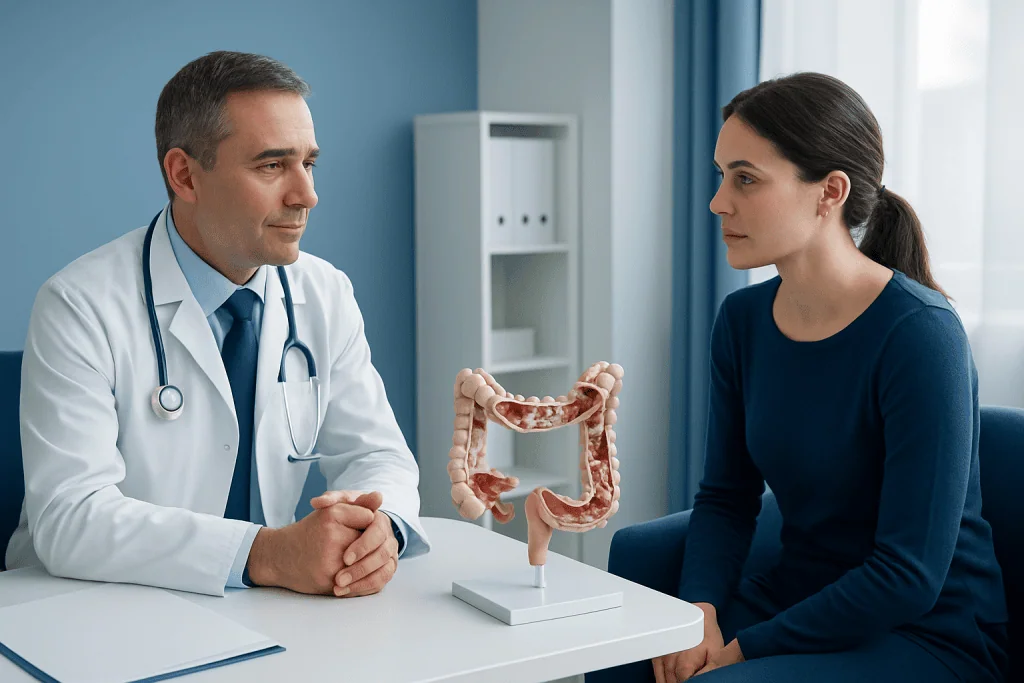
There is no single cause of colon cancer. It develops when cells in the colon acquire genetic changes that allow them to grow in an uncontrolled way. In many cases, these changes begin in polyps, especially adenomatous polyps, although not all polyps become cancerous.
Risk increases with age, but colon cancer can also occur in younger adults. Personal history of colon polyps or inflammatory bowel disease, such as ulcerative colitis or Crohn’s disease involving the colon, can raise risk. Family history is also important, especially if a close relative has had colon cancer or advanced polyps.
Inherited syndromes account for a smaller portion of cases but can greatly increase risk. Examples include Lynch syndrome and familial adenomatous polyposis. Lifestyle-related factors may also contribute, including obesity, physical inactivity, smoking, heavy alcohol use, and diets high in processed meats and low in fiber. Having one or more risk factors does not mean a person will develop cancer, but it may affect screening and prevention plans.
Diagnosis and staging: what tests may be needed
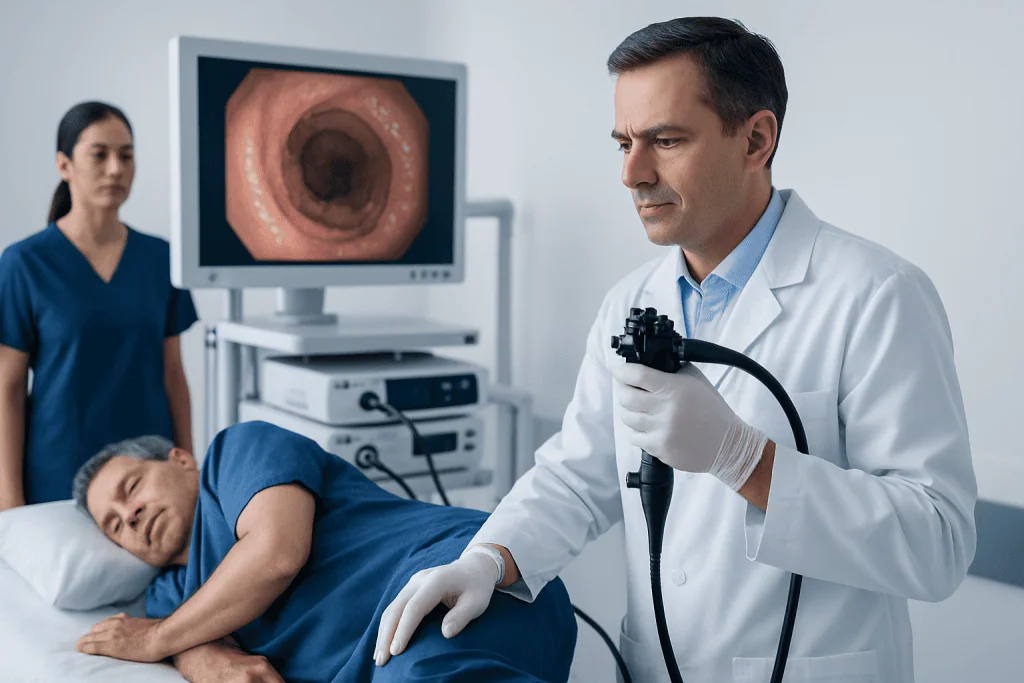
Diagnosis usually starts with a medical history, symptom review, and physical examination. If colon cancer is suspected, colonoscopy is the main test because it allows the doctor to examine the inside of the colon, remove polyps, and take tissue samples. A biopsy is needed to confirm whether cancer cells are present.
After cancer is confirmed, further tests help determine the stage. Staging describes how deeply the tumor has grown into the bowel wall and whether it has spread to nearby lymph nodes or distant organs such as the liver or lungs. This information is essential because treatment recommendations are based largely on stage.
Tests used in staging may include blood work, including a carcinoembryonic antigen level in some patients, and imaging such as CT scans. In selected situations, MRI or PET imaging may also be used. Specialists may also assess tumor biology with molecular testing, which can help guide advanced treatment choices, especially if the disease has spread. When appropriate, the care team may also evaluate related digestive findings through services such as gastroenterology care.
Treatment approaches: surgery, medicines, and personalized care
Surgery is the main treatment for many colon cancers, especially when the disease is localized. The goal is to remove the section of colon containing the tumor along with nearby lymph nodes. Depending on the situation, surgery may be performed using open or minimally invasive techniques. For very early cancers found within a polyp, complete removal during colonoscopy may sometimes be enough, but many patients require a formal operation to ensure the cancer has been fully treated.
Chemotherapy may be recommended after surgery to lower the chance of recurrence, particularly for stage III disease and some stage II cancers with higher-risk features. In advanced or metastatic colon cancer, chemotherapy may be used to control disease, reduce symptoms, and in some cases shrink tumors before surgery. Radiation therapy is not used as routinely for colon cancer as it is for rectal cancer, but it may have a role in selected circumstances.
Modern treatment also includes targeted therapy and immunotherapy for specific patients. Targeted drugs are designed to act on particular pathways that help cancer cells grow. Immunotherapy may be effective in tumors with certain molecular characteristics, such as mismatch repair deficiency or high microsatellite instability. Because treatment is increasingly guided by tumor genetics, some people benefit from a more personalized oncology plan through medical oncology.
Supportive care is another important part of treatment. It may include nutritional support, symptom control, management of bowel function, and emotional support during and after therapy. In experienced centers, treatment plans are reviewed by specialists from surgery, oncology, radiology, pathology, and other fields so decisions reflect the full clinical picture.
Outlook, recovery, and follow-up after treatment
The outlook for colon cancer depends mainly on stage at diagnosis, whether the tumor can be fully removed, and how the cancer responds to treatment. In general, cancers found before they have spread are more likely to be treated successfully. Tumor grade, lymph node involvement, and molecular features can also influence prognosis and treatment planning.
Recovery after treatment varies. After surgery, bowel habits may take time to settle, and energy levels may improve gradually over weeks to months. People receiving chemotherapy or other systemic treatments may have additional side effects, but these can often be managed with good supportive care and regular communication with the treatment team.
Follow-up is essential even after successful treatment. It may include clinic visits, blood tests, repeat colonoscopy, and periodic imaging depending on the stage and treatment received. The aim is to monitor recovery, detect recurrence early if it occurs, and identify new polyps that could lead to future problems. In international care settings, Acibadem International’s multidisciplinary specialists in JCI-accredited hospitals diagnose and treat colon cancer and help coordinate follow-up for patients traveling from abroad.
Prevention and self-care
Not all colon cancer can be prevented, but risk can often be reduced. Screening is one of the most effective tools because it can detect polyps before they turn into cancer. The right screening schedule depends on age, personal history, family history, and inherited risk, so it is best discussed with a qualified doctor.
Healthy lifestyle choices may also help lower risk and support overall digestive health. These include staying physically active, maintaining a healthy weight, limiting alcohol, avoiding smoking, and choosing a balanced diet rich in vegetables, fruits, whole grains, and fiber. Limiting processed meats and reducing excess red meat may also be advised.
For people who have already been treated for colon cancer, self-care includes attending follow-up appointments, taking medicines as prescribed, and reporting new symptoms promptly. Emotional wellbeing matters too. Many people benefit from practical and psychological support while adjusting to life during or after treatment.
When to seek medical care
Medical care should be sought promptly for rectal bleeding, black or bloody stools, a lasting change in bowel habits, unexplained weight loss, persistent abdominal pain, or unusual fatigue. These symptoms are often caused by conditions other than cancer, but they should be evaluated so the cause can be identified and treated appropriately.
A person should also speak with a doctor if they have iron-deficiency anemia, a personal history of polyps, inflammatory bowel disease, or a family history of colon cancer. Earlier or more frequent screening may be recommended in these situations. Urgent care is especially important if symptoms are severe, such as heavy bleeding, vomiting, signs of bowel obstruction, or significant dehydration.
If there is concern about related bowel disease or inherited risk, a doctor may consider assessment for conditions such as colon cancer in a broader digestive or oncology workup. Early attention to symptoms and regular screening remain the most practical ways to improve outcomes.
Frequently asked questions
Is colon cancer curable?
Colon cancer can often be cured when it is found early and treated appropriately. Cure is more likely when the cancer is limited to the colon and has not spread to distant organs. Even in more advanced cases, treatment can sometimes control the disease for a long time and may improve quality of life.
What is usually the first sign of colon cancer?
There is not one single first sign, and some people have no symptoms at all early on. Common early clues can include a change in bowel habits, blood in the stool, or unexplained tiredness caused by anemia. Because these symptoms can have many causes, medical evaluation is important.
How is colon cancer confirmed?
Colon cancer is confirmed with a biopsy, usually taken during a colonoscopy. The tissue sample is examined in a laboratory to see whether cancer cells are present. Once confirmed, imaging tests are used to determine the stage.
Does colon cancer always require chemotherapy?
No. Chemotherapy is not needed for every person with colon cancer. Whether it is recommended depends on the stage of the cancer, surgical findings, and certain tumor features that affect recurrence risk.
Can colon cancer be prevented?
Colon cancer cannot always be prevented, but the risk can often be reduced. Screening can find and remove precancerous polyps, and healthy lifestyle habits may also help lower risk. People with a family history or inherited syndromes may need a more personalized prevention plan.
What is the difference between colon cancer and rectal cancer?
Both are forms of colorectal cancer, but they begin in different parts of the large intestine. Colon cancer starts in the colon, while rectal cancer starts in the rectum, which is the final section before the anus. Their treatment plans can differ, especially because radiation is used more often in rectal cancer.
References
- World Health Organization
- American Cancer Society
- National Cancer Institute
- National Comprehensive Cancer Network
- Centers for Disease Control and Prevention
This article is for general information only and is not a substitute for professional medical advice. Please consult a qualified doctor about your individual situation.
Colon Cancer in Turkey — costs, top hospitals & a free quote
JCI-accredited · board-certified surgeons · reply within 24h
Add us as a Preferred Source to see more of our trusted health content across Google Search, AI Overviews and Discover.

Medical Oncology Department
Medical treatment of cancer with chemotherapy, immunotherapy and targeted therapies under a multidisciplinary tumor board.
60 specialists in this unit