Tests for STD and STI: A Complete Medical Overview
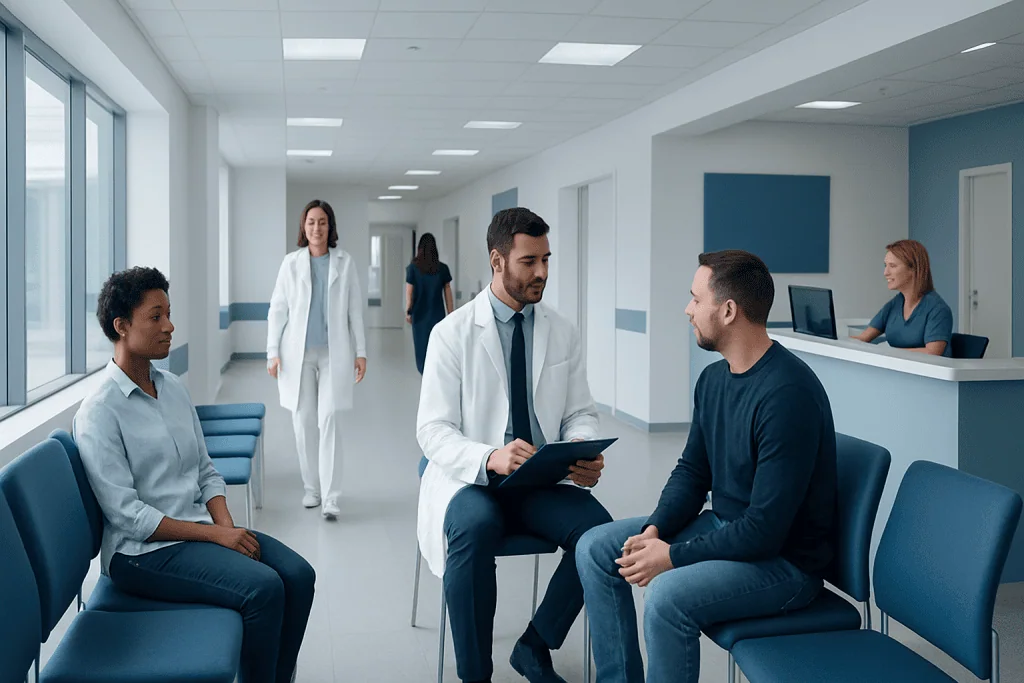
Tests for STD and STI may include urine tests, blood tests, swabs, and a physical examination. Many STIs cause few or no symptoms, so screening can be important even when a person feels well.
Key Takeaways
- Tests for STD and STI may include urine tests, blood tests, swabs, and a physical examination.
- Many STIs cause few or no symptoms, so screening can be important even when a person feels well.
- The timing of testing matters because some infections are easier to detect after a short window period.
- A negative result soon after exposure may need repeat testing if a clinician recommends it.
- Early diagnosis supports timely treatment and helps reduce transmission to partners.
Tests for STD and STI help detect sexually transmitted infections early, even when there are no symptoms. The best test depends on the infection being checked, the body site exposed, symptoms, and how long it has been since possible exposure.
Overview: what tests for STD and STI include
Tests for STD and STI are medical checks used to find sexually transmitted infections, whether or not symptoms are present. They may involve a urine sample, a blood sample, a swab from the genitals, throat, or rectum, and sometimes a physical examination. Which test is needed depends on the infection a clinician suspects, the type of sexual contact, current symptoms, and the time since a possible exposure.
One helpful way to understand testing is to think of it in two categories: screening and diagnostic testing. Screening is done when a person feels well but may still have an infection because some STIs are silent. Diagnostic testing is done when symptoms such as discharge, sores, burning with urination, pelvic pain, or rash suggest a possible infection.
The term STI is often preferred in medicine because it includes infections that may not yet be causing disease. STD is still widely used and familiar to patients, so both terms are common. Regardless of wording, the goal is the same: accurate detection, timely treatment, and reducing the chance of complications or passing an infection to others.
Common infections that can be checked
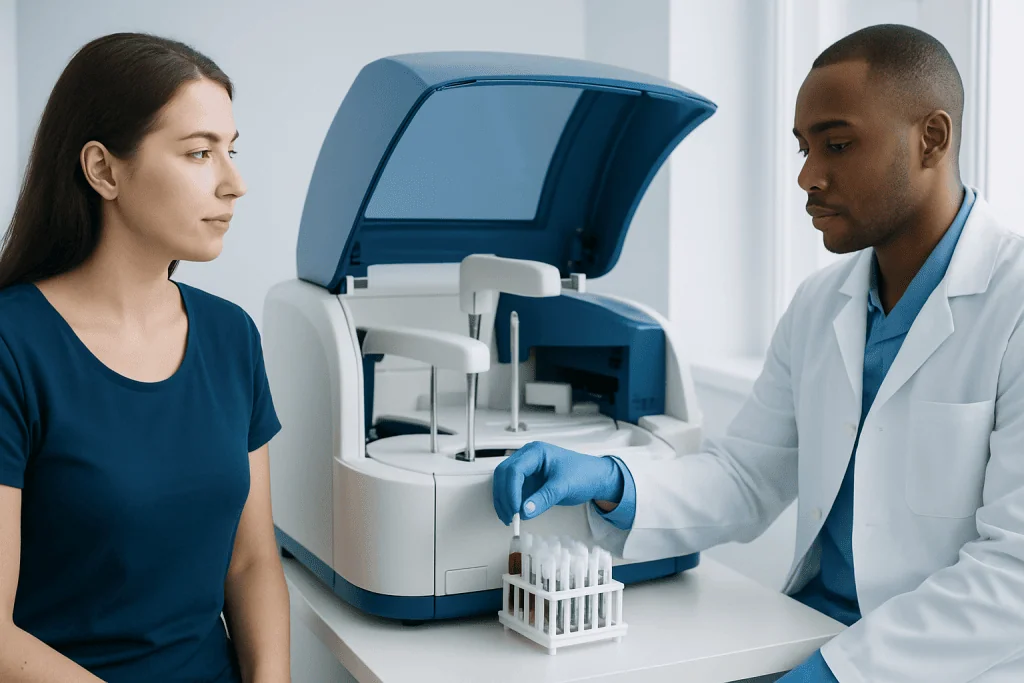
Tests for STD and STI can be used to look for several different infections. Common examples include chlamydia, gonorrhea, syphilis, HIV, herpes simplex virus, trichomoniasis, hepatitis B, hepatitis C in selected situations, and human papillomavirus (HPV) through cervical screening programs. Not every person needs every test, and clinicians usually tailor testing to age, anatomy, symptoms, pregnancy status, and sexual history.
Some infections are best found with a nucleic acid amplification test, often called a NAAT. These highly sensitive tests are commonly used for chlamydia and gonorrhea and can be performed on urine or swab samples. Other infections, such as HIV and syphilis, are usually checked with blood tests, while herpes may be tested from a swab of an active sore rather than from blood alone.
It is also important to test the correct body site. A urine test may not detect an infection in the throat or rectum, so swabs from those areas may be needed after oral or anal sex. This site-specific approach is one reason personalized medical assessment is so important.
People with symptoms suggestive of infection may also need evaluation for related conditions such as urinary tract infection if the cause is not clear. A clinician can help distinguish between STIs and other common causes of genital or urinary symptoms.
Symptoms, risk factors, and who should consider testing

Many people seek tests for STD and STI because they notice symptoms. These may include unusual vaginal or penile discharge, genital sores or blisters, itching, burning during urination, lower abdominal or pelvic pain, testicular discomfort, bleeding after sex, a new rash, or swollen lymph nodes. However, many infections cause no symptoms at all, which is why testing may still be appropriate in people who feel completely well.
Testing is often recommended after unprotected sex, a new sexual partner, multiple partners, sex with a partner who has symptoms or a known STI, or if a condom broke during intercourse. It may also be appropriate during pregnancy, after sexual assault, before starting a new sexual relationship, or as part of routine preventive care for people with ongoing risk.
Certain groups may benefit from regular screening based on public health guidance and individual risk assessment. This can include sexually active young adults, men who have sex with men, people living with HIV, and anyone whose medical history suggests increased exposure risk. Clinicians usually ask about the kinds of sexual contact a person has had because this determines which sites and infections should be tested.
- Testing may be advised even without symptoms.
- A person can have more than one STI at the same time.
- Past treatment does not prevent future infection after a new exposure.
How testing is done and when timing matters
The process for tests for STD and STI is usually straightforward. Depending on the situation, a person may provide a urine sample, have blood drawn, or have a swab taken from the cervix, vagina, urethra, throat, rectum, or a skin lesion. Some settings also use self-collected swabs for certain tests, which may improve comfort while still providing accurate results when done correctly.
Timing matters because infections are not always detectable immediately after exposure. This period is sometimes called the window period. For example, a clinician may advise testing right away for some infections if symptoms are present, but for others may recommend repeat testing later if the first result is negative and exposure was recent.
Patients often ask whether one “full panel” can rule out everything at once. In practice, there is no single universal test for all STIs. Instead, testing is selected based on symptoms, body sites exposed, vaccination history, pregnancy, and how recently exposure may have occurred. This individualized approach is one of the main differences between reliable medical testing and one-size-fits-all online advice.
In some cases, imaging or specialist assessment may be needed if symptoms suggest complications rather than a simple infection. For example, pelvic pain related to infection may require broader evaluation alongside laboratory tests.
Understanding results and what happens next
A positive test means an infection has been detected and should be discussed with a qualified clinician. The next step depends on the organism involved. Some infections are cured with antibiotics or antiparasitic medicines, while others, such as HIV or herpes, are managed long term to control symptoms, reduce transmission risk, and protect overall health.
A negative result can be reassuring, but it does not always rule out infection if testing was done too soon after exposure or if the wrong site was sampled. When a clinician suspects a recent exposure, ongoing symptoms, or a high-risk contact, they may recommend repeat testing after an appropriate interval. This is a common part of good care, not a sign that the first test was done incorrectly.
If symptoms are present, treatment may begin before all results return when clinical suspicion is high. Partner notification and partner testing are also important because untreated contacts can continue the chain of transmission and may become unwell later. People diagnosed with certain infections may also be offered additional screening for related conditions such as HIV/AIDS or viral hepatitis, depending on the situation.
Follow-up matters. A clinician may recommend a test of cure for selected infections, repeat screening after treatment, or a broader sexual health review. For patients needing specialist support, care may involve coordinated input from infectious diseases specialists and, when genital or urinary symptoms are prominent, urology care.
Treatment, prevention, and self-care
Treatment depends on the infection identified. Bacterial infections such as chlamydia, gonorrhea, and syphilis are treated differently from viral infections such as herpes or HIV. Because the correct medicine varies, people should avoid self-treating without proper diagnosis. A healthcare professional can choose the most appropriate treatment, explain possible side effects, and advise whether retesting is needed.
Until results are clarified and treatment is completed when necessary, it is often advised to avoid sexual contact or to follow the clinician’s guidance carefully. This helps reduce the risk of passing an infection to a partner. Patients should also tell current or recent partners when recommended, as confidential partner notification is an important part of public health and personal care.
Prevention includes consistent condom use, limiting exposure to new or multiple partners, vaccination where appropriate such as for hepatitis B and HPV, and routine screening based on risk. Good communication with partners and regular sexual health checkups can support earlier diagnosis and treatment.
When symptoms affect reproductive or pelvic health, a clinician may recommend broader assessment through gynecology care or other relevant specialties. For international patients, Acibadem International’s multidisciplinary specialists and JCI-accredited hospitals provide diagnosis and treatment for sexually transmitted infections and related concerns.
When to seek medical care
A person should seek medical care promptly if they have genital sores, severe burning with urination, unusual discharge, pelvic or testicular pain, fever with a possible sexual exposure, a new rash, or symptoms after a partner is diagnosed with an STI. Medical review is also important after sexual assault, during pregnancy, or after a known exposure to HIV, because some situations may need time-sensitive treatment or prevention.
Urgent care may be needed if symptoms are severe, if there is significant abdominal pain, dizziness, heavy bleeding, or swelling and pain in the testicles. These symptoms do not always mean an STI, but they should not be ignored. Early assessment can help prevent complications and guide the right testing.
Even without symptoms, anyone who is unsure whether they need tests for STD and STI can benefit from discussing their history privately with a doctor. A careful, nonjudgmental consultation usually leads to more accurate testing, clearer interpretation of results, and practical advice about prevention and follow-up.
Frequently asked questions
What is the difference between an STD and an STI?
In everyday use, the terms are often used interchangeably. STI is the broader medical term because a person can have an infection without symptoms, while STD may imply disease or symptoms are already present.
Can a person have an STI without any symptoms?
Yes. Many sexually transmitted infections cause few symptoms or none at all, especially in the early stages. That is why screening can be important after exposure or as part of routine preventive care.
How soon after exposure should someone get tested?
The best timing depends on the infection and the type of test. Some infections can be detected relatively early, while others may need repeat testing after a window period, so a clinician's advice is important.
Are urine tests enough for all STIs?
No. Urine tests are useful for some infections, especially chlamydia and gonorrhea, but other infections may require blood tests, swabs from the throat or rectum, or a swab from a sore. Testing the correct body site is essential for accuracy.
What happens if a test result is positive?
A positive result should be reviewed with a healthcare professional, who can explain the diagnosis and recommend treatment or follow-up. Partner testing and temporary changes to sexual activity may also be advised to reduce transmission.
Can a negative result be wrong?
A negative result can occur if testing is done too soon after exposure or if the infection is at a body site that was not tested. If symptoms continue or exposure was recent, repeat testing may be recommended.
This article is for general information only and is not a substitute for professional medical advice. Please consult a qualified doctor about your individual situation.
Explore treatments in Turkey — costs, top hospitals & a free quote
JCI-accredited · board-certified surgeons · reply within 24h
Add us as a Preferred Source to see more of our trusted health content across Google Search, AI Overviews and Discover.

More from the Health Library

Tenesmus: Symptoms, Causes, and Treatment — Complete Patient Guide

Replens vaginal moisturizer: Symptoms, Causes, and Treatment — Complete Patient Guide

Runners Bum: A Complete Medical Overview

Pictures of Bumps on Gums — Explained by Medical Evidence, Not Myths

Plantain: What Patients Need to Know