Pictures of Bumps on Gums — Explained by Medical Evidence, Not Myths

A gum bump may be caused by irritation, an ulcer, infection, a cyst, medication-related gum changes, or normal mouth anatomy. Pain, pus, facial swelling, fever, a loose tooth, or trouble swallowing require prompt professional assessment.
Key Takeaways
- A gum bump may be caused by irritation, an ulcer, infection, a cyst, medication-related gum changes, or normal mouth anatomy.
- Pain, pus, facial swelling, fever, a loose tooth, or trouble swallowing require prompt professional assessment.
- A painless lump that lasts longer than two weeks should be checked, even if it appears small.
- Do not pop, squeeze, or try to drain a bump on the gums at home.
- Good oral hygiene and regular dental care can lower the risk of many gum problems, but they cannot prevent every cause.
Pictures of bumps on gums can help people recognize common patterns, but they cannot confirm what a lump is or whether it needs treatment. Many bumps are minor and temporary, while others may signal infection, trauma, or a condition that should be assessed by a dentist or doctor.
What pictures of bumps on gums can—and cannot—show
Pictures of bumps on gums often show a small raised area that may be red, white, clear, purple, or the same color as surrounding gum tissue. The appearance can offer useful clues: a painful white-centered sore may resemble an ulcer, while a pimple-like bump near a tooth may be associated with a dental infection. However, images cannot reliably show how deep a problem is, whether a tooth nerve is affected, or whether a lump needs treatment.
Gums are sensitive tissues that can react to plaque, brushing injury, food trapped between teeth, dental appliances, and infection. A bump may also arise from normal structures in the mouth, including bony contours beneath the gum. Because several conditions can look alike, diagnosis depends on symptoms, dental history, and an examination rather than appearance alone.
A useful way to think about a gum bump is to consider its location, color, texture, pain level, duration, and accompanying symptoms. A bump beside one tooth is different from widespread gum swelling, and a spot that heals within days is different from one that remains unchanged for weeks.
Common patterns seen in gum bumps
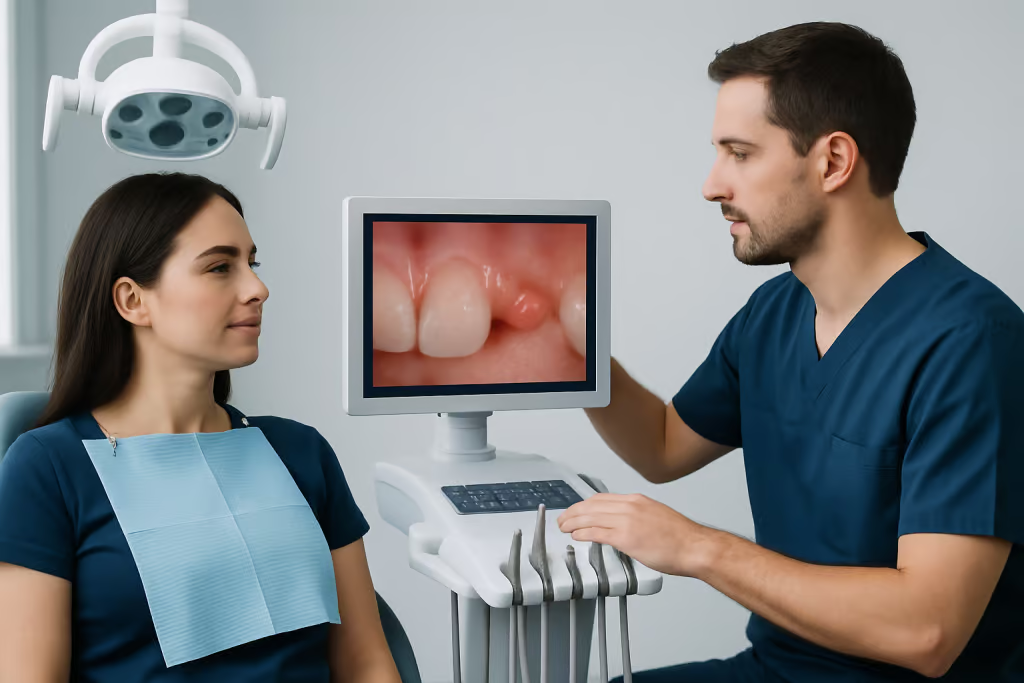
Small painful sores with a white, yellow, or gray center and a red border are often mouth ulcers, sometimes called canker sores. They can occur on the gums and other soft tissues of the mouth. Minor injury, stress, irritation, certain foods, and some medical conditions may contribute. Most uncomplicated ulcers improve on their own within one to two weeks.
A round, pimple-like swelling near the root area of a tooth can be a draining pathway from an infection, sometimes called a gum boil or fistula. It may release fluid with an unpleasant taste, and pain can be mild or absent if pressure is draining. Even when discomfort settles, the underlying tooth or gum infection still needs dental assessment.
Generalized red, puffy, or bleeding gums are more consistent with inflammation from plaque buildup, known as gingivitis. More advanced gum disease can lead to gum recession, deeper pockets around teeth, bad breath, and tooth mobility. Information about periodontal disease can help explain why professional dental care is important when gum symptoms persist.
Some lumps are harmless variations, such as firm bony prominences under normal-colored gum tissue. Other possibilities include irritation-related fibrous growths, cysts, or swelling around a partially erupted tooth. A clinician can distinguish these by examining the mouth and, if needed, taking dental X-rays.
Clues from color, pain, and location
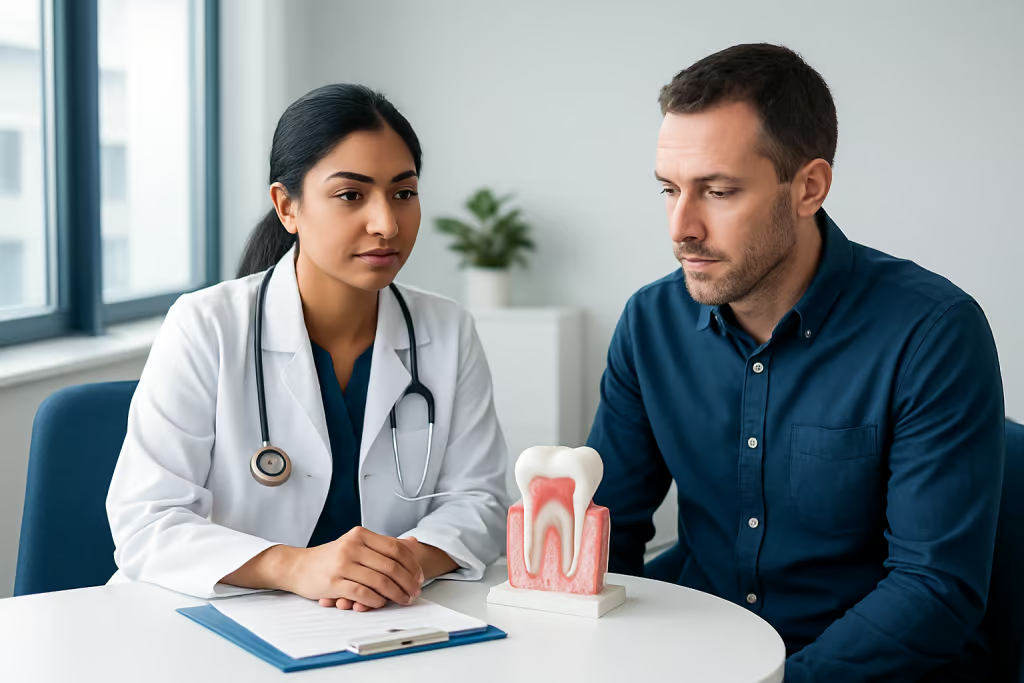
Color alone does not diagnose a gum bump, but it can help guide a clinical assessment. Red or swollen tissue often reflects inflammation. A white surface may occur with an ulcer, friction, or a coating over healing tissue. A bluish or purple area can occur with bruising or a blood-filled blister after trauma. A clear, fluid-filled swelling may be related to a minor cyst or blocked salivary tissue, although these are less common on attached gums.
Pain is also variable. A tender bump may develop after brushing too firmly, biting hard food, or having a sharp tooth edge or poorly fitting appliance rub against the gums. In contrast, an infected tooth can sometimes produce little pain if it drains through the gum. Therefore, a painless bump should not automatically be assumed harmless.
Location matters. Swelling between teeth may relate to plaque accumulation or food impaction. A bump at the gumline near one tooth can be linked to decay, a cracked tooth, or infection around the root. Lumps near wisdom teeth may occur when gum tissue around a partly erupted tooth becomes inflamed. A dental professional will consider these details alongside the person’s general health and medication use.
Why gum bumps develop
Common triggers include plaque and tartar buildup, tooth decay, gum disease, trauma from brushing or flossing, burns from very hot food, and irritation from braces, dentures, retainers, or sharp dental edges. Tobacco use can irritate oral tissues and increases the risk of serious oral health disease. Dry mouth may also make the mouth more vulnerable to irritation and infection.
Dental infections develop when bacteria enter a tooth through decay, a crack, trauma, or severe gum disease. The body may form a localized collection of pus, called an abscess. This condition needs timely dental treatment because infection can spread beyond the tooth and surrounding gums. Treatment may involve addressing the source tooth with procedures such as root canal treatment or, when appropriate, other dental care.
Less often, gum enlargement may be related to certain medicines, hormonal changes, immune conditions, nutritional deficiencies, or benign and malignant growths. This does not mean that every bump is serious. It does mean that a new lesion that does not heal or keeps returning deserves an in-person assessment rather than self-diagnosis from photographs.
- Recent injury or dental work may explain a short-lived sore area.
- Repeated bumps near the same tooth may point to an untreated tooth or gum problem.
- Widespread swelling or bleeding may indicate gum inflammation and a need for professional cleaning.
- A persistent lump needs examination regardless of whether it hurts.
How dentists evaluate a bump on the gums
A dentist or oral health clinician will usually ask when the bump appeared, whether it has changed, and whether there is pain, bleeding, discharge, bad breath, tooth sensitivity, fever, or recent dental treatment. They will examine the gums, teeth, tongue, cheeks, and other oral tissues. They may gently test nearby teeth for tenderness, mobility, or response to temperature.
Dental X-rays can reveal decay between teeth, bone changes, impacted teeth, cysts, or infection around a root. If a bump appears related to gum disease, the clinician may measure the spaces between gums and teeth, called periodontal pockets. These steps help identify the cause and guide treatment safely.
If an area looks unusual or does not heal as expected, the clinician may refer the person to an oral medicine specialist, oral and maxillofacial surgeon, or another appropriate specialist. Occasionally, a small tissue sample may be recommended to clarify the diagnosis. This is a standard way to investigate persistent oral lesions and does not by itself mean cancer is suspected.
Treatment and safe self-care
Treatment depends on the cause. A minor trauma-related bump or uncomplicated ulcer may settle with time, gentle oral hygiene, and avoidance of irritating foods. A dentist may recommend protective measures for a sharp tooth edge, adjustment of an appliance, or an appropriate mouth rinse. People should follow professional advice before using medicated gels or rinses, especially for children, pregnancy, or ongoing health conditions.
If there is gum inflammation, professional cleaning and consistent plaque control are central to care. This commonly includes brushing twice daily with fluoride toothpaste, cleaning between teeth daily with floss or interdental brushes when suitable, and attending recommended dental visits. More advanced disease may require periodontal treatment to clean infected areas and protect the teeth and supporting bone.
A suspected abscess should not be treated by squeezing, piercing, or trying to drain it at home. These actions can worsen tissue injury or spread bacteria. Antibiotics are not always the main solution for a dental infection; definitive treatment usually focuses on removing the source of infection, such as treating the affected tooth or draining an abscess when clinically indicated.
For comfort while awaiting an appointment, a person may choose soft foods, avoid smoking and alcohol, use a soft toothbrush, and rinse gently with plain warm water. Over-the-counter pain medicines may be suitable for some adults, but they should be used only as directed on the label and with advice from a pharmacist or clinician when there are medical conditions, allergies, or medication interactions.
When to seek medical care
Prompt dental care is advisable for a bump that lasts more than two weeks, grows, repeatedly returns, bleeds without an obvious injury, or occurs with persistent pain, tooth sensitivity, bad breath, or discharge. A dentist should also assess a bump near a broken, decayed, loose, or discolored tooth. Early assessment can often prevent a manageable dental issue from becoming more complex.
Urgent medical or dental assessment is needed for facial or neck swelling, fever, difficulty opening the mouth, trouble swallowing, breathing difficulty, confusion, or rapidly worsening pain. These symptoms can indicate a spreading infection and should not be managed at home. Emergency services should be used if breathing or swallowing is affected.
People with diabetes, reduced immune function, cancer treatment, or medicines that affect immunity should contact a healthcare professional sooner for new mouth sores or signs of infection. Acibadem International’s multidisciplinary specialists and JCI-accredited hospitals can assess dental and oral health concerns for international patients when coordinated care is needed.
Frequently asked questions
Are bumps on gums usually serious?
Many gum bumps are related to minor irritation, mouth ulcers, or gum inflammation and are not serious. However, a bump can also be caused by a dental infection or another condition needing care. It should be checked if it persists longer than two weeks, enlarges, or is accompanied by pain, pus, bleeding, or tooth problems.
What does a gum abscess look like?
A gum abscess may look like a small red, swollen, pimple-like bump near a tooth. It may be painful, but some abscesses drain and cause little discomfort, sometimes with a bad taste in the mouth. A dental examination is needed because the infection source often requires treatment.
Can a bump on the gum go away on its own?
A bump caused by a minor injury or a simple mouth ulcer may heal without specific treatment. In contrast, bumps caused by tooth infection, gum disease, cysts, or persistent irritation may not resolve until the cause is addressed. It is best to seek dental advice if the area does not improve within two weeks.
Should a person pop a bump on the gums?
No. Popping, squeezing, or puncturing a gum bump can damage tissue and may spread bacteria if infection is present. A dentist can determine whether drainage or another treatment is necessary and can address the underlying cause safely.
Can brushing too hard cause a bump on the gums?
Yes, aggressive brushing, hard-bristled toothbrushes, or trauma from flossing can irritate gum tissue and cause localized swelling or soreness. Switching to a soft toothbrush and using gentle technique may help. Persistent swelling should still be evaluated to rule out other causes.
Is a painless lump on the gum safe to ignore?
Not always. Some painless lumps are harmless, but others may be linked to chronic infection, cysts, or abnormal tissue changes. A painless lump that remains for more than two weeks or changes in size, color, or texture should be examined by a dentist or doctor.
References
- American Dental Association
- National Institute of Dental and Craniofacial Research
- Mayo Clinic
- World Health Organization
- Merck Manual Consumer Version
This article is for general information only and is not a substitute for professional medical advice. Please consult a qualified doctor about your individual situation.
Persistent digestive symptoms? Get evaluated in Turkey
JCI-accredited · board-certified surgeons · reply within 24h
Add us as a Preferred Source to see more of our trusted health content across Google Search, AI Overviews and Discover.