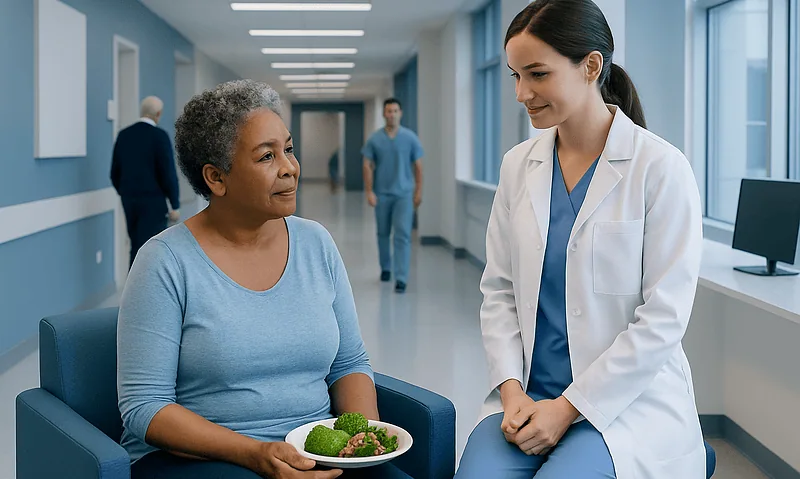
Green Beans Nutrition: Benefits, Risks, and Safe Use

Green beans are nutrient-dense vegetables that supply fiber, vitamin C, vitamin K, folate, and potassium. They support overall diet quality, but evidence does not support using green beans alone to prevent or treat disease.
Key Takeaways
- Green beans are nutrient-dense vegetables that supply fiber, vitamin C, vitamin K, folate, and potassium.
- They support overall diet quality, but evidence does not support using green beans alone to prevent or treat disease.
- Raw or undercooked green beans may cause digestive upset because they contain lectins that are reduced by cooking.
- People taking blood thinners, those with certain digestive issues, or those with food allergies may need individualized advice.
- Boiling, steaming, sautéing, or roasting can all be appropriate, but heavily salted or fried preparations may reduce health value.
Green beans nutrition is generally favorable: they provide fiber, vitamins, and plant compounds while being naturally low in calories and fat. For most people, green beans can be part of a balanced diet, but cooking method, digestive tolerance, kidney stone history, medication use, and rare allergies can influence the safest way to eat them.
Overview
Green beans, also called string beans or snap beans, are the immature pods of the common bean plant. In nutrition terms, they are best understood as a non-starchy vegetable rather than a concentrated source of protein or carbohydrate. They are commonly eaten fresh, frozen, or canned and can fit into many eating patterns because they are naturally low in calories and contain no cholesterol.
From a clinical perspective, green beans contribute useful amounts of dietary fiber, vitamin C, vitamin K, folate, and potassium, along with smaller amounts of other vitamins, minerals, and protective plant compounds. Their overall nutritional value depends not only on the bean itself but also on how it is prepared. Steamed or lightly cooked green beans are different nutritionally from green beans cooked with large amounts of salt, butter, processed meats, or breading.
Evidence supports green beans as part of a vegetable-rich eating pattern linked with better long-term health. However, no strong evidence shows that green beans on their own can treat chronic disease, replace medication, or deliver unique benefits that other vegetables cannot. The most accurate message is that they are a practical, nutritious food that can support a balanced diet when eaten regularly and prepared appropriately.
What Green Beans Nutrition Includes

Green beans provide several nutrients that matter for day-to-day health. Fiber helps support bowel regularity and can contribute to fullness after meals. Vitamin C supports immune function and acts as an antioxidant. Vitamin K helps with normal blood clotting and bone health. Folate is important for cell growth, and potassium helps with fluid balance, nerve signaling, and muscle function.
Green beans also contain plant compounds such as carotenoids and polyphenols. These substances are being studied for their antioxidant and anti-inflammatory effects. While this research is promising, it is more scientifically sound to view green beans as one part of an overall plant-forward diet rather than as a single “superfood.”
Fresh and frozen green beans have similar nutritional potential when handled properly. Canned green beans can still be nutritious, but they may contain added sodium. Rinsing canned vegetables can help reduce some surface salt. Cooking can lower some heat-sensitive nutrients, especially vitamin C, but it can also make green beans easier to digest and safer to eat.
- Fiber for digestive health and satiety
- Vitamin C for antioxidant and immune support
- Vitamin K for clotting and bone health
- Folate for normal cell function
- Potassium for heart, nerve, and muscle function
Potential Health Benefits and What Evidence Shows
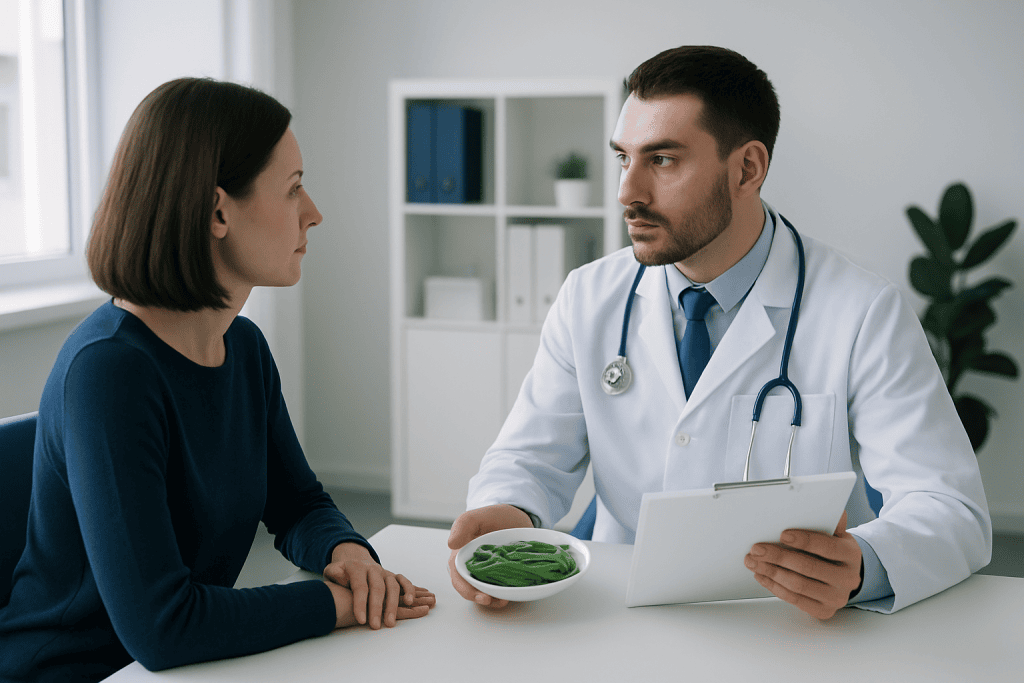
The strongest evidence around green beans nutrition is not that green beans have a medicine-like effect, but that regular vegetable intake supports better overall health. Green beans can help increase fiber intake and improve meal quality, especially when they replace more heavily processed side dishes. Their low energy density means they add volume to meals without adding many calories, which may support weight management as part of a broader plan.
Because they contain fiber and have a relatively low carbohydrate load, green beans can fit well into eating patterns for blood sugar management. They are not a treatment for diabetes, but they are often a suitable vegetable choice for people working on balanced meals. Those living with diabetes may benefit most from focusing on the whole meal pattern, including portion balance, protein, healthy fats, and other high-fiber foods.
Green beans also support heart-healthy eating because they are naturally low in saturated fat and provide potassium and fiber. Still, they do not directly treat high blood pressure or heart disease. The benefit comes from including them within eating patterns rich in vegetables, fruits, legumes, whole grains, and healthy fats. If someone needs specialist support with diet-related conditions, comprehensive care may include evaluation for concerns such as obesity or structured nutrition counseling.
Claims that green beans “detox” the body, melt fat, cure constipation on their own, or dramatically lower cholesterol are not strongly supported by clinical evidence. They may help support these areas indirectly when part of a healthy diet, but they should not be presented as a stand-alone remedy.
Risks, Side Effects, and Who Should Be Careful
For most people, green beans are well tolerated. Still, they can cause bloating, gas, or abdominal discomfort in some individuals, especially when eaten in large amounts or when fiber intake increases suddenly. People with sensitive digestion, including some with irritable bowel symptoms, may tolerate cooked green beans better than raw ones. Anyone with ongoing digestive symptoms should discuss them with a clinician, particularly if symptoms are severe or new. In some cases, assessment may involve gastroenterology evaluation.
Raw green beans contain lectins, natural proteins that can irritate the digestive tract when consumed in significant amounts. This is one reason raw or undercooked green beans are not ideal in large quantities. Normal cooking substantially reduces lectin activity and improves digestibility, making cooked green beans the safer choice for routine intake.
People who take warfarin or other vitamin K-sensitive blood thinners should not necessarily avoid green beans, but they should keep vitamin K intake reasonably consistent from week to week. Sudden major changes in consumption can affect how these medications work. The best approach is not to eliminate healthy vegetables unnecessarily, but to ask the prescribing doctor or dietitian how to keep intake stable.
Green bean allergy is uncommon but possible. Symptoms might include itching in the mouth, hives, swelling, vomiting, or breathing difficulty after eating them. Emergency care is needed for signs of a severe allergic reaction. People with recurrent kidney stones may also wish to ask whether their overall diet needs adjustment, although green beans are not usually among the highest-risk foods. If there are questions about diet and stone prevention, a clinician may consider broader evaluation through urology or nutrition services.
Best Ways to Eat Green Beans Safely
Safe use starts with basic food handling. Fresh green beans should be washed under running water, trimmed if needed, and refrigerated if not used promptly. Frozen green beans are a convenient option and can be cooked directly from frozen. Canned green beans should be checked for damaged packaging, and choosing lower-sodium versions may be helpful for some people.
Cooking methods such as steaming, boiling, microwaving, sautéing, and roasting are all reasonable. The healthiest method is usually the one that preserves the vegetable’s role in a balanced meal without adding excessive salt, sugar, or saturated fat. Light seasoning with olive oil, herbs, lemon, garlic, or spices can improve flavor while keeping the dish nutritionally sound.
Portion size does not need to be rigid for most people, but variety matters. Green beans are nutritious, yet no single vegetable provides everything the body needs. Rotating green beans with leafy greens, cruciferous vegetables, tomatoes, peppers, peas, and other produce broadens nutrient intake and supports a more diverse diet.
People with difficulty chewing, swallowing, or digesting fibrous foods may do better with softer-cooked green beans. If a person has chronic digestive disease, recent intestinal surgery, or a medically prescribed diet, it is wise to ask a healthcare professional how green beans fit into that plan.
Green Beans in Special Diets and Medical Contexts
In weight management plans, green beans can be useful because they add volume and fiber to meals without contributing many calories. They may help improve fullness when paired with protein and whole grains. However, they are not a meal replacement and should not be relied on as a quick-fix food. If someone needs structured support, care may include medical nutrition therapy or, in selected cases, obesity surgery as part of a wider treatment plan.
For people with diabetes, green beans are generally compatible with blood sugar-conscious eating patterns. They are often included alongside lean proteins, healthy fats, and measured portions of carbohydrate foods. Their effect depends on the full meal, not just the vegetable itself. Individuals with diabetes who take glucose-lowering medicines should continue routine medical follow-up and not make major dietary changes without guidance.
In pregnancy, green beans can contribute folate and other nutrients as part of a varied diet, but they do not replace prenatal supplements when those are recommended. In older adults, they can support healthy eating if texture and chewing are considered. In children, green beans are a reasonable vegetable choice, especially when introduced in a simple, familiar way and not forced.
Some people wonder whether green beans are appropriate for low-FODMAP, renal, or heart-healthy diets. The answer depends on the person’s full medical picture, serving size, and other foods eaten throughout the day. This is why individualized advice matters more than broad claims on the internet.
When to Seek Medical Care
Most concerns related to green beans are mild and manageable, but medical advice is appropriate in certain situations. A person should contact a doctor if eating green beans repeatedly causes significant abdominal pain, persistent diarrhea, vomiting, or worsening bloating that interferes with normal life. These symptoms may point to food intolerance, digestive disease, or another condition that deserves assessment.
Urgent medical care is needed for signs of a serious allergic reaction, such as trouble breathing, throat tightness, faintness, or swelling of the lips or tongue. People taking blood thinners should seek routine medication advice if they plan to make major changes in vegetable intake. Anyone with unexplained weight loss, blood in the stool, difficulty swallowing, or long-standing digestive symptoms should be evaluated rather than assuming a single food is the cause.
Near the end of the care pathway, some people may need specialist assessment for symptoms that seem food-related but have another explanation. Acibadem International’s multidisciplinary specialists and JCI-accredited hospitals diagnose and treat digestive, metabolic, and nutrition-related conditions for international patients.
Frequently asked questions
Are green beans healthy?
Yes. Green beans are generally considered a healthy vegetable because they provide fiber, vitamins, and minerals while being naturally low in calories and fat. Their health value is highest when they are part of an overall balanced diet.
Can green beans help with weight loss?
Green beans can support weight management because they are filling for relatively few calories and can improve the quality of meals. Still, they do not cause weight loss on their own, and results depend on the full eating pattern, physical activity, sleep, and medical factors.
Is it safe to eat raw green beans?
Small amounts of raw green beans are not always harmful, but they may cause digestive discomfort and are not the best choice in large amounts. Cooking reduces lectins and usually makes them easier and safer to digest.
Do canned green beans have nutritional value?
Yes. Canned green beans still provide nutrients and can be a practical option, especially when fresh produce is not available. The main concern is often added sodium, so lower-salt versions or rinsing may be helpful.
Can people on blood thinners eat green beans?
Often yes, but consistency matters because green beans contain vitamin K. People taking warfarin or similar medicines should avoid sudden major changes in intake and should ask their doctor or dietitian for personalized guidance.
Can green beans cause digestive problems?
They can in some people, especially if eaten in large amounts or if fiber intake increases quickly. Gas, bloating, or mild stomach discomfort may improve by eating smaller portions, cooking them well, and increasing fiber gradually.
This article is for general information only and is not a substitute for professional medical advice. Please consult a qualified doctor about your individual situation.
Medical weight-loss options in Turkey — costs & eligibility
JCI-accredited · board-certified surgeons · reply within 24h
Add us as a Preferred Source to see more of our trusted health content across Google Search, AI Overviews and Discover.
Check your numbers in seconds
BMI, calories, due date, blood pressure and 30+ more clinical calculators — free, instant, doctor-reviewed ranges.

More from the Health Library
Ketogenic Diet Bread: Evidence-Based Benefits, Risks, and Practical Guidance

Specific Carbohydrate Diet: Evidence-Based Benefits, Risks, and Practical Guidance

Foods High in Vitamin E: Evidence-Based Benefits, Risks, and Practical Guidance

Culturelle probiotics: Benefits, Side Effects, and What the Evidence Shows
Inflamed Foods: Evidence-Based Benefits, Risks, and Practical Guidance