Foods High in Vitamin E: Evidence-Based Benefits, Risks, and Practical Guidance

Vitamin E is a fat-soluble nutrient that helps protect cells from oxidative damage and supports immune and nerve function. The best dietary sources are nuts, seeds, vegetable oils, and some leafy greens and fruits.
Key Takeaways
- Vitamin E is a fat-soluble nutrient that helps protect cells from oxidative damage and supports immune and nerve function.
- The best dietary sources are nuts, seeds, vegetable oils, and some leafy greens and fruits.
- Most healthy adults can meet vitamin E needs through food without taking supplements.
- High-dose vitamin E supplements may cause side effects and can interact with blood-thinning medicines.
- People with fat-malabsorption disorders or certain digestive conditions may be at higher risk of vitamin E deficiency.
- A doctor should evaluate symptoms such as unexplained numbness, weakness, balance problems, or easy bruising.
Foods high in vitamin E include almonds, sunflower seeds, wheat germ oil, sunflower oil, avocado, spinach, and other plant-based foods rich in healthy fats. Vitamin E is an essential antioxidant nutrient, but current evidence supports getting it from food for general health rather than using high-dose supplements for disease prevention.
Overview: what foods high in vitamin E are and why they matter
Foods high in vitamin E are mainly plant foods that naturally contain fats, especially nuts, seeds, and vegetable oils. Common examples include sunflower seeds, almonds, hazelnuts, peanuts, wheat germ oil, sunflower oil, safflower oil, avocado, spinach, and broccoli. For most people, these foods provide enough vitamin E as part of a balanced diet.
Vitamin E is a fat-soluble nutrient, which means the body absorbs it better when eaten with fat. It acts as an antioxidant, helping protect cell membranes from damage caused by normal metabolism and environmental exposures. It also supports immune function and plays a role in nerve and muscle health.
Clinical evidence supports vitamin E as an essential nutrient, but it does not support high-dose supplementation for everyone. Large studies have not consistently shown that vitamin E supplements prevent heart disease, cancer, dementia, or other chronic conditions in the general population. This is why food-first guidance is usually preferred unless a clinician identifies a specific deficiency or medical need.
Best food sources of vitamin E

The richest natural sources of vitamin E are usually oils, seeds, and nuts. Because vitamin E is concentrated in the fatty parts of plants, minimally processed plant fats often contain more than lean foods. Including a variety of these foods across the week can help meet daily needs without relying on supplements.
Examples of foods high in vitamin E include:
- Sunflower seeds
- Almonds and almond butter
- Hazelnuts, peanuts, and peanut butter
- Wheat germ oil, sunflower oil, safflower oil, and other vegetable oils
- Avocado
- Spinach, Swiss chard, beet greens, and broccoli
- Fortified breakfast cereals in some regions
- Mango and kiwi in smaller amounts
Practical intake matters as much as food lists. A small handful of nuts, a spoonful of seeds added to yogurt or salad, cooking with vegetable oil in moderate amounts, or adding avocado to meals can all increase vitamin E intake naturally. Since many vitamin E foods are also calorie-dense, portion balance is still important, especially for people managing body weight, blood lipids, or digestive symptoms.
Food preparation can also influence nutritional value. Fresh nuts and seeds generally retain vitamin E well, while repeated heating of oils may reduce some antioxidant content over time. Using oils appropriately and choosing a varied diet is usually more helpful than focusing on a single “superfood.”
What vitamin E does in the body: benefits supported by evidence
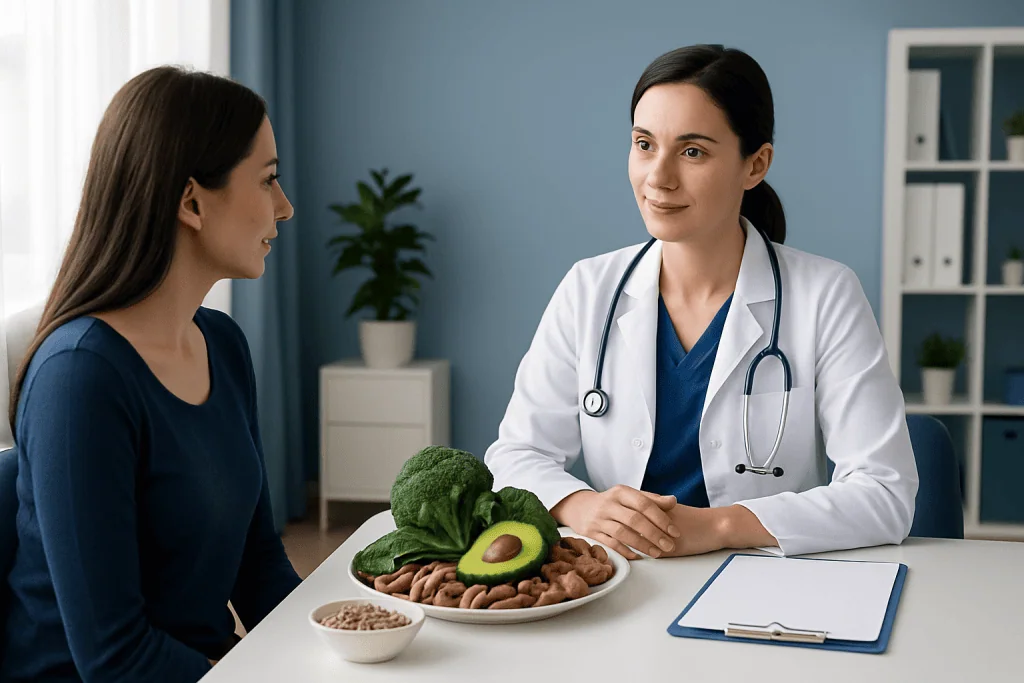
Vitamin E is best understood as an essential nutrient rather than a cure-all. Its most established function is helping protect cells from oxidative stress. It also contributes to normal immune function and helps maintain the health of nerves, muscles, and red blood cells.
Evidence clearly supports vitamin E intake for preventing deficiency. In people who do not absorb fat normally, deficiency can affect the nervous system, muscles, and vision over time. In these settings, medical treatment and nutritional support are important. Conditions that interfere with absorption may include chronic pancreatic disease, liver or bile disorders, and some intestinal diseases such as Crohn’s disease.
Where evidence is more limited is in disease prevention through supplements. Although vitamin E has antioxidant properties, research has not consistently shown that high-dose supplements reduce the risk of cardiovascular disease, cancer, age-related cognitive decline, or other chronic illnesses in otherwise well-nourished adults. Food patterns rich in plant foods may be beneficial, but this does not mean isolated vitamin E pills provide the same effect.
In eye health, some specific supplement combinations have been studied for particular retinal conditions, but these are not general recommendations for everyone. A person considering vitamin E for a diagnosed eye or nerve disorder should seek specialist advice rather than self-prescribing. Broader concerns such as diabetes or cardiovascular risk should also be managed with individualized medical care instead of supplement-focused assumptions.
Who may be at risk of low vitamin E
Vitamin E deficiency is uncommon in healthy people who eat a varied diet. It is more often linked to conditions that impair the digestion or absorption of fats, because vitamin E needs fat for absorption. This means that the question is often not only “how much vitamin E is in the diet,” but also “can the body absorb it properly?”
Groups that may be at higher risk include people with fat-malabsorption syndromes, certain liver or pancreatic disorders, some inherited conditions affecting lipid transport, and people with severe long-term dietary restriction. Digestive and malabsorption problems such as celiac disease may also contribute in some cases, especially if nutrient intake is limited or intestinal healing is incomplete.
Possible signs of deficiency may include muscle weakness, poor coordination, balance problems, numbness or tingling, vision changes, and reduced immune resilience. These symptoms are not specific to vitamin E deficiency and can have many causes, so they should not be self-diagnosed. A clinician may recommend blood tests and further assessment if deficiency is suspected.
Infants born prematurely and people with complex chronic illnesses may need closer nutritional monitoring. In these situations, treatment may involve diet changes, targeted supplementation, or management of the underlying digestive problem rather than simply adding over-the-counter vitamins.
Supplements, side effects, and interactions
For most adults, vitamin E supplements are not necessary if the diet is adequate. Supplements may be appropriate when a doctor confirms deficiency or when a medical condition limits absorption. The main reason for caution is that more is not always better with fat-soluble vitamins, which can accumulate in the body.
High-dose vitamin E supplements can increase the risk of bleeding, especially in people who take anticoagulants or antiplatelet medicines. They may also cause stomach upset, nausea, diarrhea, headache, or fatigue in some people. Because supplements can affect treatment decisions, patients should tell their healthcare team about all vitamins, herbals, and over-the-counter products they use.
People preparing for surgery, those with a bleeding disorder, and those taking blood thinners should not start vitamin E supplements without medical advice. This is particularly important when care involves cardiology or vascular treatment. If a person is already under evaluation for circulatory concerns, broader assessment such as cardiology check-up may be more useful than self-starting supplements.
Vitamin E can also overlap with the effects of other supplements that influence clotting, such as fish oil, garlic, or ginkgo. The safest approach is to view supplements as medical products with potential risks and interactions, not as harmless additions to any diet.
How to add vitamin E-rich foods safely and practically
A practical way to increase vitamin E intake is to build it into ordinary meals rather than seeking special products. A breakfast with fortified cereal and nuts, a salad dressed with a moderate amount of vegetable oil, or a snack of almonds or sunflower seeds can all contribute. Pairing vitamin E foods with a varied eating pattern also supports intake of fiber, unsaturated fats, and other micronutrients.
For people with digestive disease, food choices may need to be individualized. Nuts and seeds are nutritious, but they may be difficult for some people during symptom flares or after certain gastrointestinal procedures. In that setting, a clinician or dietitian may suggest gentler alternatives, fortified foods, or an evaluation through gastroenterology if ongoing symptoms interfere with nutrition.
People with food allergies, chronic kidney disease, or medically restricted diets should not assume that all vitamin E-rich foods are suitable for them. For example, nuts may be inappropriate in allergy, and some high-fat foods may not fit every digestive plan. When there is uncertainty, professional dietary advice is safer than relying on generalized internet lists.
It can also help to focus on overall dietary patterns instead of one nutrient in isolation. Meals that include vegetables, legumes, whole grains, healthy fats, and appropriate protein support nutrition more reliably than chasing very high intakes of a single vitamin.
When to seek medical care
Medical advice is appropriate if a person has symptoms that could suggest a nutritional problem, especially unexplained numbness, tingling, muscle weakness, poor balance, vision changes, or persistent fatigue. These symptoms can have many causes, including neurological, metabolic, and digestive conditions, so proper evaluation matters.
A doctor should also be consulted if there is chronic diarrhea, unintentional weight loss, greasy stools, known intestinal disease, pancreatic disease, or liver disease. In these situations, low vitamin E may be one part of a broader absorption problem that needs diagnosis and treatment. Evaluation may include blood testing, review of medications, and investigation of underlying conditions.
People taking blood thinners, those with easy bruising or unexplained bleeding, and anyone planning surgery should ask a doctor before using vitamin E supplements. If nutrition concerns are part of a more complex condition, coordinated care may involve specialties such as internal medicine, gastroenterology, or endocrinology. Near the end of the care pathway, some patients also benefit from structured medical check-up services to review nutrition and chronic disease risks in context.
Acibadem International’s multidisciplinary specialists and JCI-accredited hospitals diagnose and treat nutritional and digestive conditions for international patients when more detailed evaluation is needed.
Frequently asked questions
What foods are highest in vitamin E?
Foods highest in vitamin E are usually sunflower seeds, almonds, hazelnuts, peanuts, and vegetable oils such as wheat germ, sunflower, and safflower oil. Avocado and leafy greens like spinach also provide useful amounts, though typically less than oils and seeds.
Is it better to get vitamin E from food or supplements?
For most people, food is the preferred source of vitamin E. Foods provide vitamin E along with other nutrients, fiber, and healthy fats, while high-dose supplements may cause side effects or interact with medicines.
What are the signs of vitamin E deficiency?
Possible signs include muscle weakness, poor coordination, numbness or tingling, balance problems, and vision changes. These symptoms are not specific to vitamin E deficiency, so a doctor should assess them rather than relying on self-diagnosis.
Can too much vitamin E be harmful?
Yes, especially when it comes from supplements rather than food. High supplemental doses can increase bleeding risk and may be unsafe for people taking anticoagulants, antiplatelet medicines, or those preparing for surgery.
Who should be careful with vitamin E supplements?
People on blood thinners, those with bleeding disorders, and anyone scheduled for surgery should be cautious. Individuals with chronic illness, multiple medications, or known digestive absorption problems should also ask a clinician before taking supplements.
Do foods high in vitamin E prevent heart disease or cancer?
A diet rich in plant foods is associated with good overall health, but that does not mean vitamin E alone prevents major diseases. Research has not consistently shown that vitamin E supplements reduce the risk of heart disease, cancer, or cognitive decline in the general population.
This article is for general information only and is not a substitute for professional medical advice. Please consult a qualified doctor about your individual situation.
Explore treatments in Turkey — costs, top hospitals & a free quote
JCI-accredited · board-certified surgeons · reply within 24h
Add us as a Preferred Source to see more of our trusted health content across Google Search, AI Overviews and Discover.
Check your numbers in seconds
BMI, calories, due date, blood pressure and 30+ more clinical calculators — free, instant, doctor-reviewed ranges.

More from the Health Library

Parsnips Food Value: Benefits, Risks, and Safe Use

Tmg Supplement: Benefits, Risks, and Safe Use

Foods High in Magnesium: What the Clinical Research Actually Says

Foods with Msg in: Evidence-Based Benefits, Risks, and Practical Guidance

Vitamin B12: Benefits, Risks, and Safe Use