Infrared Sauna: An Evidence-Based Guide for Patients

Infrared sauna heats the body with radiant energy rather than mainly heating the surrounding air. Some people use infrared sauna for relaxation, short-term muscle and joint comfort, and a sense of well-being.
Key Takeaways
- Infrared sauna heats the body with radiant energy rather than mainly heating the surrounding air.
- Some people use infrared sauna for relaxation, short-term muscle and joint comfort, and a sense of well-being.
- Research is still developing, so infrared sauna should not replace medical treatment for chronic disease.
- Heat exposure can be risky for people with heart disease, low blood pressure, pregnancy, dehydration, or certain medications.
- Safe use includes limiting session time, drinking fluids, avoiding alcohol, and stopping if symptoms occur.
An infrared sauna uses radiant heat to warm the body more directly than a traditional sauna, often at a lower air temperature. It may support relaxation and temporary relief of muscle soreness for some people, but evidence is mixed, and safe use depends on a person’s health, medications, hydration, and heat tolerance.
Overview: what an infrared sauna is and what it may do
An infrared sauna is a heat-based wellness therapy that uses infrared radiant energy to warm the body more directly than a traditional sauna. Because the heat is delivered differently, the room temperature is usually lower than in a conventional sauna, even though many people still feel they are sweating deeply. For patients, the key question is not whether it feels intense, but whether it is safe, appropriate, and likely to offer meaningful benefit for their goals.
Current evidence suggests that infrared sauna may help some people feel relaxed, improve comfort after exercise, and temporarily ease mild muscle or joint soreness. Some small studies have also explored possible effects on circulation, recovery, and well-being. However, the quality of evidence varies, results are not the same for everyone, and infrared sauna should not be viewed as a cure or a substitute for standard medical care.
Patients often ask whether infrared sauna “detoxifies” the body. The body’s main detoxification systems are the liver, kidneys, lungs, and digestive tract. Sweating can help regulate body temperature, but claims that infrared sauna removes large amounts of toxins or treats serious disease are not strongly supported by high-quality clinical evidence.
How infrared sauna differs from a traditional sauna
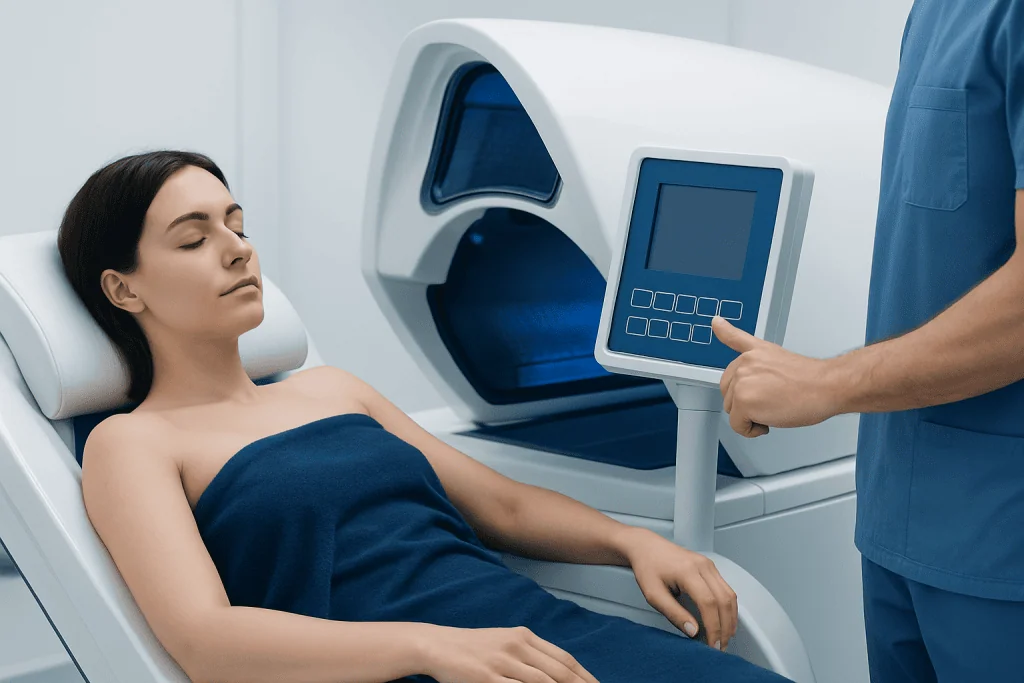
Traditional saunas mainly heat the air around the body, usually to a high temperature. In contrast, an infrared sauna uses panels or emitters that produce infrared energy, which is absorbed at the skin surface and contributes to a warming sensation with lower ambient air heat. Many users find this more tolerable, especially if they are uncomfortable in very hot, dry environments.
Lower room temperature does not always mean lower physiologic stress. The body still responds to heat by increasing skin blood flow, sweating, and heart rate. For some people, that can feel pleasant and calming. For others, especially those with medical conditions, it can trigger dizziness, dehydration, lightheadedness, or worsening symptoms.
There are different types of infrared systems, often described as near, mid, or far infrared. From a patient perspective, these categories matter less than practical safety: device quality, temperature control, ventilation, cleanliness, and supervision. A medically safe heat experience depends more on individual health status and sensible use than on marketing terms.
- Traditional sauna: hotter air, often higher humidity or very dry heat depending on the style.
- Infrared sauna: lower room temperature, direct radiant heating sensation.
- Both can cause sweating, fluid loss, and cardiovascular strain in susceptible people.
Possible benefits: what the evidence supports and what remains uncertain

The most consistent reason people use infrared sauna is simple: it may help them relax. Heat can reduce the sense of tension, support rest after physical activity, and provide temporary comfort for tight muscles. Some people with mild aches report short-term symptom relief, much like they may with a warm bath, heating pad, or other forms of heat therapy.
Researchers have also studied heat exposure for exercise recovery, chronic pain symptoms, and cardiovascular responses. Some findings are encouraging, but many studies are small, short-term, or involve selected patient groups. That means the results cannot automatically be generalized to everyone. Patients with persistent pain, arthritis, or fatigue should use sauna as a supportive measure only after discussing it with a qualified clinician.
There is also interest in whether heat therapy may improve circulation or support people who are unable to exercise fully. While heat can temporarily increase blood flow and may produce effects similar to mild cardiovascular stress, it does not replace regular physical activity, rehabilitation, or treatment for conditions such as high blood pressure. If symptoms suggest an underlying condition, proper evaluation is more important than self-treatment with heat.
Claims related to weight loss should be interpreted carefully. Infrared sauna can cause temporary water loss through sweating, which may change body weight briefly, but that is not the same as reducing body fat. Sustainable weight management depends on nutrition, movement, sleep, and medical guidance when needed.
Risks, side effects, and who should be cautious
The main risks of infrared sauna are heat-related. These include dehydration, low blood pressure, dizziness, weakness, nausea, headache, and fainting. Risk rises when sessions are too long, the temperature is too high, fluid intake is poor, or the person has been drinking alcohol or exercising intensely beforehand.
People with cardiovascular disease should be particularly careful. Heat can increase heart rate and shift blood flow, which may be poorly tolerated in some individuals with coronary artery disease, rhythm problems, heart failure, or unstable blood pressure. Anyone with chest discomfort, unexplained shortness of breath, or known heart disease should ask a doctor before using an infrared sauna. In some cases, a formal cardiology assessment may be appropriate.
Other groups who should seek medical advice first include people who are pregnant, older adults who are frail, people with kidney disease, those prone to fainting, and anyone with fever or an acute infection. Patients with nerve disorders that reduce heat sensation may not recognize overheating early. People with skin conditions, burns, open wounds, or recent procedures may also need to avoid sauna until healing is complete.
Medication use matters. Diuretics, some blood pressure medicines, sedatives, stimulants, and drugs that affect sweating or temperature regulation can change heat tolerance. Alcohol and recreational drugs further increase risk. If a person is unsure whether a health condition or medication makes sauna unsafe, it is sensible to review it with a healthcare professional rather than relying on general advice alone.
How to use an infrared sauna more safely
For most healthy adults who tolerate heat well, safer use begins with moderation. Sessions should start short and at a comfortable temperature rather than pushing for maximum sweating. Drinking water before and after the session is important, and people should leave the sauna immediately if they feel dizzy, unwell, overheated, or short of breath.
It is generally wise to avoid using an infrared sauna when ill, dehydrated, after alcohol use, or right after strenuous exercise without first cooling down and rehydrating. Heavy meals immediately beforehand may also make some people feel uncomfortable. A cool-down period afterward can reduce the chance of lightheadedness when standing up.
Cleanliness and equipment quality also matter. Patients should choose facilities that maintain the sauna properly, provide clear instructions, and do not encourage unsafe practices. Burns are uncommon but possible if heating elements are exposed, if the device malfunctions, or if skin has reduced sensation. Any home sauna should be used according to the manufacturer’s instructions and with appropriate ventilation and electrical safety.
- Start with shorter sessions and increase only if well tolerated.
- Drink fluids before and after each session.
- Avoid alcohol, recreational drugs, and overheating.
- Stop immediately for dizziness, chest pain, nausea, severe weakness, or confusion.
Infrared sauna in the context of medical care
Infrared sauna may be one part of a broader comfort or wellness routine, but it works best when expectations are realistic. For muscle stiffness after activity, it may be used alongside stretching, rest, and physical recovery strategies. For ongoing pain or reduced mobility, structured care such as physical therapy and rehabilitation is often more effective and better supported by evidence.
Patients should be careful about using sauna to self-manage unexplained symptoms. Fatigue, chronic pain, dizziness, exercise intolerance, or swelling may point to conditions that need diagnosis. Heat may briefly mask discomfort without addressing the cause. Depending on symptoms, a doctor may recommend evaluation, imaging, laboratory tests, or specialist care such as a medical check-up.
For people with chronic disease, the right question is not simply “Is infrared sauna good?” but “Is it appropriate in my situation?” A clinician can help weigh possible benefits against hydration status, cardiovascular fitness, medications, and skin or neurological issues. Near the end of a patient’s decision-making process, it can also help to discuss whether there are safer or more effective alternatives for the desired goal.
Acibadem International’s multidisciplinary specialists in JCI-accredited hospitals diagnose and treat a wide range of conditions for international patients, and they can advise when supportive wellness practices fit safely within a person’s overall care plan.
When to seek medical care
Medical advice is recommended before using an infrared sauna if a person has heart disease, kidney disease, low blood pressure, pregnancy, recurrent fainting, a heat-sensitive neurological condition, or takes medicines that affect hydration or temperature regulation. Professional guidance is also sensible for anyone with persistent pain, severe fatigue, or symptoms that remain unexplained.
Urgent medical care may be needed if symptoms develop during or after a session, especially chest pain, severe shortness of breath, fainting, confusion, one-sided weakness, palpitations that do not settle, or signs of heat illness such as vomiting and inability to cool down. These symptoms should not be assumed to be a normal sauna reaction.
Even milder symptoms deserve attention if they recur. Repeated dizziness, headaches, excessive fatigue, or swelling after heat exposure may signal dehydration, blood pressure changes, or an underlying health problem. In these situations, stopping sauna use and arranging a medical review is the safest next step.
Frequently asked questions
Is infrared sauna better than a traditional sauna?
Neither is universally better. Infrared sauna usually operates at a lower air temperature and may feel easier to tolerate, but both expose the body to heat and can cause dehydration or dizziness. The safer choice depends on a person’s health, preferences, and medical history.
Can infrared sauna help with pain?
It may provide short-term relief for some people with mild muscle tension, exercise soreness, or joint discomfort. However, it does not treat the underlying cause of chronic pain, and evidence is still limited for many pain conditions. Persistent or worsening pain should be assessed by a doctor.
Does infrared sauna detox the body?
The body mainly removes waste through the liver, kidneys, lungs, and digestive system. Sweating is important for cooling the body, but strong claims that infrared sauna removes significant toxins are not well supported by high-quality evidence. It is best viewed as a heat-based wellness practice rather than a detox treatment.
Can infrared sauna help with weight loss?
An infrared sauna can cause temporary water loss through sweating, which may reduce body weight briefly. This is not the same as losing body fat. Long-term weight management depends on eating habits, physical activity, sleep, and medical support when appropriate.
Who should avoid infrared sauna?
People who are pregnant, dehydrated, acutely ill, intoxicated, or prone to fainting should avoid sauna unless a clinician advises otherwise. Extra caution is also needed for those with heart disease, kidney disease, uncontrolled blood pressure, certain neurological conditions, or medications that affect heat tolerance.
How long should an infrared sauna session be?
There is no single session length that is right for everyone. It is usually safest to start with shorter sessions at a comfortable temperature and stop if any symptoms occur. A healthcare professional can give more individualized guidance for people with medical conditions.
References
- World Health Organization
- Centers for Disease Control and Prevention
- National Center for Complementary and Integrative Health
- American Heart Association
- Mayo Clinic
This article is for general information only and is not a substitute for professional medical advice. Please consult a qualified doctor about your individual situation.
Explore treatments in Turkey — costs, top hospitals & a free quote
JCI-accredited · board-certified surgeons · reply within 24h
Add us as a Preferred Source to see more of our trusted health content across Google Search, AI Overviews and Discover.
Check your numbers in seconds
BMI, calories, due date, blood pressure and 30+ more clinical calculators — free, instant, doctor-reviewed ranges.

More from the Health Library

Pneumonic: An Evidence-Based Guide for Patients

Octocrylene: An Evidence-Based Guide for Patients

White Tongue Indicates: What Patients Need to Know

Foot Bones — Explained by Medical Evidence, Not Myths

Tranexamic Acid: A Complete Medical Overview