Vasodilation: An Evidence-Based Guide for Patients

Vasodilation means blood vessels relax and widen, allowing blood to flow more easily. It can happen normally during exercise, warmth, digestion, and healing.
Key Takeaways
- Vasodilation means blood vessels relax and widen, allowing blood to flow more easily.
- It can happen normally during exercise, warmth, digestion, and healing.
- Symptoms may include warmth, flushing, headache, dizziness, or lower blood pressure when vasodilation is pronounced.
- Common triggers include heat, physical activity, medications, alcohol, inflammation, and some health conditions.
- Treatment depends on the cause; many cases need no treatment, while others require medical evaluation.
Vasodilation is the widening of blood vessels. It is often a healthy, normal response that helps regulate blood flow, body temperature, and oxygen delivery, but in some situations it can contribute to symptoms or reflect an underlying medical condition.
Overview: What vasodilation means
Vasodilation is the widening of blood vessels caused by relaxation of the muscular wall of the vessels, especially the arteries and arterioles. In simple terms, the vessel opens more, blood flows through it more easily, and resistance inside the circulation decreases. This process is one of the body’s normal tools for maintaining balance.
In everyday life, vasodilation helps deliver oxygen and nutrients to tissues, remove waste products, and regulate body temperature. It often happens during exercise, after eating, in warm environments, and during the body’s response to inflammation or injury. On its own, vasodilation is not a disease.
However, vasodilation can sometimes produce noticeable symptoms, particularly if blood pressure drops or blood flow is redirected in a way that causes discomfort. It may also occur as part of a medical problem such as infection, allergic reactions, certain hormonal conditions, or circulation disorders. Understanding the context is important because the same body process can be normal in one situation and concerning in another.
How vasodilation works in the body
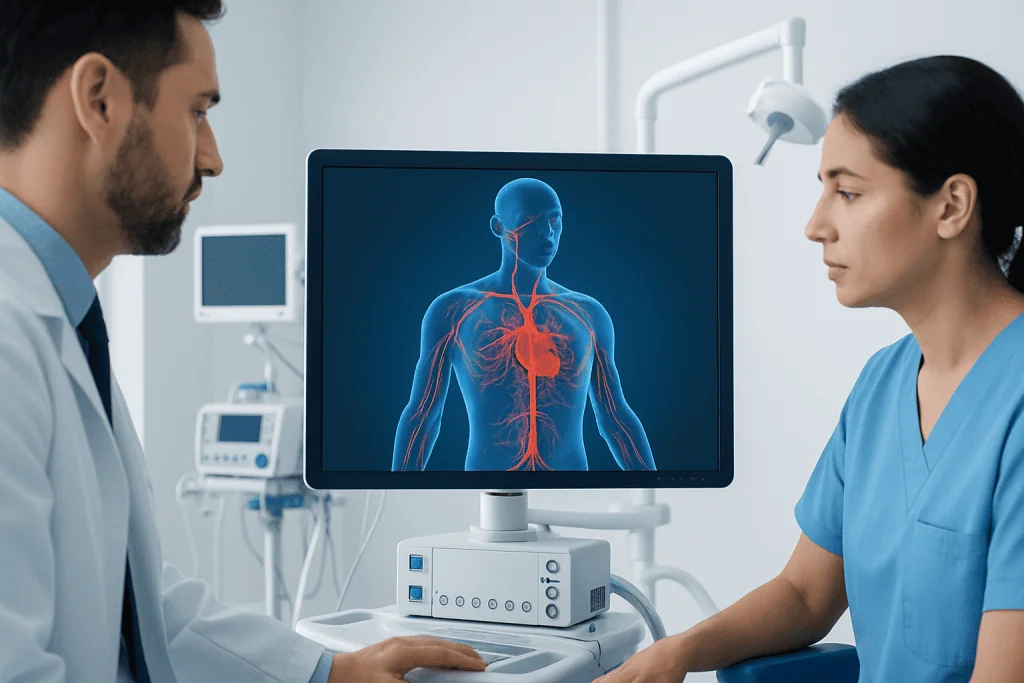
Blood vessels constantly adjust their width to meet the body’s needs. This is controlled by signals from the nervous system, hormones, and chemicals made by the vessel lining, called the endothelium. One of the best-known of these chemicals is nitric oxide, which tells the vessel wall to relax.
When vessels dilate, blood pressure in that area may decrease while blood flow to the tissues can increase. For example, skin blood vessels widen in hot weather to release heat, while blood vessels in active muscles open during exercise so that more oxygen can be delivered. After a meal, vessels supplying the digestive system may also dilate to support digestion.
Vasodilation is closely linked with the opposite process, vasoconstriction, which narrows blood vessels. Good health depends on a balanced ability to switch between these states. When this control is impaired, circulation-related problems may develop, sometimes alongside conditions such as high blood pressure or atherosclerosis.
Symptoms and signs that may occur

Many people do not notice vasodilation at all. When symptoms do appear, they often reflect increased blood flow near the skin or a temporary drop in blood pressure. Common experiences include warmth, flushing of the face or skin, a feeling of heat, mild headache, or visible redness.
More pronounced vasodilation can lead to lightheadedness, dizziness, weakness, or fainting, especially when standing up quickly or when dehydration is present. Some people describe a throbbing sensation, nasal congestion, or a sensation of pressure in the head. If the skin vessels are involved, sweating may occur alongside flushing.
Symptoms vary depending on the cause and which blood vessels are affected. For example, migraine can involve changes in blood vessel behavior and nerve signaling, while severe infection or allergic reactions may cause widespread vasodilation with dangerously low blood pressure. Symptoms that are sudden, severe, or associated with chest pain, breathing difficulty, confusion, or collapse should never be ignored.
- Warmth or skin flushing
- Redness of the face or chest
- Headache or throbbing
- Dizziness or lightheadedness
- Low blood pressure symptoms, including fainting
Common causes and risk factors
Vasodilation has many possible triggers, and not all are harmful. Heat exposure, exercise, emotional stress, spicy foods, alcohol, and hot baths can all widen blood vessels. These are common reasons for temporary flushing or a warm feeling and usually improve once the trigger passes.
Medications are another frequent cause. Some drugs are designed to widen blood vessels to improve circulation or lower blood pressure, including vascular treatments used to restore blood flow in selected patients and medicines prescribed for angina, hypertension, or erectile dysfunction. Other medications, including some used for headaches or hormonal symptoms, may also affect vessel tone.
Inflammation and illness can produce vasodilation through immune signals released in the body. Fever, infection, allergic reactions, and skin conditions such as rosacea may all contribute. Hormonal changes in menopause, thyroid disorders, liver disease, autonomic nervous system dysfunction, and severe systemic reactions such as sepsis can also be involved. In some people, underlying vascular disease, dehydration, or prolonged standing may make symptoms more noticeable.
How doctors evaluate vasodilation-related symptoms
Doctors do not usually diagnose vasodilation as a stand-alone illness. Instead, they assess why it is happening and whether it is a normal response or part of another condition. The evaluation often begins with a discussion of symptoms, triggers, current medications, blood pressure patterns, hydration, alcohol intake, and any personal history of heart, vascular, hormonal, or allergic conditions.
A physical examination may include checking blood pressure while lying, sitting, and standing; examining the skin; listening to the heart and lungs; and looking for signs of infection, dehydration, or circulation problems. Depending on the situation, blood tests may be ordered to check for inflammation, anemia, thyroid problems, infection, or organ function.
When doctors suspect an underlying circulation disorder, imaging or specialist testing may be recommended. These may include vascular ultrasound, echocardiography, or other cardiovascular assessments. If symptoms suggest a blood vessel problem in the limbs or neck, a person may be evaluated for conditions such as carotid artery disease. In some cases, consultation with cardiology, neurology, dermatology, allergy, or internal medicine is appropriate.
Treatment options and symptom management
Treatment for vasodilation depends on the cause. If it is a normal response to heat or exercise, no medical treatment is needed. Cooling down, drinking fluids, resting, and avoiding known triggers are often enough. When symptoms are related to medications, a doctor may review whether a dose adjustment or a different treatment is appropriate.
If vasodilation is part of an underlying condition, that condition is the main treatment target. Infections, allergic reactions, hormonal disorders, circulation problems, or inflammatory diseases each require different approaches. People with low blood pressure symptoms may be advised to improve hydration, stand up more gradually, and avoid overheating, but this should be guided by a clinician if symptoms are frequent or severe.
For circulation disorders that reduce blood flow despite the body’s attempts to regulate vessel tone, specialist care may be needed. Depending on the diagnosis, treatment can include medicines, lifestyle measures, or procedures such as coronary angiography to investigate heart-related circulation issues or varicose veins treatment when vein disease contributes to symptoms. Near the end of the care pathway, patients seeking international evaluation may also choose centers such as Acibadem International, where multidisciplinary specialists in JCI-accredited hospitals diagnose and treat vascular and related conditions.
Self-care, prevention, and daily habits
Because vasodilation is often a normal body response, prevention is not always necessary. Instead, practical self-care focuses on reducing uncomfortable symptoms and supporting healthy circulation. Staying well hydrated, dressing appropriately for the weather, and avoiding excessive heat can help limit flushing and lightheadedness in sensitive individuals.
Regular physical activity supports blood vessel health over time, even though exercise briefly increases vasodilation during the activity itself. A balanced diet, good sleep, stress management, and not smoking are also important for the health of the endothelium and the cardiovascular system. If alcohol or spicy foods consistently trigger symptoms, limiting them may help.
People who take medicines that affect blood pressure or blood vessels should use them exactly as prescribed and should not stop them suddenly without medical advice. Keeping a symptom diary can be helpful when symptoms are recurring. Recording what happens before flushing, headaches, dizziness, or fainting can help a doctor identify patterns and possible triggers.
When to seek medical care
Medical advice is appropriate if symptoms are frequent, worsening, unexplained, or interfering with daily life. A person should arrange a medical review if flushing is accompanied by repeated dizziness, fainting, palpitations, severe headaches, rash, swelling, or unexplained blood pressure changes. Ongoing symptoms may point to a medication effect, hormonal issue, cardiovascular problem, or another condition that deserves attention.
Urgent care is needed if vasodilation-like symptoms occur with chest pain, shortness of breath, severe weakness, confusion, blue lips, signs of stroke, or collapse. Emergency help is also important if there is a severe allergic reaction with swelling of the face or throat, or if a person may have sepsis with fever, rapid breathing, and very low blood pressure. In these situations, prompt evaluation can be lifesaving.
Even when symptoms are mild, it is reasonable to speak with a qualified doctor if there is uncertainty about the cause. Patient-friendly assessment can help distinguish a normal body response from a condition that needs treatment and can provide reassurance along with a clear plan for follow-up.
Frequently asked questions
Is vasodilation good or bad?
Vasodilation is usually a normal and helpful body function. It improves blood flow, supports temperature control, and helps tissues get oxygen. It becomes a concern mainly when it causes troublesome symptoms or happens as part of an illness.
What does vasodilation feel like?
People may feel warmth, flushing, redness, or a mild throbbing sensation. If blood pressure drops, there may also be dizziness, weakness, or fainting. Some people do not feel anything at all.
Can dehydration make vasodilation symptoms worse?
Yes, dehydration can make lightheadedness and low blood pressure symptoms more noticeable. When the body has less fluid, it may be harder to maintain stable circulation. Drinking enough fluids is often a simple but important part of symptom management.
Do all blood pressure medicines cause vasodilation?
No, not all blood pressure medicines work the same way. Some lower blood pressure partly by widening blood vessels, while others act through different mechanisms. A doctor or pharmacist can explain how a specific medicine works.
Can vasodilation cause headaches?
It can contribute to headaches in some situations, especially when blood vessel changes happen alongside nerve signaling changes. However, headache has many possible causes, so it should not automatically be blamed on vasodilation alone. Persistent or severe headaches should be assessed by a clinician.
When should someone worry about flushing or dizziness?
Flushing or dizziness should be checked if it happens often, is severe, or occurs with fainting, chest pain, breathing trouble, rash, or swelling. These symptoms can sometimes indicate a reaction to medication, an allergic response, low blood pressure, or another medical issue. Sudden or severe symptoms need urgent care.
References
- American Heart Association
- National Heart, Lung, and Blood Institute
- Merck Manual Consumer Version
- Mayo Clinic
- World Health Organization
This article is for general information only and is not a substitute for professional medical advice. Please consult a qualified doctor about your individual situation.
Explore treatments in Turkey — costs, top hospitals & a free quote
JCI-accredited · board-certified surgeons · reply within 24h
Add us as a Preferred Source to see more of our trusted health content across Google Search, AI Overviews and Discover.
Check your numbers in seconds
BMI, calories, due date, blood pressure and 30+ more clinical calculators — free, instant, doctor-reviewed ranges.