Lice vs Dandruff: Key Differences and How Doctors Tell Them Apart
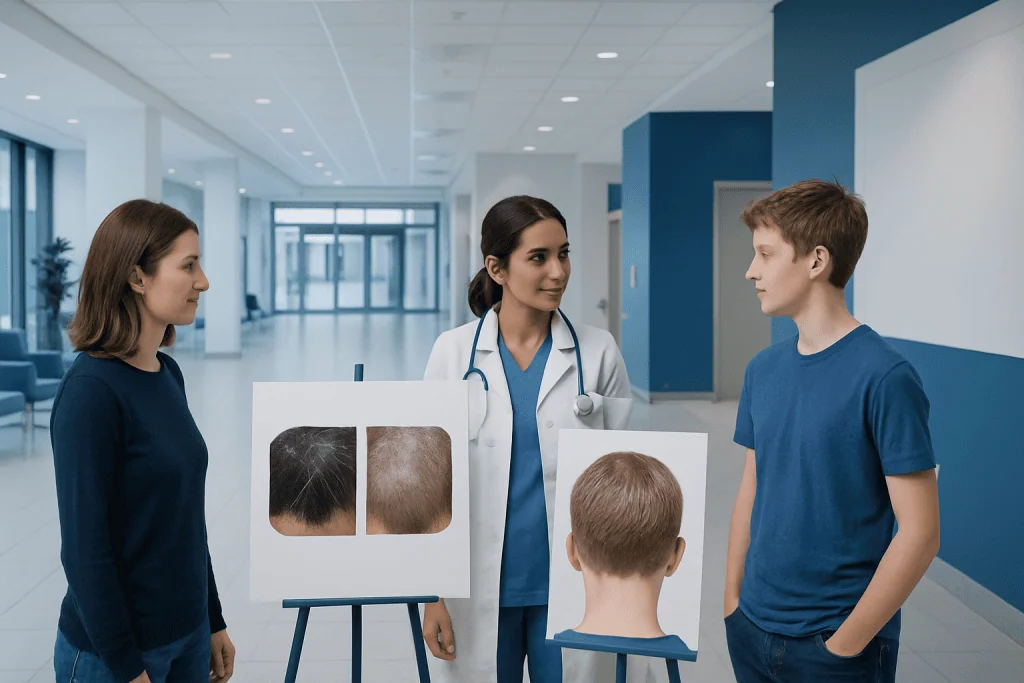
Dandruff causes loose white or yellowish flakes that typically come away from the scalp easily. Head lice cause itching and may leave nits that stick tightly to hair close to the scalp.
Key Takeaways
- Dandruff causes loose white or yellowish flakes that typically come away from the scalp easily.
- Head lice cause itching and may leave nits that stick tightly to hair close to the scalp.
- Doctors distinguish lice from dandruff by examining the scalp, hair shafts, and common hiding areas under good light.
- Treatment is different for each condition, so it is helpful to confirm the cause before starting care.
- Medical advice is important if symptoms persist, the scalp is inflamed, or home treatment is not working.
Lice vs dandruff can often be told apart by one key detail: dandruff flakes usually brush off easily, while lice eggs are firmly attached to hair shafts and live lice may move. A clinician confirms the difference with a careful scalp and hair examination, especially around the ears and the back of the neck.
Overview: lice vs dandruff at a glance
In most cases, lice vs dandruff comes down to whether the material on the hair is loose or attached. Dandruff consists of skin flakes from the scalp, so it usually falls onto the shoulders or comes off when touched. Lice involve either live insects or eggs called nits, and nits are typically glued to the hair shaft and do not slide off easily.
Both conditions can cause an itchy scalp, which is why people sometimes confuse them. However, they have different causes, different examination findings, and different treatments. Doctors look not only at the flakes or particles themselves, but also at where they are found, how firmly they are attached, and whether there are signs of inflammation or scratching.
The table below highlights the main differences doctors use in everyday practice.
- Cause: Dandruff is related to scalp irritation and flaking; lice are a parasitic infestation.
- What is seen: Dandruff looks like loose flakes; lice may appear as moving insects or fixed nits on hair.
- Attachment: Dandruff brushes away easily; nits stick tightly to hair shafts.
- Location: Dandruff may be widespread; lice and nits are often most noticeable behind the ears and near the nape of the neck.
- Itching: Both can itch, but lice-related itching often results from sensitivity to louse bites.
- Spread: Dandruff is not contagious; head lice can spread through close head-to-head contact.
- Treatment: Dandruff is managed with scalp care and medicated shampoos when needed; lice require targeted anti-lice treatment and careful nit removal.
What dandruff and head lice look and feel like
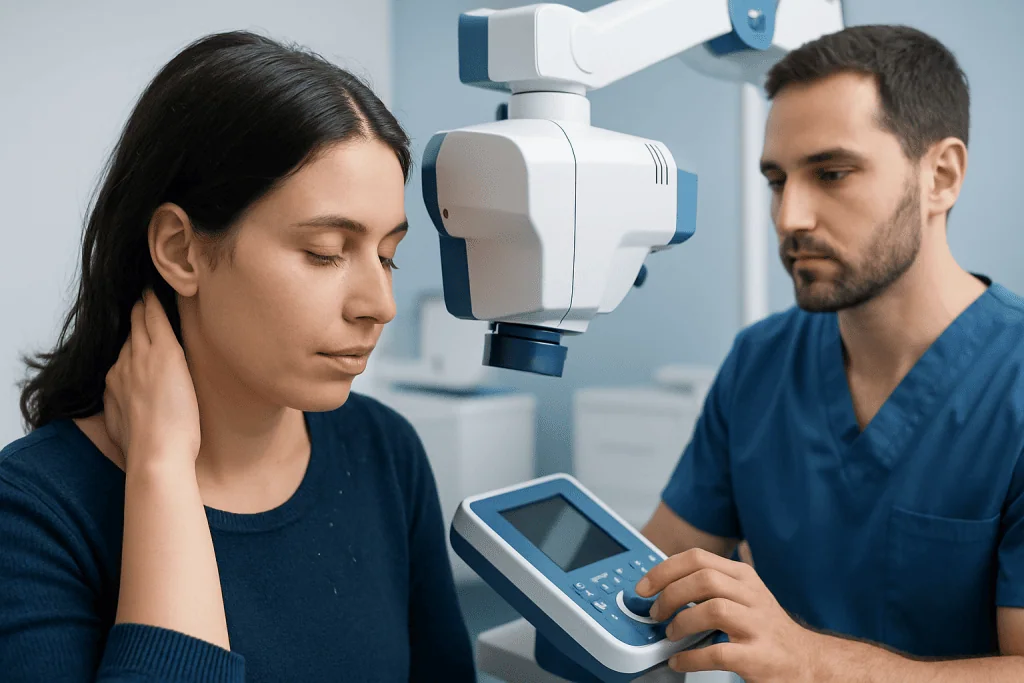
Dandruff usually appears as white or yellowish flakes on the scalp, in the hair, or on clothing. The scalp may feel dry or irritated, and some people also have mild redness. Flaking may become more noticeable in dry weather or during periods of stress, and it can overlap with a common scalp condition called seborrheic dermatitis.
Head lice are tiny insects that live on the scalp and feed on small amounts of blood. Some people see the live lice moving, but often the first clue is persistent itching, especially around the ears and the back of the neck. Nits are small oval eggs attached to individual hairs, usually close to the scalp where warmth helps them develop.
One practical difference is how the material behaves when touched. A dandruff flake often lifts away with a fingertip or comb. A nit, by contrast, tends to remain fixed in place and may need to be pulled along the hair shaft with some effort.
It is also important to remember that not every itchy or flaky scalp is caused by dandruff or lice alone. Dry scalp, eczema, psoriasis, contact irritation from hair products, and scalp infection can all produce overlapping symptoms, which is why a careful assessment matters if the diagnosis is uncertain.
How a clinician tells them apart
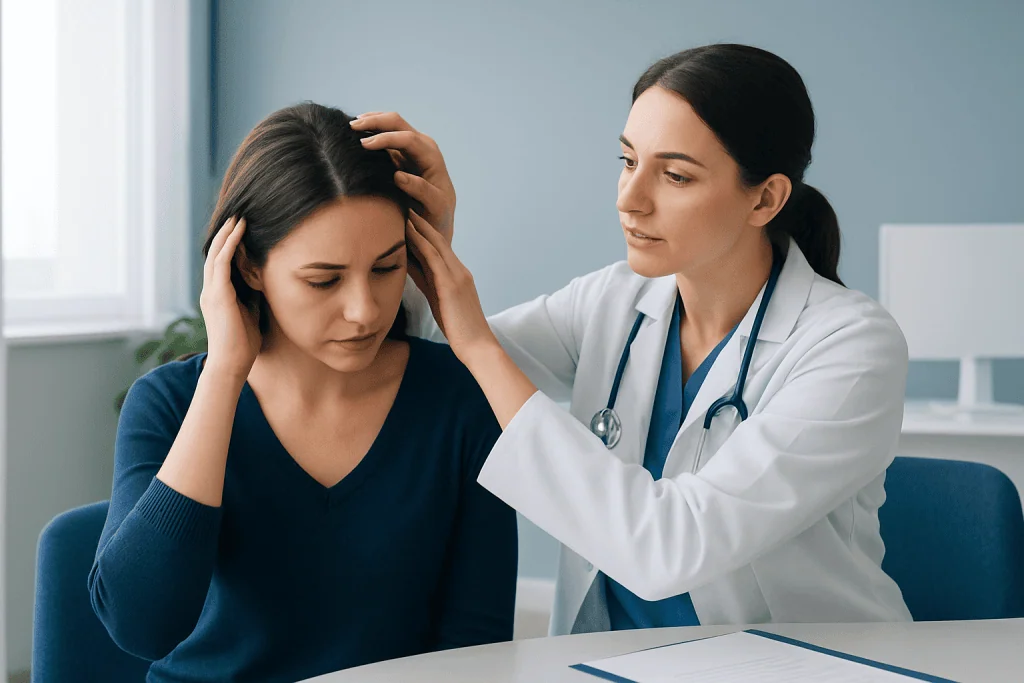
Doctors do more than simply ask whether the scalp is itchy. They begin by asking when the symptoms started, whether anyone else in the household has itching or visible lice, what hair products have been used, and whether there is a history of skin conditions. This clinical context helps narrow the cause before the scalp is even examined.
During the examination, the clinician inspects the scalp under bright light and parts the hair in sections. Particular attention is given to the nape of the neck and behind the ears, where lice and nits are commonly found. A fine-toothed lice comb may be used to help detect moving lice, which confirms infestation more reliably than itching alone.
Texture and attachment are especially helpful clues. Dandruff flakes are irregular, superficial, and easily removed from the scalp or hair. Nits are more uniform in shape and are cemented to one side of the hair shaft. They do not flake off like dry skin.
If the scalp is very inflamed, scaly, or crusted, the doctor may also consider other skin disorders and may recommend a dermatology evaluation. In some cases, a specialist may assess for related scalp conditions or discuss broader dermatology care if the diagnosis remains unclear.
Why dandruff happens, and what increases the risk
Dandruff is not caused by poor hygiene. It is commonly linked to scalp irritation, increased shedding of skin cells, and in many people an overreaction to a yeast that normally lives on the skin. Oily skin, sensitivity to hair products, stress, and cold or dry weather can all make flaking more noticeable.
Some people are more prone to dandruff because of underlying skin conditions. Seborrheic dermatitis is a frequent cause, but eczema and psoriasis can also affect the scalp. If flaking is heavy, persistent, or associated with thick plaques or significant redness, a clinician may consider these possibilities rather than simple dandruff alone.
Hair and scalp habits can also influence symptoms. Infrequent washing may allow oil and flakes to build up, while harsh products may irritate the scalp and increase visible shedding. This does not mean a person caused the problem; rather, the scalp environment can make symptoms better or worse.
Because dandruff can resemble other skin disorders, some patients benefit from specialist assessment, especially if there is pain, oozing, or widespread rash. When scalp symptoms are part of a broader skin condition, doctors may also evaluate for related concerns such as psoriasis.
How head lice spread, and who gets them
Head lice are spread mainly through direct head-to-head contact. They do not jump or fly, but they move quickly from one hair strand to another during close contact. This is why they are common in school-aged children, households, and any setting where people spend time in close proximity.
Lice are not a sign of poor cleanliness. They can affect anyone, regardless of hair type, personal hygiene, or living situation. Although sharing hats, brushes, or hair accessories may occasionally contribute, direct contact is usually the main route of spread.
Once on the scalp, lice lay eggs close to the skin. These eggs hatch over time, so a person may continue to notice itching or new nits unless treatment addresses both live lice and remaining eggs. Scratching can irritate the scalp and sometimes lead to secondary skin infection.
If symptoms strongly suggest infestation, doctors may recommend targeted treatment and close household checks. Depending on the situation, care may include anti-lice products, nit combing, and advice on cleaning personal items that have had recent contact with the hair.
What to do for each case
If the problem is dandruff, initial care often focuses on scalp-friendly cleansing and reducing irritation. Gentle washing on a regular schedule may help remove flakes and excess oil. If symptoms continue, a clinician may suggest a medicated dandruff shampoo with ingredients chosen for flaking, oiliness, itching, or yeast-related irritation.
If the problem is head lice, treatment should specifically target the infestation. That usually includes an over-the-counter or prescription lice treatment as recommended by a doctor or pharmacist, followed by careful nit removal with a fine-toothed comb. Some people need repeat treatment, because newly hatched lice can appear after the first application if eggs survive.
It is best not to switch between multiple products without guidance, especially in children or people with sensitive skin. Using dandruff shampoo will not eliminate lice, and routine anti-lice products will not treat dandruff. Matching the treatment to the actual cause is the most efficient and least frustrating approach.
If scalp symptoms are severe, prolonged, or difficult to identify, broader evaluation may be useful. In selected cases, a clinician may involve specialists in skin and scalp treatment or, if irritation has led to significant hair shedding, discuss related assessment through hair loss evaluation and care.
Prevention and self-care
For dandruff, prevention usually centers on steady scalp care rather than strict avoidance measures. A regular hair-washing routine, products that suit the scalp type, and limiting harsh or heavily fragranced products may help reduce flare-ups. People who know they are prone to dandruff often do better by managing symptoms early rather than waiting until flaking becomes heavy.
For lice, prevention focuses on reducing close hair-to-hair spread and checking promptly when someone in the household has symptoms. Children can be taught to avoid sharing combs, brushes, hair accessories, hats, or pillows when possible. Household members should be checked if live lice are found in one person.
Cleaning measures should be practical rather than extreme. Washing recently used pillowcases, hats, and hair items can be helpful in confirmed lice cases, but extensive home decontamination is usually unnecessary. Lice survive best on the scalp, not in the environment.
Good self-care also includes avoiding repeated scratching, which can worsen irritation in both conditions. If the scalp becomes painful, raw, or swollen, a doctor should assess for infection or another diagnosis.
When to seek medical care
A medical review is appropriate if it is not clear whether the problem is lice, dandruff, or another scalp disorder. It is also wise to seek care if itching is intense, the scalp is very red or sore, there are open areas from scratching, or symptoms continue despite appropriate home treatment.
Children, people with very sensitive skin, and anyone who has repeated episodes may benefit from a formal diagnosis before trying multiple products. A clinician can also help if live lice continue to be found after treatment, which may suggest incorrect use, reinfestation, or resistance to a product.
Professional assessment matters when there is hair loss, thick scaling, pus, fever, or swollen lymph nodes, because these findings may point to infection or another inflammatory condition rather than simple dandruff. In those situations, treatment should be tailored to the underlying cause.
Near the end of the care pathway, some patients prefer specialist input for ongoing scalp concerns. Acibadem International’s multidisciplinary specialists in JCI-accredited hospitals diagnose and treat scalp and skin conditions for international patients when further evaluation is needed.
Frequently asked questions
Can dandruff look like lice eggs?
Yes, dandruff can sometimes resemble nits at first glance because both may appear as small white particles in the hair. The main difference is that dandruff flakes usually come off easily, while lice eggs stay firmly attached to the hair shaft.
How do doctors confirm head lice?
Doctors usually confirm head lice by finding a live louse or clearly attached nits during a close scalp exam. They may use bright light and a fine-toothed lice comb, especially around the ears and the back of the neck.
Does an itchy scalp always mean lice?
No. An itchy scalp can happen with dandruff, dry skin, eczema, psoriasis, product irritation, or head lice. Because several scalp conditions overlap, the cause is best judged by what is seen on the scalp and hair.
Can a person have both lice and dandruff at the same time?
Yes, it is possible to have both conditions together. In that situation, a clinician treats the lice infestation directly and may also recommend separate care for the dandruff or scalp irritation.
Will dandruff shampoo kill lice?
No, dandruff shampoo is not designed to kill head lice or destroy nits. If lice are present, a specific anti-lice treatment and nit removal plan are usually needed.
When should someone see a doctor instead of treating at home?
Medical advice is helpful if the diagnosis is uncertain, symptoms do not improve, or the scalp becomes painful, swollen, or infected-looking. A doctor should also be consulted if lice seem to persist after treatment or if there is notable hair loss or heavy scaling.
References
- American Academy of Dermatology
- Centers for Disease Control and Prevention
- National Health Service
- Mayo Clinic
- MedlinePlus
This article is for general information only and is not a substitute for professional medical advice. Please consult a qualified doctor about your individual situation.
Dandruff in Turkey — costs, top hospitals & a free quote
JCI-accredited · board-certified surgeons · reply within 24h
Add us as a Preferred Source to see more of our trusted health content across Google Search, AI Overviews and Discover.