Clonus: An Evidence-Based Guide for Patients

Clonus is a sign of increased reflex activity, not a diagnosis on its own. It most often affects the ankle but can also involve the knee, wrist, jaw, or other muscles.
Key Takeaways
- Clonus is a sign of increased reflex activity, not a diagnosis on its own.
- It most often affects the ankle but can also involve the knee, wrist, jaw, or other muscles.
- Common causes include conditions that affect the brain or spinal cord, certain medications, and severe metabolic problems.
- Diagnosis focuses on a neurological examination and tests to identify the underlying cause.
- Treatment depends on why clonus is happening and may include rehabilitation, medicines, or treatment of the triggering condition.
- New, worsening, or persistent clonus should be evaluated by a qualified doctor.
Clonus is a rhythmic, involuntary muscle jerking that usually happens when a muscle is suddenly stretched, most often at the ankle. It is not a disease itself, but a physical sign that can point to a problem affecting the brain, spinal cord, or the pathways that control muscle reflexes.
Overview: what clonus means
Clonus is a repeated, rhythmic pattern of muscle tightening and relaxing that can occur after a muscle is quickly stretched. Many people first hear the term when a clinician taps or flexes the foot upward during an examination and the foot beats several times. Although it can look dramatic, clonus is best understood as a neurological sign rather than a disease by itself.
In most cases, clonus suggests that the reflex pathways controlling muscle tone are more excitable than normal. This often happens when the upper motor neuron system is affected. These are the nerve pathways that carry signals from the brain and spinal cord to help control movement. When these pathways are disrupted, reflexes may become brisk, muscles may feel stiff, and clonus can appear.
Clonus can be temporary or persistent, mild or pronounced. A few brief beats may be seen in some settings, but sustained clonus usually deserves medical attention because it may reflect an underlying neurological problem or, less commonly, a medication-related reaction or metabolic disturbance.
What clonus feels and looks like
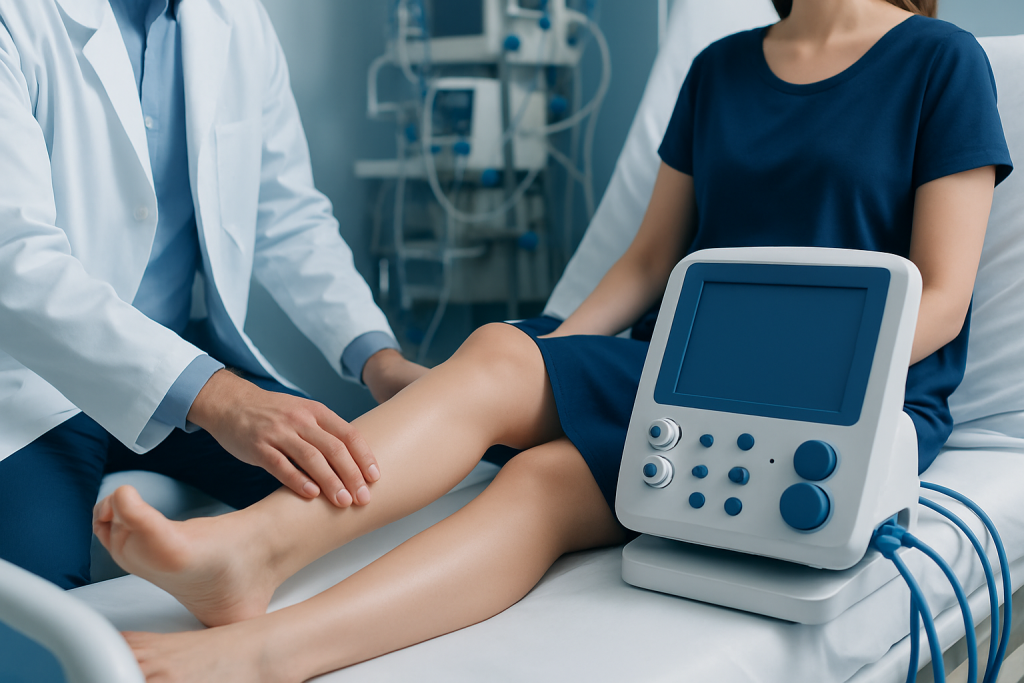
Clonus causes involuntary, repetitive jerking. It most commonly affects the ankle: when the foot is pushed upward, it may rapidly bounce up and down. The movement is typically rhythmic and may stop when the limb is repositioned or the stretch is released. Some people notice it only during an examination, while others feel shaking, stiffness, or loss of smooth control during daily activities.
Clonus may occur alongside other signs of increased muscle tone, such as spasticity, muscle tightness, exaggerated reflexes, leg stiffness, or difficulty with balance and walking. Depending on the cause, a person may also have weakness, numbness, bladder symptoms, tremor, or changes in speech or coordination.
Possible features that can accompany clonus include:
- Rhythmic jerking after sudden stretching of a muscle
- Ankle, knee, wrist, finger, or jaw involvement
- Muscle stiffness or spasms
- Brisk reflexes on examination
- Difficulty walking or controlling movement smoothly
- Other neurological symptoms, depending on the underlying condition
Clonus is different from common muscle twitching. Brief twitches, eyelid fluttering, or muscle cramps can happen for many everyday reasons. Clonus is more specifically linked to an overactive stretch reflex and usually has a distinct, repetitive pattern.
Why clonus happens: causes and risk factors

Clonus most often develops when there is irritation or damage involving the brain, spinal cord, or upper motor neuron pathways. Conditions that affect these pathways can reduce the normal inhibition of reflexes, allowing repetitive contractions to occur. This is why clonus is often discussed together with spasticity and hyperreflexia.
Neurological causes may include stroke, multiple sclerosis, spinal cord injury, cerebral palsy, traumatic brain injury, brain or spinal cord tumors, infections affecting the central nervous system, and neurodegenerative or inherited disorders that affect motor pathways. In some people, clonus appears as part of a broader movement or muscle tone problem, such as spasticity.
There are also non-structural causes. Some medications or drug interactions can contribute, especially when they increase serotonin activity and lead to serotonin toxicity, which can cause clonus together with agitation, sweating, fever, or confusion. Severe liver or kidney dysfunction, electrolyte disturbances, and other metabolic disorders can also increase neuromuscular excitability in certain situations.
Risk factors depend on the underlying cause but may include a history of neurological disease, recent spinal or brain injury, use of serotonergic medicines, severe infection, or unexplained new weakness or stiffness. Because clonus can signal a condition that needs treatment, it is important not to dismiss it as simple shaking.
How doctors diagnose clonus
Diagnosis begins with a careful medical history and neurological examination. A doctor will ask when the jerking started, whether it is constant or intermittent, what body parts are affected, and whether there are associated symptoms such as weakness, numbness, pain, bowel or bladder changes, fever, or medication changes. The pattern of symptoms often helps narrow the cause.
During the examination, the clinician checks muscle tone, strength, reflexes, coordination, sensation, and gait. Clonus is commonly tested at the ankle by quickly dorsiflexing the foot and observing whether repeated beats occur. The doctor will also look for related findings such as spasticity, a positive Babinski sign, or asymmetry between the two sides of the body.
Further testing depends on the suspected cause. This may include blood tests to look for infection, electrolyte imbalance, or metabolic issues, as well as imaging such as MRI of the brain or spinal cord. In some cases, doctors may recommend nerve or muscle testing, lumbar puncture, or specialist assessment in neurology to evaluate a possible central nervous system disorder.
The most important point is that diagnosis is not limited to confirming clonus itself. The goal is to identify why the reflex system has become overactive so treatment can be directed appropriately.
Treatment options and long-term management
There is no single treatment for clonus because care depends on the underlying cause. If clonus is due to a medication reaction, the medicine may need to be reviewed or adjusted by a doctor. If it is related to a neurological condition such as stroke, multiple sclerosis, or spinal cord disease, treatment focuses on that condition and on reducing muscle overactivity.
Management often includes physical therapy and rehabilitation to improve flexibility, positioning, strength, and mobility. Stretching, range-of-motion exercises, assistive devices, and gait training may help reduce the impact of clonus on daily life. For people with significant stiffness or functional limitation, a personalized physical therapy and rehabilitation plan can be an important part of care.
Doctors may also use medications that reduce spasticity or muscle overactivity when symptoms are troublesome. In selected cases, other treatments such as targeted injections, intrathecal therapies, or advanced management by specialists may be considered. When clonus is associated with structural problems in the spine or brain, more specific interventions can be needed, sometimes with input from neurosurgery teams.
Long-term outcomes vary. Some people have mild clonus that causes little disruption, while others need ongoing therapy to manage movement, comfort, and independence. A multidisciplinary approach can be helpful, especially when clonus occurs together with weakness, spasticity, or complex neurological symptoms.
Daily life, self-care, and prevention
Clonus itself cannot always be prevented, especially when it results from a neurological condition. Still, practical self-care steps may reduce discomfort and improve safety. Following the treatment plan, attending rehabilitation sessions, and taking medicines exactly as prescribed are important. People should not stop or change neurological or psychiatric medicines without medical advice.
At home, it can help to avoid triggers that worsen muscle tightness, such as prolonged immobility, poor positioning, or missing stretching routines recommended by a therapist. Safe movement strategies, supportive footwear, and fall-prevention measures are also useful if ankle clonus affects balance or walking.
General health measures matter as well. Staying hydrated, managing chronic conditions, seeking prompt care for infections, and keeping regular follow-up appointments may help prevent complications that can worsen neuromuscular symptoms. If a new medicine appears to coincide with shaking, stiffness, or altered mental status, that should be reviewed promptly with a doctor.
For people living with chronic neurological illness, self-monitoring can be valuable. Noting when clonus occurs, how long it lasts, and whether it is linked to fatigue, illness, or medication changes can provide useful information for the care team.
When to seek medical care
New or unexplained clonus should be assessed by a medical professional, especially if it is persistent, one-sided, or accompanied by weakness, numbness, trouble walking, or increasing muscle stiffness. A person should also seek care if clonus starts after a head injury, spinal injury, recent infection, or a change in medication.
Urgent medical attention is important if clonus occurs together with fever, agitation, confusion, severe sweating, diarrhea, rapid heart rate, or muscle rigidity, particularly after taking antidepressants or other serotonergic medications. These features can suggest serotonin toxicity or another acute medical emergency.
Emergency evaluation is also warranted if clonus appears along with sudden facial droop, speech difficulty, severe headache, vision changes, or sudden weakness, as these symptoms may point to stroke or another serious neurological event. Early assessment can help identify treatable causes and support safer recovery.
Near the end of the care pathway, some patients may benefit from coordinated specialist input. Acibadem International’s multidisciplinary specialists at JCI-accredited hospitals diagnose and treat neurological conditions for international patients when advanced evaluation or rehabilitation is needed.
Frequently asked questions
Is clonus a disease?
No. Clonus is a clinical sign, not a disease on its own. It usually indicates increased reflex activity, often because of a problem affecting the brain, spinal cord, or related nerve pathways.
What is the difference between clonus and a muscle twitch?
A muscle twitch is usually brief, irregular, and may happen for many benign reasons such as fatigue or caffeine. Clonus is typically rhythmic, repetitive, and triggered by stretching a muscle, which makes it more suggestive of a neurological issue.
Can anxiety cause clonus?
Anxiety can cause shakiness, trembling, and muscle tension, but it does not usually cause true clonus. If rhythmic jerking is persistent or appears during a neurological examination, a doctor should assess it to rule out other causes.
Does ankle clonus always mean a serious problem?
Not always, but it should not be ignored, especially if it is sustained or accompanied by other neurological symptoms. The significance depends on the examination findings, the person’s overall health, and whether there is an identifiable underlying condition.
Can clonus go away?
Yes, in some cases clonus improves when the underlying cause is treated, such as a medication reaction or a reversible metabolic problem. In chronic neurological conditions, it may persist but often can be managed to reduce its impact on comfort and function.
Which doctor treats clonus?
Clonus is often evaluated by a neurologist, but care may also involve rehabilitation specialists, physiatrists, neurosurgeons, or primary care doctors depending on the cause. The right specialist is determined by the broader pattern of symptoms and test results.
References
- National Institute of Neurological Disorders and Stroke
- National Institute for Health and Care Excellence
- Merck Manual Professional Edition
- Mayo Clinic
- MedlinePlus
This article is for general information only and is not a substitute for professional medical advice. Please consult a qualified doctor about your individual situation.
Joint and spine care in Turkey — expert assessment & treatment
JCI-accredited · board-certified surgeons · reply within 24h
Add us as a Preferred Source to see more of our trusted health content across Google Search, AI Overviews and Discover.

More from the Health Library



Related Specialists

Prof. Dr. Meral Bayramoğlu
Physical Medicine & Rehabilitation
Assoc. Prof. Dr. Ahmet Yeşilyurt
Medical Genetics
Dr. Birgül Çabuk
Radiology
Prof. Dr. İsmail Çepni
Gynecology & Obstetrics