Demyelinating Disease: Early Signs, Risk Factors, and How It Is Treated

Demyelinating disease affects myelin, the insulating layer that helps nerves send signals efficiently. Symptoms vary widely but may include numbness, weakness, vision problems, balance difficulties, and fatigue.
Key Takeaways
- Demyelinating disease affects myelin, the insulating layer that helps nerves send signals efficiently.
- Symptoms vary widely but may include numbness, weakness, vision problems, balance difficulties, and fatigue.
- Multiple sclerosis is a well-known demyelinating disease, but infections, autoimmune conditions, and inflammation can also cause demyelination.
- Diagnosis often involves a neurological exam, MRI, blood tests, and sometimes spinal fluid analysis.
- Treatment depends on the cause and may include medicines to control inflammation, manage symptoms, and reduce relapses.
- Prompt medical evaluation is important for new neurological symptoms, especially sudden vision loss, weakness, or trouble walking.
Demyelinating disease is a group of neurological conditions in which the protective covering around nerve fibers, called myelin, becomes damaged. This can slow or disrupt nerve signals and lead to symptoms such as numbness, weakness, vision changes, pain, or difficulty with balance, but diagnosis and treatment can often help manage symptoms and support function.
Overview: What demyelinating disease means
Demyelinating disease refers to a group of conditions that damage myelin, the protective layer wrapped around many nerve fibers in the brain, spinal cord, and peripheral nerves. Myelin works like insulation around electrical wiring: it helps nerve signals travel quickly and efficiently. When myelin is injured, those signals can slow down, become distorted, or fail to reach their destination.
This is why demyelinating disease can cause many different symptoms. A person may notice numbness, tingling, weakness, blurred or double vision, poor coordination, dizziness, or changes in bladder control. The pattern depends on which nerves are affected and whether the problem involves the central nervous system, the peripheral nervous system, or both.
Demyelination is not a single diagnosis. Instead, it describes a process that happens in several disorders. One of the best-known examples is multiple sclerosis, but there are other causes as well, including inflammation after infection, autoimmune disease, and certain rare neurological conditions. Because the causes differ, treatment and outlook also vary from person to person.
Early signs and symptoms
Early signs of demyelinating disease can be subtle and may come and go. Some people first notice unusual fatigue, intermittent tingling in an arm or leg, brief episodes of blurred vision, or a feeling of heaviness in the limbs. Others develop sudden symptoms, such as loss of vision in one eye, significant weakness, or trouble with balance.
Symptoms are often linked to the area of the nervous system involved. Damage in the optic nerve may affect vision, while changes in the spinal cord can cause weakness, numbness, stiffness, or bladder symptoms. If brain pathways are involved, a person may experience dizziness, problems with coordination, speech changes, or cognitive slowing.
Common symptoms can include:
- Numbness or tingling
- Muscle weakness
- Pain, burning, or electric-shock sensations
- Blurred vision, double vision, or eye pain
- Difficulty walking or poor balance
- Muscle stiffness or spasms
- Fatigue that seems out of proportion to activity
- Bowel or bladder changes
Because these symptoms can overlap with many other health conditions, they do not always mean a person has demyelinating disease. Still, new neurological symptoms should be assessed by a qualified doctor, especially if they last more than a day, worsen, or interfere with daily activities.
Causes and risk factors

Demyelinating disease develops when myelin is damaged by inflammation, immune system activity, infection, or other injury. In many cases, the immune system mistakenly attacks parts of the nervous system. This is one reason autoimmune disorders are strongly linked to demyelination. In other situations, demyelination may follow a viral illness or occur as part of a broader inflammatory condition.
There are several important examples. Multiple sclerosis affects the brain and spinal cord and is one of the most common demyelinating disorders. Acute disseminated encephalomyelitis can occur after an infection, more often in children. Neuromyelitis optica spectrum disorder mainly affects the optic nerves and spinal cord. Peripheral nerve demyelination can happen in conditions such as Guillain-Barré syndrome or chronic inflammatory demyelinating polyneuropathy.
Risk factors depend on the specific disorder, but may include:
- A personal or family history of autoimmune disease
- Previous infections that trigger inflammation
- Certain age groups, depending on the condition
- Biological sex, since some autoimmune demyelinating disorders are more common in women
- Smoking and other lifestyle factors linked to inflammation
- Low vitamin D levels in some central nervous system demyelinating diseases
Not every person with these risk factors will develop demyelinating disease, and many people diagnosed with one have no clear trigger. This is why medical evaluation focuses on the pattern of symptoms, imaging findings, and laboratory results rather than risk factors alone.
How doctors diagnose demyelinating disease
Diagnosis usually starts with a detailed history and neurological examination. A doctor asks when symptoms began, whether they have come in episodes or steadily progressed, and which body functions are affected. During the exam, reflexes, strength, sensation, eye movements, balance, coordination, and walking are carefully assessed.
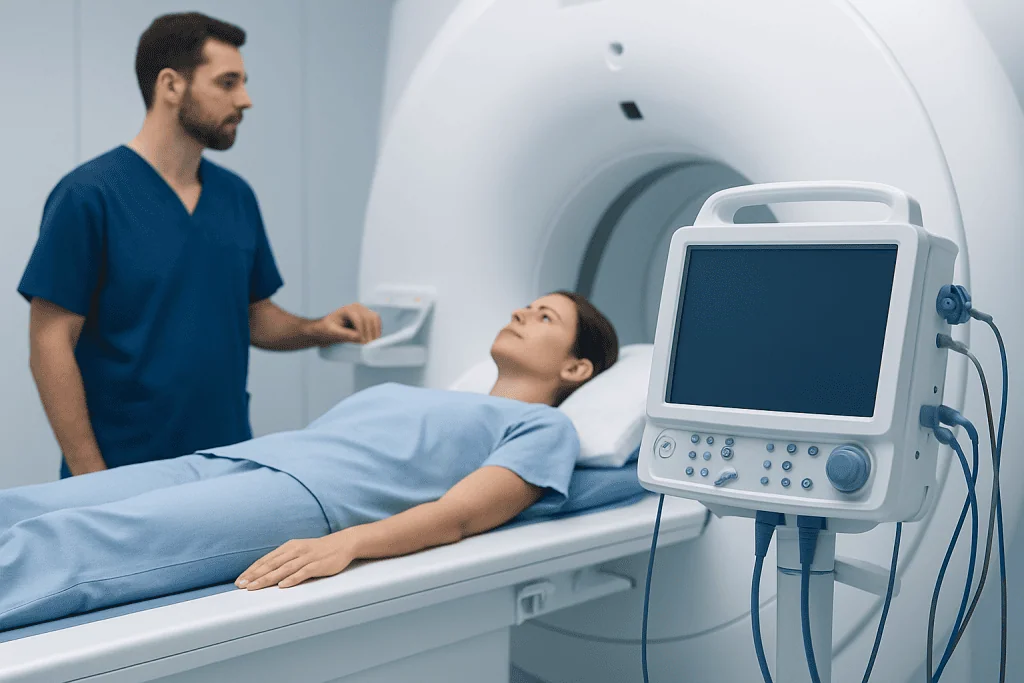
Magnetic resonance imaging is one of the most useful tools because it can show areas of inflammation or damage in the brain and spinal cord. In some cases, doctors may request an MRI scan with contrast to look for active lesions. Blood tests help rule out vitamin deficiencies, infections, autoimmune markers, and other conditions that can mimic demyelination.
Some patients also need a lumbar puncture, also called a spinal tap, to examine cerebrospinal fluid for signs of inflammation or abnormal immune activity. Nerve conduction studies and evoked potential tests may be used when doctors need to assess how well nerve signals are traveling. These tests are especially helpful when symptoms suggest involvement of the peripheral nerves or optic pathways.
Diagnosis can take time because several conditions can look similar at first. Follow-up visits and repeat imaging may be needed before the picture becomes clear. This careful approach helps doctors identify the cause more accurately and choose the most appropriate treatment plan.
Treatment options and long-term management
Treatment for demyelinating disease depends on the underlying condition, the severity of symptoms, and whether the disease is active, relapsing, or progressive. In inflammatory or autoimmune forms, treatment often aims to reduce immune-related damage, shorten attacks, and prevent further episodes. Supportive care is also important because symptom control can greatly improve daily function and quality of life.
During acute flare-ups, doctors may use corticosteroids or other therapies to calm inflammation. In selected cases, plasmapheresis may be considered when symptoms are severe or when steroid treatment is not enough. For long-term management, some people benefit from disease-modifying therapies, while others need medicines focused mainly on pain, stiffness, bladder symptoms, or fatigue.
Rehabilitation is often a key part of care. Physical therapy and rehabilitation can support strength, mobility, balance, and independence. Occupational therapy, speech therapy, and visual support may also help depending on the pattern of symptoms. Treatment plans are typically individualized and adjusted over time.
In complex cases, coordinated care from neurologists, rehabilitation specialists, radiologists, and other clinicians can be valuable. Near the end of the care journey, some international patients may choose centers such as Acibadem International, where multidisciplinary specialists in JCI-accredited hospitals diagnose and treat demyelinating disorders with a personalized approach.
Daily life, prevention, and self-care
There is no single way to prevent all demyelinating diseases, because not all causes are controllable. However, protecting general health and reducing inflammation-related risk factors may support nervous system health. Avoiding smoking, following treatment plans carefully, and attending regular follow-up appointments are practical steps that can make a difference.
Self-care focuses on preserving function and managing symptoms. Good sleep, regular physical activity within a person’s ability, stress management, balanced nutrition, and hydration can support overall well-being. Some people also need strategies for pacing activities, cooling measures if heat worsens symptoms, or home adjustments to reduce falls.
Patients should avoid stopping prescribed medication without medical advice, even if symptoms improve. New symptoms, changing mobility, or worsening fatigue should be discussed with the treating doctor because they may reflect a relapse, infection, medication side effects, or another health issue. Ongoing monitoring is often as important as the initial treatment.
When to seek medical care
A person should seek medical care if they develop unexplained neurological symptoms such as persistent numbness, weakness, blurred vision, double vision, imbalance, or electric-shock-like sensations. These symptoms do not always mean demyelinating disease, but they deserve prompt evaluation, especially when they are new, worsening, or affecting daily life.
Urgent medical attention is important for sudden vision loss, severe weakness, trouble walking, new bladder retention, confusion, or symptoms that appear rapidly over hours to days. Emergency care is also needed if neurological symptoms occur with difficulty breathing, chest pain, or loss of consciousness.
Early assessment can help rule out stroke, infection, spinal cord compression, and other urgent conditions. It can also shorten the time to diagnosis if demyelinating disease is the cause, allowing treatment to begin sooner and reducing the risk of unnecessary delays.
Frequently asked questions
What is demyelinating disease?
Demyelinating disease is a term for conditions that damage myelin, the protective covering around nerve fibers. When myelin is injured, nerve signals do not travel normally, which can lead to symptoms involving movement, sensation, vision, balance, or other body functions.
Is multiple sclerosis the same as demyelinating disease?
Not exactly. Multiple sclerosis is one type of demyelinating disease, but demyelination can also occur in several other conditions. The exact diagnosis depends on which part of the nervous system is involved and what is causing the myelin damage.
What are the first symptoms of demyelinating disease?
Early symptoms often include numbness, tingling, weakness, unusual fatigue, blurred vision, or difficulty with balance. In some people, symptoms are mild at first and come in episodes, while in others they appear more suddenly.
Can demyelinating disease be cured?
Some demyelinating conditions improve significantly, while others require long-term management rather than a cure. Treatment can often reduce inflammation, prevent relapses, control symptoms, and help maintain function. The outlook depends on the specific diagnosis and how early treatment begins.
How is demyelinating disease diagnosed?
Doctors diagnose demyelinating disease using a combination of medical history, neurological examination, imaging, and laboratory tests. MRI is especially important, and some patients also need spinal fluid analysis or nerve function testing.
When should someone worry about symptoms?
A doctor should evaluate new neurological symptoms that last, worsen, or interfere with daily activities. Urgent care is important for sudden vision loss, severe weakness, rapidly worsening walking problems, or major changes in bladder function.
References
- National Institute of Neurological Disorders and Stroke
- National Multiple Sclerosis Society
- Mayo Clinic
- Cleveland Clinic
- World Health Organization
This article is for general information only and is not a substitute for professional medical advice. Please consult a qualified doctor about your individual situation.
Joint and spine care in Turkey — expert assessment & treatment
JCI-accredited · board-certified surgeons · reply within 24h
Add us as a Preferred Source to see more of our trusted health content across Google Search, AI Overviews and Discover.