Prosthesis — Explained by Medical Evidence, Not Myths
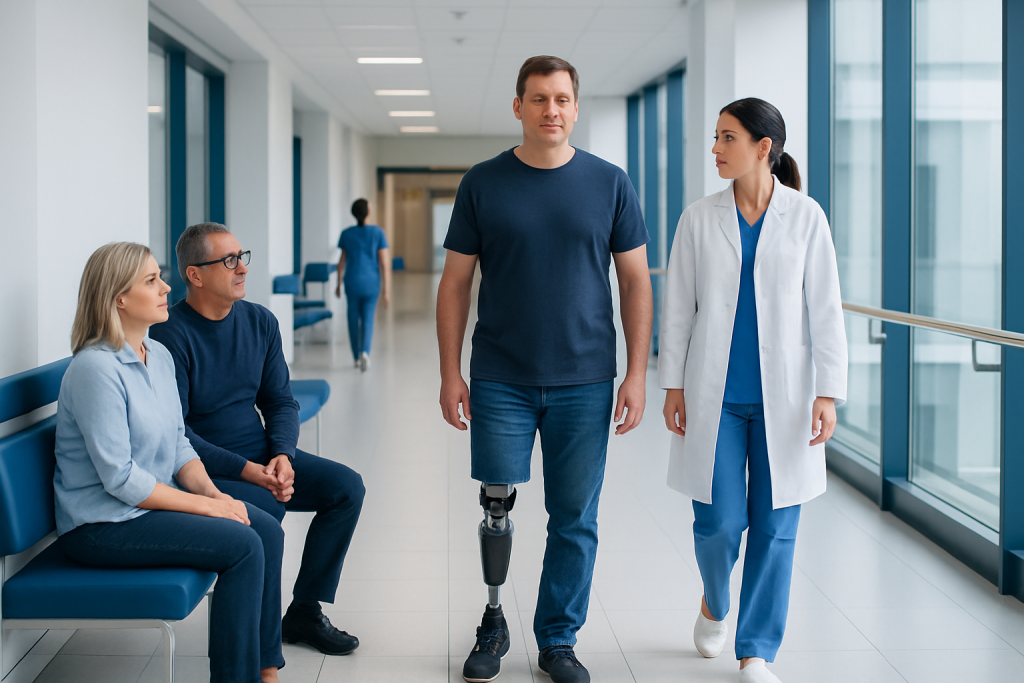
A prosthesis can help restore movement, balance, independence, and body confidence after limb loss. The best prosthesis depends on the level of limb loss, skin condition, strength, lifestyle, and rehabilitation goals.
Key Takeaways
- A prosthesis can help restore movement, balance, independence, and body confidence after limb loss.
- The best prosthesis depends on the level of limb loss, skin condition, strength, lifestyle, and rehabilitation goals.
- Fitting a prosthesis is a process that usually includes healing, measurement, training, adjustments, and long-term follow-up.
- Discomfort, skin irritation, or changes in fit are common reasons to contact a prosthetist or doctor for review.
- Rehabilitation, exercise, and proper daily care are just as important as the device itself.
A prosthesis is an artificial device designed to replace a missing body part, most often a limb, and support daily function, mobility, and comfort. Modern prostheses are tailored to the person’s body, health needs, activity level, and goals, so treatment is based on medical assessment rather than common myths.
What is a prosthesis?
A prosthesis is an artificial device that replaces a missing body part. In everyday medical use, the term most often refers to an artificial arm or leg used after amputation or limb loss. Its purpose is not simply cosmetic. A well-designed prosthesis can support walking, standing, grasping, balance, and other daily activities while also helping posture and comfort.
There is no single “best” prosthesis for everyone. The right option depends on where the limb loss occurred, how well the surgical area has healed, the person’s muscle strength, balance, circulation, skin health, and personal goals. Some people need a device mainly for basic mobility and safety, while others want to return to work, sport, or more demanding movement.
Modern prosthetic care is individualized. The device is usually part of a broader plan that may include surgical care, pain management, physical therapy, occupational therapy, and emotional support. This evidence-based approach is important because many myths suggest a prosthesis works instantly or feels completely natural right away, when in reality adjustment takes time and training.
How a prosthesis can help in daily life
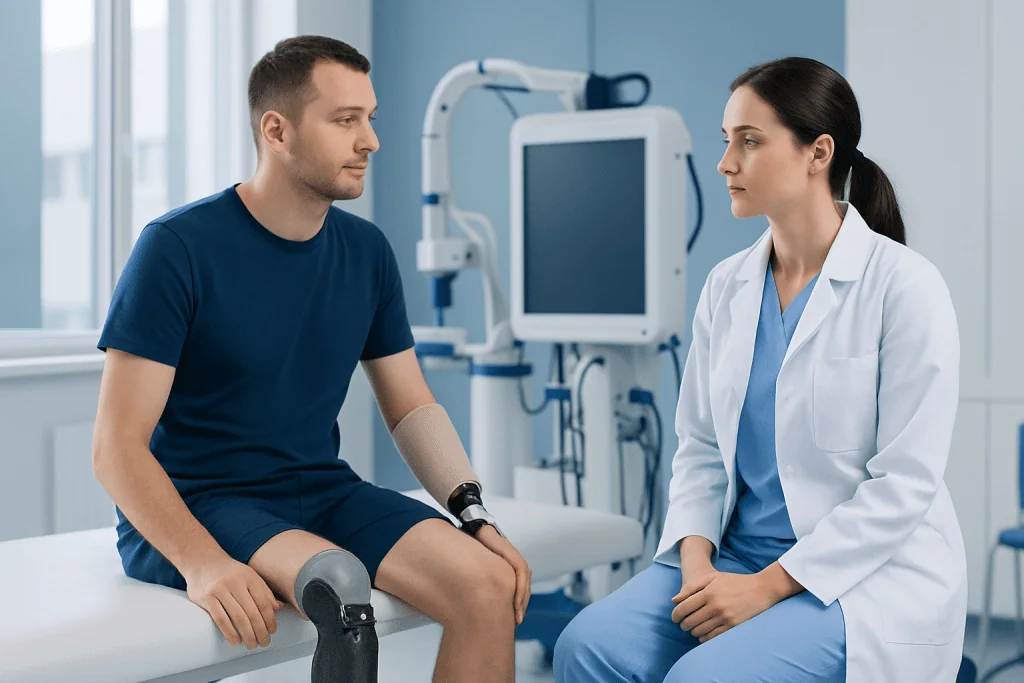
A prosthesis may improve function by helping a person move more efficiently and safely. For lower-limb limb loss, it can help with standing, walking, climbing stairs, and maintaining balance. For upper-limb limb loss, it can assist with stabilizing objects, gripping, carrying, dressing, and other practical tasks.
Benefits can also include better symmetry and body alignment. Without appropriate support, changes in gait or posture can place extra strain on the hips, knees, back, and shoulders. By distributing load more evenly, a properly fitted prosthesis may reduce overuse in other parts of the body and support long-term mobility.
Just as importantly, a prosthesis can contribute to independence and participation in work, school, family life, and social activities. However, outcomes vary. Function depends on factors such as healing, rehabilitation, comfort, residual limb shape, and consistency of follow-up care. In some situations, the person may use a prosthesis full time; in others, they may combine it with mobility aids or use different devices for different tasks.
Types of prostheses and how they differ
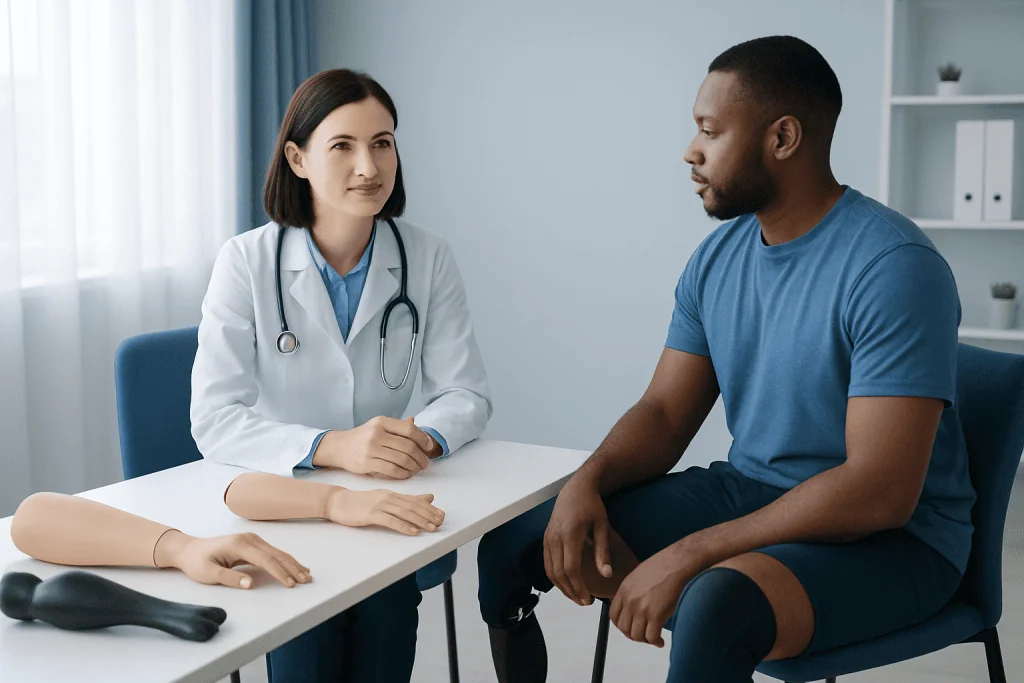
Prostheses can be grouped in several ways. By body area, they may be upper-limb or lower-limb devices. By complexity, they range from simpler mechanical designs to advanced components that use microprocessors or powered movement. The choice is based on medical suitability, not just technology level.
A lower-limb prosthesis usually includes a socket that fits over the residual limb, connecting parts, and a prosthetic foot or knee depending on the level of amputation. An upper-limb prosthesis may include a socket, elbow component, wrist unit, and terminal device such as a hand or hook. Some are body-powered, meaning they use cables and body movement, while others are externally powered and may respond to muscle signals.
Prosthetic design also includes liners, suspension systems, and materials chosen for comfort and control. During consultation, the team considers whether the priority is stability, energy efficiency, fine motor control, ease of use, durability, or appearance. In patients recovering after surgery related to bone cancer or severe trauma, prosthetic planning is coordinated carefully with the broader treatment pathway.
- Body-powered devices: often durable, practical, and easier to maintain.
- Myoelectric or powered devices: may allow more natural-looking movement and finer control in selected users.
- Activity-specific prostheses: designed for tasks such as running, swimming, or heavy work.
- Temporary prostheses: used early in rehabilitation while the residual limb shape is still changing.
Who may need a prosthesis and common reasons for limb loss
A person may need a prosthesis after losing a limb because of trauma, circulation problems, diabetes-related complications, infection, cancer, or congenital limb differences. Not everyone with limb loss will use a prosthesis, and some people may prefer wheelchairs or other aids for part or all of their mobility. The decision is guided by health status, goals, safety, and expected benefit.
For some patients, amputation is planned after serious disease or injury when limb preservation is no longer the safest or most effective option. In other cases, limb loss follows an emergency. People who have conditions such as peripheral artery disease, nerve damage, or impaired wound healing may need especially careful planning before fitting a device.
Children, adults, and older people can all use prostheses, but their needs differ. Children require ongoing review as they grow. Older adults may need extra support with balance, strength, and skin care. When amputation is related to complex problems such as severe infection or diabetes, controlling the underlying condition remains essential to long-term success.
Assessment, fitting, and rehabilitation
Getting a prosthesis is usually a step-by-step process rather than a single appointment. First, the residual limb needs enough healing for assessment. The clinical team reviews swelling, scar condition, muscle strength, joint range of motion, pain, circulation, and the person’s daily routine. They also discuss goals such as household mobility, return to work, or sports participation.
Measurements and casting or digital scanning are then used to create a socket that fits the residual limb closely but safely. The socket is one of the most important parts of the prosthesis because comfort, skin protection, and control all depend on it. Early fittings often require changes because limb volume can shift during recovery.
Rehabilitation is essential. Physical therapy and physical therapy and rehabilitation help the person learn balance, weight transfer, strengthening, gait training, and energy-efficient movement. For upper-limb devices, occupational therapy supports practical skills such as dressing, cooking, or writing. Follow-up visits are used to fine-tune alignment and comfort over time.
Pain deserves careful attention. Some people have residual limb pain, nerve-related pain, or phantom limb sensations. These experiences are real and common, and they can often be managed with a combination of rehabilitation, socket adjustment, medication review, desensitization techniques, and specialist input when needed.
Treatment options beyond the device itself
Successful prosthetic care involves more than prescribing an artificial limb. Surgical planning, wound care, muscle balance, and protection of the residual limb all affect later function. In selected cases, additional procedures may be considered to improve comfort or shape before a definitive prosthesis is fitted. This is why prosthetic care is often coordinated with specialists in orthopedics and traumatology and rehabilitation medicine.
Training is another core treatment. A person may need exercises to strengthen the hips, trunk, shoulders, or remaining limb, as well as instruction on transfers, stair use, and fall prevention. For upper-limb prostheses, training focuses on coordinated movement and learning how to use the device efficiently without strain.
Psychological adjustment also matters. Limb loss can affect identity, confidence, work, relationships, and emotional wellbeing. Support from rehabilitation teams, counselors, and peer networks may help people adapt at their own pace. Care plans are strongest when they address the whole person, not only the missing limb.
When cancer treatment has led to limb loss or major limb surgery, prosthetic planning may occur alongside broader services such as cancer rehabilitation. Near the end of the care journey, some patients seek coordinated support from centers such as Acibadem International, where multidisciplinary specialists in JCI-accredited hospitals diagnose and treat complex rehabilitation needs for international patients.
Self-care, maintenance, and preventing common problems
Daily self-care can make a major difference in comfort and function. The residual limb should be cleaned and dried as advised by the clinical team, and the socket, liner, and socks should be maintained according to instructions. Good hygiene helps reduce skin irritation and odor and can lower the chance of infection.
People using a prosthesis should check the skin regularly for redness, blisters, pressure marks, rashes, cuts, or swelling. Mild pinkness that fades quickly may be expected after use, but redness that lasts, worsening pain, or broken skin needs review. Body weight changes, fluid retention, and activity changes can all affect fit.
Exercise, stretching, and posture training help support long-term use. For lower-limb prostheses, strengthening the core and hips can improve stability and reduce strain on the back or intact leg. For upper-limb devices, shoulder and trunk conditioning may reduce fatigue. Users should also protect the remaining limb, especially if they have diabetes or circulation problems.
- Wear the prosthesis according to the advised schedule, especially during the adaptation period.
- Do not ignore new pain, clicking, looseness, or skin breakdown.
- Attend routine adjustment visits even if the device seems to be working well.
- Ask for reassessment if work demands, sports goals, or home needs change.
When to seek medical care
Medical review is important if the prosthesis becomes painful, unstable, or difficult to use. A person should contact their doctor, prosthetist, or rehabilitation team if they notice skin ulcers, persistent redness, new swelling, discharge, fever, a sudden change in fit, or repeated falls. These issues may be treatable, but they should not be ignored.
Care is also needed for pain that disrupts sleep, severe phantom pain, or signs that the intact limb is becoming overworked, such as knee, hip, back, or shoulder pain. If the person has diabetes, poor circulation, or a recent surgery, early assessment is especially important because healing problems can progress more quickly.
Anyone considering a first prosthesis or a change in device should seek professional assessment rather than relying on myths, online anecdotes, or technology claims alone. A qualified team can explain realistic expectations, discuss alternatives, and recommend the safest plan based on medical evidence and the person’s goals.
Frequently asked questions
What does prosthesis mean in medicine?
In medicine, a prosthesis is an artificial device that replaces a missing body part or supports a body function. The term often refers to an artificial arm or leg, but prosthetic devices can also be used in other parts of the body.
Can a prosthesis help a person walk normally?
A lower-limb prosthesis can greatly improve walking ability, balance, and independence, but it may not feel exactly like a natural limb. Results depend on the level of limb loss, overall health, rehabilitation, and how well the device fits.
How long does it take to get used to a prosthesis?
Adjustment varies from person to person. Some people adapt over weeks, while others need several months of training, strengthening, and device adjustments before use feels more natural and comfortable.
Is a prosthesis painful to wear?
A prosthesis should not cause ongoing pain when it fits well, although some pressure and adaptation are common early on. Persistent pain, skin breakdown, or worsening discomfort usually means the fit or alignment should be checked by a professional.
Do all people with amputation need a prosthesis?
No. A prosthesis can be very helpful for many people, but it is not the right choice for everyone. The decision depends on health, healing, strength, balance, personal goals, and whether the expected benefits outweigh the challenges.
How often does a prosthesis need adjustment or replacement?
Most prostheses need periodic adjustments because the residual limb, activity level, and body weight can change over time. Some parts wear out sooner than others, so regular follow-up helps keep the device safe, comfortable, and effective.
References
- World Health Organization
- American Academy of Orthopaedic Surgeons
- American Physical Therapy Association
- National Institute of Neurological Disorders and Stroke
- American Diabetes Association
This article is for general information only and is not a substitute for professional medical advice. Please consult a qualified doctor about your individual situation.
Explore treatments in Turkey — costs, top hospitals & a free quote
JCI-accredited · board-certified surgeons · reply within 24h
Add us as a Preferred Source to see more of our trusted health content across Google Search, AI Overviews and Discover.

More from the Health Library
Skin Diagram — Explained by Medical Evidence, Not Myths

Best Time to Take B12: An Evidence-Based Guide for Patients

Epididymis Function — Explained by Medical Evidence, Not Myths

Complex Carbohydrates: An Evidence-Based Guide for Patients

Zetia: What Patients Need to Know