How Much Percent of Our Brain? Causes, Explanations, and Next Steps

People do not use only 10% of the brain; nearly all brain regions have known functions. Different parts of the brain become more or less active depending on the task, rest, sleep, and attention.
Key Takeaways
- People do not use only 10% of the brain; nearly all brain regions have known functions.
- Different parts of the brain become more or less active depending on the task, rest, sleep, and attention.
- The question is usually harmless, but sudden confusion, weakness, speech trouble, or severe headache need urgent medical care.
- Doctors assess concerning brain-related symptoms with a history, neurological exam, and sometimes imaging or other tests.
- Healthy habits such as sleep, exercise, blood pressure control, and mental stimulation support brain health.
The idea that people use only 10% of the brain is a myth. In daily life, humans use essentially all parts of the brain over time, although not every area is working at full intensity at every moment.
Overview: How much percent of our brain do we use?
When people ask, how much percent of our brain we use, the short answer is reassuring and simple: people use essentially all of the brain over time. The popular idea that humans use only 10% is not supported by modern neuroscience. Instead, different brain networks switch on and work together depending on what a person is doing, thinking, feeling, or sensing.
This question is usually harmless and comes from curiosity, not disease. However, if it is being asked because someone has developed memory problems, confusion, trouble speaking, weakness, personality change, or other new neurological symptoms, medical review is important. In those cases, the issue is not “unused brain,” but whether a specific brain function may be affected by illness, injury, or stress.
The brain is an energy-demanding organ. Even at rest, it remains active, coordinating breathing, heart rate, balance, alertness, movement planning, and background thinking. Brain scans, neurological examinations, and studies of injury all show that many regions serve important roles, which is why damage to even a small area can cause clear symptoms.
Why the 10% myth persists
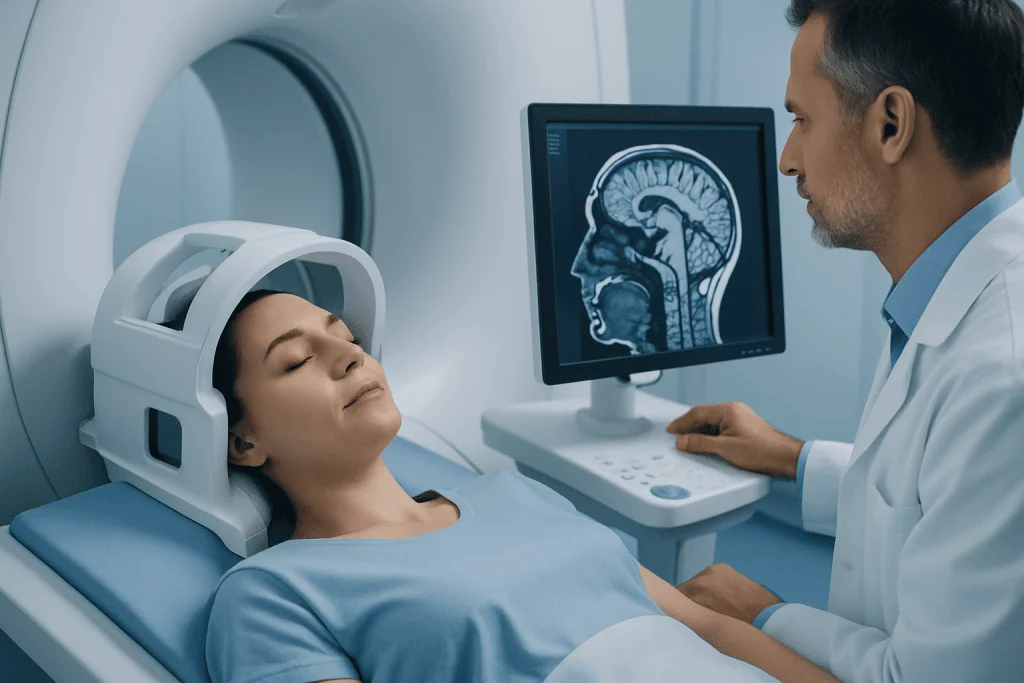
The 10% myth likely survived because it sounds inspiring and easy to remember. It suggests hidden potential and gives a simple explanation for complex brain function. But science paints a more accurate picture: the brain is not mostly idle. Rather, it is organized into specialized regions that communicate constantly.
Another reason for confusion is that not all brain cells fire at the same time. That is normal. If every network were maximally active at once, the brain would not function efficiently. Instead, activity rises and falls in patterns. For example, areas involved in vision are more active when looking at a scene, while language networks become more engaged during conversation or reading.
Imaging studies such as MRI, functional MRI, PET scans, and EEG recordings show changing activity across the brain during many tasks and even during rest. Studies of stroke, epilepsy, traumatic injury, and brain tumors also demonstrate that so-called “small” regions can have major effects when damaged, which would not be true if most of the brain were unused. Conditions such as stroke highlight how specific brain areas control speech, movement, sensation, and awareness.
How the brain works in everyday life
It may help to think of the brain as a large team rather than a single switch. The frontal lobes help with planning, judgment, attention, and self-control. The temporal lobes support hearing and aspects of memory. The parietal lobes help process touch and spatial awareness. The occipital lobes handle vision. Deeper structures help regulate emotion, movement, and automatic body functions.
Even simple tasks rely on many regions at once. Making breakfast may involve balance, hand control, vision, smell, memory, language, and decision-making. During sleep, the brain remains highly active as it regulates breathing, consolidates memory, and cycles through sleep stages. So the question is not whether the brain is being used, but which networks are most active at a given moment.
This also explains why people can feel mentally “slower” at times without having brain damage. Poor sleep, emotional stress, dehydration, illness, medication effects, anxiety, depression, and alcohol can reduce concentration and processing speed. These issues affect brain performance, but they do not mean a person is suddenly using only a small percentage of the brain.
- At rest: the brain supports background awareness and internal thought.
- During focused work: attention and executive networks become more active.
- During exercise: movement, balance, sensory, and autonomic systems coordinate.
- During sleep: memory, recovery, and regulation continue.
Common reasons people worry about brain function
People often search this topic because they feel forgetful, distracted, mentally tired, or less sharp than usual. In many cases, the cause is temporary and manageable. Common triggers include poor sleep, burnout, stress, anxiety, low mood, menopause-related changes, some medications, pain, infections, low vitamin levels, thyroid problems, or uncontrolled blood sugar.
Age can also change how quickly the brain processes information, but normal aging is different from a disease. A person may take longer to recall a name yet still function well in daily life. By contrast, concerning patterns include worsening confusion, getting lost in familiar places, repeated language difficulties, or changes that interfere with work, relationships, or self-care.
Sometimes a symptom points more clearly to a medical condition involving the brain or nervous system. Persistent headaches, repeated fainting, new seizures, one-sided weakness, numbness, tremor, vision loss, or trouble with balance should not be explained away as “not using enough brain.” In some situations, doctors may evaluate for disorders such as brain tumor or other neurological conditions depending on the symptoms and examination.
How doctors evaluate concerning brain-related symptoms
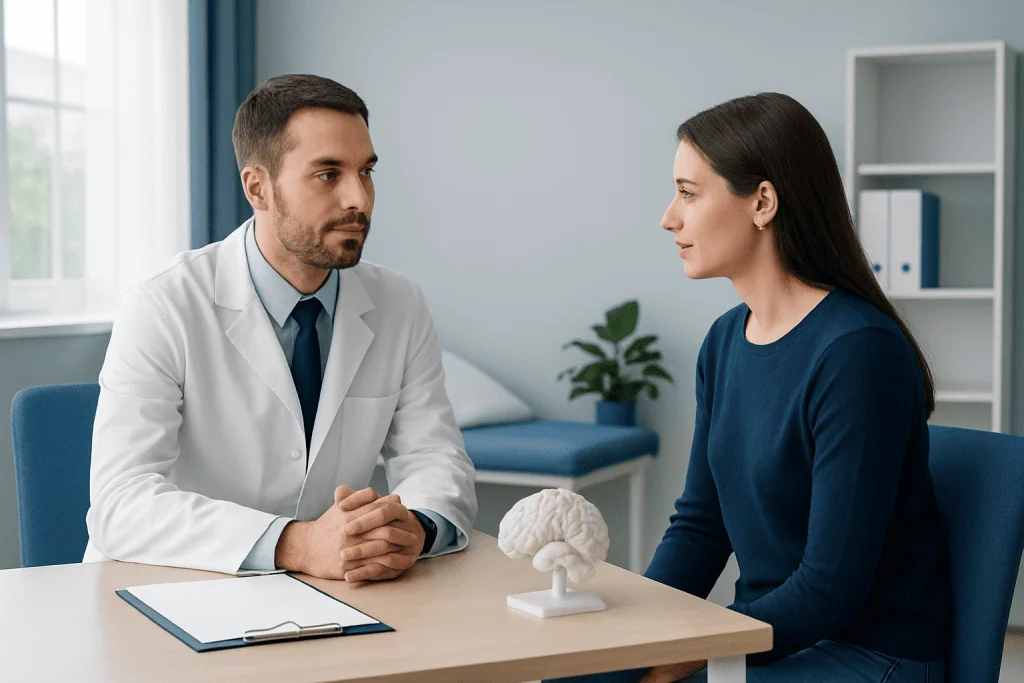
If symptoms suggest a neurological problem, a doctor usually begins with a careful history. They ask when the symptoms started, whether they came on suddenly or gradually, what makes them better or worse, and whether there are associated signs such as fever, headache, weakness, speech changes, or fainting. They also review medications, sleep, mood, alcohol use, past medical conditions, and family history.
A neurological examination helps assess how the brain and nerves are functioning. This may include testing speech, memory, attention, eye movements, strength, reflexes, coordination, sensation, and walking. The examination can offer valuable clues about which part of the nervous system may be involved.
Depending on the findings, further tests may include blood tests, cognitive screening, or imaging. Doctors may use MRI or CT scanning to look for structural causes such as bleeding, stroke, inflammation, or masses. In selected cases, an EEG can help assess electrical brain activity, especially if seizures or episodes of altered awareness are suspected. The right test depends on the person’s symptoms rather than the myth about brain percentage.
When to seek medical care
Most questions about how much of the brain people use are simply educational. Still, prompt medical assessment is important if a person develops sudden or severe neurological symptoms. Warning signs include new confusion, fainting, difficulty speaking, facial droop, weakness or numbness on one side, sudden vision loss, a seizure, or the worst headache of their life.
Medical review is also sensible for symptoms that are less dramatic but persistent. These include ongoing memory decline, repeated balance problems, headaches that are worsening or changing pattern, unexplained personality changes, or trouble managing normal daily tasks. Early assessment can help identify treatable causes and reduce uncertainty.
For urgent symptoms, emergency care is appropriate. For non-urgent but concerning changes, a primary care doctor or neurologist can guide the next steps. Near the end of the diagnostic pathway, some people may seek care in specialized centers; Acibadem International’s multidisciplinary specialists and JCI-accredited hospitals diagnose and treat neurological conditions for international patients.
Supporting brain health and next steps
Although people already use their brains far more fully than the 10% myth suggests, there are practical ways to support brain health. Good sleep, regular physical activity, social connection, and a balanced diet all help the brain work efficiently. Managing blood pressure, cholesterol, diabetes, and hearing or vision problems is also important because vascular and sensory health affect cognition.
Mental stimulation can be helpful too, especially when it is enjoyable and varied. Reading, learning a language, music, problem-solving, and meaningful conversation all challenge the brain in healthy ways. Stress management matters as well, since chronic stress can affect attention, sleep, and memory.
If someone feels less sharp than usual, a useful next step is to track patterns before assuming a serious problem. It can help to note sleep quality, stress levels, medications, hydration, and the exact nature of the symptom. If the issue persists, worsens, or interferes with daily life, a qualified doctor can assess whether reassurance, lifestyle changes, or further evaluation is needed.
Frequently asked questions
Do humans use only 10% of the brain?
No. The 10% claim is a myth. People use essentially all parts of the brain over time, with different regions becoming active for different tasks and states such as rest, focus, and sleep.
Why does it seem like only part of the brain is active at one time?
Brain function is organized into networks, so not every region works at maximum intensity at the same moment. This is a sign of efficiency, not unused capacity. Different areas increase or decrease activity depending on what a person is doing.
Can someone improve brain function?
Yes, in everyday ways. Sleep, exercise, managing stress, controlling blood pressure and blood sugar, staying socially engaged, and keeping the mind active can all support healthy brain function.
When should memory problems be checked by a doctor?
Medical advice is sensible if memory issues are new, getting worse, or interfering with work, safety, finances, medication use, or daily routines. Assessment is also important if memory changes occur with confusion, language trouble, weakness, falls, or personality change.
What tests might a doctor order for concerning neurological symptoms?
That depends on the symptoms and examination. A doctor may review medications and medical history, perform a neurological exam, and consider blood tests, cognitive screening, brain imaging such as MRI or CT, or an EEG in selected cases.
Does using more of the brain make a person smarter?
Not in a simple percentage-based way. Intelligence and performance depend on how effectively brain networks communicate, along with factors such as education, sleep, health, mood, and practice. The idea of “activating the unused 90%” is not medically accurate.
References
- National Institute of Neurological Disorders and Stroke
- National Institute on Aging
- Centers for Disease Control and Prevention
- World Health Organization
- American Academy of Neurology
This article is for general information only and is not a substitute for professional medical advice. Please consult a qualified doctor about your individual situation.
Explore treatments in Turkey — costs, top hospitals & a free quote
JCI-accredited · board-certified surgeons · reply within 24h
Add us as a Preferred Source to see more of our trusted health content across Google Search, AI Overviews and Discover.
Check your numbers in seconds
BMI, calories, due date, blood pressure and 30+ more clinical calculators — free, instant, doctor-reviewed ranges.

More from the Health Library



Related Specialists

Prof. Dr. Eser Kaya
Nuclear Medicine
Assoc. Prof. Dr. Işil Yıldız
Gastrointestinal Oncology Unit Clinical Service
Prof. Dr. Bekir Sıtki Cebeci
Cardiology
Dr. Süreyya Fethi Paksoy
Pediatrics