Callus: A Complete Medical Overview

A callus is the skin’s protective response to repeated pressure or rubbing. Calluses most often develop on the feet and hands, especially over bony or high-friction areas.
Key Takeaways
- A callus is the skin’s protective response to repeated pressure or rubbing.
- Calluses most often develop on the feet and hands, especially over bony or high-friction areas.
- Many improve with better-fitting footwear, pressure relief, moisturizing, and careful skin care.
- People with diabetes, poor circulation, or nerve damage should not self-treat foot calluses without medical advice.
- A doctor should assess a painful, bleeding, infected, or rapidly changing callus.
A callus is an area of thick, hardened skin that forms when the body tries to protect itself from repeated friction or pressure. Most calluses are not dangerous, but they can become painful, crack, or signal an underlying problem with foot shape, walking pattern, or skin health.
What Is a Callus?
A callus is a patch of skin that becomes thicker and tougher after repeated friction, rubbing, or pressure. It is the body’s natural way of protecting deeper tissues. Calluses commonly appear on the soles of the feet, heels, toes, and palms, but they can form anywhere the skin is repeatedly stressed.
In many people, a callus is more of a nuisance than a medical problem. It may feel rough, dry, or slightly raised, and the color can look yellowish or gray compared with nearby skin. Some calluses remain painless, while others become tender if pressure continues or if the skin cracks.
Calluses are often confused with corns, but they are not exactly the same. A corn is usually smaller, more sharply defined, and often has a hard center that can press into the skin and cause pain. A callus tends to be broader, flatter, and more diffuse. Both can occur together, especially on the feet.
Although a callus is usually harmless, it is still useful to understand why it formed. The location and pattern can reveal issues such as footwear problems, repetitive hand use, altered walking mechanics, or foot deformities that may need attention.
How a Callus Forms and Where It Appears
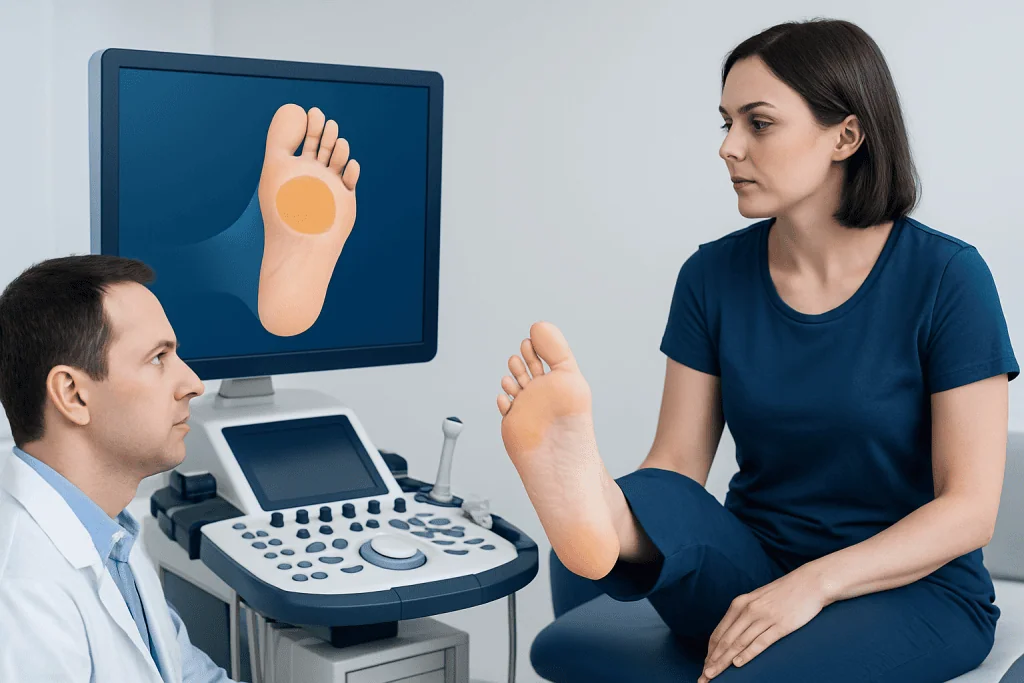
The outer layer of skin responds to repeated stress by producing more keratin, a structural protein that helps strengthen the skin barrier. Over time, this extra buildup creates the thickened area recognized as a callus. This process is gradual and usually develops over days to weeks rather than overnight.
On the feet, calluses often form under the ball of the foot, on the heel, or along the sides of the big toe and little toe. These are areas that bear body weight and experience repeated contact with shoes and the ground. On the hands, calluses may develop from using tools, lifting weights, playing musical instruments, or other repetitive manual activities.
Not every area of thick skin is a simple callus. In some cases, what appears to be a callus may instead be a wart, cyst, eczema patch, or another skin condition. If the area is unusually painful, bleeds easily, has black dots, or changes quickly, a clinician may need to rule out other causes, including skin cancer in rare situations.
Understanding where the callus appears helps guide treatment. For example, a heel callus may point to dry skin and shoe friction, while a callus under one part of the forefoot may suggest pressure imbalance, a structural foot issue, or an altered gait pattern that can benefit from professional assessment.
Symptoms and Possible Complications

The most common symptoms of a callus are a thickened patch of skin, rough texture, dryness, and a firm or hardened feel. The area may look slightly discolored and can be less sensitive than surrounding skin at first. If pressure continues, the callus can become uncomfortable, especially during walking, standing, or gripping objects.
Some calluses develop a cracked surface. These fissures can be painful and may increase the risk of infection, particularly on the heels or in people with poor circulation. If the tissue underneath becomes inflamed, the skin may feel sore or burn with pressure. A deeper core can also form, making the lesion more like a painful corn.
On the feet, long-standing calluses can affect how a person walks, which may lead to discomfort in the ankles, knees, hips, or lower back. In people with diabetes or nerve damage, a callus can hide skin breakdown underneath. This matters because reduced sensation can delay recognition of an ulcer or wound and increase the risk of complications associated with diabetes.
- Rough, thick, hardened skin
- Dryness or flaking
- Tenderness with pressure
- Cracks or fissures
- Pain while walking or using the hands
- Occasional redness or swelling if irritated
Causes and Risk Factors
The direct cause of a callus is repeated pressure or friction. On the feet, poorly fitting shoes are a common trigger. Shoes that are too tight can rub the toes and sides of the foot, while loose shoes may allow the foot to slide and create repetitive friction. High heels can increase pressure on the front of the foot, leading to callus formation under the metatarsal heads.
Foot structure also plays a role. Bunions, hammertoes, high arches, flat feet, and abnormal gait patterns can shift body weight unevenly and create pressure points. Standing for long periods, walking barefoot on hard surfaces, and certain sports or occupations may also contribute. When pressure is concentrated in one area, the skin responds by thickening.
On the hands, repetitive activities such as rowing, gardening, weight training, or using hand tools can cause localized calluses. These may be expected and even protective, but they can still become painful if the stress is excessive or if the skin dries out and cracks.
Certain health conditions increase the need for caution. Diabetes, peripheral neuropathy, and poor blood flow can make calluses more risky because minor skin injury may heal slowly or go unnoticed. People with these concerns should avoid aggressive self-treatment and seek professional foot care when needed. In some cases, a podiatric or orthopedic evaluation may help identify mechanical causes, and supportive measures such as orthopedic assessment or physical therapy and rehabilitation can be part of a broader plan.
How Doctors Diagnose a Callus
A callus is usually diagnosed with a clinical examination. A doctor looks at the skin, asks where the lesion formed, and reviews symptoms such as pain, cracking, or changes over time. They may also ask about footwear, sports, work activities, and any medical conditions that affect the nerves, circulation, or skin.
For foot calluses, the examination often includes checking alignment, pressure points, and the way the person stands or walks. This can help identify whether the callus is simply due to friction or whether there is an underlying mechanical issue. If needed, the clinician may examine shoes for wear patterns that suggest abnormal pressure distribution.
Diagnosis also involves ruling out other conditions. A wart, for example, may look similar but often interrupts the normal skin lines and may be tender when pinched from the sides. If a lesion is atypical, recurrent despite treatment, or associated with bleeding or pigment change, a dermatologist may evaluate it more closely.
Tests are not always necessary, but they may be used when another problem is suspected. A person with severe pain, deformity, or signs of pressure imbalance may need imaging through radiology to assess bone structure. If there are signs of infection, vascular disease, or neuropathy, the doctor may arrange additional tests or specialist care.
Treatment Options
Treatment focuses on reducing the pressure or friction that caused the callus and softening the thickened skin safely. For many people, the first steps are wearing properly fitting shoes, using cushioned insoles or pads, and applying a moisturizer regularly to reduce dryness and cracking. Once the cause is addressed, the skin often improves gradually.
Gentle skin care may help. After bathing, some people benefit from carefully smoothing the surface with a pumice stone or foot file, but this should be done gently and never until the skin is sore or bleeding. Moisturizers containing urea, lactic acid, or salicylic acid may be suggested in some cases, though these are not suitable for everyone and should be used with caution on the feet.
Medical treatment may be needed if the callus is painful, very thick, or linked to a foot problem. A clinician or podiatry professional can trim or debride the thickened skin under sterile conditions. If a toe deformity, bunion, or pressure imbalance is causing recurrent lesions, custom orthotics, shoe modifications, or specialist treatment may be recommended. In select situations involving structural foot problems, evaluation through orthopedics and traumatology can help guide care.
Self-treatment is not appropriate for everyone. People with diabetes, poor circulation, reduced sensation, or a history of foot ulcers should not cut a callus at home or use medicated pads unless their doctor advises it. Safe management in these cases starts with professional assessment and regular foot monitoring.
Prevention and Daily Self-Care
Preventing a callus usually means reducing repeated stress on the skin. Shoes should fit well, with enough room in the toe box and good support for the arch and heel. Socks that cushion and reduce moisture buildup can also help, especially during exercise or long days of standing.
For people who develop calluses on the feet, paying attention to pressure distribution is important. Insoles, protective pads, or orthotics may reduce load on high-pressure areas. Keeping the skin moisturized can lower the risk of dryness and painful cracking, especially on the heels. However, moisturizer should generally not be placed between the toes unless a clinician advises it, because excess moisture there can irritate the skin.
Hand calluses may be reduced by wearing gloves during repetitive tasks or using grips or padding on sports equipment and tools. It can also help to increase activity gradually, so the skin has time to adapt without becoming excessively thick or painful.
Regular self-checks are especially important for older adults and for anyone with diabetes, nerve problems, or circulation issues. Looking at the feet daily for thickened skin, cracks, redness, or drainage can help catch problems early. Near the end of the care pathway, some international patients choose multidisciplinary evaluation; Acibadem International’s specialists in JCI-accredited hospitals diagnose and treat conditions related to foot health, skin changes, and mobility concerns.
When to Seek Medical Care
Medical review is appropriate if a callus becomes painful, repeatedly returns, or interferes with walking, exercise, or daily activities. A doctor should also assess any callus that cracks deeply, bleeds, becomes red or warm, or produces drainage, since these can be signs of skin breakdown or infection.
Prompt medical advice is especially important for people with diabetes, peripheral neuropathy, poor circulation, or immune system problems. In these situations, even a small area of thickened skin can hide injury underneath or increase the risk of ulcer formation. Professional care is safer than trying to remove the tissue at home.
A clinician should also evaluate skin that does not clearly behave like a callus. Warning signs include rapid growth, unusual color changes, significant swelling, severe tenderness, or a lesion that does not improve after pressure is relieved. If the diagnosis is uncertain, a doctor may refer the person to dermatology or another specialist.
Seeking care does not always mean invasive treatment. Often, it leads to a clearer diagnosis, safer skin care, and correction of the mechanical problem causing the callus in the first place.
Frequently asked questions
Is a callus the same as a corn?
No. Both are caused by friction or pressure, but a corn is usually smaller, more concentrated, and may have a hard center that causes pain. A callus is generally broader, flatter, and spread over a larger area.
Can a callus go away on its own?
Yes, many calluses improve when the source of pressure or rubbing is removed. Better footwear, padding, and moisturizing often help the skin gradually return closer to normal. Persistent calluses may need professional care if the underlying cause remains.
Is it safe to cut off a callus at home?
It is not recommended to cut a callus at home, because this can cause injury, bleeding, or infection. Gentle filing after bathing may be reasonable for some people, but anyone with diabetes, poor circulation, or nerve damage should avoid self-removal and seek medical advice.
Why do calluses keep coming back?
A callus often returns when the same pressure point remains. Common reasons include tight shoes, abnormal foot shape, long periods of standing, or repetitive hand use. Lasting improvement usually depends on correcting the friction or pressure that caused it.
When is a callus serious?
A callus is more concerning if it becomes very painful, cracks deeply, bleeds, looks infected, or changes quickly in appearance. It also deserves prompt medical attention in people with diabetes, reduced feeling in the feet, or poor circulation because complications can develop more easily.
What kind of doctor treats calluses?
Primary care doctors, dermatologists, and foot specialists such as podiatrists commonly treat calluses. If a structural foot problem is causing repeated pressure, an orthopedic specialist may also be involved. The best choice depends on the location, symptoms, and any underlying health condition.
References
- American Academy of Dermatology
- American Podiatric Medical Association
- National Institute of Diabetes and Digestive and Kidney Diseases
- Mayo Clinic
- National Health Service
This article is for general information only and is not a substitute for professional medical advice. Please consult a qualified doctor about your individual situation.
Explore treatments in Turkey — costs, top hospitals & a free quote
JCI-accredited · board-certified surgeons · reply within 24h
Add us as a Preferred Source to see more of our trusted health content across Google Search, AI Overviews and Discover.