Can You Drink Coffee Before Fasting Blood Work? Here Is What the Evidence Says

For a fasting blood test, water is usually the only recommended drink unless the laboratory says otherwise. Black coffee has few calories, but caffeine may still influence blood glucose, blood pressure, stress hormones, and some other measurements.
Key Takeaways
- For a fasting blood test, water is usually the only recommended drink unless the laboratory says otherwise.
- Black coffee has few calories, but caffeine may still influence blood glucose, blood pressure, stress hormones, and some other measurements.
- Coffee with milk, cream, sugar, syrups, or sweeteners can clearly interfere with fasting-related tests.
- If coffee was consumed by mistake, patients should tell the laboratory rather than cancel the appointment on their own.
- Urgent medical care is rarely needed after drinking coffee before a blood test, but concerning symptoms should be assessed promptly.
Can you drink coffee before fasting blood work? In most cases, it is best not to drink coffee—even black coffee—because caffeine and other coffee compounds can affect selected test results. Water is usually allowed and is the safest drink during a fasting period unless the clinician or laboratory gives different instructions.
The short answer: coffee is usually best avoided
For people asking, “can you drink coffee before fasting blood work?”, the practical answer is usually no. Most fasting instructions mean no food and no beverages other than plain water for the stated period, often overnight. This helps the laboratory measure blood components under more standardized conditions.
Having a cup of coffee before a test is commonly harmless and does not usually create a health emergency. However, it can make some results harder to interpret, particularly tests involving glucose, fats in the blood, hormones, or blood pressure-related assessment. Coffee that contains milk, cream, sugar, flavored syrups, or other additions is more likely to affect results because it provides calories, carbohydrate, and fat.
If coffee has already been consumed, the person should not assume the test must be abandoned. They should tell the phlebotomist or laboratory staff what they drank, how much, and when. The clinician or laboratory can decide whether to proceed, document the information, or reschedule the test.
Why fasting instructions differ between blood tests
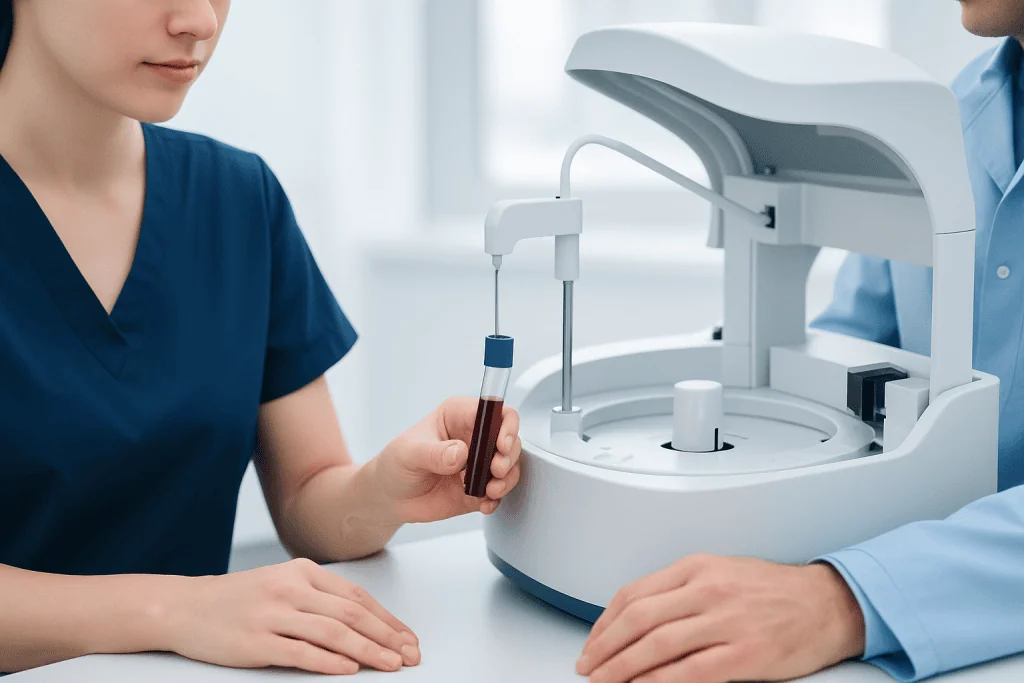
Fasting is not required for every blood test. Many routine tests, including a complete blood count and several kidney, liver, or thyroid tests, may be performed without fasting. Other tests may need fasting because recent food or calorie-containing drinks can temporarily change the substances being measured.
Examples may include certain glucose tests, triglyceride testing, selected cholesterol assessments, metabolic testing, and investigations ordered for specific endocrine or digestive concerns. The exact requirements depend on the test, the laboratory method, a person’s medical history, and the reason the clinician ordered the test.
Instructions should come from the ordering clinician or testing laboratory rather than from general online guidance. A person with diabetes, pregnancy, a history of fainting during blood draws, or a condition requiring regular meals should ask for individualized advice before fasting. Medication instructions also vary, so prescribed medicines should not be stopped unless a qualified clinician advises it.
How coffee may affect blood test results

Black coffee may seem compatible with fasting because it contains very few calories. Yet coffee contains caffeine and biologically active compounds that can affect the body for several hours. Caffeine may temporarily influence blood glucose regulation, blood pressure, heart rate, and the release of stress-related hormones in some people.
These effects do not occur in the same way for everyone. They can vary with the amount of coffee consumed, usual caffeine intake, sleep, stress, smoking, exercise, and individual sensitivity. This is why laboratories often take the simplest approach: if fasting is requested, drink only water unless explicitly told otherwise.
Added ingredients create a clearer concern. Milk, plant-based creamers, cream, sugar, honey, syrups, and many flavored products provide nutrients that can alter glucose and lipid measurements. Even drinks labeled sugar-free may contain ingredients that are not appropriate for a particular preparation. Coffee can also contribute to dehydration in some circumstances, while water supports easier blood collection.
- Choose plain water during the fasting period unless different instructions are provided.
- Avoid coffee, tea, energy drinks, juice, alcohol, and soft drinks before a fasting test.
- Avoid smoking, nicotine, and strenuous exercise before testing if the laboratory has advised this.
- Ask about chewing gum, mints, supplements, and medications, as instructions may differ.
What to do if coffee was consumed before the appointment
Accidentally drinking coffee before fasting blood work is usually not dangerous. The most important step is to be open with the laboratory team. They may still be able to collect the sample, especially if the ordered tests are not highly affected by fasting, or they may recommend a new appointment for the most reliable interpretation.
Patients should avoid trying to “correct” the situation by drinking excessive water, skipping needed medicines, exercising, or extending the fast without professional advice. These actions can create other problems or introduce new variables into the test results. Following the laboratory’s instructions is more reliable than attempting to manage the result at home.
If the test is being used to investigate possible diabetes, abnormal cholesterol, or another metabolic concern, accurate preparation can be especially important. A clinician may compare results with symptoms, medical history, medications, and previous tests, and may repeat a measurement if pre-test coffee could have influenced the finding.
How clinicians interpret unexpected results
An unexpected blood test result does not automatically mean a person has a medical condition, and one cup of coffee is only one possible influence. Clinicians consider whether the sample was fasting or non-fasting, the timing of food and drinks, current illness, hydration, sleep, medicines, supplements, and the person’s overall health.
If a result is mildly outside the expected range, the clinician may ask about preparation, repeat the test under standard conditions, or order a more specific test. For example, elevated glucose may lead to a repeat fasting measurement, glycated hemoglobin testing, or other assessment based on the clinical situation. Lipid results may be interpreted differently depending on whether fasting was necessary for the original question.
This stepwise approach helps avoid overinterpreting a single value. It also gives patients an opportunity to discuss symptoms such as increased thirst, frequent urination, unexplained weight change, fatigue, chest discomfort, palpitations, or dizziness. The right next step depends on the whole clinical picture, not on coffee intake alone.
Preparing safely for fasting blood work
Once an appointment is booked, patients should read the laboratory instructions carefully. If fasting is required, the safest general approach is to eat normally beforehand, begin the fast at the recommended time, and drink plain water only. Water helps maintain hydration and may make a blood draw easier.
It is helpful to schedule fasting blood work early in the day when possible, as this can shorten the time without food. People should bring a snack for after the draw if appropriate, particularly if they tend to feel lightheaded when fasting. They should also tell staff if they have previously fainted during blood tests.
People taking insulin, other glucose-lowering medicines, blood pressure medicines, diuretics, anticoagulants, or other regular treatments should ask the ordering clinician or pharmacist exactly how to prepare. The safest plan is individualized: some medicines are taken with water as usual, while others may require timing changes or special instructions.
When to seek medical care
Drinking coffee before a fasting blood test alone rarely requires urgent medical care. A person should contact the laboratory or ordering clinician if they are unsure whether the test can still be completed, especially when the result may guide an important treatment decision or procedure.
Prompt medical assessment is appropriate for symptoms such as severe dizziness or fainting, chest pain, shortness of breath, a persistent rapid or irregular heartbeat, confusion, or symptoms of very low or very high blood sugar. People with diabetes who feel unwell during a fast should follow their established sick-day or hypoglycemia plan and seek clinical advice rather than continuing to fast without guidance.
For non-urgent concerns, a clinician can review recurring caffeine-related palpitations, anxiety, sleep disruption, or difficulty tolerating fasting. Acibadem International’s multidisciplinary specialists and JCI-accredited hospitals can support international patients who need diagnostic evaluation and treatment planning.
Frequently asked questions
Does black coffee break a fast for blood work?
For most fasting blood tests, black coffee is best avoided even though it has very few calories. Caffeine and other coffee compounds can affect some measurements, and laboratory instructions commonly recommend water only. The laboratory’s specific guidance should always take priority.
Can someone drink water before fasting blood work?
Plain water is usually allowed and often encouraged before fasting blood work. Good hydration can make blood collection easier and does not generally interfere with common laboratory tests. However, patients should follow any special instructions provided for their particular test.
What if coffee was consumed before a fasting blood test?
The person should tell laboratory staff exactly what was consumed and when. The test may still go ahead, or the laboratory may recommend repeating it under fasting conditions. It is better to share the information than to try to hide or compensate for it.
How long should a person fast before blood work?
The required fasting period varies by test and is commonly specified by the ordering clinician or laboratory. Many instructions use an overnight fast, but patients should not assume a standard duration applies to every test. They should confirm the timing when the appointment is arranged.
Can tea or energy drinks be consumed before fasting blood work?
Tea, energy drinks, and caffeinated beverages are generally not recommended during a fasting period unless the laboratory specifically permits them. They may contain caffeine, sugar, milk, sweeteners, or other ingredients that can affect testing. Plain water is the most reliable choice.
Should medicines be skipped before fasting blood work?
Medicines should not be skipped or changed without advice from the prescribing clinician or pharmacist. Some medicines can be taken with water, while others may need different timing depending on the test and the person’s health condition. This is especially important for diabetes medicines and insulin.
References
- American Diabetes Association
- Centers for Disease Control and Prevention
- MedlinePlus, U.S. National Library of Medicine
- National Heart, Lung, and Blood Institute
- Mayo Clinic
This article is for general information only and is not a substitute for professional medical advice. Please consult a qualified doctor about your individual situation.
Explore treatments in Turkey — costs, top hospitals & a free quote
JCI-accredited · board-certified surgeons · reply within 24h
Add us as a Preferred Source to see more of our trusted health content across Google Search, AI Overviews and Discover.
Check your numbers in seconds
BMI, calories, due date, blood pressure and 30+ more clinical calculators — free, instant, doctor-reviewed ranges.

More from the Health Library



Related Specialists

Dr. Anıl Karaağaç
Cardiovascular Surgery
Dr. Deniz Turgut
Oral & Dental Health
Dr. İrem Bulut Karabay
Pediatrics
Fzt. Gülşen Küçükdemirbaş
Physical Medicine & Rehabilitation