Forehead Headache: Common Causes, Related Conditions, and When to See a Doctor

Forehead headache is a symptom, not a diagnosis, and several different conditions can cause it. Common triggers include muscle tension, migraine, poor sleep, stress, dehydration, sinus inflammation, and prolonged screen use.
Key Takeaways
- Forehead headache is a symptom, not a diagnosis, and several different conditions can cause it.
- Common triggers include muscle tension, migraine, poor sleep, stress, dehydration, sinus inflammation, and prolonged screen use.
- Sinus pressure can cause pain in the forehead, but many presumed “sinus headaches” are actually migraine.
- Warning signs include a sudden severe headache, fever with neck stiffness, weakness, confusion, vision changes, or headache after head injury.
- Persistent, frequent, or changing headaches should be assessed by a qualified doctor.
A forehead headache is commonly caused by tension-type headache, migraine, sinus-related problems, eye strain, or dehydration. The location can offer useful clues, but the pattern, severity, and accompanying symptoms are what help doctors identify the cause and decide whether urgent care is needed.
Overview: What a Forehead Headache Can Mean
A forehead headache is pain or pressure felt across the front of the head, often above the eyebrows or behind the eyes. In many people, it is related to a tension-type headache, migraine, sinus inflammation, fatigue, dehydration, or eye strain. Although the location can be helpful, it does not by itself reveal the cause, because several headache types can affect the forehead.
Doctors usually look at the whole pattern of symptoms rather than the location alone. Important clues include how quickly the pain started, whether it throbs or feels like pressure, how long it lasts, what triggers it, and whether symptoms such as nausea, light sensitivity, congestion, or vision changes happen at the same time. This broader view helps separate common benign causes from problems that need prompt attention.
Most forehead headaches are not dangerous and improve with rest, hydration, stress reduction, or treatment of the underlying cause. Still, severe, recurrent, or unusual headaches should not be ignored, especially if the pattern is changing or daily life is being disrupted.
Common Symptoms and Patterns
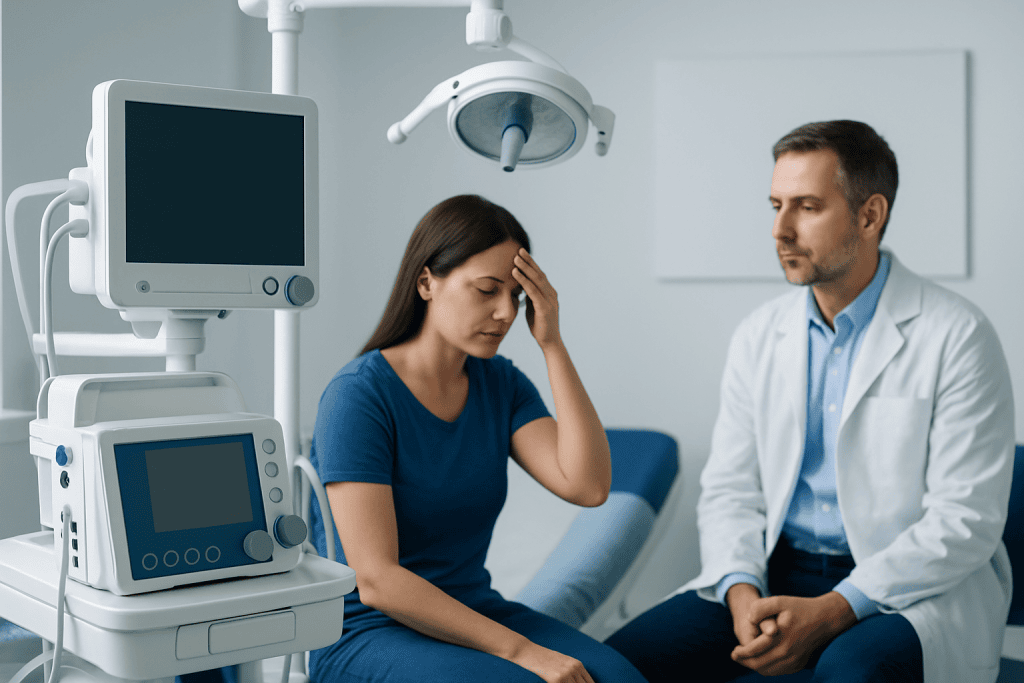
The way a forehead headache feels can vary. Some people describe a dull band-like pressure across the forehead, while others feel throbbing pain on one side or behind one eye. The pain may come on gradually during the day, appear after long periods of concentration, or flare with stress, poor sleep, or missed meals.
Associated symptoms often point toward the cause. A tension-type headache may feel tight or pressing and is often linked to neck or scalp muscle tension. A migraine may bring nausea, sensitivity to light or sound, worsening with activity, or visual symptoms before the headache. Sinus-related pain may occur with nasal congestion, facial pressure, thick nasal discharge, or reduced sense of smell.
People may also notice watering eyes, difficulty focusing, tiredness, or a “heavy” sensation in the face. Keeping a simple record of timing, triggers, sleep, meals, hydration, and associated symptoms can make it easier for a doctor to identify patterns and recommend treatment.
- Dull, tight pressure often suggests tension-type headache.
- Throbbing pain with nausea or light sensitivity can suggest migraine.
- Forehead pressure with congestion or facial fullness may suggest sinus involvement.
- Pain after long screen time can be related to eye strain or posture.
Common Causes and Related Conditions

Tension-type headache is one of the most common reasons for a forehead headache. It is often linked to stress, anxiety, poor posture, jaw clenching, or prolonged muscle tension in the neck and scalp. The pain is usually mild to moderate and feels like pressure or tightness rather than pounding.
Migraine is another frequent cause, even when the pain is mainly in the forehead. Migraine can cause throbbing or pressure-like pain and may come with nausea, vomiting, light sensitivity, sound sensitivity, or worsening with routine activity. Some people also experience aura, such as visual changes, before the headache starts. For related information, patients may read more about migraine.
Sinus inflammation can cause pain or pressure in the forehead, especially if the frontal sinuses are affected. However, true sinus headache is less common than many people think. When forehead pain occurs with a blocked nose, fever, facial tenderness, or thick nasal discharge, a sinus problem may be more likely. If symptoms keep recurring or involve persistent nasal blockage, an ear, nose, and throat evaluation may help, especially for conditions such as sinusitis.
Other possible causes include dehydration, skipped meals, viral illness, eye strain, uncorrected vision problems, sleep deprivation, medication overuse, and high stress levels. Less commonly, a forehead headache may be related to cluster headache, blood pressure changes, dental or jaw problems, head injury, or a neurological disorder. Because the same symptom can have many explanations, diagnosis depends on the full clinical picture.
How Doctors Evaluate a Forehead Headache
Assessment begins with a detailed history. A doctor will usually ask when the headaches started, how often they happen, where the pain is felt, how intense it is, what it feels like, and what symptoms accompany it. They may also ask about sleep, stress, hydration, caffeine intake, menstrual cycles, recent infections, medications, and family history of migraine or other headache disorders.
A physical examination may include checking blood pressure, temperature, the nose and sinuses, neck and jaw muscles, and a neurological exam. Vision testing may be relevant if the person reports blurred vision, eye strain, or headaches linked to reading or screen use. In many cases, these steps are enough to identify a likely primary headache disorder such as tension-type headache or migraine.
Imaging tests are not needed for every headache. They are more likely to be considered if there are warning signs such as a sudden severe onset, abnormal neurological findings, headache after head trauma, cancer history, immune suppression, or a new headache pattern later in life. When imaging is appropriate, doctors may use MRI or CT scan to look for causes that need prompt treatment.
Treatment Options and Practical Relief
Treatment depends on the cause. For a tension-type headache, relief may come from rest, fluids, regular meals, stress management, posture correction, stretching, and appropriate pain medicines recommended by a doctor or pharmacist. Heat on the neck or shoulders and reducing prolonged screen time can also help when muscle tension is contributing.
If migraine is suspected, treatment may include avoiding known triggers, resting in a dark quiet room, staying hydrated, and using migraine-specific or other medicines prescribed or recommended by a clinician. People with frequent attacks may need preventive treatment rather than only treating each headache when it begins. In some cases, referral for neurology evaluation can help clarify the diagnosis and guide long-term management.
When the forehead headache is related to sinus disease, treatment focuses on the underlying nasal or sinus problem rather than pain alone. Depending on the cause, this may involve saline rinses, treatment for allergies, short-term medications advised by a clinician, or evaluation by an ENT specialist. For persistent or complicated nasal symptoms, patients may benefit from ENT assessment.
Medication should be used carefully. Frequent use of pain relievers can itself lead to medication-overuse headache, in which headaches become more frequent and harder to control. Anyone needing pain medicines often, or whose headaches are becoming more common, should speak with a doctor instead of simply increasing self-treatment.
Self-Care, Prevention, and Trigger Management
Many forehead headaches can be reduced by identifying and addressing triggers. Common steps include drinking enough fluids, eating regular meals, limiting excess alcohol, maintaining a consistent sleep schedule, and taking breaks from screens. Good ergonomics matter as well, because forward head posture and shoulder tension can contribute to pain across the forehead and temples.
Stress reduction is often useful. Gentle exercise, breathing exercises, stretching, mindfulness practices, and consistent routines may lower headache frequency for some people. If headaches occur after long periods of reading or screen use, an eye exam and adjustment of lighting, font size, and screen distance may help.
A headache diary can be very practical. Recording when the headache starts, what was eaten, sleep quality, menstrual timing, hydration, and any associated symptoms can reveal patterns that are not obvious day to day. This information can be especially useful if the person is trying to distinguish between tension headaches, migraine, sinus-related pain, or medication overuse.
When to Seek Medical Care
Medical attention is important if a forehead headache is severe, frequent, persistent, or different from past headaches. It is also wise to speak with a doctor if the pain is interfering with work, sleep, school, or daily activities, or if over-the-counter medicines are needed repeatedly.
Urgent evaluation is needed for a sudden explosive headache that reaches maximum intensity quickly, headache with weakness, numbness, confusion, fainting, seizure, fever with neck stiffness, new vision loss, or headache after a head injury. A new headache during pregnancy, in older adulthood, or in someone with cancer or a weakened immune system should also be assessed promptly.
If symptoms suggest sinus disease but do not improve, or if migraine-like headaches keep recurring, specialist care may be helpful. Acibadem International’s multidisciplinary specialists in JCI-accredited hospitals diagnose and treat headache, sinus, and neurological conditions for international patients, helping coordinate evaluation when symptoms are persistent or complex.
Frequently asked questions
What is the most common cause of a forehead headache?
Tension-type headache is one of the most common causes of pain across the forehead. It is often related to stress, muscle tension, fatigue, poor posture, or lack of sleep, but migraine and sinus problems are also common possibilities.
Does a forehead headache always mean a sinus infection?
No. Many people assume pain in the forehead is a sinus headache, but migraine and tension-type headache are often more likely. A sinus infection is more strongly suggested when headache comes with nasal blockage, thick discharge, facial tenderness, fever, or reduced sense of smell.
When should a forehead headache be taken seriously?
A headache should be taken seriously if it starts suddenly and severely, follows a head injury, or comes with weakness, confusion, seizure, neck stiffness, fever, or vision loss. It also deserves medical attention if it is new, worsening, frequent, or unlike previous headaches.
Can eye strain cause a headache in the forehead?
Yes. Long periods of screen use, reading, poor lighting, or uncorrected vision problems can contribute to aching or pressure across the forehead. If headaches often happen with close work or focusing, an eye examination may be helpful.
How can a person relieve a mild forehead headache at home?
Rest, hydration, regular meals, and a quiet environment can help with many mild headaches. Stretching the neck and shoulders, reducing screen time, and using medicines appropriately as advised by a doctor or pharmacist may also bring relief.
Can stress cause a forehead headache every day?
Stress can contribute to daily or very frequent headaches, especially tension-type headaches. However, daily headaches can also be linked to poor sleep, medication overuse, migraine, or other conditions, so persistent symptoms should be assessed by a doctor.
References
- World Health Organization
- International Headache Society
- American Migraine Foundation
- National Institute of Neurological Disorders and Stroke
- American Academy of Otolaryngology–Head and Neck Surgery
This article is for general information only and is not a substitute for professional medical advice. Please consult a qualified doctor about your individual situation.
Explore treatments in Turkey — costs, top hospitals & a free quote
JCI-accredited · board-certified surgeons · reply within 24h
Add us as a Preferred Source to see more of our trusted health content across Google Search, AI Overviews and Discover.
Check your numbers in seconds
BMI, calories, due date, blood pressure and 30+ more clinical calculators — free, instant, doctor-reviewed ranges.