Chemical Peel — Explained by Medical Evidence, Not Myths

A chemical peel uses carefully selected acids to exfoliate and renew the skin in a controlled way. Peels vary in depth: superficial, medium, and deep peels differ in results, downtime, and risk.
Key Takeaways
- A chemical peel uses carefully selected acids to exfoliate and renew the skin in a controlled way.
- Peels vary in depth: superficial, medium, and deep peels differ in results, downtime, and risk.
- Best candidates depend on skin concerns, skin tone, medical history, and current skincare or medications.
- Expected effects include redness, peeling, tightness, and sun sensitivity during healing.
- Professional assessment helps reduce complications such as irritation, infection, pigment changes, and scarring.
A chemical peel is a skin-resurfacing procedure that applies a controlled chemical solution to remove damaged outer layers of skin and stimulate renewal. When tailored to skin type and goals, it can improve texture, discoloration, acne-related marks, and fine lines, but it is not right for everyone and should be chosen with medical guidance.
What a Chemical Peel Really Does
A chemical peel is a medical or cosmetic skin-resurfacing treatment that uses a chemical solution to remove part of the outer skin in a controlled manner. This process encourages fresh skin cells to appear at the surface and can improve uneven tone, rough texture, mild scarring, acne marks, and some signs of sun damage or aging. In simple terms, a chemical peel does not “burn off” the skin randomly; it creates a predictable, measured injury so the skin can repair itself more evenly.
The results depend on the type of peel, the active ingredients used, the depth reached, and the person’s skin characteristics. Superficial peels act mainly on the outermost layer of skin, while medium and deep peels work further down and usually produce more noticeable changes but also require more recovery time. A peel may be performed on the face, neck, chest, or hands, depending on the concern being treated.
Many myths around chemical peel treatment come from confusing it with home exfoliation products. Over-the-counter acids and scrubs can affect the skin surface, but a professionally selected chemical peel is more targeted and is based on skin type, medical history, and treatment goals. It is not a one-size-fits-all procedure, and stronger is not always better.
Who May Benefit and What Concerns It Can Address
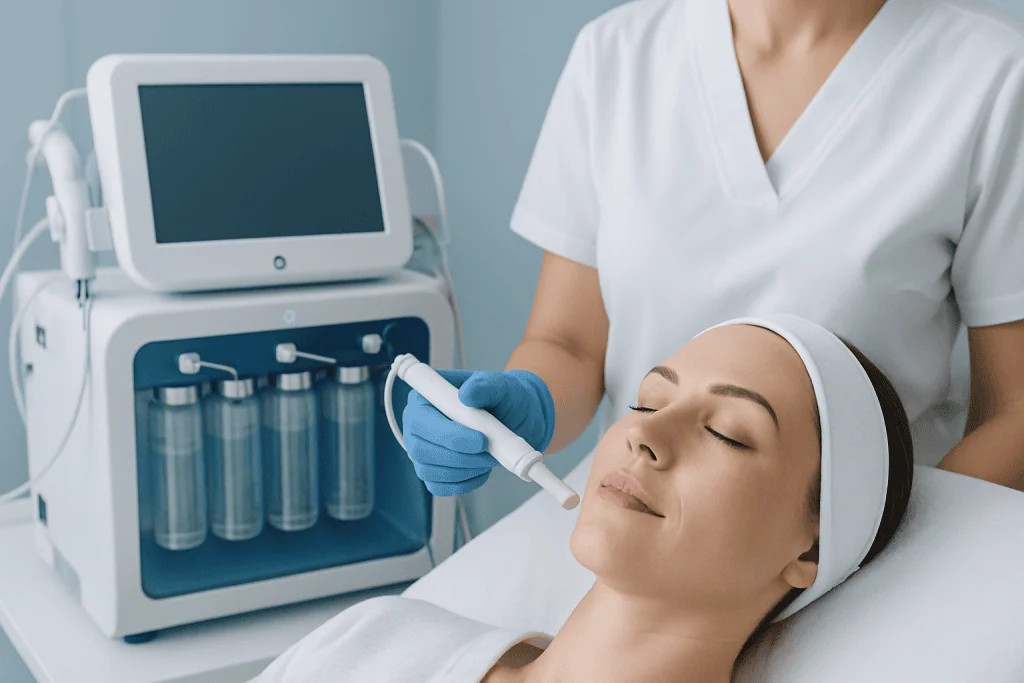
A chemical peel may be recommended for people who want to improve dullness, uneven texture, fine lines, mild sun spots, post-inflammatory hyperpigmentation, and some acne-related marks. It can also help with clogged pores and mild active acne in selected cases. For many people, the goal is not dramatic transformation but smoother, brighter, more even-looking skin.
Not every skin concern responds equally well. A peel can improve surface irregularities, but it may be less effective for deeper wrinkles, pronounced skin laxity, or deep depressed scars. In these situations, a clinician may discuss combining a peel with other options such as laser treatment or another resurfacing approach, depending on the skin assessment.
People with darker skin tones can often have chemical peels safely, but the choice of peel needs extra care because the risk of post-inflammatory pigment changes may be higher with some formulations or depths. Individuals with active eczema, open wounds, recent severe sunburn, or certain infections may need to delay treatment. A history of abnormal scarring, frequent cold sores, or recent use of specific medications also affects suitability.
Types of Chemical Peels and How They Differ
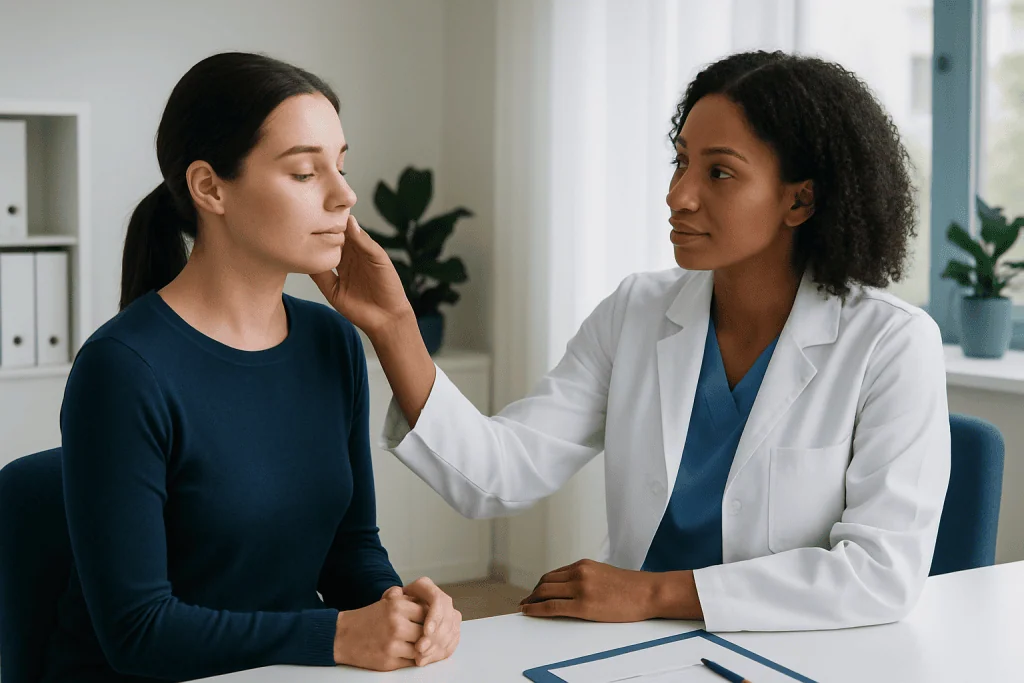
Chemical peels are usually grouped by depth: superficial, medium, and deep. Superficial peels often use ingredients such as alpha hydroxy acids, beta hydroxy acids, or lower-strength trichloroacetic acid to treat mild discoloration, roughness, and acne-prone skin. They generally involve the least downtime and may be repeated in a series.
Medium peels reach deeper into the skin and are often chosen for more visible sun damage, pigment irregularities, or fine lines. Recovery is longer, and peeling is usually more noticeable. Deep peels penetrate further and are used more selectively because they require significantly more healing time and closer medical supervision.
The right peel is determined by more than the product name. Clinicians consider:
- Skin type and natural skin tone
- The main concern, such as acne marks or sun spots
- Whether the issue is superficial or deeper in the skin
- Past reactions to skincare products or procedures
- Current medications, pregnancy status, and general health
This individualized planning is one reason expert evaluation matters. A peel that is ideal for one person may cause prolonged irritation or uneven pigmentation in another.
What Happens Before, During, and After the Procedure
Before a chemical peel, the skin is assessed carefully. The clinician may ask about active skin disease, recent tanning, skin infections, cold sores, allergy history, and use of retinoids or exfoliating products. In some cases, patients are advised to prepare the skin in advance with a gentle skincare routine and to pause irritating products before the procedure.
During the treatment, the skin is cleansed and the peel solution is applied for a controlled amount of time. Patients may feel warmth, tingling, stinging, or tightness. The solution may then be neutralized or removed, depending on the peel type. The visit is usually brief for superficial peels, while deeper treatments may require a more involved setting.
After a peel, the skin commonly becomes red, dry, tight, and more sensitive. Peeling may begin over the following days, especially with medium-depth peels. Recovery should not be rushed. Picking, scrubbing, or trying to remove flaking skin manually can increase the risk of irritation, infection, and scarring. Strict sun protection is essential because healing skin is especially vulnerable to ultraviolet damage.
People seeking broader skin improvement sometimes discuss a peel alongside other options such as skin rejuvenation plans, but the timing and safety of combination treatment should always be decided by a qualified clinician.
Benefits, Limits, and Possible Side Effects
The main benefit of a chemical peel is controlled resurfacing. Done appropriately, it can brighten the complexion, smooth rough patches, reduce the appearance of mild acne marks, improve uneven pigmentation, and soften early fine lines. Some people notice results after one treatment, while others need a series of lighter peels for gradual improvement.
At the same time, a chemical peel has limits. It does not permanently stop skin aging, and it cannot fully remove deep scars, significant sagging, or all forms of pigmentation. Realistic expectations are important. The best outcomes usually come from matching the depth of the peel to a specific concern rather than expecting a single procedure to solve every skin issue.
Side effects can include redness, swelling, dryness, temporary darkening or lightening of the skin, breakouts, sensitivity, and crusting. Less commonly, more serious complications can occur, such as infection, prolonged inflammation, persistent pigment change, or scarring. These risks are higher when the peel is too strong for the person’s skin, aftercare is poor, or the procedure is done without proper assessment.
People with active acne or acne scarring may also want a medical evaluation for acne itself, since treating the underlying condition often improves long-term results and helps prevent new marks from forming.
Aftercare, Recovery, and Protecting Results
Good aftercare supports healing and helps reduce the chance of complications. Most people are advised to use a bland moisturizer, gentle cleanser, and broad-spectrum sunscreen every day. Heat exposure, vigorous exercise, saunas, exfoliating products, and direct sun are often limited for a period after treatment, depending on peel depth.
It is normal for the skin to look pink or feel tight while healing. Superficial peels usually recover more quickly, while medium and deep peels need more downtime and follow-up. The skin may appear temporarily worse before it looks better, especially while peeling is active. This can be expected and does not necessarily mean the treatment has failed.
Long-term results depend partly on daily habits. Sun protection is especially important, because UV exposure can quickly reverse some of the visible improvements and trigger new pigmentation problems. A clinician may recommend a maintenance skincare routine or occasional repeat peels.
For some concerns, other procedures may be discussed if a peel is unlikely to give enough improvement. For example, patients with textural changes or residual acne scars may benefit from evaluation for dermatology care or another medically guided treatment plan.
Who Should Avoid a Chemical Peel or Use Extra Caution
A chemical peel may need to be postponed or avoided in certain situations. These include active skin infection, uncontrolled inflammatory skin disease, recent significant sun exposure, open wounds, or a recent procedure that has not fully healed. Caution is also needed in people with a history of keloids or unusual scarring.
Some medicines and skincare products increase skin sensitivity or interfere with healing. Recent use of strong retinoids, some acne medications, or frequent at-home acid exfoliation may change the safety profile of a peel. Pregnancy, breastfeeding, and immune-related conditions can also affect treatment planning, so full medical disclosure is important.
People prone to hyperpigmentation or those with melasma need a careful approach. In some cases, a peel can help discoloration; in others, it may aggravate it if the skin becomes inflamed. Melasma in particular can be stubborn and often needs a broader treatment and prevention strategy, including strict sun avoidance and ongoing medical skincare.
When to Seek Medical Care
Medical advice is important before a chemical peel if there is uncertainty about skin type, diagnosis, or the most suitable treatment. A skin problem that seems cosmetic may actually need medical evaluation first, especially if there is persistent redness, unexplained darkening, recurrent rash, active infection, or rapidly changing lesions.
After a peel, a doctor should be contacted if there is severe swelling, worsening pain, spreading redness, pus, fever, new blisters, or delayed healing. Medical review is also sensible if pigmentation changes are pronounced or do not improve as expected. Prompt care may help limit complications.
For international patients who need specialist assessment, Acibadem International’s multidisciplinary teams in JCI-accredited hospitals diagnose and treat skin concerns with a medically guided approach. The safest path is always an individualized consultation rather than following myths, social media trends, or non-medical advice.
Frequently asked questions
Is a chemical peel painful?
Most people feel tingling, stinging, warmth, or tightness rather than severe pain. The intensity depends on the depth of the peel and the skin’s sensitivity. Stronger peels are more uncomfortable and may require closer medical support.
How long does it take to recover from a chemical peel?
Recovery depends on the type of peel. Superficial peels may involve mild redness and flaking for a few days, while medium and deep peels need more downtime and more careful aftercare. A clinician can explain what is typical for the specific peel being used.
Can a chemical peel help acne scars?
A chemical peel may improve mild acne marks and superficial textural changes, especially post-inflammatory discoloration. It is usually less effective for deep or sharply depressed scars. In those cases, other dermatologic procedures may be more suitable.
Are chemical peels safe for dark skin?
They can be safe for darker skin tones when chosen carefully and performed by experienced professionals. The main concern is a higher risk of post-inflammatory pigment changes with some peels or if the skin becomes overly irritated. Proper assessment and aftercare are especially important.
How soon will results appear after a chemical peel?
Some people notice smoother, brighter skin after the initial healing period, but final improvement can take longer as the skin renews itself. Deeper peels often need more recovery before results are clear. A series of lighter peels may produce gradual improvement over time.
Can a chemical peel be done at home?
Home acid products exist, but they are not the same as a professionally selected chemical peel. Strong or poorly chosen products can lead to burns, pigment changes, and scarring. It is safer to seek medical advice before using higher-strength peeling agents.
References
- American Academy of Dermatology
- American Society for Dermatologic Surgery
- National Health Service
- Mayo Clinic
- U.S. Food and Drug Administration
This article is for general information only and is not a substitute for professional medical advice. Please consult a qualified doctor about your individual situation.
Explore treatments in Turkey — costs, top hospitals & a free quote
JCI-accredited · board-certified surgeons · reply within 24h
Add us as a Preferred Source to see more of our trusted health content across Google Search, AI Overviews and Discover.